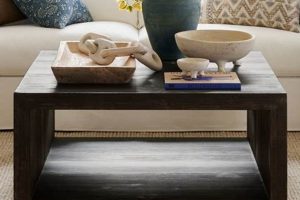
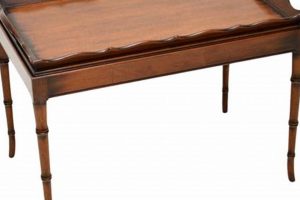
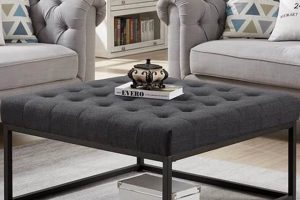
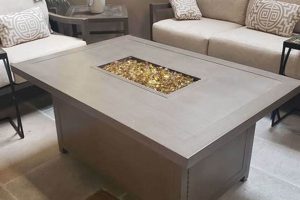
A substantial cut of timber, often retaining its natural edge and unique characteristics, serves as the primary surface for these pieces of furniture. Supported by various base designs, these tables bring a distinct element of nature indoors. The appeal lies in the inherent individuality of each piece, showcasing the tree’s grain, knots, and imperfections, rendered functional and aesthetically pleasing.
The use of natural materials for interior design connects inhabitants with the outdoors, promoting a sense of tranquility and well-being. Furthermore, these sturdy constructions provide a durable and lasting surface suitable for diverse living spaces. Historically, utilizing raw timber reflects a connection to craftsmanship and a preference for organic, unrefined aesthetics, contrasting with mass-produced alternatives.
The following sections will delve into the selection criteria, types of wood commonly employed, available base options, finishing techniques, and considerations for maintaining these distinctive home furnishings. Attention will also be given to pricing factors and popular design trends in this furnishing category.
Essential Considerations for Wood Slab Coffee Tables
Selecting and maintaining timber surface furnishings requires careful consideration to ensure longevity and aesthetic appeal. The following guidelines offer valuable insights.
Tip 1: Species Selection: Prioritize hardwood varieties such as walnut, oak, or maple for superior durability and resistance to wear. Softwoods, while less expensive, are more susceptible to scratches and dents.
Tip 2: Moisture Content: Ensure the slab has been properly dried and stabilized to prevent warping or cracking. Kiln-dried wood is generally preferable.
Tip 3: Edge Treatment: Evaluate the edge detail. A live edge showcases the natural contour of the tree, while a squared or chamfered edge offers a cleaner, more contemporary appearance.
Tip 4: Base Stability: Select a base constructed from durable materials like steel or sturdy wood. The design should adequately support the weight of the surface and maintain stability.
Tip 5: Finish Application: Apply a protective finish, such as polyurethane or oil-based sealant, to safeguard against moisture, stains, and scratches. Consider the sheen level to achieve the desired aesthetic.
Tip 6: Size and Proportion: Choose dimensions appropriate for the designated space. A too-large surface may overwhelm a small room, while an undersized piece may appear insignificant in a larger area.
Tip 7: Knot and Crack Assessment: Thoroughly inspect for imperfections. While knots and cracks contribute to the rustic character, excessive or unstable defects can compromise structural integrity. Stabilizing techniques like epoxy resin fills may be necessary.
Following these recommendations ensures informed purchase decisions and contributes to the long-term preservation of these unique furniture pieces.
The subsequent sections will elaborate on specific design trends and maintenance protocols for timber surface furnishings.
1. Wood Species
The selection of wood species significantly impacts the aesthetic appeal, durability, and overall value of timber surface furnishings. Understanding the properties of various wood types is crucial for informed decision-making.
- Hardness and Durability
Hardwood species, such as walnut, oak, and maple, possess greater density and resistance to wear compared to softwoods like pine or cedar. This translates to a longer lifespan for the surface, withstanding daily use and minimizing scratches or dents. Walnut, known for its rich color and distinctive grain, offers excellent durability and visual appeal. Oak provides strength and a classic look, while maple presents a lighter, more contemporary option. The choice directly affects the piece’s ability to endure regular wear and tear.
- Grain Pattern and Aesthetic
Each wood species exhibits unique grain patterns that contribute to the character of the surface. Walnut features intricate, swirling patterns, whereas oak typically displays a more pronounced, linear grain. Maple can range from subtle, uniform grain to highly figured patterns like birdseye or curly maple. These variations significantly impact the aesthetic, dictating whether the piece conveys a rustic, contemporary, or formal ambiance.
- Workability and Finish Compatibility
Certain wood species are easier to work with during the manufacturing process and exhibit better compatibility with various finishes. For instance, maple readily accepts stains and clear coats, allowing for customization. Walnut, on the other hand, may require specialized techniques to preserve its natural color and enhance its grain. The workability of the wood also influences the complexity and cost of crafting the surface.
- Sustainability and Availability
The environmental impact of wood sourcing and its availability influence responsible consumption. Selecting sustainably harvested wood species, such as reclaimed timber or those certified by organizations like the Forest Stewardship Council (FSC), promotes responsible forestry practices. Moreover, the availability of certain wood species can impact cost and lead times. Rare or imported woods may command higher prices compared to locally sourced options.
In conclusion, the careful consideration of wood species is paramount in determining the longevity, appearance, and environmental impact of timber surface furnishings. The interplay of hardness, grain pattern, workability, and sustainability dictates the overall quality and value of the finished piece. Therefore, informed selection based on these factors ensures a harmonious balance of aesthetic appeal and functional performance.
2. Slab Dimensions

The size and proportions of the wood slab are critical determinants in the overall aesthetic and functional suitability of these coffee tables. Slab dimensions influence spatial harmony, usability, and visual impact within a room.
- Surface Area and Functionality
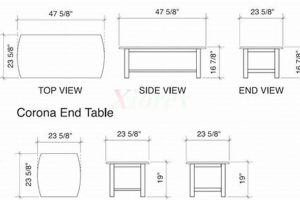
The overall surface area dictates the table’s utility. Larger slabs offer ample space for multiple users to place items, while smaller slabs may be better suited for compact spaces or purely decorative purposes. Dimensions must align with intended use to ensure practicality. For instance, a slab measuring 48 inches in length and 24 inches in width provides sufficient surface for beverages, books, and decorative objects in a typical living room setting.
- Thickness and Visual Weight
Slab thickness contributes to the perceived visual weight of the furniture piece. Thicker slabs, typically exceeding 3 inches, convey a sense of robustness and solidity, often associated with rustic or naturalistic designs. Thinner slabs, measuring 2 inches or less, appear more delicate and refined, complementing contemporary or minimalist aesthetics. The thickness should harmonize with the overall design and the room’s style.
- Proportion and Spatial Harmony
The proportions of the slab relative to the room’s dimensions are vital for achieving visual harmony. A too-large slab can overwhelm a small space, making it feel cramped, while a too-small slab may appear insignificant in a larger area. Careful consideration of the room’s layout, existing furniture, and traffic flow is necessary. For example, a rectangular slab with a length-to-width ratio of 2:1 may effectively complement a long, narrow living room.
- Edge Shape and Perceived Size
The treatment of the slab’s edges can influence the perceived size and shape of the table. A live edge, which retains the natural contour of the tree, often creates a more organic and visually expansive impression compared to a straight, squared edge. Chamfered or rounded edges can soften the visual impact, making the table appear less imposing. The edge shape must complement the overall design and the desired aesthetic.
The dimensional characteristics of the wood slab are integral to the success of these pieces. Proper consideration of surface area, thickness, proportion, and edge shape ensures not only functional utility but also visual cohesion within the intended environment. These aspects are key to a design that seamlessly integrates natural elements into modern living spaces.
3. Base Materials

The selection of base materials for wood slab coffee tables is paramount to the piece’s overall stability, aesthetic integration, and long-term durability. The base not only provides structural support but also contributes significantly to the table’s style, ranging from rustic to contemporary.
- Steel
Steel bases offer exceptional strength and load-bearing capacity, essential for supporting heavy wood slabs. Their inherent rigidity minimizes the risk of warping or instability. Steel allows for a wide variety of designs, including minimalist hairpin legs, geometric frames, and industrial-style supports. The finish, whether powder-coated or left with a raw, patinated surface, further influences the aesthetic. A steel base often complements slabs with a more modern or industrial feel.
- Wood
Wood bases provide a cohesive and natural look, especially when paired with wood slabs. Different wood species can be used to create varying levels of contrast or harmony. For example, a dark walnut slab atop a lighter maple base offers visual interest, while a matching walnut base creates a unified aesthetic. Wood bases can be crafted in diverse styles, from simple trestle designs to more intricate turned legs or carved supports. The choice of wood and design impacts the table’s overall character.
- Concrete
Concrete bases offer a robust and grounded aesthetic, often favored for rustic or industrial-inspired designs. Concrete’s substantial weight provides inherent stability. Finishes can range from smooth and polished to rough and textured, offering design flexibility. Concrete bases typically complement thicker wood slabs, creating a visually balanced and substantial piece. The material’s inherent durability ensures longevity, even in high-traffic environments.
- Acrylic
Acrylic bases create a sense of levitation, drawing attention to the wood slab itself. Their transparent nature allows light to pass through, making the table appear less visually heavy, especially in smaller spaces. Acrylic offers a modern and minimalist aesthetic, suitable for contemporary interiors. While visually light, acrylic must be sufficiently thick to provide adequate support. Scratches on acrylic are more noticeable, requiring careful handling and cleaning.
In conclusion, the selection of base materials for wood slab coffee tables involves a balance of structural requirements and aesthetic considerations. Each material, from steel to acrylic, offers unique advantages and limitations that should be carefully evaluated in relation to the slab’s characteristics, the desired style, and the intended environment. The base serves as a critical element in ensuring the table’s stability, longevity, and overall visual appeal.
4. Edge Details

The treatment of the perimeter of a wood slab significantly influences the aesthetic and functional characteristics of such furnishings. The edge detail dictates the tactile experience, visual weight, and overall design integration of a wood slab coffee table within its intended environment.
- Live Edge
A live edge retains the natural contour of the tree, preserving the organic shape and bark. This approach highlights the uniqueness of the wood slab, offering a rustic and natural aesthetic. However, live edges may be uneven, requiring careful stabilization and potentially impacting usability. For example, protruding bark may necessitate removal to prevent shedding and maintain a clean surface.
- Squared Edge
A squared edge provides a clean, geometric appearance, aligning with contemporary or minimalist design styles. This edge detail is typically achieved through precise milling, resulting in a uniform and predictable surface. Squared edges facilitate seamless integration with other furniture pieces and can enhance the perceived stability of the table. However, they may lack the distinctive character of a live edge.
- Beveled Edge
A beveled edge involves angling the edge of the wood slab, creating a softer and more refined appearance. This detail can reduce the visual weight of the table and prevent sharp corners, enhancing safety. Bevels may range from subtle to pronounced, influencing the overall aesthetic. A slight bevel can add a touch of elegance without sacrificing the slab’s substantial feel.
- Epoxy Resin Edge
The application of epoxy resin to the edge can serve both functional and aesthetic purposes. Resin can stabilize fragile or damaged edges, fill voids, and create a smooth, durable surface. Furthermore, tinted or colored epoxy resin can add a unique design element, contrasting with the natural wood grain. This technique is particularly useful for preserving slabs with imperfections or creating a customized look.
The choice of edge detail is a critical factor in the design and selection of wood slab coffee tables. These diverse treatments influence not only the aesthetic appeal but also the functionality, safety, and overall integration of the furniture piece within a given space. Careful consideration of these characteristics ensures a harmonious balance between natural elements and design intention.
5. Finish Options

The application of a finish is a crucial step in the fabrication of timber surface furnishings, directly affecting both the aesthetic appeal and the long-term durability of the wood.
- Polyurethane Coatings
Polyurethane provides a durable, protective layer against scratches, moisture, and stains. Available in various sheens, from matte to high gloss, polyurethane finishes offer versatility in achieving the desired aesthetic. Oil-based polyurethanes tend to amber over time, enhancing the wood’s warmth, while water-based options remain clearer, preserving the wood’s natural color. Proper application requires multiple thin coats to build sufficient protection without obscuring the wood grain.
- Oil-Based Finishes
Oil-based finishes, such as tung oil or linseed oil, penetrate the wood fibers, enhancing the grain’s natural beauty and providing a subtle sheen. These finishes are relatively easy to apply and maintain, requiring periodic reapplication to replenish the protective layer. While offering less surface protection than polyurethane, oil-based finishes provide a natural look and feel, often preferred for highlighting the wood’s inherent character. They are suitable for surfaces that are not subjected to heavy use or excessive moisture.
- Wax Finishes
Wax finishes, such as beeswax or carnauba wax, offer a natural and tactile surface, imparting a soft sheen and a smooth texture. These finishes provide minimal protection against moisture and scratches, requiring frequent reapplication to maintain their aesthetic appeal and protective qualities. Wax finishes are best suited for surfaces intended for decorative purposes or low-traffic areas where preservation of the wood’s natural feel is prioritized.
- Epoxy Resin Coatings
Epoxy resin provides a durable and waterproof coating, often used to create a glass-like surface. Epoxy can be tinted or colored, allowing for customization and the incorporation of unique design elements. This finish is highly resistant to scratches and stains, making it suitable for high-use surfaces. However, epoxy can be susceptible to yellowing over time and may require specialized application techniques to avoid bubbles or imperfections.
The selection of an appropriate finish for these pieces requires careful consideration of the intended use, desired aesthetic, and maintenance requirements. Each finish option offers a unique balance of protection, appearance, and ease of application, influencing the long-term performance and visual appeal of the furniture.
6. Structural Integrity

The durability and longevity of a wood slab coffee table are fundamentally dependent on its structural integrity. Addressing potential weaknesses inherent in the material and design is crucial for ensuring the piece can withstand intended use and environmental factors.
- Wood Selection and Moisture Content
The species of wood chosen significantly impacts structural stability. Hardwoods such as oak, maple, and walnut exhibit superior resistance to bending and deformation compared to softwoods. Critically, the moisture content of the slab at the time of construction must be appropriately managed. Excess moisture can lead to warping, cracking, and fungal decay, compromising the table’s structural soundness. Kiln-drying is a common practice to mitigate these risks. For example, a walnut slab that hasn’t been correctly dried to a moisture content of 6-8% could deform significantly over time.
- Slab Thickness and Span
The thickness of the wood slab in relation to its unsupported span directly affects its load-bearing capacity and resistance to sagging. Thicker slabs can support greater weight over longer distances. Finite element analysis can be employed to model the stress distribution within the slab and determine the minimum required thickness for a given span. Consider a table design with a wide, unsupported slab; increasing the slab’s thickness by even an inch can dramatically improve its ability to resist bending under load.
- Base Design and Attachment
The design of the base, including the number and placement of supports, plays a vital role in distributing weight evenly and preventing stress concentrations within the wood slab. The method of attaching the base to the slab is also crucial. Secure mechanical fasteners, such as bolts or screws, combined with adhesive bonding, provide a robust connection that resists separation. The base must be constructed from materials with sufficient strength and stiffness to provide adequate support; a flimsy base will undermine the integrity of even the sturdiest slab. An example of poor design would be attaching a thin steel base only to the edges of the slab.
- Crack and Knot Management
Natural wood slabs often contain cracks and knots, which can act as stress concentrators and weaken the overall structure. Stabilizing these features is essential. Epoxy resin is commonly used to fill cracks and voids, bonding the wood fibers together and preventing further propagation. The size and location of knots should be carefully assessed. Large or unstable knots near the edge of the slab may require reinforcement to prevent failure. Ignoring these imperfections can lead to catastrophic failure under load, resulting in a split slab.
These facets collectively contribute to the structural integrity of a wood slab coffee table. Addressing these considerations through careful material selection, design, and construction practices is crucial for creating a durable and long-lasting piece of furniture that can withstand the demands of daily use. Examples of tables with compromised structural integrity demonstrate the need for proper assessment and intervention.
Frequently Asked Questions About Wood Slab Coffee Tables
The following questions address common inquiries and misconceptions regarding wood slab coffee tables, providing comprehensive information for informed decision-making.
Question 1: What wood species are best suited for these tables, and why?
Hardwood species, such as walnut, oak, and maple, are generally preferred due to their superior density, strength, and resistance to wear. These woods provide enhanced durability, minimizing the risk of scratches, dents, and warping compared to softer woods like pine or cedar.
Question 2: How can one ensure the wood slab is properly dried to prevent cracking or warping?
Kiln-drying is the most effective method for reducing moisture content and stabilizing the wood slab. Purchasing from reputable suppliers who utilize kiln-drying techniques is crucial. The ideal moisture content for furniture wood is typically between 6% and 8%.
Question 3: What base materials offer the best support and aesthetic integration for a wood slab coffee table?
Steel and wood are common base materials. Steel provides exceptional strength and stability, allowing for a variety of designs. Wood bases offer a cohesive and natural look, particularly when matched to the slab’s species. The base design should adequately support the slab’s weight and complement its aesthetic.
Question 4: How should knots and cracks be addressed to ensure structural integrity?
Epoxy resin is commonly used to fill cracks and stabilize knots, preventing further propagation and reinforcing the slab’s structure. Large or unstable knots may require additional mechanical reinforcement. Proper stabilization is essential for preventing failure under load.
Question 5: What finish options provide the best protection against moisture, stains, and scratches?
Polyurethane coatings offer excellent protection against moisture, stains, and scratches, available in various sheens. Oil-based finishes provide a natural look and feel but offer less surface protection. The choice depends on the intended use and desired aesthetic. Multiple coats are recommended for optimal protection.
Question 6: How does the size and thickness of the slab affect the table’s overall stability and visual impact?
Slab thickness contributes to the table’s visual weight and load-bearing capacity. Thicker slabs convey robustness, while thinner slabs appear more refined. The slab’s dimensions must be proportional to the room’s size to maintain visual harmony. A too-large slab can overwhelm a small space.
These FAQs highlight the key considerations for selecting, maintaining, and appreciating timber surface furnishings. The answers above are aimed to help inform proper decisions.
The next section will present information about pricing and design trends in this sector.
Wood Slab Coffee Tables
This exploration has elucidated the defining characteristics, selection criteria, and maintenance protocols associated with wood slab coffee tables. Understanding wood species, managing moisture content, selecting appropriate base materials, addressing structural concerns, and applying suitable finishes are paramount. The size, thickness, and edge details of the slab further influence the table’s aesthetic integration and functional suitability within a given space.
The value proposition of a solid timber surface furnishing extends beyond mere functionality. It represents an investment in enduring craftsmanship, sustainable sourcing, and a connection to the natural world. Discerning consumers should prioritize informed decision-making to ensure lasting value and aesthetic satisfaction. Further research, consultation with experienced artisans, and adherence to best practices in care and maintenance are encouraged to fully appreciate the unique characteristics of each piece.