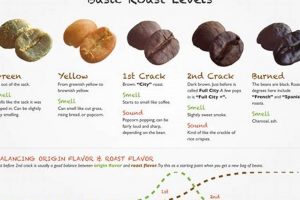
The ingestion of Coffea plant seeds by a canine presents a potential veterinary emergency. These seeds contain methylxanthines, primarily caffeine and theobromine, compounds that act as stimulants. Canines are significantly more sensitive to these substances than humans, making their consumption potentially dangerous, even in small quantities. For example, even a handful of whole seeds, or grounds, can induce clinical signs depending on the size and health status of the affected animal.
The significance of understanding the risks associated with canine caffeine consumption lies in the potential for serious, even life-threatening, consequences. Clinical effects vary based on the amount ingested but commonly include hyperactivity, restlessness, vomiting, elevated heart rate, and increased blood pressure. In severe cases, affected animals may experience tremors, seizures, cardiac arrhythmias, and ultimately, respiratory failure or death. The potential for these outcomes underscores the need for prompt veterinary intervention. Historically, anecdotal accounts of companion animals consuming discarded coffee products have highlighted the vulnerability of canines to these toxins. Therefore, awareness and preventative measures are critical to safeguarding canine health.
The following discussion will delve into the specific toxicological effects of methylxanthines in canines, the clinical signs observed following ingestion, diagnostic procedures used to confirm exposure, and the recommended treatment protocols for managing affected animals. Furthermore, preventative strategies will be outlined to minimize the risk of accidental ingestion in the domestic environment.
Preventive Measures Following Canine Coffee Bean Ingestion
The following guidelines offer crucial insights into minimizing the risk of caffeine-related toxicity in canines, emphasizing preventative strategies to maintain a safe environment.
Tip 1: Secure Storage of Coffee Products: All coffee beans, ground coffee, and related products must be stored in airtight, sealed containers. These containers should be placed in locations inaccessible to canines, such as high shelves or locked pantries. This prevents accidental access to potentially toxic substances.
Tip 2: Careful Disposal of Coffee Grounds and Filters: Discard used coffee grounds and filters immediately into a securely closed trash receptacle. Avoid leaving these items unattended on countertops or in areas accessible to canines, as the residual caffeine content remains a hazard.
Tip 3: Supervise Canine Activity in the Kitchen: When preparing or handling coffee, closely supervise canine activity in the kitchen. This prevents opportunistic ingestion of spilled beans or unattended coffee products.
Tip 4: Educate Family Members and Visitors: Inform all family members and visitors about the potential dangers of caffeine ingestion in canines. Emphasize the importance of proper storage and disposal of coffee products to prevent accidental exposure.
Tip 5: Regular Training and Behavioral Reinforcement: Implement regular training sessions to reinforce “leave it” and “drop it” commands. This provides the ability to immediately halt a canine from ingesting potentially harmful substances found on the floor or in accessible areas.
Tip 6: Awareness of Coffee-Containing Foods: Exercise caution with foods that may contain coffee or coffee extract, such as certain desserts or flavored products. These items should be kept out of reach, as the caffeine content, while potentially lower, still presents a risk.
Tip 7: Prompt Veterinary Consultation: In the event of suspected or confirmed ingestion, immediate veterinary consultation is paramount. Do not attempt to induce vomiting without veterinary guidance, as this can be contraindicated in certain cases. Prompt intervention can significantly improve the prognosis.
Adherence to these preventive measures significantly reduces the likelihood of caffeine toxicity in canines, promoting a safer environment and contributing to overall pet well-being. Consistent vigilance and proactive strategies are essential for safeguarding canine health.
The subsequent sections will address the diagnostic and therapeutic management of caffeine toxicity in canines, providing a comprehensive understanding of the veterinary approach to this potentially life-threatening condition.
1. Toxicity

The inherent danger associated with a canine ingesting coffee beans stems directly from the toxicological properties of the compounds contained within. Methylxanthines, principally caffeine and theobromine, exert a profound physiological effect on canines, far exceeding that observed in humans. The level of toxicity is directly proportional to the quantity of beans ingested and inversely proportional to the size and overall health of the animal.
- Mechanism of Action
Methylxanthines act as central nervous system stimulants and diuretics. They inhibit phosphodiesterase, leading to increased levels of cyclic AMP, and antagonize adenosine receptors. This combination results in heightened neuronal excitability, increased heart rate, and elevated blood pressure. The consequences for canines, lacking the metabolic pathways to efficiently process these compounds, can be severe.
- Dosage and Lethality
The toxic dose of caffeine in dogs is reported to be 14 mg/lb (30 mg/kg), with severe reactions occurring at 20 mg/lb (44 mg/kg), and lethal reactions at 75 mg/lb (165 mg/kg). Coffee beans contain varying levels of caffeine depending on the bean type and preparation method. A relatively small quantity of ingested beans can therefore trigger a toxic response, particularly in smaller breeds.
- Individual Susceptibility
Pre-existing health conditions, such as cardiac disease or liver dysfunction, can significantly exacerbate the effects of methylxanthine toxicity. Younger animals may also be more vulnerable due to incomplete metabolic development. Breed predisposition has not been definitively established, but individual variations in metabolism and sensitivity are likely to play a role.
- Clinical Manifestations
The clinical signs of caffeine toxicity are varied and progressive. Initial symptoms often include restlessness, hyperactivity, excessive panting, and vomiting. As the toxicity progresses, more severe signs such as tremors, seizures, cardiac arrhythmias, and hyperthermia may develop. Without prompt intervention, these symptoms can culminate in respiratory failure and death.
These facets of toxicity collectively underscore the critical nature of preventing canine access to coffee beans and seeking immediate veterinary attention in cases of suspected ingestion. The potential for rapid and severe deterioration necessitates a proactive approach to canine safety in environments where coffee products are present.
2. Symptoms

The clinical presentation following canine ingestion of coffee beans is a crucial indicator of the severity of methylxanthine toxicosis and dictates the urgency of veterinary intervention. The constellation of symptoms observed varies depending on the amount ingested, the time elapsed since ingestion, and the individual sensitivity of the affected animal.
- Gastrointestinal Distress
Vomiting is a common early sign following coffee bean ingestion. The emetic effect is triggered by the irritant properties of the coffee components on the gastrointestinal mucosa, as well as the central nervous system stimulation. Diarrhea may also occur, further contributing to dehydration and electrolyte imbalances. The presence of undigested coffee bean fragments in the vomitus or feces is a strong indicator of ingestion.
- Central Nervous System Excitation
Caffeine and theobromine act as potent stimulants on the central nervous system. Affected canines may exhibit hyperactivity, restlessness, and anxiety. Tremors, progressing to generalized seizures, represent a more severe manifestation of neurotoxicity. These neurological signs indicate a significant level of methylxanthine penetration into the central nervous system and warrant immediate intervention.
- Cardiovascular Effects
Methylxanthines induce an increase in heart rate and blood pressure, potentially leading to cardiac arrhythmias. Tachycardia (rapid heart rate) is frequently observed. In severe cases, life-threatening arrhythmias such as ventricular tachycardia or atrial fibrillation may develop. These cardiovascular complications can compromise cardiac output and lead to circulatory collapse.
- Respiratory Distress
Increased respiratory rate (tachypnea) and effort can occur as a result of central nervous system stimulation and increased metabolic demand. In severe cases, respiratory failure may develop secondary to seizures, aspiration pneumonia, or cardiac compromise. Monitoring respiratory function is essential in managing these patients, and supplemental oxygen or mechanical ventilation may be required.
The recognition and assessment of these symptoms following suspected coffee bean ingestion are paramount for initiating timely and appropriate veterinary care. The progressive nature of methylxanthine toxicity necessitates vigilant monitoring and prompt intervention to mitigate potentially life-threatening complications. The specific combination and severity of these clinical signs guide diagnostic and therapeutic strategies aimed at stabilizing the patient and minimizing long-term sequelae.
3. Diagnosis

Establishing a definitive diagnosis following suspected coffee bean ingestion in canines is critical for guiding appropriate treatment and improving the prognosis. The diagnostic process involves a multifaceted approach, integrating historical information, clinical signs, and, when feasible, laboratory analysis to confirm exposure and assess the severity of toxicosis.
- Anamnesis and Clinical History
Obtaining a thorough history from the owner is paramount. Key information includes the time of suspected ingestion, the estimated quantity of coffee beans consumed, the type of coffee beans (if known), and any pre-existing medical conditions the canine may have. A detailed clinical history, including the onset and progression of symptoms, provides valuable clues to the severity of the toxicity. For example, if the owner witnessed the dog consuming a specific number of beans just an hour prior to presentation, this information immediately informs the urgency and type of decontamination procedures considered.
- Physical Examination
A comprehensive physical examination is essential to assess the patient’s overall condition and identify specific clinical signs. Parameters such as heart rate, respiratory rate, body temperature, and blood pressure are carefully evaluated. Neurological assessment is critical to detect tremors, seizures, or other signs of central nervous system involvement. Abdominal palpation may reveal discomfort or distension. Findings from the physical examination, such as a markedly elevated heart rate and hyperthermia, corroborate the suspicion of methylxanthine toxicity and guide further diagnostic and therapeutic decisions.
- Laboratory Analysis
While a direct test for caffeine or theobromine levels in blood or urine is possible, it is not always readily available or practical in emergency situations. However, routine bloodwork, including a complete blood count (CBC) and serum biochemistry profile, can provide valuable information about the patient’s overall health status and identify secondary complications. For example, elevated liver enzymes or electrolyte imbalances may indicate organ damage or dehydration. Blood glucose levels may be monitored due to the potential for hyperglycemia secondary to methylxanthine stimulation.
- Differential Diagnosis
It is important to consider other potential causes of the observed clinical signs. Conditions such as chocolate toxicity (also containing methylxanthines), stimulant drug ingestion (e.g., amphetamines), or certain neurological disorders can mimic the symptoms of coffee bean toxicity. Ruling out these alternative diagnoses requires careful consideration of the history, physical examination findings, and laboratory results. A thorough differential diagnosis ensures that the appropriate treatment is initiated and avoids delays in addressing the underlying cause of the canine’s condition.
The integration of historical information, clinical findings, and laboratory data allows for a comprehensive assessment of canines suspected of coffee bean ingestion. Even in the absence of definitive caffeine level testing, a presumptive diagnosis can be made based on the totality of evidence, enabling prompt and effective management of this potentially life-threatening toxicosis. The key is to act swiftly based on a high index of suspicion when the history and clinical signs are suggestive of methylxanthine exposure.
4. Treatment

The therapeutic approach following canine ingestion of coffee beans is dictated by the severity of clinical signs, the elapsed time since ingestion, and the overall health status of the animal. The primary goals of treatment are to prevent further absorption of methylxanthines, control clinical signs, and provide supportive care to maintain vital organ function. The success of treatment hinges on prompt intervention and a multi-faceted approach tailored to the individual patient.
Decontamination strategies are paramount, particularly if the ingestion occurred within a few hours of presentation. Emesis induction, using medications such as apomorphine (in dogs) or hydrogen peroxide (with veterinary guidance), aims to remove undigested coffee beans from the stomach. Activated charcoal, administered orally, adsorbs remaining methylxanthines in the gastrointestinal tract, preventing further absorption. Gastric lavage may be considered in cases of large ingestions or when emesis is contraindicated. Symptomatic and supportive care addresses the clinical manifestations of toxicity. Intravenous fluids correct dehydration and maintain electrolyte balance. Anti-emetics control vomiting, while sedatives or anti-convulsants manage tremors and seizures. Cardiac monitoring is essential to detect and treat arrhythmias. Beta-blockers may be administered to control tachycardia and elevated blood pressure. In severe cases, mechanical ventilation may be necessary to support respiratory function.
Prognosis varies depending on the severity of toxicosis and the promptness of treatment. Canines with mild symptoms that receive early decontamination and supportive care generally have a good prognosis. However, severe cases involving seizures, cardiac arrhythmias, or respiratory failure carry a guarded to poor prognosis, even with aggressive treatment. The long-term consequences of coffee bean ingestion can include cardiac damage, neurological deficits, or kidney injury. Continuous monitoring and follow-up care are essential to detect and manage any long-term complications. Ultimately, preventive measures remain the most effective strategy for mitigating the risk of coffee bean toxicosis in canines. Secure storage of coffee products and vigilant supervision of pets are crucial to preventing accidental ingestion and safeguarding canine health.
5. Prevention

Mitigating the risk of canine coffee bean ingestion necessitates proactive preventative strategies. The consequences of such incidents range from mild discomfort to life-threatening complications, underscoring the importance of diligent risk management within environments accessible to canines.
- Secure Storage of Coffee Products
The cornerstone of prevention lies in the secure storage of all coffee-related items. Coffee beans, ground coffee, brewed coffee, and related waste (filters, grounds) should be kept in airtight, sealed containers inaccessible to canines. Elevating these items on high shelves or securing them within locked cabinets eliminates the opportunity for accidental consumption. For instance, storing open bags of coffee beans on a countertop represents a direct hazard, while placing them inside a closed, elevated cabinet mitigates the risk.
- Conscientious Disposal Practices
Proper disposal of coffee grounds and filters is critical. Used coffee grounds often retain a significant caffeine content and remain attractive to canines. Discarding these items immediately into a securely lidded trash receptacle, preferably one that is difficult for a dog to access or overturn, prevents ingestion. Neglecting this practice, such as leaving used coffee filters on a countertop, significantly increases the likelihood of exposure.
- Supervision and Training
Constant supervision, particularly during coffee preparation, minimizes the potential for accidental ingestion. Training commands such as “leave it” and “drop it” can be invaluable in preventing a canine from consuming dropped coffee beans or other hazardous items. Reinforcing these commands through regular training sessions strengthens the canine’s response and provides a crucial safety net in potentially dangerous situations. For example, if a coffee bean falls on the floor, a well-trained canine should immediately respond to the “leave it” command.
- Environmental Awareness and Education
Maintaining awareness of the surrounding environment and educating all household members and visitors about the dangers of caffeine for canines is essential. Communicating the importance of proper storage and disposal practices to everyone who interacts with the canine helps create a culture of safety and vigilance. For example, informing guests not to leave unattended coffee cups or to offer coffee-flavored treats to the dog is a proactive step in preventing accidental exposure.
These preventative measures, when consistently implemented, significantly reduce the likelihood of canines ingesting coffee beans. Proactive risk management, combined with education and vigilance, is paramount in safeguarding canine health and well-being within environments where coffee products are present. Addressing environmental factors minimizes the need for emergency intervention, aligning with a core principle of responsible pet ownership.
Frequently Asked Questions Regarding Canine Coffee Bean Ingestion
The following addresses common inquiries related to the consumption of coffee beans by canines, providing concise and factual information.
Question 1: What constitutes a toxic dose of coffee beans for a canine?
The toxic dose of caffeine, the primary methylxanthine in coffee beans, is approximately 14 mg per pound of body weight (30 mg/kg). Severe reactions can occur at doses of 20 mg/lb (44 mg/kg), while lethal doses are observed at 75 mg/lb (165 mg/kg). The caffeine content of coffee beans varies, necessitating careful estimation of the amount ingested.
Question 2: What are the initial signs of coffee bean poisoning in canines?
Initial clinical signs typically include restlessness, hyperactivity, excessive panting, vomiting, and increased heart rate. These signs may manifest within 30 minutes to several hours after ingestion, depending on the amount consumed and the individual animal’s sensitivity.
Question 3: Is it possible to treat coffee bean toxicity at home?
Home treatment is generally not recommended. Immediate veterinary intervention is crucial. Attempting to induce vomiting without veterinary guidance can be dangerous. Activated charcoal may be administered at home under veterinary instruction, but prompt professional care is paramount.
Question 4: What diagnostic tests are performed to confirm coffee bean poisoning?
While direct measurement of caffeine levels in blood or urine is possible, it is not always readily available. Diagnosis is typically based on a thorough history, physical examination, and clinical signs. Bloodwork may be performed to assess organ function and rule out other potential causes.
Question 5: What is the typical treatment protocol for coffee bean toxicity in canines?
Treatment typically involves decontamination (inducing emesis, administering activated charcoal), intravenous fluids to correct dehydration, anti-emetics to control vomiting, sedatives or anti-convulsants to manage tremors or seizures, and cardiac monitoring to address arrhythmias. Supportive care is essential to maintain vital organ function.
Question 6: How can coffee bean ingestion by canines be prevented?
Prevention strategies include storing all coffee products in secure, airtight containers out of reach of canines, disposing of used coffee grounds and filters in securely lidded trash receptacles, supervising canine activity during coffee preparation, and educating all household members and visitors about the dangers of caffeine for canines.
Prompt veterinary attention is essential for canines suspected of ingesting coffee beans. Early intervention significantly improves the prognosis.
The subsequent section will provide additional resources for pet owners regarding common canine toxicities.
Conclusion
The preceding discussion has thoroughly examined the serious implications when a canine consumes Coffea seeds. The risk of methylxanthine toxicity, the clinical signs exhibited post-ingestion, the diagnostic procedures employed for confirmation, and the therapeutic interventions utilized in treatment have all been addressed. Furthermore, the critical role of preventative measures in minimizing exposure to these dangerous substances has been emphasized. The totality of information underscores the potential for severe, even fatal, consequences following such an event.
The commitment to responsible pet ownership necessitates a comprehensive understanding of environmental hazards, including the presence of Coffea products. Vigilance in preventing access to these substances, coupled with prompt veterinary intervention in cases of suspected ingestion, remains paramount. The well-being of companion animals depends on the consistent application of knowledge and a proactive approach to safeguarding their health against avoidable dangers.