Processing coffee cherries yields beans that, in their raw state, require specific actions to transform them into a consumable product. These actions encompass roasting, grinding, and brewing to extract the desirable flavors and aromas. The resultant beverage holds significant cultural and economic importance across numerous societies.
The practice of preparing this beverage has historical roots stretching back centuries, evolving from simple infusions to complex extraction methods. Properly transforming coffee beans ensures the maximization of their potential, offering stimulating properties, antioxidant benefits, and contributing to the global economy through cultivation, trade, and consumption.
The following sections will detail different uses for these prepared beans, exploring methods beyond traditional beverage preparation, including applications in culinary arts, composting, and even specific craft projects. These alternative uses highlight the versatility of this agricultural product.
Maximizing the Use of Coffee Beans
This section offers guidance on alternative applications for coffee beans, focusing on practical uses beyond conventional brewing. These strategies aim to reduce waste and capitalize on the unique properties of the product.
Tip 1: Utilize as a Natural Deodorizer: Place dried, unused coffee beans in an open container within refrigerators or freezers to absorb unwanted odors. Replace beans monthly for optimal effectiveness.
Tip 2: Employ as a Garden Amendment: Coffee grounds, a byproduct of brewing, provide nitrogen-rich material suitable for composting. Incorporate grounds into compost piles to enhance nutrient content for soil enrichment.
Tip 3: Create a Natural Pest Deterrent: Sprinkle used coffee grounds around garden plants to deter slugs, snails, and ants. The texture and caffeine content act as a natural barrier.
Tip 4: Exfoliate Skin with a Homemade Scrub: Combine finely ground coffee beans with a carrier oil, such as coconut or olive oil, to create a gentle exfoliating scrub. The grounds help remove dead skin cells.
Tip 5: Infuse Flavor into Culinary Creations: Incorporate ground coffee beans into dry rubs for meats or baked goods to impart a subtle coffee flavor. Adjust quantities carefully to avoid overpowering other ingredients.
Tip 6: Dye Fabric Naturally: Brew a strong coffee solution and use it as a natural dye for fabrics. Immerse the fabric in the solution until the desired shade is achieved. This provides an environmentally friendly dyeing option.
Effective utilization of coffee beans extends beyond mere beverage preparation. The aforementioned tips demonstrate practical and sustainable methods for maximizing the value of this resource, minimizing waste, and enriching various aspects of daily life.
The concluding section will summarize the diverse applications of coffee beans and offer concluding remarks on their overall significance.
1. Roast

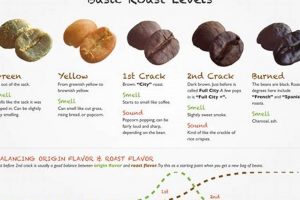
Roasting constitutes a pivotal stage in determining subsequent utility of coffee beans. The process fundamentally alters the bean’s chemical and physical properties, dictating its suitability for diverse applications. The degree of roasting directly influences flavor profile, aroma, and ultimately, the desired outcome for coffee bean utilization.
- Development of Flavor Compounds
The application of heat during roasting initiates the Maillard reaction and caramelization. These chemical processes generate hundreds of volatile organic compounds responsible for coffee’s characteristic flavor and aroma. Light roasts retain higher acidity and brighter flavors, while darker roasts yield bolder, more bitter profiles. The intended use dictates the optimal roast level for desired sensory outcomes.
- Alteration of Bean Structure
Roasting induces expansion and structural changes within the coffee bean. Water loss results in increased porosity, facilitating efficient grinding and extraction. Cell walls become more brittle, easing the release of soluble compounds during brewing. Variations in roasting time and temperature impact the degree of structural alteration, affecting the efficiency of subsequent processes.
- Impact on Caffeine Content
The roasting process subtly reduces caffeine content, albeit minimally. The primary effect is on the perceived intensity of caffeine due to the alteration of flavor profiles. Darker roasts, while potentially having slightly less caffeine, often exhibit a more pronounced bitterness that may amplify the perception of caffeine’s effects. Roast level selection considers the desired stimulating effects alongside flavor preferences.
- Influence on Shelf Life
Roasting impacts the shelf life of coffee beans. The process reduces moisture content, inhibiting microbial growth and enzymatic activity. However, roasted beans are susceptible to oxidation, leading to flavor degradation. Proper storage, including airtight containers and protection from light and heat, is crucial to preserve the quality of roasted beans intended for various uses.
The interplay between roasting parameters and the desired end use of coffee beans underscores the importance of precise control. Whether destined for traditional brewing, culinary applications, or alternative uses, the roasting process fundamentally defines the potential outcomes. Selecting the appropriate roast level is thus a critical decision point in determining “what to do with coffee beans”.
2. Grind

Grinding coffee beans represents a crucial step in maximizing their potential, acting as a catalyst for extracting desirable compounds. The fineness of the grind directly influences the surface area exposed to water during brewing or other applications, impacting extraction efficiency and, consequently, the final product’s flavor and aroma. The appropriate grind size is contingent upon the intended brewing method; for example, a coarse grind is suitable for French presses, while espresso machines require a fine grind. Deviation from the optimal grind size can result in under-extraction, yielding a weak and sour beverage, or over-extraction, producing a bitter and harsh taste. The practical significance of understanding grind size lies in its direct effect on the quality and characteristics of the final product, whether it be a beverage, a culinary ingredient, or an element in a DIY project.
Beyond beverage preparation, the grind size of coffee beans influences other potential uses. For instance, incorporating finely ground beans into a dry rub for meats allows for a more intense coffee flavor infusion compared to using coarsely ground beans. Similarly, when utilizing coffee grounds as a soil amendment, a finer grind may facilitate faster decomposition and nutrient release. The application of coffee grounds in cosmetic preparations, such as exfoliating scrubs, also benefits from a specific grind size to achieve the desired texture and abrasive properties. Incorrectly ground beans can lead to ineffective or even undesirable outcomes in these alternative applications.
In summary, the process of grinding coffee beans is intrinsically linked to “what to do with coffee beans.” The grind size is not merely a preparatory step but a determining factor in the effectiveness of extraction, flavor infusion, and overall utility of the beans in various applications. Overcoming the challenge of achieving a consistent and appropriate grind size is essential for unlocking the full potential of coffee beans and ensuring optimal results in both traditional and unconventional uses. Precise control of this process allows for a tailored approach to utilizing coffee beans in line with specific objectives.
3. Brew

Brewing, the process of extracting soluble compounds from ground coffee beans using water, constitutes the most common application of roasted beans globally. The method fundamentally influences the resultant beverage’s flavor profile, aroma, and strength. The selection of brewing technique is intrinsically linked to the desired sensory characteristics and available equipment. Variations in water temperature, brewing time, and coffee-to-water ratio yield diverse results, demonstrating the breadth of possibilities when considering what to do with coffee beans in this context. Drip coffee makers, French presses, espresso machines, and pour-over methods each extract differently, contributing distinct nuances to the final cup. For example, a French press, utilizing immersion brewing, typically produces a full-bodied coffee with a richer texture compared to the cleaner, brighter cup produced by a pour-over method.
Beyond traditional methods, cold brewing represents an alternative approach that further expands what can be achieved with coffee beans. This immersion technique, utilizing cold water over an extended period, extracts a less acidic and smoother concentrate suitable for dilution. The concentrate can then be used in a variety of applications, including iced coffee, cocktails, or as a flavoring agent in desserts. Another example is Turkish coffee, where finely ground coffee is boiled directly in water, creating a strong and unfiltered beverage. This ancient technique offers a different textural experience and distinct flavor profile compared to filtered brewing methods. The brewing process is not simply a means to an end but rather a central determinant of the beverage’s character and potential uses.
In summation, brewing serves as a pivotal element in the coffee consumption cycle, directly shaping the experience and influencing the perception of the coffee bean itself. Mastering brewing techniques allows for nuanced control over flavor extraction and unlocks a spectrum of possibilities within the scope of what to do with coffee beans. The challenges associated with optimizing brewing parameters, such as water temperature and grind size, are counterbalanced by the rewarding potential to create uniquely tailored coffee experiences. The understanding of brewing methods and their inherent impact on the final product is therefore paramount for any individual seeking to maximize the potential of coffee beans.
4. Compost

Composting represents a sustainable and environmentally conscious approach to managing coffee grounds, a byproduct of brewing, and serves as a practical solution when considering what to do with coffee beans after their primary use. The process transforms organic waste into a valuable soil amendment, diverting material from landfills and enriching soil for agricultural or horticultural purposes.
- Nitrogen Source
Coffee grounds are classified as a “green” composting material, rich in nitrogen. Nitrogen is an essential element for microbial activity within the compost pile, facilitating the decomposition of organic matter. The addition of coffee grounds balances the carbon-to-nitrogen ratio, promoting efficient composting. Without adequate nitrogen, decomposition slows significantly. Coffee grounds, in conjunction with “brown” materials like leaves or shredded paper, create an optimal composting environment.
- Soil Amendment
Composted coffee grounds improve soil structure, water retention, and aeration. The addition of composted material increases the organic matter content, enhancing the soil’s ability to support plant growth. In clay soils, composted coffee grounds help break up compacted particles, improving drainage. In sandy soils, the compost increases water-holding capacity, reducing irrigation needs. These improvements contribute to healthier plant development and increased crop yields.
- Worm Composting (Vermicomposting)
Coffee grounds are a suitable addition to worm composting systems. Worms consume the grounds, accelerating decomposition and producing nutrient-rich castings. These castings are a highly effective soil amendment, containing beneficial microbes and plant nutrients. Vermicomposting with coffee grounds provides a method for individuals in urban environments to manage their coffee waste and create a valuable resource for gardening.
- Acidity Considerations
While coffee grounds are often perceived as acidic, used coffee grounds tend to have a more neutral pH. The brewing process extracts much of the acidic compounds. However, it’s still advisable to balance the addition of coffee grounds with other composting materials to maintain an optimal pH range for microbial activity. Testing the compost’s pH and adjusting the mix accordingly ensures efficient decomposition and prevents potential issues with soil acidity when the compost is applied.
The integration of composting into the lifecycle of coffee beans offers a holistic approach to resource management. By transforming used coffee grounds into a valuable soil amendment, individuals and organizations can minimize environmental impact and contribute to sustainable practices. This application highlights the versatility of coffee beans and provides a practical solution for addressing waste management challenges while simultaneously enriching soil quality for various applications.
5. Deodorize
The capacity of coffee beans to act as a deodorizing agent represents a practical application beyond their culinary use. This capability stems from the beans’ porous structure and inherent chemical properties, enabling them to absorb and neutralize volatile compounds responsible for unpleasant odors.
- Absorption of Odor Molecules
The porous nature of coffee beans, particularly after roasting, provides a large surface area for the adsorption of odor-causing molecules from the surrounding environment. These molecules, often volatile organic compounds (VOCs), become trapped within the bean’s structure, effectively reducing their concentration in the air. This process is analogous to activated charcoal’s use in air filters.
- Neutralization of Malodorous Compounds
In addition to simple absorption, coffee beans can chemically interact with certain odor-causing compounds, neutralizing them through oxidation or other chemical reactions. This process is more pronounced with fresh, unbrewed beans, as they retain a higher concentration of reactive compounds. Examples include the mitigation of odors from refrigerators, freezers, or vehicles.
- Application in Confined Spaces
The deodorizing effect of coffee beans is most evident in enclosed areas, where the concentration of odor molecules is higher. Placing a container of dry coffee beans in a refrigerator, for example, can effectively reduce the smell of decaying food. Similarly, using coffee beans in a closet can help eliminate musty odors. The effectiveness depends on the quantity of beans used and the severity of the odor.
- Reactivation and Disposal Considerations
Over time, coffee beans used for deodorization become saturated with odor molecules, reducing their effectiveness. Reactivation can be attempted by briefly heating the beans in an oven to release the trapped compounds; however, this method is not always successful. Ultimately, the spent coffee beans should be disposed of responsibly, such as through composting, where they can further contribute to soil enrichment.
The deodorizing property of coffee beans highlights their versatility and expands the scope of “what to do with coffee beans.” This application offers a sustainable alternative to synthetic air fresheners and underscores the potential of repurposing this agricultural product beyond its conventional use as a beverage. Further, It aligns with resource conservation principles by extending the useful life of the beans, minimizing waste and contributing to environmentally conscious practices.
6. Exfoliate

The utilization of coffee grounds as an exfoliating agent presents a resourceful application of coffee beans, diverting a byproduct from waste streams and leveraging its inherent properties for skincare.
- Abrasive Action
The slightly coarse texture of used coffee grounds provides a mechanical exfoliating action, removing dead skin cells from the epidermis. This process enhances skin smoothness and promotes cellular turnover. Particle size is a crucial factor; finely ground coffee minimizes the risk of irritation, while coarser grounds offer more aggressive exfoliation. The selection of grind size depends on individual skin sensitivity and desired outcome.
- Antioxidant Properties
Coffee grounds contain antioxidants, such as polyphenols, which contribute to skin health. These compounds help neutralize free radicals, mitigating oxidative stress and potentially reducing the signs of aging. Topical application of coffee grounds may offer protection against environmental damage and promote a more youthful appearance.
- Cellulite Reduction Potential
Caffeine, present in coffee grounds, is theorized to contribute to cellulite reduction by constricting blood vessels and improving circulation. The application of coffee grounds as a scrub may temporarily reduce the appearance of cellulite. However, scientific evidence supporting this claim is limited, and results may vary.
- Preparation and Application Guidelines
To prepare an exfoliating scrub, coffee grounds are typically mixed with a carrier oil, such as coconut oil or olive oil, to create a paste. The mixture is then gently massaged onto the skin in a circular motion, followed by rinsing with water. It is advisable to perform a patch test on a small area of skin before applying the scrub to larger areas to assess for potential allergic reactions or irritation. Frequency of use should be limited to avoid over-exfoliation.
The incorporation of exfoliation into the repertoire of “what to do with coffee beans” demonstrates a practical approach to resource utilization and waste reduction. The inherent properties of coffee grounds lend themselves to skincare applications, offering a sustainable and cost-effective alternative to commercial exfoliating products. Proper preparation and application are crucial for maximizing benefits and minimizing potential adverse effects.
7. Flavor
The connection between flavor and actions taken with coffee beans is fundamental. Actions applied throughout the coffee bean’s lifecycle, from cultivation to preparation, directly influence the final flavor profile. The choices made regarding processing methods (washed, natural, honey), roasting level (light, medium, dark), grinding technique (coarse, fine), and brewing method (drip, French press, espresso) each contribute to distinct flavor characteristics. For instance, a light roast often retains higher acidity and brighter, fruit-forward flavors, while a dark roast develops bolder, more bitter, and smoky notes. Improper processing or storage can lead to flavor defects, highlighting the sensitivity of flavor to external factors. Understanding this cause-and-effect relationship is paramount in determining appropriate uses for coffee beans and achieving desired sensory outcomes. Flavor is the crucial component that decides uses with coffee beans.
Beyond simple beverage preparation, flavor considerations extend to culinary applications. Coffee can be incorporated into dry rubs for meats, imparting smoky and earthy notes that complement savory dishes. Ground coffee can also be used as a flavoring agent in baked goods, adding depth and complexity to chocolate cakes, brownies, and other desserts. The concentration and type of coffee used must be carefully controlled to achieve the desired flavor balance, preventing the coffee from overpowering other ingredients. As an illustration, a dark roast coffee may be too intense for a delicate pastry, while a lighter roast could enhance the flavor of a fruit-based dessert. This careful calibration is crucial when applying coffee in non-traditional culinary contexts.
In conclusion, flavor serves as a central consideration when determining what to do with coffee beans. The actions taken at each stage of the coffee’s journey, from bean to cup (or beyond), fundamentally impact its flavor profile. Recognizing and manipulating these influences allows for targeted utilization, maximizing the potential of coffee beans for both traditional and innovative applications. Challenges associated with achieving consistent flavor quality underscore the need for meticulous attention to detail and continuous refinement of techniques, solidifying flavor as the dominant aspect of any use.
Frequently Asked Questions
This section addresses common inquiries regarding the utilization of coffee beans, encompassing various applications beyond traditional brewing methods.
Question 1: Can coffee beans be used as fertilizer directly on plants?
While coffee grounds can enhance soil quality, direct application of large quantities may negatively affect plant growth due to potential acidity imbalances. Composting the grounds prior to application is recommended to mitigate this risk and provide a more balanced nutrient source.
Question 2: How should coffee beans be stored to maintain freshness and prevent degradation?
Optimal storage involves using airtight containers, shielded from light, heat, and moisture. Exposure to these elements accelerates oxidation, leading to flavor loss and reduced quality. Whole beans retain freshness longer than ground coffee.
Question 3: Are there any safety concerns associated with using coffee grounds in skincare products?
Individuals with sensitive skin should exercise caution, as coffee grounds can be abrasive. A patch test is advisable before applying grounds to larger areas. Avoid contact with eyes, and discontinue use if irritation occurs. Pre-existing skin conditions may be exacerbated by the abrasive nature of coffee grounds.
Question 4: Can coffee beans be used to deter pests other than slugs and snails?
Anecdotal evidence suggests that coffee grounds may deter certain insects and animals due to their strong aroma and caffeine content. However, effectiveness varies depending on the specific pest and environmental conditions. Scientific validation for widespread pest deterrence is limited.
Question 5: Is there a limit to the amount of coffee grounds that can be added to a compost pile?
Coffee grounds should constitute a balanced portion of the compost mix, alongside “brown” materials like leaves and shredded paper. Excessive amounts of coffee grounds can disrupt the carbon-to-nitrogen ratio, potentially slowing decomposition. Monitoring the compost’s temperature and moisture levels is crucial for maintaining optimal conditions.
Question 6: Can roasted coffee beans be re-roasted to enhance flavor?
Re-roasting is generally not recommended, as it can lead to uneven roasting and the development of undesirable flavors. The initial roasting process establishes the bean’s optimal flavor profile. Attempting to re-roast often results in burnt or bitter tastes.
Proper utilization of coffee beans extends beyond consumption and includes consideration of sustainable practices and potential risks. Understanding the properties of coffee beans and grounds allows for informed decisions regarding their diverse applications.
The following section will summarize the diverse applications of coffee beans and offer concluding remarks on their overall significance.
What to Do with Coffee Beans
The preceding analysis has explored the multifaceted applications of coffee beans, extending beyond traditional beverage preparation to encompass culinary, horticultural, and environmental domains. The efficacy of these diverse uses is contingent upon a comprehensive understanding of the bean’s chemical and physical properties, as well as the careful application of appropriate techniques. From flavor enhancement to waste reduction, the potential of coffee beans lies in their versatile nature and adaptability.
Effective utilization of this valuable resource necessitates a commitment to sustainable practices and informed decision-making. Recognizing the diverse potential of coffee beans encourages innovation and responsibility, minimizing environmental impact and maximizing the value derived from this agricultural product. Continued exploration and refinement of these applications will further solidify the importance of coffee beans in various sectors, thereby enriching our understanding of their significance.