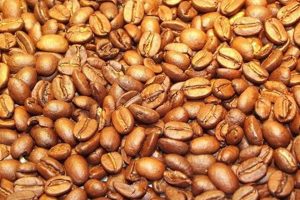
The reference to potent coffee varieties typically alludes to beans possessing a higher concentration of caffeine. These are often sought by individuals requiring a significant stimulant effect, either for increased alertness, improved focus, or to combat fatigue. An example would be robusta beans, generally recognized for their higher caffeine content compared to arabica beans.
The demand for coffee varieties with notable stimulant properties stems from their utility in enhancing productivity and cognitive function. Historically, such beans have been utilized in settings where extended periods of wakefulness are required, such as long-distance transportation or demanding work environments. The benefits include heightened alertness and reduced feelings of drowsiness, though potential drawbacks such as increased anxiety and sleep disruption should be considered.
The following sections will delve into the factors contributing to varying stimulant levels in coffee beans, exploring specific bean types known for their potency, and discussing the proper methods for brewing to maximize the desired effect while mitigating potential negative consequences.
Tips for Maximizing Stimulant Effect from High-Caffeine Coffee Varieties
To harness the desired benefits associated with coffee beans known for their elevated caffeine content, several factors merit consideration. Proper preparation and consumption methods are crucial for optimizing the stimulant effect while minimizing potential adverse reactions.
Tip 1: Select the Appropriate Roast: Lighter roasts generally retain a higher caffeine concentration compared to darker roasts. The roasting process can slightly reduce caffeine levels; therefore, a lighter roast may yield a more potent beverage.
Tip 2: Grind Freshly Before Brewing: Grinding beans immediately prior to brewing preserves the volatile compounds and caffeine, resulting in a more flavorful and stimulating cup of coffee. Pre-ground coffee tends to lose its potency over time.
Tip 3: Optimize the Coffee-to-Water Ratio: A higher coffee-to-water ratio will naturally result in a more concentrated beverage. Experiment with different ratios to find the optimal balance between strength and taste preferences. A general guideline is two tablespoons of ground coffee per six ounces of water.
Tip 4: Choose an Appropriate Brewing Method: Brewing methods such as French press or espresso tend to extract more caffeine compared to drip coffee. Consider the brewing method’s impact on extraction efficiency when seeking a potent brew.
Tip 5: Monitor Consumption Frequency and Timing: Consuming coffee in moderation and strategically timing intake can help maximize its benefits. Avoid excessive consumption, especially later in the day, to prevent sleep disturbances. Consuming during natural dips in energy may be beneficial.
Tip 6: Hydrate Adequately: Coffee can have a diuretic effect, leading to dehydration. Ensure adequate water intake throughout the day to mitigate potential negative side effects.
By carefully selecting roast levels, employing fresh grinding techniques, optimizing the coffee-to-water ratio, choosing appropriate brewing methods, and monitoring consumption habits, one can effectively harness the stimulant properties of high-caffeine coffee varieties while minimizing potential downsides.
The following section will provide a comparative analysis of different coffee bean varieties recognized for their stimulant characteristics, offering a detailed examination of their origins, flavor profiles, and caffeine content.
1. Caffeine Content

Caffeine content serves as a primary determinant in classifying coffee beans by their stimulant potency. A higher caffeine concentration directly correlates with a more pronounced physiological effect, impacting alertness, focus, and energy levels. The correlation between caffeine quantity and subjective perception of “strength” is undeniable, making it a critical factor in consumer preference and product marketing. For instance, Robusta beans, known for their elevated caffeine levels, are frequently utilized in blends specifically marketed for their invigorating properties, often targeted at consumers seeking a robust jolt.
The importance of caffeine content extends beyond subjective perception, impacting physiological responses. The ingestion of caffeine triggers a cascade of effects on the central nervous system, including the blockage of adenosine receptors, which promotes wakefulness. However, individual tolerance to caffeine varies, influencing the intensity and duration of these effects. Understanding the caffeine content of a particular coffee bean enables informed consumption, allowing individuals to tailor their intake to achieve the desired stimulant benefits while mitigating potential negative side effects such as anxiety or insomnia.
In summary, caffeine content plays an integral role in defining coffee bean stimulant strength. Its measurable impact on alertness, coupled with consumer demand for invigorating beverages, solidifies its importance. Recognizing this connection allows for optimized utilization, promoting both desired physiological effects and responsible consumption habits.
2. Bean Variety
The inherent characteristics of different coffee bean varieties significantly influence their overall stimulant potency, directly contributing to the perceived “strength” of the resulting brew. Variation in chemical composition, particularly caffeine content, distinguishes one variety from another and dictates its impact on the consumer.
- Robusta vs. Arabica
Robusta beans are generally recognized for their higher caffeine content compared to Arabica beans. This inherent difference translates to a more pronounced stimulant effect when consuming Robusta. For example, a cup of Robusta coffee may contain twice the caffeine of a comparable cup brewed with Arabica beans. This distinction is crucial for individuals seeking a significant energy boost.
- Species-Specific Chemical Composition
Beyond the broad Robusta/Arabica classification, variations exist even within a single species. Cultivar selection and growing conditions influence the production of caffeine and other stimulant compounds. Certain heirloom varieties of Robusta, for instance, may exhibit significantly higher caffeine levels than commercially cultivated strains. This reflects the complex interplay of genetics and environmental factors.
- Acidity and Perceived Strength
While not directly related to caffeine content, the acidity of a bean can influence the perceived strength of the coffee. Higher acidity levels can contribute to a sharper, more intense flavor profile, which some consumers interpret as an indication of increased potency. Arabica beans tend to have higher acidity than Robusta, influencing the overall sensory experience.
- Impact on Blends
The selection of bean varieties plays a critical role in coffee blends. By combining beans with varying caffeine levels and flavor profiles, roasters can create balanced beverages with specific stimulant characteristics. Blending Robusta beans with Arabica, for example, can increase the overall caffeine content while maintaining a desirable flavor profile.
In summation, the choice of bean variety is a fundamental determinant of a coffee’s stimulant strength. The selection should align with the desired effect, considering factors beyond caffeine alone. By understanding the inherent characteristics of different bean types, consumers can make informed choices to achieve the desired level of stimulation while appreciating the nuanced flavors coffee offers.
3. Roasting Profile

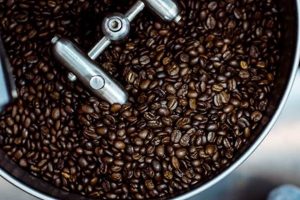
The roasting profile represents a crucial determinant in modulating the stimulant properties of coffee beans, including varieties considered the most potent. The degree and duration of roasting directly influence the bean’s chemical composition, impacting the concentration of caffeine and other compounds responsible for its stimulating effect.
- Caffeine Degradation
Prolonged roasting at high temperatures can lead to a reduction in caffeine content due to sublimation. While the effect is relatively minor compared to other chemical transformations, darker roasts, characterized by extended roasting times, will typically exhibit a slightly lower caffeine concentration than lighter roasts of the same bean variety. For example, a French roast will generally contain less caffeine than a cinnamon roast derived from identical green beans.
- Development of Chlorogenic Acids
Roasting significantly alters chlorogenic acids, a family of antioxidant compounds present in green coffee beans. These acids contribute to the overall flavor profile and may have indirect effects on the perceived strength of the coffee. Light roasts retain a higher concentration of chlorogenic acids, resulting in a more acidic flavor that some consumers perceive as sharper and more invigorating. Darker roasts, on the other hand, tend to have lower levels of these acids, resulting in a smoother, less acidic cup.
- Formation of Volatile Compounds
The roasting process generates a wide array of volatile compounds responsible for coffee’s characteristic aroma and flavor. Some of these compounds can interact with the central nervous system, potentially influencing the subjective experience of stimulation. For instance, certain aromatic compounds may have mildly stimulating effects, complementing the primary action of caffeine. The specific profile of volatile compounds varies significantly depending on the roasting degree, impacting the overall sensory and physiological impact of the beverage.
- Body and Mouthfeel Alterations
The roasting profile dramatically changes the physical structure of the coffee bean. Lighter roasts tend to retain more density, resulting in a lighter body and mouthfeel. Darker roasts, in contrast, become more porous and brittle, leading to a fuller body and smoother mouthfeel. While not directly related to caffeine content, these changes in physical properties can influence the perceived strength and intensity of the coffee, contributing to the overall experience of stimulation and satisfaction.
In conclusion, the roasting profile exerts a multifaceted influence on the stimulant properties of coffee beans. From modulating caffeine degradation to altering the composition of flavor compounds, the roasting process significantly shapes the final sensory and physiological impact of the beverage. By carefully controlling the roasting parameters, roasters can tailor the strength and character of their coffee to meet the diverse preferences of consumers seeking a stimulating and flavorful experience.
4. Brewing Method
The selection of a brewing method significantly influences the extraction efficiency of caffeine and other stimulating compounds from coffee beans. Certain techniques are more effective at drawing out these components, thereby maximizing the potential stimulant effect, particularly when utilizing coffee beans already possessing high caffeine content. The effectiveness of extraction is determined by factors such as water temperature, contact time, and pressure. For instance, immersion methods, where coffee grounds remain in prolonged contact with water, generally extract a greater quantity of caffeine compared to methods involving brief contact. A real-world example is the difference in caffeine yield between cold brew (long immersion) and drip coffee (short contact time) using the same bean type.
Espresso, characterized by its use of pressurized hot water forced through finely ground coffee, provides another example of efficient caffeine extraction. This method produces a concentrated brew with a relatively high caffeine content per volume, making it a popular choice for individuals seeking a quick and potent stimulant effect. Conversely, methods like drip coffee, while convenient, may result in less complete extraction, leaving behind a portion of the caffeine within the grounds. Consequently, the perceived strength of the coffee can vary significantly based solely on the chosen brewing technique, independent of the bean variety itself. Understanding this relationship enables a tailored approach to coffee preparation, aligning brewing methods with desired stimulant levels.
In conclusion, the brewing method represents a critical variable in the expression of the stimulant potential inherent in coffee beans. Extraction efficiency, influenced by temperature, contact time, and pressure, dictates the final caffeine concentration of the beverage. Selecting an appropriate brewing technique is therefore paramount in maximizing the perceived and actual strength of coffee, particularly when employing bean varieties renowned for their high stimulant properties. Overlooking this aspect can lead to a discrepancy between the expected and realized effects, emphasizing the need for a comprehensive understanding of the brewing process.
5. Serving Size

The effect of “serving size” on the perceived and actual potency of a coffee prepared with a high-caffeine bean is direct and consequential. Even using the “strongest coffee bean”, the total stimulant effect experienced by an individual is fundamentally limited by the volume consumed. A small serving, irrespective of the bean’s inherent strength, will deliver a lesser dose of caffeine than a larger serving of the same brew. This relationship is not merely additive; individual sensitivity to caffeine, existing tolerance levels, and metabolic factors all interact with the serving size to determine the ultimate impact.
Consider a scenario where an individual regularly consumes 16 ounces of standard coffee. Transitioning to an eight-ounce serving prepared with a bean known for its elevated caffeine content may not necessarily produce a more pronounced effect, despite the enhanced potency of the bean. This is because the total caffeine intake remains similar, or potentially even lower, than their habitual consumption. Conversely, doubling the serving size of such a potent coffee, without adjusting for the increased caffeine, can lead to unintended consequences, such as heightened anxiety, insomnia, or other adverse effects associated with excessive caffeine intake. Therefore, controlling serving size becomes a critical component in managing the overall strength and intended effect of the coffee.
In summary, while selecting a high-caffeine bean significantly contributes to the potential strength of a coffee, serving size dictates the ultimate delivered dose and experienced effect. The interplay between these two factors necessitates a balanced approach. Individuals must carefully consider their personal tolerance, desired level of stimulation, and potential risks before adjusting either the bean selection or the serving size. Failure to account for this interaction can result in either an underwhelming or an overwhelming stimulant response, highlighting the practical significance of understanding this relationship.
Frequently Asked Questions about Potent Coffee Varieties
The following section addresses common inquiries regarding high-caffeine coffee beans, offering factual information and clarifying frequent misconceptions.
Question 1: Are “strongest coffee bean” varieties universally stronger for all individuals?
Individual responses to caffeine vary significantly based on factors such as body weight, metabolism, and tolerance. Therefore, a bean considered potent may not elicit the same effect across different individuals.
Question 2: Does the term “strongest coffee bean” solely refer to caffeine content?
While caffeine content is a primary factor, other elements contribute to the perceived strength, including acidity, aroma, and the presence of other stimulating compounds. A comprehensive assessment considers all these aspects.
Question 3: Is it safe to consume coffee made from “strongest coffee bean” varieties daily?
Daily consumption is generally considered safe in moderation for most adults. However, excessive intake can lead to adverse effects, including anxiety, insomnia, and digestive issues. Individual tolerance and health conditions should be considered.
Question 4: Will all “strongest coffee bean” varieties taste the same?
No. Different bean varieties possess unique flavor profiles, even those with high caffeine levels. Roasting and brewing methods further influence the final taste, resulting in a wide range of sensory experiences.
Question 5: Does decaffeination eliminate the “strength” of the “strongest coffee bean”?
Decaffeination removes a significant portion of the caffeine, thereby reducing the stimulant effect. However, other compounds that contribute to the perceived strength may still be present, although in diminished quantities.
Question 6: Can “strongest coffee bean” varieties be mixed with other types of beans?
Blending is a common practice to achieve a desired balance of flavor and stimulant effects. Combining high-caffeine beans with others can create nuanced and complex beverages tailored to specific preferences.
In summary, the term “strongest coffee bean” is subject to various interpretations and influenced by individual factors. Informed consumption requires consideration of caffeine content, individual tolerance, and potential health effects.
The next section provides guidance on selecting and purchasing potent coffee varieties, offering advice on identifying reliable sources and assessing product quality.
strongest coffee bean Conclusion
The investigation into beans with elevated stimulant potential has revealed a complex interplay of factors beyond mere caffeine content. Bean variety, roasting profile, brewing method, and serving size all contribute significantly to the final experience. Understanding these elements enables a more informed approach to selection and consumption, allowing individuals to tailor their coffee intake to meet specific needs and preferences. The pursuit of the “strongest coffee bean” is, therefore, not simply a search for the highest caffeine concentration, but rather a nuanced exploration of how various factors interact to produce a desired effect.
As research continues to uncover the intricate relationship between coffee, its chemical constituents, and human physiology, further insights into optimizing its stimulant benefits will undoubtedly emerge. The ongoing development of new coffee varieties and brewing techniques promises even greater control over the stimulant properties of this globally consumed beverage. Responsible and informed consumption remains paramount, ensuring that the pursuit of a potent cup does not come at the expense of individual health and well-being. The focus should be not merely on strength, but on a balanced and sustainable approach to enjoying coffee’s unique benefits.