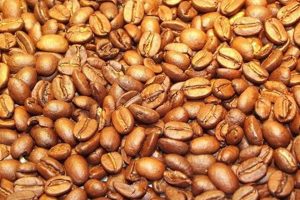
The seeds of the coffee plant and the cacao tree, while both ultimately contributing to popular beverages and confections, differ significantly in origin, processing, and chemical composition. One yields a stimulant-rich drink, while the other is the base for chocolate.
These distinct agricultural products have played important roles in global trade and cultural practices for centuries. The stimulating properties of one have fueled productivity and social gatherings, while the other has been associated with luxury, celebration, and even medicinal purposes. Understanding their disparate histories and uses provides insight into the global economy and human preferences.
The following sections will delve into the botanical origins, cultivation, processing methods, and the distinct chemical profiles that differentiate these two globally traded commodities. This will provide a comprehensive understanding of their individual characteristics and uses.
To effectively differentiate between the seeds derived from the coffee plant and the cacao tree, a multi-faceted approach considering origin, processing, and chemical composition is essential.
Tip 1: Botanical Identification. Understanding that one comes from the Coffea species and the other from the Theobroma cacao tree is the initial step. Observe the plant’s morphology; coffee plants are shrubs or small trees with glossy leaves, while cacao trees are tropical evergreens with large, ribbed leaves.
Tip 2: Origin Tracing. Investigate the geographical origin. Arabica coffee beans typically hail from higher altitudes in regions like Ethiopia and Latin America, whereas cacao thrives in the humid tropics of West Africa, Southeast Asia, and South America.
Tip 3: Processing Method Analysis. Differentiate based on processing. Coffee beans undergo wet, dry, or honey processing to remove the outer layers. Cacao beans are fermented and dried, a process crucial for flavor development.
Tip 4: Visual Inspection. Examine the appearance. Unroasted seeds from one plant are typically green to yellowish-brown, while the others are typically purple to brown. The roasted forms also exhibit distinct shades and textures.
Tip 5: Chemical Composition Awareness. Recognize the key chemical differences. The seeds from one plant are significantly higher in caffeine, while the other contains theobromine and antioxidants like flavonoids.
Tip 6: Flavor Profile Consideration. Understand the flavor attributes. One often exhibits a range of flavors from bright and acidic to rich and nutty, while the other, after processing, develops chocolatey, bitter, and fruity notes.
Tip 7: End-Use Evaluation. Consider the typical end use. While both can be ingredients in complex products, one is primarily used for beverages, and the other is the foundation for chocolate and related confectionery.
Applying these tips allows for a systematic differentiation between these two agriculturally significant seeds, moving beyond simple assumptions based on familiarity with the end products.
The subsequent sections will explore specific applications and considerations for each of these distinct commodities, building upon this foundational understanding.
1. Botanical Origin
The botanical origin is a fundamental differentiating factor between the seeds of the coffee plant and the cacao tree, impacting cultivation, processing, and ultimately, the characteristics of the final product. Understanding the distinct species and their native environments is critical to appreciating the nuances of each.
- Species and Genus
Coffee beans originate from the Coffea genus, primarily Coffea arabica and Coffea robusta species. Cocoa beans, conversely, derive from the Theobroma cacao tree. The genetic differences dictate plant morphology, resistance to diseases, and chemical composition, including the levels of caffeine or theobromine, respectively.
- Native Habitat and Climate
Coffee plants thrive in subtropical and tropical highlands, typically requiring well-drained soil and moderate temperatures. Coffea arabica prefers higher altitudes. Cacao trees, on the other hand, are native to the humid tropics of Central and South America, necessitating high rainfall, consistent warmth, and shade for optimal growth.
- Cultivation Requirements
Coffee cultivation often involves shade management, pruning, and careful harvesting of the ripe cherries. Cacao cultivation requires similar attention to shade, pest control, and the precise timing of pod harvesting to ensure bean quality. The distinct environmental needs influence farming practices and regional suitability.
- Impact on Bean Characteristics
The specific Coffea species and the Theobroma cacao variety, combined with environmental factors, directly influence bean size, density, and chemical composition. This results in variations in flavor precursors, acidity, and aromatic compounds, which are further developed during processing.
The inherent characteristics imparted by botanical origin establish the foundation for the subsequent steps in the journey from plant to final product. Recognizing these fundamental differences allows for a more informed appreciation of the distinct qualities and uses of each.
2. Processing Methods

Processing methods represent a critical juncture in the transformation of raw agricultural products into consumable goods, fundamentally shaping the characteristics that differentiate coffee beans and cocoa beans. These methods, applied post-harvest, are not merely steps in a production line, but rather deliberate interventions that unlock flavor potential and ensure product stability. The specific techniques employed for each bean type reflect their distinct botanical compositions and intended uses, leading to markedly different outcomes in terms of taste, aroma, and texture.
Coffee processing, for instance, encompasses techniques such as wet processing (washing), dry processing (natural), and honey processing (pulped natural). Wet processing removes the outer layers of the coffee cherry before drying, generally resulting in a cleaner, brighter cup profile. Dry processing, conversely, dries the entire cherry, leading to a fruitier, often more complex flavor. Cocoa bean processing, conversely, centers on fermentation and drying. Fermentation, a crucial step often performed in heaps or boxes, reduces bitterness and develops flavor precursors. Drying then stabilizes the beans and further refines flavor. The success of these stages significantly impacts the final chocolate product; improper fermentation can lead to off-flavors, while inadequate drying can promote mold growth.
In summary, processing methods exert a profound influence on the quality and characteristics of both coffee beans and cocoa beans. The selection and execution of these methods are integral to achieving desired flavor profiles and ensuring product integrity. Understanding these processes is thus essential for both producers aiming to optimize their output and consumers seeking to appreciate the nuances of their beverages and confections.
3. Chemical Composition

The chemical composition represents a pivotal distinction between the seeds of the coffee plant and the cacao tree. These inherent chemical differences dictate flavor profiles, physiological effects, and influence processing requirements and end-use applications. A detailed examination of the key chemical constituents illuminates the unique attributes of each.
- Alkaloids: Caffeine vs. Theobromine
Coffee beans are characterized by a high concentration of caffeine, a potent stimulant affecting the central nervous system. Cocoa beans, in contrast, contain theobromine, a related alkaloid with a milder stimulating effect and longer half-life. The presence and concentration of these alkaloids significantly contribute to the distinct physiological impacts of coffee and chocolate consumption.
- Polyphenols and Antioxidants
Both contain polyphenols, including flavonoids, which exhibit antioxidant properties. However, the specific types and concentrations of these compounds differ. Cocoa beans are particularly rich in flavanols like epicatechin, associated with potential cardiovascular benefits. Coffee beans contain chlorogenic acids, which can influence glucose metabolism. These varying antioxidant profiles contribute to distinct health attributes associated with each.
- Lipids and Fatty Acids
Both contain fats, but the lipid profiles differ. Cocoa beans have a higher fat content, primarily cocoa butter, which contributes to the texture and mouthfeel of chocolate. Coffee beans contain smaller amounts of lipids, which can influence aroma and flavor development during roasting. The differences in lipid composition impact both sensory qualities and potential caloric content.
- Sugars and Acids
The types and concentrations of sugars and acids also vary. Coffee beans contain chlorogenic acids that contribute to acidity and perceived brightness. Cocoa beans contain sugars that are metabolized during fermentation, contributing to flavor development. These variations influence the overall taste profile, ranging from the acidity of coffee to the sweetness and bitterness of chocolate.
In summary, the chemical composition of coffee and cocoa beans provides a comprehensive understanding of their distinct qualities. From the stimulating effects of caffeine in coffee to the antioxidant-rich profile of cocoa, these chemical differences dictate the unique characteristics that define each commodity and their respective roles in global consumption.
4. Flavor Profiles

The flavor profiles associated with the seeds of the coffee plant and the cacao tree represent a key point of divergence, fundamentally shaping their respective roles in culinary applications. These profiles are a complex interplay of inherent chemical compounds, influenced by both botanical origin and post-harvest processing.
- Aromatic Compounds: Volatile Signatures
Coffee beans, upon roasting, develop hundreds of volatile aromatic compounds, contributing to a diverse range of flavors including fruity, floral, nutty, and caramel notes. Conversely, cocoa beans, following fermentation and roasting, generate flavor compounds characterized by chocolatey, roasty, and sometimes fruity or spicy nuances. The specific combinations and concentrations of these volatiles dictate the distinct aromatic signatures of each.
- Acidity and Bitterness: Balancing Sensations
Coffee often exhibits varying degrees of acidity, influenced by factors such as bean origin and roast level, contributing to a perception of brightness and complexity. Cocoa beans, while also containing acids, are primarily characterized by bitterness derived from compounds like polyphenols. The fermentation process aims to reduce excessive bitterness, allowing for a more balanced flavor profile in the final chocolate product.
- Body and Mouthfeel: Textural Dimensions
Coffee’s body, or mouthfeel, can range from light and delicate to full and creamy, influenced by lipid content and brewing method. Cocoa butter, present in significant quantities in cocoa beans, imparts a smooth, melting texture to chocolate, contributing significantly to its luxurious mouthfeel. The textural differences further distinguish the sensory experience of consuming coffee versus chocolate.
- Impact of Roast Level: Flavor Development
Roasting significantly transforms the flavor profiles of both. Lighter coffee roasts tend to retain more of the origin characteristics, showcasing acidity and subtle flavors. Darker roasts develop bolder, more pronounced flavors, often with smoky or bitter notes. Similarly, roasting of cocoa beans develops the characteristic chocolate flavor, with the intensity dependent on roast duration and temperature. The roast level is a critical control point in shaping the final flavor profile of both.
The distinct flavor profiles, shaped by aromatic compounds, acidity, bitterness, mouthfeel, and the impact of roasting, definitively separate coffee beans and cocoa beans in the realm of culinary arts. These differences dictate their applications, ranging from invigorating beverages to decadent confections, highlighting the profound impact of flavor chemistry on consumer preferences and product development.
5. Primary Uses

The divergent primary uses of coffee beans and cocoa beans are a direct consequence of their distinct chemical compositions, flavor profiles, and processing requirements. These uses extend beyond simple consumption, encompassing cultural practices, economic activities, and industrial applications. Understanding these primary uses provides insight into their individual significance and impact on global markets.
- Coffee: The Stimulant Beverage Industry
The primary use of coffee beans lies in the production of brewed beverages consumed globally for their stimulating effects. Caffeine, a key component, acts as a central nervous system stimulant, enhancing alertness and reducing fatigue. Examples include espresso-based drinks, drip coffee, and instant coffee products. The coffee industry supports a vast network of growers, processors, distributors, and retailers worldwide, contributing significantly to the economies of coffee-producing nations.
- Cocoa: The Foundation of Chocolate and Confectionery
Cocoa beans serve as the fundamental ingredient in chocolate and related confectionery products. Fermentation and processing transform raw cocoa beans into cocoa liquor, cocoa butter, and cocoa solids, which are then combined with sugar and other ingredients to create various chocolate forms. The confectionery industry relies heavily on cocoa beans, supporting extensive agricultural and manufacturing sectors. The unique taste and textural properties of chocolate have established it as a globally recognized and consumed treat.
- Flavoring Agents and Ingredients
Both can be utilized as flavoring agents in diverse culinary applications. Coffee extracts and powders enhance the flavor of desserts, baked goods, and savory dishes. Similarly, cocoa powder and chocolate are incorporated into a wide array of recipes to impart rich chocolate notes. These applications extend beyond their primary uses, showcasing their versatility as ingredients in both home cooking and industrial food production.
- Cosmetics and Other Industries
Beyond food and beverage, both possess applications in cosmetics and other industries. Coffee extracts are sometimes used in skincare products for their antioxidant properties. Cocoa butter, owing to its emollient properties, is a common ingredient in lotions and lip balms. These secondary uses, while less prominent than their primary applications, highlight the diverse potential of these agricultural commodities.
In summary, the primary uses delineate a clear distinction: coffee beans primarily fuel the global beverage industry, providing stimulation and social ritual, while cocoa beans underpin the chocolate and confectionery sectors, satisfying a global craving for sweetness and indulgence. While both have found secondary applications in other industries, their dominant roles remain firmly rooted in their respective culinary contributions.
6. Global Trade

The global trade of coffee beans and cocoa beans represents a significant segment of the international agricultural market, influencing economies, shaping consumer trends, and connecting diverse cultures. The demand for these commodities drives complex supply chains spanning continents, from smallholder farms in developing nations to multinational corporations distributing finished products. Fluctuations in global trade directly impact both the producers and consumers, highlighting the interconnectedness of the market.
For coffee, countries like Brazil, Vietnam, and Colombia are major exporters, supplying the global demand for various coffee types. Similarly, West African nations, particularly Cte d’Ivoire and Ghana, dominate cocoa bean production, forming the backbone of the global chocolate industry. International trade agreements, commodity exchanges, and consumer preferences influence the prices, quality standards, and sustainability practices within these supply chains. Disruptions due to climate change, political instability, or logistical challenges can significantly impact the availability and cost of these goods worldwide. The ethical considerations surrounding fair trade practices and environmental sustainability are also integral to the modern discussion of this commodity trade.
In conclusion, the global trade of coffee beans and cocoa beans extends beyond simple economic exchange. It embodies complex socio-economic relationships, environmental considerations, and consumer preferences that collectively shape the international landscape. A thorough understanding of these dynamics is crucial for policymakers, businesses, and consumers alike to navigate this multifaceted sector responsibly and sustainably.
Frequently Asked Questions
The following section addresses common inquiries concerning the differentiating characteristics and uses of coffee and cocoa beans. These responses aim to provide clarity and accurate information regarding these distinct agricultural commodities.
Question 1: Is the caffeine content in coffee beans significantly higher than the theobromine content in cocoa beans?
Indeed, coffee beans generally contain a substantially higher concentration of caffeine compared to theobromine levels found in cocoa beans. This difference in alkaloid concentration contributes to the distinct stimulating effects associated with coffee consumption.
Question 2: Do the seeds from both plants undergo fermentation as part of their standard processing?
Fermentation is a critical step in cocoa bean processing, essential for flavor development. Coffee beans, however, may or may not undergo fermentation, depending on the chosen processing method (e.g., wet-processed vs. dry-processed).
Question 3: Are there notable differences in the antioxidant profiles of these two types of agricultural product?
Both are sources of antioxidants, but the specific types and concentrations differ. Cocoa beans are particularly rich in flavanols, whereas coffee beans contain significant amounts of chlorogenic acids. These varying antioxidant profiles may contribute to distinct health-related effects.
Question 4: What role does roasting play in developing the flavor profiles of each?
Roasting is crucial for developing the characteristic flavors of both. It initiates complex chemical reactions that produce aromatic compounds, altering the initial taste and aroma profiles significantly. The degree of roasting influences the final flavor outcome.
Question 5: Does the fat content of the seeds from the coffee plant differ significantly from that of the seeds from the cacao tree?
Yes, cocoa beans possess a substantially higher fat content, primarily in the form of cocoa butter, compared to coffee beans. This higher fat content contributes to the texture and mouthfeel of chocolate products.
Question 6: Are there notable differences in the sustainability challenges associated with the cultivation of each crop?
Both face sustainability challenges. Coffee cultivation can be linked to deforestation and water usage concerns, while cocoa production has been associated with issues such as child labor and deforestation. Sustainable sourcing initiatives aim to address these challenges in both industries.
These FAQs highlight the essential differences and similarities between these agricultural commodities. A thorough understanding of these points can inform consumer choices and promote responsible sourcing practices.
This information establishes a clear foundation for further exploration into the specific economic and environmental considerations surrounding the global trade of these commodities.
Concluding Observations
This exploration has elucidated the fundamental differences between coffee beans and cocoa beans, underscoring their distinct botanical origins, processing methodologies, chemical compositions, flavor profiles, primary uses, and positions within global trade. The seeds from the coffee plant provide stimulation and form the basis of a global beverage industry, while the seeds from the cacao tree provide the foundation for chocolate and related confections. Understanding these divergent characteristics is essential for informed consumption, sustainable sourcing, and responsible participation in related industries.
Continued research and ethical considerations surrounding both agricultural commodities are paramount. Further investigation into sustainable farming practices, fair trade initiatives, and the long-term impacts of climate change on both coffee and cocoa production will be vital in ensuring the continued availability and responsible enjoyment of these globally significant products. The future of coffee and chocolate depends on informed decisions and a commitment to sustainable practices throughout the entire supply chain.