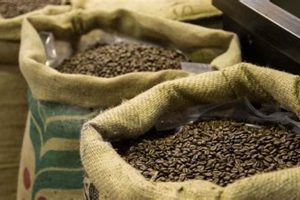
The optimal choice of coffee beans significantly impacts the quality of the final brew when using a French press. Factors such as bean origin, roast level, and grind size collectively determine the flavor profile and overall experience. Selecting appropriately ensures a full-bodied, rich cup of coffee, maximizing the potential of the brewing method. For example, a coarser grind and a medium-dark roast often complement the French press’s immersion style, preventing sediment and extracting desirable flavors.
Employing carefully selected coffee beans enhances the extraction process, yielding a more flavorful and aromatic beverage. Historically, discerning coffee consumers have recognized the synergy between the bean and the brewing technique. The right selection minimizes bitterness and maximizes sweetness and complexity. Furthermore, this focus on quality elevates the daily ritual of coffee consumption, transforming it into a more satisfying and nuanced experience. Choosing wisely directly translates to a better-tasting cup, enabling one to fully appreciate the subtle characteristics of the bean.
Considering these factors, the subsequent discussion will delve into specific bean characteristics that excel in the French press, exploring different origins, roast profiles, and practical tips for achieving the perfect cup. This exploration will cover aspects such as grind size considerations and brewing techniques, to ensure optimal results when creating this particular coffee preparation.
Optimizing French Press Coffee with Superior Beans
Maximizing the potential of a French press requires a strategic approach to bean selection and preparation. These guidelines aim to provide practical advice for achieving a consistently high-quality brew.
Tip 1: Select Whole Bean Coffee: Purchasing whole bean coffee and grinding it immediately before brewing preserves the volatile aromatic compounds, resulting in a more flavorful and complex cup.
Tip 2: Employ a Coarse Grind: A coarse grind, similar in texture to sea salt, is crucial for French press brewing. Finer grinds can pass through the filter, leading to a muddy and bitter taste.
Tip 3: Prioritize Freshly Roasted Beans: Coffee beans degrade over time, losing their flavor and aroma. Opt for beans roasted within the last two weeks for optimal results.
Tip 4: Experiment with Roast Levels: Medium to dark roasts generally perform well in a French press, providing a balance of body and flavor. Lighter roasts can also be used, but may require adjustments to the brewing process.
Tip 5: Consider Origin Characteristics: Different coffee origins offer distinct flavor profiles. For instance, Sumatran beans often exhibit earthy notes, while Ethiopian beans are known for their fruity and floral characteristics. Experiment to find a preference.
Tip 6: Pre-Infuse the Grounds: Before the main brewing process, saturate the grounds with a small amount of hot water (approximately twice the weight of the coffee) and allow it to bloom for 30 seconds. This process degasses the coffee and enhances flavor extraction.
Tip 7: Adhere to Recommended Brew Ratios: A general guideline is a 1:15 coffee-to-water ratio (e.g., 1 gram of coffee for every 15 grams of water). Adjust this ratio to suit personal preference.
By following these guidelines, individuals can elevate the French press coffee experience, consistently producing a rich and satisfying beverage.
The subsequent section will discuss specific bean recommendations and explore advanced brewing techniques to further refine the French press process.
1. Roast Level

Roast level is a critical determinant of flavor extraction and overall beverage quality when employing a French press. The degree to which coffee beans are roasted directly influences their solubility, aromatic profile, and structural integrity, all of which impact the final cup. Lighter roasts, characterized by higher acidity and brighter flavor notes, require careful handling in the French press to avoid under-extraction, resulting in a sour or weak-tasting brew. Conversely, darker roasts, distinguished by their lower acidity and bolder, often smoky or chocolatey flavors, are more forgiving in the French press environment. However, excessive roast development can lead to an overly bitter or ashy taste if the brewing process is not precisely controlled. For example, a medium-dark roast like a Vienna or Full City offers a balance that typically performs well in a French press, providing both sufficient body and desirable flavor complexity.
The selection of roast level should also consider the bean’s origin. A high-quality Ethiopian Yirgacheffe, known for its delicate floral and citrus notes, might benefit from a lighter roast to preserve its unique characteristics. In contrast, a robust Sumatran Mandheling, prized for its earthy and full-bodied profile, could be enhanced by a medium-dark roast. Furthermore, the oil content that surfaces during roasting also plays a role. Darker roasts tend to release more oils, which can contribute to a richer mouthfeel but also increase the potential for sediment passing through the French press filter. Understanding these interactions allows for informed decision-making when choosing beans tailored to one’s specific taste preferences.
In summary, the interplay between roast level and French press brewing is nuanced, requiring careful consideration of bean origin, desired flavor profile, and potential challenges related to extraction and sediment. While general guidelines suggest medium to dark roasts as a safe starting point, experimentation is encouraged to discover the optimal roast level that complements the chosen bean and personal taste preferences. Ultimately, a thoughtful approach to roast level selection is essential for maximizing the potential of any bean in a French press and achieving a consistently satisfying brew.
2. Bean Origin

The origin of coffee beans profoundly influences the suitability of a particular bean for French press brewing. Geographic location imparts unique characteristics to coffee beans, dictated by soil composition, altitude, climate, and processing methods. These environmental factors result in distinct flavor profiles, body, and acidity levels, ultimately affecting the extraction process within a French press. For instance, beans from the Sumatran region of Indonesia are often characterized by earthy, full-bodied notes that complement the immersion brewing style of a French press, allowing for a rich and complex extraction. Conversely, East African beans from Ethiopia or Kenya, known for their brighter acidity and floral aromatics, require careful consideration of grind size and brew time to prevent over-extraction and ensure a balanced cup.
The correlation between bean origin and French press results is not merely anecdotal; it is rooted in the chemical composition of the beans. High-altitude grown beans, often found in Central America, tend to exhibit higher acidity and density. When brewed in a French press, these beans can produce a vibrant and nuanced cup, provided the grind size is appropriately coarse to avoid over-extraction. The choice of origin also dictates the roasting profile. For example, a dense Guatemalan bean might withstand a darker roast, developing deeper chocolate and caramel notes that are effectively extracted in a French press. Alternatively, a more delicate bean from Colombia might be better suited for a medium roast, preserving its inherent sweetness and brighter acidity when brewed using this immersion method. Understanding these relationships allows for targeted bean selection based on desired flavor outcomes.
In summary, bean origin serves as a crucial determinant in identifying beans suitable for French press brewing. By recognizing the specific flavor profiles and chemical compositions associated with various geographic regions, consumers can make informed choices that align with their desired taste preferences. While roast level and grind size play pivotal roles, the inherent qualities imparted by the bean’s origin establish the foundation for a successful and satisfying French press experience. Ignoring the origin is akin to overlooking a fundamental ingredient in a complex recipe, potentially compromising the final product.
3. Freshness Priority

The temporal aspect of coffee bean age is a critical factor intertwined with determining optimal bean choice for French press utilization. Bean degradation, a process commencing immediately post-roasting, directly impacts volatile aromatic compound concentration and flavor complexity. Stale beans, characterized by diminished fragrance and often a muted or cardboard-like taste, compromise the potential for a rich and nuanced extraction inherent to the French press method. Therefore, prioritizing recently roasted beansideally within a two-week windowbecomes paramount for achieving a superior beverage. The consequence of neglecting freshness manifests as a bland or unremarkable cup, failing to fully exploit the French press’s capacity for robust flavor delivery. For example, a meticulously sourced Ethiopian Yirgacheffe bean, prized for its delicate citrus notes, will exhibit a fraction of its potential if brewed using beans roasted more than a month prior. The inherent volatile oils, responsible for the signature aroma and flavor, will have significantly dissipated, leading to a disappointing sensory experience.
The practical significance of prioritizing freshness extends beyond mere flavor enhancement. The extraction process in a French press relies on the solubilization of various compounds within the coffee bean. Fresher beans, containing a higher concentration of these compounds, will yield a more complete and balanced extraction. Conversely, stale beans may exhibit uneven extraction, resulting in a cup that is either under-extracted (sour and weak) or over-extracted (bitter and harsh). Moreover, the gas released during the brewing process, known as the bloom, is more pronounced in fresher beans, indicating the presence of desirable organic acids and contributing to a cleaner, more vibrant flavor profile. In contrast, stale beans often exhibit a weak or nonexistent bloom, signaling a significant loss of these key flavor precursors. This underscores the importance of scrutinizing roast dates and purchasing from reputable suppliers who prioritize bean turnover and proper storage.
In summary, the freshness of coffee beans is inextricably linked to the achievement of optimal results in a French press. The degradation of volatile aromatic compounds and the impact on extraction dynamics necessitate a rigorous focus on selecting recently roasted beans. While other factors, such as grind size and water temperature, are undoubtedly important, their effectiveness is contingent upon the fundamental quality of the bean itself. Neglecting freshness is akin to building a house on a weak foundation; the resulting cup, regardless of brewing technique, will invariably fall short of its potential. Therefore, freshness should be considered a non-negotiable criterion in the quest for the best possible French press coffee experience.
4. Grind Coarseness

Grind coarseness is a determinant factor in optimizing coffee extraction within a French press, directly affecting the quality and characteristics of the final beverage. The suitability of a specific bean for French press brewing is inextricably linked to the grind size employed. An excessively fine grind, irrespective of bean quality, leads to over-extraction, resulting in a bitter, muddy cup due to the increased surface area exposed to the water. Conversely, a grind that is too coarse will yield an under-extracted brew, lacking in body and exhibiting a sour or acidic profile, failing to adequately solubilize the desirable flavor compounds. The “best coffee beans for a french press,” therefore, necessitate a grind specifically tailored to the bean’s roast level and origin characteristics, balancing extraction efficiency with the prevention of undesirable flavors. For example, a dark roast Sumatran bean, known for its full body, requires a coarser grind than a lighter roast Ethiopian bean to prevent over-extraction of its inherent bitterness.
The practical implications of understanding the relationship between grind coarseness and bean selection extend to brewing consistency and repeatability. Achieving a consistent grind, using a burr grinder rather than a blade grinder, is critical for ensuring consistent extraction. Blade grinders produce an inconsistent particle size, leading to both under- and over-extraction within the same brew. A consistent, coarse grind, resembling sea salt, minimizes the passage of fine particles through the French press filter, thereby reducing sediment and improving the clarity of the coffee. Furthermore, the grind coarseness should be adjusted based on the age of the beans. As beans age, they release less gas and may require a slightly finer grind to compensate for the reduced extraction efficiency. Observing the bloom during the brewing process provides valuable feedback on the grind size’s effectiveness. A weak or nonexistent bloom may indicate a grind that is too coarse, while an excessively vigorous bloom may suggest a grind that is too fine.
In summary, grind coarseness is an indispensable variable influencing the extraction process in a French press, directly impacting the flavor, body, and clarity of the resulting beverage. The “best coffee beans for a french press” are those that, when paired with an appropriately coarse grind, allow for optimal extraction while minimizing undesirable characteristics. Achieving this balance requires a combination of understanding bean characteristics, employing consistent grinding techniques, and adjusting the grind size based on bean age and observed brewing behavior. Mastery of grind coarseness, therefore, represents a fundamental skill in the pursuit of consistently exceptional French press coffee.
5. Flavor Profile

The flavor profile exhibited by coffee beans constitutes a primary determinant in their suitability for French press brewing. The French press, an immersion brewing method, emphasizes the bean’s inherent characteristics, making flavor profile selection crucial. The brewing process amplifies the nuanced notes present within the bean. A bean exhibiting chocolate and nutty notes, for instance, yields a brew characterized by corresponding qualities. Conversely, beans exhibiting fruity or floral tones will express those notes more distinctly in the final cup. The selection of coffee beans, therefore, should align directly with the desired flavor profile, ensuring the final beverage matches the intended taste experience. For example, a consumer seeking a bold, earthy flavor might select Sumatran Mandheling beans, known for their specific profile, while another favoring brighter acidity might opt for Ethiopian Yirgacheffe.
The relationship between flavor profile and French press suitability extends beyond mere taste preference. The chemical composition of the bean, which contributes to its overall flavor profile, also influences the extraction process. Beans with higher acidity, often associated with lighter roasts and certain origins, require a careful balance between grind size and brewing time to avoid over-extraction, which can result in a bitter or sour cup. Similarly, beans with higher oil content, typical of darker roasts, can contribute to a richer mouthfeel but may also increase sediment. Understanding the flavor profile’s underlying chemistry enables informed decisions regarding brewing parameters. Furthermore, flavor profile impacts the perceived body of the coffee. Earthy and full-bodied beans, like those from Sumatra, often produce a heavier, more viscous cup in the French press, while brighter and more acidic beans may result in a lighter-bodied brew. Therefore, flavor profile serves as a predictor of both taste and mouthfeel, guiding the selection of beans that align with specific preferences.
In summary, the flavor profile is an indispensable consideration in selecting the best coffee beans for a French press. The immersion brewing method accentuates the bean’s inherent characteristics, rendering flavor profile selection paramount. Understanding the relationship between flavor profile, chemical composition, and extraction dynamics enables informed decisions regarding bean selection and brewing parameters. Ignoring flavor profile risks producing a beverage that fails to meet expectations or, worse, exhibits undesirable characteristics. By prioritizing flavor profile, consumers can maximize the potential of the French press and consistently achieve a satisfying and flavorful coffee experience.
6. Oil Content

The oil content of coffee beans significantly influences the sensory experience derived from French press brewing. Coffee oils, primarily composed of lipids and aromatic compounds, contribute substantially to the beverage’s mouthfeel, aroma, and overall flavor complexity. Beans with a higher oil content, typically found in darker roasts and certain varietals, tend to produce a richer, more viscous cup in a French press. This is due to the oils being extracted and dispersed throughout the brew during the immersion process. However, elevated oil levels can also result in a higher concentration of sediment passing through the French press filter, potentially affecting the clarity and texture of the final product. The selection of coffee beans must therefore consider the trade-offs between desirable mouthfeel and potential sediment issues. For example, Sumatran beans, often characterized by their oily surface, can create a remarkably full-bodied French press coffee, provided that a coarse grind is used to minimize sediment passage.
The extraction of coffee oils is directly affected by water temperature and brewing time within the French press. Higher water temperatures, while potentially increasing oil extraction, can also lead to the over-extraction of bitter compounds, counteracting the benefits of increased oil content. Similarly, prolonged brewing times can amplify the extraction of both desirable oils and undesirable components, necessitating careful control of brewing parameters. The impact of oil content is not solely positive; excessive oil can also contribute to the formation of a thin film on the surface of the coffee, which some consumers find unappealing. The relationship between oil content, brewing parameters, and sensory perception is nuanced, requiring experimentation to determine optimal conditions for specific bean varieties. The choice of a particular bean will determine if the taste preferences are to achieve a creamy cup with the dark and oily Italian Roast or a more muted flavor of the light-roasted bean.
In summary, oil content plays a crucial role in determining the character of French press coffee, influencing mouthfeel, aroma, and flavor complexity. While higher oil content can enhance the perceived richness and viscosity of the beverage, it also presents challenges related to sediment and potential bitterness. The selection of coffee beans for French press brewing necessitates a careful evaluation of oil content, considering its interaction with other brewing parameters such as grind size, water temperature, and brewing time. The integration of the oil content into the final taste is paramount, but can easily ruin the cup if the other aspects of the bean and brewing is ignored.
Frequently Asked Questions
The following addresses common inquiries regarding the selection and utilization of coffee beans specifically for French press brewing.
Question 1: Is roast date more important than bean origin when selecting beans for French press?
Roast date and bean origin are both critical, though roast date often takes precedence. Freshly roasted beans retain volatile aromatic compounds essential for flavor. While bean origin dictates potential flavor profiles, these profiles are diminished in stale beans.
Question 2: Can pre-ground coffee be used effectively in a French press?
Pre-ground coffee is generally not recommended. The grind size is rarely optimal, and the increased surface area exposed to air accelerates staling. Whole beans, ground immediately before brewing, provide superior results.
Question 3: Does the type of water used in a French press affect the taste of the coffee?
Yes, water quality significantly impacts the final brew. Filtered water, free from chlorine and other impurities, allows the coffee’s flavor to shine through. Distilled water, while pure, can result in a flat-tasting cup due to the lack of minerals needed for extraction.
Question 4: How does grind size influence bitterness in French press coffee?
A grind that is too fine leads to over-extraction, releasing bitter compounds into the coffee. A coarser grind minimizes this effect by reducing the surface area exposed to the water.
Question 5: Are more expensive coffee beans always better for French press brewing?
Price is not always indicative of quality. While higher-priced beans may possess unique characteristics, proper brewing technique and an understanding of bean origin and roast level are equally important in achieving a superior cup.
Question 6: Is there a specific coffee-to-water ratio that should always be used in a French press?
A general guideline is a 1:15 coffee-to-water ratio (e.g., 1 gram of coffee per 15 grams of water). However, individual preferences and bean characteristics may warrant adjustments to this ratio.
Proper bean selection, coupled with meticulous brewing technique, results in optimal French press coffee.
Considerations beyond the actual brewing process are often overlooked.
Concluding Remarks
The preceding discussion elucidated critical factors in the selection of coffee beans for French press brewing. Considerations such as roast level, origin, freshness, grind coarseness, flavor profile, and oil content each contribute to the overall quality of the final beverage. Optimal results necessitate a deliberate approach, taking into account the interplay between these variables and the inherent characteristics of the chosen beans. The information has been given to make sure a better bean is put into the press to get the best cup.
Achieving consistently exceptional French press coffee requires diligent application of these principles. The informed consumer, equipped with this knowledge, can confidently navigate the complexities of bean selection and brewing technique, maximizing the potential of this immersive method. The future of French press coffee lies in the continued pursuit of quality and understanding, ensuring a satisfying and nuanced experience for both the novice and the connoisseur.