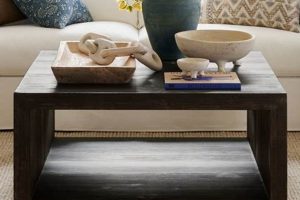
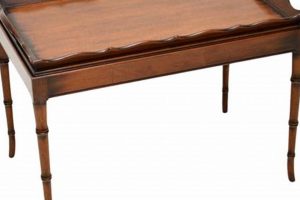
A multi-functional furniture piece designed to serve as a standard low-profile surface while also possessing the capacity to alter its form, typically by expanding upward and outward to function as a dining or work surface. These items frequently incorporate mechanical or gas-spring mechanisms, enabling the transformation between configurations. For instance, a seemingly compact structure can elevate and extend, providing comfortable seating and surface area for several individuals.
Such adaptable furniture is particularly relevant in space-constrained environments, such as apartments or studios, where maximizing utility is essential. The ability to transition from a small footprint to a larger, more functional area offers significant convenience. Historically, the need for space-saving furniture solutions has driven innovation in design, leading to the development of increasingly sophisticated and user-friendly transforming pieces.
This adaptability addresses the need for both everyday practicality and occasional expanded functionality. The following sections will delve into the various designs, mechanisms, materials, and aesthetic considerations that characterize these versatile furnishings.
Selecting a Transforming Coffee Table
The purchase of a transforming coffee table requires careful consideration to ensure optimal functionality and suitability for the intended space. Evaluate the following factors to facilitate an informed decision.
Tip 1: Assess Spatial Requirements: Measure the available floor space in both the collapsed and expanded configurations. Ensure adequate clearance for movement around the table when fully extended.
Tip 2: Evaluate Lifting Mechanism Quality: Scrutinize the lifting mechanism for smooth operation and sturdiness. Gas-spring mechanisms are often preferred for their ease of use and durability.
Tip 3: Examine Material Composition: Consider the materials used in construction. Solid wood, engineered wood with durable laminates, and metal frames offer varying degrees of stability and aesthetic appeal. Consider resistance to scratches and stains.
Tip 4: Determine Weight Capacity: Ascertain the maximum weight the table can support in its expanded form. This is crucial for ensuring safe and reliable use as a dining or work surface.
Tip 5: Evaluate Storage Options: Some designs incorporate hidden storage compartments. Assess the utility of these features and whether they align with specific storage needs.
Tip 6: Consider Aesthetic Harmony: Select a design that complements the existing decor. Evaluate the table’s shape, finish, and overall style to ensure it integrates seamlessly into the room.
Tip 7: Review Warranty and Return Policies: Thoroughly review the manufacturer’s warranty and the retailer’s return policies. This provides protection against defects and ensures recourse in case of dissatisfaction.
By carefully evaluating these aspects, the selection process should yield a piece of furniture that provides long-term utility and aesthetic value.
The subsequent sections will explore the common types and styles available, as well as maintenance recommendations.
1. Adaptable Height

Adaptable height is a primary characteristic of transforming coffee tables, directly influencing their multi-functionality. This adjustability enables the furniture to transition from a low-profile surface suitable for casual use to an elevated platform appropriate for dining, work, or other activities requiring a higher surface level.
- Ergonomic Considerations
Adaptable height facilitates ergonomic comfort by allowing users to adjust the surface to a suitable level for various tasks. For example, when using the table for dining, raising it to a standard dining height prevents slouching and promotes better posture, reducing strain during meals. Conversely, it can be lowered for relaxed coffee consumption or as a purely aesthetic element in the room.
- Space Optimization Impact
The variable height feature optimizes space utilization, especially in compact living environments. One such area is in apartment studios. An adjustable coffee table that extends upwards serves dual roles, eliminating the need for both a standard coffee table and a separate dining table. This versatility is crucial in maximizing functionality within limited square footage.
- Mechanism Reliability and Safety
The mechanism enabling height adjustment must be robust and secure. Hydraulic or gas-spring systems are frequently implemented to ensure smooth and safe transitions. Quality mechanisms guarantee stable support at various heights and prevent unintended collapsing or lowering, safeguarding users and items placed on the table.
- Design Integration and Aesthetic Harmony
The adaptable height feature should seamlessly integrate into the table’s overall design. The transition mechanism should be visually unobtrusive, and the extended height should maintain aesthetic balance. Careful design ensures that the functionality does not detract from the overall appearance of the furniture, allowing it to complement the room’s decor regardless of its configuration.
The interplay between adaptable height and design, mechanism, and space optimization underscores the inherent value of transforming coffee tables. The capacity to adapt to diverse needs within a single piece of furniture positions it as a pragmatic and stylish solution for modern living spaces.
2. Space Optimization

The correlation between space optimization and transforming coffee tables is foundational. The very purpose of such furniture stems from the need to maximize usable area, particularly in compact living environments. The primary cause is the rising cost of real estate and shrinking apartment sizes, resulting in a demand for multi-functional furniture. The effect is the design and production of tables capable of serving multiple roles, thereby reducing the need for separate, single-purpose items. Space optimization is not merely a feature of these tables; it is the central design principle. For example, a studio apartment dweller may utilize a transforming coffee table as a living room centerpiece, a dining surface, and a work desk, all within the same spatial footprint. This eliminates the need for a separate dining table and potentially a dedicated desk, freeing up valuable floor space.
The practical significance of understanding this connection lies in the informed selection process. Consumers must carefully evaluate their spatial constraints and functional needs before purchasing. Considerations include the table’s footprint in both its compact and expanded configurations, its ability to serve diverse functions, and the ease with which it transitions between these states. For instance, a smaller table with a simple lifting mechanism may suffice for occasional dining, while a larger, more complex model with built-in storage may be necessary for daily use and organization. Furthermore, the placement of the table within the room must be strategic to ensure unimpeded movement and accessibility when expanded.
In summary, transforming coffee tables are intrinsically linked to the concept of space optimization. They address the challenge of limited square footage by consolidating multiple functions into a single piece of furniture. Understanding this relationship allows consumers to make informed purchasing decisions, selecting models that effectively meet their spatial constraints and functional requirements. The ongoing trend towards smaller living spaces ensures the continued relevance and evolution of these versatile furnishings.
3. Mechanism Durability
Mechanism durability is a critical factor in determining the long-term value and functionality of transforming coffee tables. The operational lifespan and reliability of these furniture pieces hinge directly on the quality and resilience of their internal mechanisms.
- Component Material Strength
The materials used in the lifting, extending, and locking mechanisms significantly influence durability. High-strength steel alloys and durable polymers are commonly employed to withstand repeated stress and prevent deformation. The selection of appropriate materials ensures resistance to wear, corrosion, and fatigue, extending the operational lifespan of the mechanism. For example, the grade of steel used in gas-spring struts directly affects their resistance to pressure loss and subsequent lifting failure.
- Engineering Design and Tolerance
Precise engineering design and manufacturing tolerances are essential for smooth and reliable operation. Mechanisms with tight tolerances exhibit less play and friction, reducing wear and improving overall performance. The design must account for stress distribution and load-bearing capacity to prevent premature failure of critical components. An example includes the design of hinge points to ensure they can endure thousands of cycles without loosening or breaking.
- Load Capacity and Stability
The mechanism must be capable of safely supporting the specified load capacity of the table in its various configurations. Overloading can cause undue stress on components, leading to accelerated wear and potential failure. Stable locking mechanisms are crucial to prevent accidental collapse or instability, ensuring the safety of users and objects placed on the table. Consider a situation where a table is designed to hold 50 pounds but is repeatedly loaded with 75 pounds, greatly shortening its lifespan.
- Regular Maintenance and Lubrication
While a durable mechanism minimizes the need for frequent maintenance, periodic lubrication of moving parts can further extend its lifespan. Applying appropriate lubricants reduces friction and prevents corrosion, ensuring smooth operation and preventing premature wear. The absence of such maintenance can lead to increased friction, component binding, and eventual failure. For instance, applying a silicone-based lubricant to hinges and sliding mechanisms can maintain smooth functionality over time.
These facets of mechanism durability directly impact the functionality and longevity of transforming coffee tables. Investing in tables with robust materials, precise engineering, appropriate load capacities, and proper maintenance protocols ensures a reliable and long-lasting piece of furniture.
4. Material Quality
The selection and grade of materials are paramount to the overall performance, longevity, and aesthetic appeal of transforming coffee tables. The inherent properties of these materials dictate the furniture’s resistance to wear, structural integrity, and stylistic integration within a given space.
- Surface Material Durability
The surface material, whether wood veneer, laminate, glass, or metal, is subject to daily use and potential abrasion. Durable surface materials such as high-pressure laminates or tempered glass offer resistance to scratches, stains, and heat damage. In contrast, lower-quality materials may exhibit premature wear, diminishing the table’s aesthetic appeal and requiring more frequent replacement. For instance, a transforming coffee table with a high-quality laminate surface will withstand spills and scratches from daily use more effectively than one with a thin, easily damaged veneer.
- Frame and Structural Integrity
The underlying frame provides the structural support for the table in both its collapsed and expanded configurations. Solid wood, engineered wood, and metal are common frame materials. Metal frames, particularly those constructed from steel, offer high strength and stability, while solid wood provides natural beauty and inherent rigidity. Weak or poorly constructed frames can lead to instability, warping, or even collapse under load. A steel-framed transforming coffee table is more likely to maintain its structural integrity over time, even with frequent transformations, compared to one with a low-density particleboard frame.
- Mechanism Component Composition
The internal mechanisms that enable the transforming functionality rely on specific material properties to ensure smooth and reliable operation. Gas springs, hinges, and locking mechanisms must be constructed from materials that can withstand repeated stress and movement without failure. High-grade steel and durable polymers are commonly used in these components to provide the necessary strength and wear resistance. Inadequate material selection can result in mechanism malfunction, rendering the transforming functionality unusable. A high-quality gas spring mechanism will ensure smooth and controlled height adjustment, while a cheaply made mechanism may become stiff or fail prematurely.
- Finish and Protective Coatings
The finish applied to the surface and frame protects the underlying materials from environmental factors and enhances their aesthetic appeal. Durable finishes, such as powder coating, lacquer, or polyurethane, provide resistance to moisture, UV radiation, and chemical exposure. These protective coatings prevent corrosion, fading, and other forms of degradation, extending the furniture’s lifespan. A transforming coffee table with a properly applied powder-coated finish will resist scratches and corrosion, maintaining its appearance over time, whereas a table with a thin, poorly applied finish may quickly show signs of wear and damage.
The interplay of these material aspects determines the overall quality and value of transforming coffee tables. Selecting models constructed from high-grade materials and featuring durable finishes ensures a long-lasting and aesthetically pleasing piece of furniture, justifying the initial investment and providing years of reliable service.
5. Style Integration
Style integration is a paramount consideration when selecting transforming coffee tables. The ability of this furniture to seamlessly blend with existing dcor and architectural elements significantly contributes to its overall value and suitability within a given space. The aesthetic compatibility of a transforming coffee table influences the room’s visual harmony and the user’s satisfaction.
- Harmonious Color Palette
Color compatibility is a fundamental aspect of style integration. A transforming coffee table should complement the existing color scheme of the room, including walls, flooring, and other furniture pieces. Selecting a table with colors that either match or contrast intentionally can enhance the visual appeal. For instance, a minimalist living room with neutral tones may benefit from a transforming coffee table in a complementary shade of gray or white, or a contrasting accent color to introduce visual interest. Conversely, a room with bold colors may require a table with a more subdued palette to avoid overwhelming the space.
- Material Consistency
The materials used in the transforming coffee table should align with the existing materials in the room. Consistency in materials, such as wood, metal, or glass, can create a cohesive and unified aesthetic. A room with predominantly wooden furniture may benefit from a transforming coffee table with a wood veneer or solid wood construction. Similarly, a modern living room with metal accents may be enhanced by a table with a metal frame or tabletop. The juxtaposition of disparate materials can create visual tension, but should be approached with careful consideration to maintain a balanced aesthetic.
- Architectural Style Alignment
The design of the transforming coffee table should complement the architectural style of the room. A contemporary space may call for a table with clean lines, geometric shapes, and minimalist detailing. A traditional space may benefit from a table with ornate carvings, classic finishes, and a more substantial presence. Aligning the table’s design with the architectural style ensures a cohesive and harmonious aesthetic. For example, a Victorian-style living room would likely be ill-suited to a sleek, ultra-modern transforming coffee table.
- Form and Proportion Appropriateness
The form and proportions of the transforming coffee table should be appropriate for the size and layout of the room. A large, bulky table may overwhelm a small space, while a small, delicate table may appear insignificant in a large room. The table’s dimensions should be carefully considered to ensure it fits comfortably within the designated area and does not obstruct movement or impede functionality. The table’s height, width, and length should be proportionate to the surrounding furniture and the overall scale of the room.
Integrating style is crucial for ensuring that transforming coffee tables enhance, rather than detract from, the overall aesthetic of a living space. Careful consideration of color, material, architectural style, and proportion enables the selection of a table that seamlessly blends with existing decor, contributing to a visually harmonious and functionally optimized environment.
6. Functional Versatility
Functional versatility, in the context of transforming coffee tables, denotes the capacity of a single furniture item to perform multiple, distinct functions within a limited space. This adaptability directly addresses spatial constraints and evolving lifestyle needs, making it a defining characteristic of this type of furniture.
- Height Adjustability for Diverse Activities
Height adjustability is a core component of functional versatility. These tables can transition from a low profile suitable for casual lounging to a raised position appropriate for dining or working. For instance, a table can serve as a standard coffee table during the day and elevate to dining height in the evening, accommodating meals or board games without requiring a separate dining table. This eliminates the need for multiple furniture pieces, optimizing space utilization.
- Surface Area Transformation
Beyond height, functional versatility encompasses surface area transformation. Many models feature extendable leaves or unfolding mechanisms that increase the tabletop size. This allows the table to accommodate varying numbers of users or activities. A compact surface for daily use can expand to comfortably seat several individuals for dinner or provide ample workspace for projects. This feature is particularly valuable in apartments or studios where space is at a premium.
- Integrated Storage Solutions
Functional versatility often incorporates integrated storage solutions, further enhancing utility. Hidden compartments or drawers within the table provide discreet storage for remote controls, magazines, or other small items, reducing clutter and maximizing organization. Such storage features contribute to a cleaner, more organized living space, especially beneficial in small environments where every available space counts.
- Adaptable Style and Aesthetic
The adaptable style represents their ability to fit various room designs. Whether its is traditional or minimalist, it should complement the area for maximum effect. For example, a table can complement any room regardless if you have visitors over. In this way you may keep using the furniture piece in years to come.
These elements of functional versatility are integral to the value proposition of transforming coffee tables. By offering multiple functions within a single piece of furniture, these tables provide practical solutions for space-constrained environments and adaptable lifestyles. This synthesis of utility and adaptability underscores the growing relevance of transforming furniture in contemporary living spaces.
Frequently Asked Questions
The following addresses common inquiries regarding the selection, functionality, and maintenance of transforming coffee tables.
Question 1: What is the typical weight capacity of a transforming coffee table in its expanded configuration?
Weight capacities vary depending on the model and materials used. Typically, these tables are designed to support between 50 and 150 pounds in their expanded form. Refer to the manufacturer’s specifications for accurate weight limits.
Question 2: How often should the lifting mechanism be lubricated?
Lubrication frequency depends on usage. Under normal conditions, lubricating the mechanism every six to twelve months is advisable. Use a silicone-based lubricant to ensure smooth operation and prevent corrosion.
Question 3: What materials are best suited for transforming coffee tables in high-humidity environments?
In high-humidity environments, select models constructed from moisture-resistant materials such as powder-coated steel, marine-grade plywood, or solid hardwoods treated with a waterproof sealant. Avoid particleboard or MDF, as these materials are susceptible to water damage.
Question 4: Are replacement parts readily available for transforming coffee tables?
The availability of replacement parts varies by manufacturer and model. Purchasing from reputable brands with established customer support networks increases the likelihood of obtaining replacement components if needed. Keep records of purchase and model numbers for easier parts identification.
Question 5: How does the warranty coverage typically extend for transforming coffee tables?
Warranty coverage typically ranges from one to five years, depending on the manufacturer and model. Coverage often includes defects in materials and workmanship but may exclude damage caused by misuse or normal wear and tear. Review the warranty terms carefully before purchase.
Question 6: Can transforming coffee tables be easily disassembled for relocation?
Disassembly ease depends on the table’s construction. Some models are designed for partial disassembly, while others are not. Retain the assembly instructions for future reference. Consider the weight and bulk of the components when planning relocation.
In summary, understanding weight limits, maintenance needs, appropriate materials, parts availability, warranty coverage, and disassembly options aids in maximizing the utility and lifespan of transforming coffee tables.
The subsequent sections will address advanced design considerations and emerging trends in transforming furniture.
transformers coffee table
The preceding analysis has elucidated various facets of transforming coffee tables, encompassing their defining attributes, selection criteria, mechanical considerations, material composition, stylistic integration, functional versatility, and maintenance requisites. These adaptable furnishings address the perennial challenge of optimizing living spaces by seamlessly merging multiple functionalities into a single, aesthetically cohesive unit. The convergence of engineering design, material science, and aesthetic principles underscores the sophistication inherent in these adaptive furniture pieces.
Continued innovation in materials and mechanisms promises further refinement of transforming coffee tables, enhancing their durability, ease of use, and aesthetic appeal. Their capacity to adapt to diverse needs within a singular footprint positions them as enduring solutions for contemporary living, and their increasing prevalence reflects a broader societal trend toward maximizing spatial efficiency and minimizing environmental impact. Prospective consumers are encouraged to critically assess their needs and preferences, thereby ensuring the selection of a model that provides lasting value and enduring satisfaction.