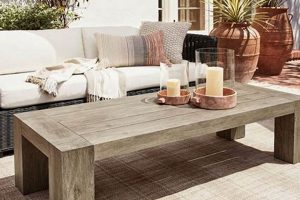
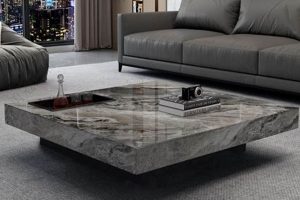
A furniture piece crafted from wood previously used for another purpose, such as barns, factories, or even old ships, offers a surface for placing beverages, books, or decorative items. These furnishings often exhibit unique characteristics like nail holes, weathering, and variations in color, reflecting the wood’s prior life and adding to its aesthetic appeal. For example, a living room might feature a centerpiece constructed from timbers salvaged from a demolished 19th-century warehouse.
The appeal of such items lies in their sustainable nature, reducing demand for newly harvested timber and contributing to environmental conservation. Furthermore, these pieces often possess a distinctive history and character, providing a connection to the past and injecting personality into interior design. Historically, reusing materials was a common practice driven by necessity, but today it is a conscious choice reflecting values of sustainability and individuality.
The following sections will delve into the selection process, design considerations, and maintenance techniques associated with these distinctive furniture pieces, providing guidance for incorporating their rustic charm into diverse living spaces.
Tips for Acquiring and Maintaining a Reclaimed Wood Centerpiece
The selection and care of a central furnishing created from repurposed materials require careful consideration. Attention to detail during acquisition and consistent maintenance will preserve its unique character and ensure longevity.
Tip 1: Inspect Thoroughly Prior to Purchase: Examine the wood for signs of insect infestation, excessive moisture content, or structural weaknesses. These issues may necessitate costly repairs or render the piece unsuitable for indoor use. For instance, visible powder post beetle exit holes indicate an active infestation that needs professional treatment.
Tip 2: Consider the Wood’s Origin and Treatment History: Understand the prior application of the timber. Wood salvaged from industrial settings may contain residual chemicals or contaminants that require remediation before it is safe for use in a residential environment. Verification of proper treatment or testing is essential.
Tip 3: Prioritize a Stable and Level Surface: Uneven flooring or inadequate support can compromise the structural integrity. Employ shims or adjusters to ensure a solid and even foundation, preventing warping or stress on the joints. Regular inspection for stability is recommended.
Tip 4: Apply Appropriate Protective Coatings: Depending on the desired aesthetic and the wood’s finish, apply a sealant, wax, or varnish to protect against spills, scratches, and moisture penetration. Select a product compatible with the existing finish to prevent discoloration or damage. Test the product in an inconspicuous area first.
Tip 5: Implement a Consistent Cleaning Regimen: Regularly dust with a soft cloth and use a pH-neutral cleaner formulated for wood surfaces. Avoid abrasive cleaners or excessive moisture, which can damage the finish and degrade the wood over time. Wipe up spills immediately to prevent staining.
Tip 6: Monitor Humidity Levels: Extreme fluctuations in humidity can cause the wood to expand and contract, potentially leading to cracks or warping. Maintain a stable humidity level in the room, ideally between 30% and 50%, using a humidifier or dehumidifier as needed.
Tip 7: Periodic Reapplication of Finish: Depending on usage and environmental factors, the protective coating may require reapplication every few years. This will maintain the wood’s barrier against moisture, scratches, and UV damage, extending its lifespan.
By adhering to these recommendations, owners can effectively safeguard the condition and preserve the intrinsic beauty of a centerpiece crafted from reclaimed lumber. Consistent vigilance and proactive maintenance are crucial for long-term preservation.
The subsequent sections will explore the artistic and decorative applications of reclaimed wood furnishings, providing inspiration for design integration.
1. Wood source verification

Wood source verification, in the context of a repurposed wood surface, refers to the process of tracing the origin of the wood used to construct the item. This verification is critical because it allows prospective buyers or owners to assess the potential risks associated with the materials. Causes for concern range from the presence of lead paint in wood sourced from older buildings to the possibility of chemical contamination from industrial sites. Effectually, a lack of verification renders the origin, treatment, and potential hazards associated with the material entirely unknown.
The importance of confirming provenance can be illustrated by considering a scenario where timber originated from a demolition site without proper environmental controls. Such timber may have been treated with hazardous preservatives or exposed to contaminants during its prior use. A table constructed from this unverified material poses a potential health risk to its users. Conversely, wood sourced from a deconstructed barn, accompanied by documentation verifying its age and treatment history, presents a significantly reduced risk profile. The practical significance of wood source verification is therefore tied to safeguarding human health and ensuring environmental responsibility.
In conclusion, wood source verification is an indispensable step in acquiring a repurposed timber furnishing. While tracing the origins of reclaimed wood may present challenges, such as incomplete historical records or the commingling of materials from multiple sources, the effort is justified by the need to mitigate potential health and environmental risks. Thorough source investigation, coupled with testing for contaminants, is crucial for informed decision-making and the responsible acquisition of these pieces, aligning aesthetic interest with safety and sustainability concerns.
2. Structural Integrity

The structural integrity of a repurposed wood furnishing directly correlates with its safety, durability, and long-term usability. Weaknesses present within the source timber, such as rot, insect damage, or inherent defects, compromise the stability of the finished piece. For instance, if load-bearing components exhibit significant decay, the surface may be unable to support its intended weight, leading to catastrophic failure. A table constructed from reclaimed barn beams exhibiting unchecked termite damage may collapse under minimal load, posing a hazard to those nearby. The absence of rigorous assessment and necessary repairs jeopardizes the longevity and functionality.
Assessing the wood’s condition involves a multi-faceted inspection, including visual examination for signs of degradation, moisture content measurement to detect hidden rot, and stress testing to evaluate load-bearing capacity. Remedial actions may include replacing compromised sections, reinforcing weakened joints with metal brackets or epoxy resin, and applying wood preservatives to prevent further decay. Corrective measures should be implemented to mitigate any inherent weaknesses identified during inspection. For example, large cracks can be stabilized using butterfly joints or epoxy fills, while bowed or twisted sections can be straightened through careful steaming and clamping. Failure to address these issues proactively will lead to accelerated deterioration and eventual structural failure.
In conclusion, maintaining structural integrity is paramount when constructing a surface from repurposed material. A thorough evaluation of the wood’s condition, coupled with appropriate repair and reinforcement techniques, guarantees the creation of a stable, safe, and durable furnishing. Ignoring structural concerns compromises the aesthetic value and negates the sustainable benefits of using repurposed materials. Prioritizing structural soundness is therefore integral to responsible design and construction practices.
3. Finish Compatibility

Finish compatibility, in the context of a surface constructed from salvaged wood, refers to the symbiotic or antagonistic relationship between the existing surface treatment on the repurposed material and any newly applied coatings or protectants. This compatibility directly influences the aesthetic outcome, protective qualities, and longevity. For instance, applying a water-based polyurethane over a surface previously treated with an oil-based varnish frequently results in adhesion failure, peeling, or an uneven finish. The prior presence of waxes, silicones, or polishes can further exacerbate these issues by preventing proper bonding.
The implications of incompatible finishes are multifaceted. Surface imperfections, such as fisheyes, clouding, or bubbling, diminish the desired visual appeal. Reduced protection against moisture, scratches, and UV damage compromises the wood’s durability. Furthermore, the need for corrective measures, such as complete finish removal and reapplication, incurs additional costs and labor. In cases where the original finish is unknown or the wood’s prior treatment history is undocumented, careful testing becomes essential. Small, inconspicuous areas should be subjected to patch tests using the intended finish. Observation over a period of several days will reveal any signs of incompatibility, allowing for informed decisions regarding finish selection and application techniques. For example, a test patch might reveal that a particular varnish causes the existing stain to bleed, indicating the need for a barrier coat or a different finish altogether.
In conclusion, ensuring finish compatibility is a critical consideration when working with repurposed materials. Understanding the potential interactions between existing treatments and new coatings allows for the selection of appropriate products and application methods. Thorough testing and careful preparation minimize the risk of aesthetic imperfections, ensure adequate protection, and prolong the lifespan. Prioritizing finish compatibility is crucial to realizing the aesthetic and functional potential, aligning visual appeal with structural soundness and contributing to a well-crafted and enduring furnishing.
4. Design integration

Design integration, in the context of furnishings created from repurposed materials, refers to the harmonious incorporation of such items into a pre-existing or planned interior aesthetic. With items sourced from reclaimed wood, the inherently unique characteristics, such as aged patinas, nail holes, or saw marks, present specific challenges and opportunities for harmonious integration. A poorly integrated piece can appear incongruous or jarring, disrupting the overall visual balance of a room. Conversely, thoughtful design integration can highlight the reclaimed element’s inherent beauty, enriching the space’s character and creating a sense of historical depth. For instance, placing a rustic piece within a minimalist modern setting requires careful consideration of scale, color palette, and textural contrast to achieve a cohesive design.
Successful design integration involves several key considerations. Firstly, understanding the room’s existing style, color scheme, and architectural features is crucial. A piece constructed from rough-hewn timber might complement a room with exposed brick and industrial accents but clash with a more refined, traditionally decorated space. Secondly, the scale and proportions of the furnishing must be appropriate for the room’s size. A massive item may overwhelm a small space, while an undersized one may appear insignificant. Thirdly, the finish and color of the reclaimed wood should harmonize with the surrounding elements. Matching or contrasting colors strategically can create visual interest while maintaining overall coherence. Consider a setting where a dark-stained element constructed from salvaged wood sits atop a light-colored rug and is surrounded by seating upholstered in neutral tones. This carefully orchestrated design creates visual interest and ensures the furnishing enhances, rather than detracts from, the space’s appeal.
In conclusion, design integration is a critical component of successfully incorporating furnishings created from reused lumber into an interior. By carefully considering the room’s existing style, scale, and color palette, one can ensure the chosen piece complements the surrounding environment. While the inherent uniqueness of salvaged materials presents distinct challenges, thoughtful design integration can transform these pieces into focal points, enriching the character of a space and creating a cohesive and visually appealing interior. Successfully integrated pieces of repurposed material not only enhances aesthetic appeal but also conveys an environmental message.
5. Environmental impact

The environmental impact of a furnishing made from repurposed lumber is a significant consideration, encompassing both direct and indirect effects on ecological systems. The primary positive impact stems from the reduction in demand for newly harvested timber. Deforestation, driven by logging, contributes to habitat loss, soil erosion, and diminished biodiversity. By utilizing existing wood resources, the need to fell trees is lessened, preserving forests and the ecological services they provide. Furthermore, the transportation of newly harvested timber involves fuel consumption and greenhouse gas emissions. A surface constructed from lumber locally salvaged from a demolished building minimizes transportation-related emissions compared to a surface manufactured from timber sourced from distant forests. The overall carbon footprint is, therefore, reduced.
However, the environmental impact also includes potential negative aspects. The process of reclaiming lumber may involve energy-intensive activities, such as dismantling structures, removing nails and fasteners, and kiln-drying the wood. The use of chemical treatments, such as preservatives or sealants, can also introduce pollutants into the environment. Evaluating the net environmental benefit requires a holistic assessment, considering the energy inputs and potential pollution associated with the reclamation process. For example, salvaging wood from a local source and processing it using low-energy methods and eco-friendly finishes results in a more favorable environmental outcome than transporting wood from a distant location and treating it with harsh chemicals.
In conclusion, a comprehensive understanding of the environmental impact of a surface made from salvaged wood requires a nuanced evaluation. While the reduction in deforestation and transportation emissions represents a significant advantage, the energy consumption and potential pollution associated with the reclamation process must also be considered. A conscious effort to minimize energy inputs, utilize sustainable processing methods, and employ environmentally friendly finishes maximizes the positive environmental impact and contributes to a more sustainable approach to furniture production. Consumers should seek information about the sourcing and processing methods employed by manufacturers to make informed purchasing decisions that align with their environmental values.
6. Aesthetic Appeal

Aesthetic appeal is a primary driver in the selection of furnishings crafted from salvaged lumber. These items often possess characteristics absent in mass-produced furniture, such as distinctive grain patterns, weathering marks, and evidence of previous use. This visual texture and history contribute to a unique aesthetic valued by consumers seeking to infuse their living spaces with character and individuality. The inherent variations in the wood knots, nail holes, saw marks become design elements, adding depth and visual interest. For instance, the subtle color variations in a surface sourced from deconstructed barnwood, ranging from sun-bleached grey to rich, aged brown, create an organic and visually compelling centerpiece.
The importance of aesthetic considerations extends beyond mere visual preference. Furnishings crafted from repurposed materials offer a tangible connection to the past, evoking a sense of nostalgia and craftsmanship. This narrative element is particularly appealing in an era of mass production, where items often lack a discernible history. In a modern interior, a piece crafted from lumber salvaged from an old factory serves as a visual reminder of the site’s industrial heritage. Consumers who value sustainability are often drawn to the inherent beauty and unique features of these furnishings, reflecting a commitment to both environmental responsibility and aesthetic sophistication. Furthermore, the selection of specific finishes and treatments can either accentuate or soften the inherent characteristics of the wood, allowing for customization and alignment with diverse design styles. A matte finish preserves the natural texture and imperfections, while a glossy finish creates a more refined and contemporary look.
In conclusion, the aesthetic appeal of furnishings crafted from salvaged wood is a crucial factor in their appeal. This appeal stems from the unique visual characteristics, the tangible connection to the past, and the opportunities for customization. Recognizing the interplay between the intrinsic qualities of the wood and the desired aesthetic outcome is essential for selecting pieces that enhance interior design. By understanding the aesthetic nuances, consumers can integrate repurposed material into their living spaces, fostering a harmonious blend of history, sustainability, and visual appeal. The challenge lies in balancing the raw, natural character of the wood with the desired level of refinement and integration into the overall design scheme, ensuring that the furnishing both complements and enhances the space.
7. Maintenance requirements

The longevity and aesthetic preservation of a surface constructed from repurposed wood are directly contingent upon adherence to specific maintenance protocols. The composition and characteristics of salvaged material introduce unique maintenance considerations beyond those associated with conventionally manufactured furniture. Variations in wood species, prior exposure to environmental factors, and residual treatments necessitate a tailored maintenance approach. Failure to address these requirements proactively can result in accelerated deterioration, structural instability, and a diminished aesthetic appeal. For instance, a furnishing created from salvaged barnwood, left untreated and exposed to fluctuations in humidity, is susceptible to warping, cracking, and the proliferation of mold or mildew. Therefore, understanding and implementing appropriate maintenance strategies is critical to safeguarding the investment and maximizing the lifespan of the furnishing.
The practical application of maintenance principles involves several key steps. Regular cleaning with pH-neutral cleansers prevents the accumulation of dust, dirt, and spills, which can degrade the finish and promote staining. Periodic application of appropriate protective coatings, such as waxes, oils, or sealants, shields the wood from moisture, scratches, and UV radiation. Controlling ambient humidity levels minimizes expansion and contraction, mitigating the risk of cracking or warping. Addressing minor damage, such as scratches or dents, promptly prevents further deterioration and maintains the aesthetic integrity of the piece. Neglecting these essential practices, such as failing to reapply a protective finish every few years, renders the surface vulnerable to environmental damage and diminishes its long-term value.
In conclusion, the maintenance requirements of a surface made from repurposed lumber constitute an integral aspect of its long-term performance and aesthetic preservation. While these requirements may be more demanding than those of mass-produced furniture, diligent adherence to appropriate maintenance protocols ensures the piece’s longevity, structural integrity, and continued visual appeal. Prioritizing proper maintenance mitigates potential challenges associated with the inherent variability of repurposed materials and maximizes the investment in unique and sustainable furnishings. The challenge resides in consistently applying the appropriate maintenance regime tailored to the material’s history and composition.
Frequently Asked Questions
The following questions address common inquiries regarding the acquisition, care, and environmental impact of such furnishings. The information provided seeks to clarify misconceptions and guide informed purchasing decisions.
Question 1: What constitutes a genuine reclaimed coffee table?
A genuine example is constructed primarily, if not entirely, from wood that has been repurposed from a prior application. Common sources include deconstructed barns, industrial buildings, and salvaged ship timbers. A table merely styled to resemble reclaimed wood, but constructed from newly harvested timber, does not qualify.
Question 2: How can a prospective buyer verify the authenticity of a reclaimed coffee table?
Documentation from the seller detailing the wood’s source and prior use is essential. Visual inspection may reveal characteristics indicative of age and prior use, such as nail holes, weathering patterns, and unique grain variations. However, visual cues alone are not definitive proof of authenticity.
Question 3: What are the primary benefits of choosing a reclaimed coffee table over one made from newly harvested wood?
The primary benefits include reduced demand for newly harvested timber, contributing to forest conservation. Reclaimed wood often possesses unique aesthetic characteristics and a historical narrative absent in mass-produced furniture. Selecting repurposed material aligns with principles of sustainability and resource conservation.
Question 4: Are reclaimed wood coffee tables more expensive than those made from new wood?
The price may vary depending on the species of wood, the complexity of the design, and the labor involved in reclaiming and processing the material. Certain pieces constructed from rare or highly sought-after reclaimed lumber may command a premium price. However, reasonably priced options are readily available.
Question 5: What maintenance procedures are recommended for a reclaimed wood coffee table?
Regular dusting with a soft cloth is essential. Spills should be wiped up promptly. Periodic application of appropriate protective coatings, such as wax or sealant, is recommended to protect the wood from moisture and scratches. Avoid harsh chemicals or abrasive cleaners.
Question 6: Are there any potential health hazards associated with reclaimed wood?
Wood sourced from older structures may contain lead paint or other contaminants. Reputable sellers should ensure that the wood has been properly treated and tested for hazardous substances. Inquiring about the seller’s remediation process is advisable.
These questions and answers provide a foundational understanding. Prospective buyers are encouraged to conduct further research and consult with reputable dealers to ensure informed purchasing decisions.
The subsequent sections will delve into the stylistic considerations and design trends associated with integrating repurposed furniture into various living spaces.
Conclusion
This exploration has underscored various facets of the surface constructed from repurposed lumber, from its provenance and structural integrity to design integration and environmental ramifications. The analysis illuminated the factors governing its selection, aesthetic integration, and maintenance protocols. Key aspects include careful source verification, assessment of structural stability, and informed finishing practices.
The utilization of a surface created from reclaimed material represents a commitment to sustainable practices and a tangible connection to material history. Its enduring value relies on the responsible sourcing, informed decision-making, and conscientious care of this unique furnishing. Ultimately, the enduring legacy of a reclaimed surface resides in the integration of sustainable principles with the preservation of material heritage.