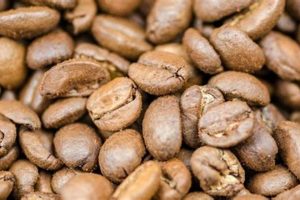
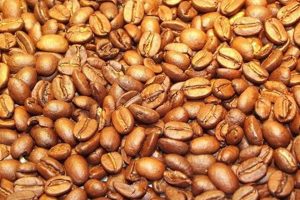
Certain roasted coffee beans exhibit a drier surface appearance compared to others. This characteristic is often associated with factors like roasting level, bean origin, and storage conditions. For example, beans roasted to a lighter profile typically retain less surface oil than those subjected to darker roasting processes. The absence of visible oil can be a noticeable feature.
The presence or absence of surface lipids influences various aspects of the coffee experience. It can affect the perceived mouthfeel of the brewed coffee, the longevity of the beans’ freshness, and even the performance of certain coffee brewing equipment. Historically, some consumers have associated a drier bean surface with a cleaner, less bitter cup, though this is not universally true and depends greatly on other variables.
Understanding the factors that contribute to the differing surface appearances of roasted coffee beans is essential for informed selection, storage, and brewing practices. The subsequent sections will delve deeper into the specific elements impacting surface oil, optimal storage solutions, and brewing considerations tailored to these particular beans.
Tips for Working with Coffee Beans Exhibiting Minimal Surface Oil
The following tips provide guidance on handling and brewing coffee beans characterized by a drier surface, optimizing the extraction process and overall coffee experience.
Tip 1: Grind Size Adjustment: Due to the density often associated with these beans, a slightly finer grind setting may be necessary to achieve optimal extraction. Experimentation is advised to avoid under-extraction and ensure a balanced flavor profile.
Tip 2: Water Temperature Considerations: Maintaining a consistent water temperature within the recommended range (typically 195-205F or 90-96C) is crucial. Monitor temperature carefully, as fluctuations can significantly impact the final brew’s quality.
Tip 3: Pre-wetting or Blooming: Allowing the ground coffee to bloom, or pre-wet, for approximately 30 seconds before commencing the full brewing process aids in degassing and improves water saturation, leading to a more even extraction.
Tip 4: Storage in Airtight Containers: Proper storage is paramount for preserving freshness. Store these beans in an opaque, airtight container in a cool, dark place to minimize oxidation and maintain their inherent qualities.
Tip 5: Evaluate Roasting Date: Pay close attention to the roasting date. Even with proper storage, coffee beans degrade over time. Prioritize using beans within a reasonable timeframe (ideally within a few weeks of roasting) for optimal flavor.
Tip 6: Adjust Brew Time Accordingly: Depending on the brewing method, adjust the brew time to compensate for the bean’s characteristics. Shorter brew times might be suitable for preventing over-extraction and bitterness.
Adhering to these recommendations facilitates achieving a well-balanced, flavorful cup of coffee, maximizing the potential of coffee beans displaying minimal surface oil.
The subsequent sections will cover potential flavor profiles and ideal brewing methods compatible with this bean type.
1. Roasting Level

The roasting level of coffee beans is a primary determinant in the presence, or lack thereof, of surface oils. This is due to the chemical changes that occur within the bean during the roasting process, directly influencing the development and migration of oils.
- Cellular Structure Breakdown
As coffee beans undergo roasting, their cellular structure weakens. This breakdown facilitates the release of internal oils to the bean’s surface. Lighter roasts, characterized by shorter roasting times and lower temperatures, result in less cellular damage. Consequently, a smaller quantity of oils is liberated, leading to a drier, less oily surface appearance.
- Maillard Reaction and Caramelization
The Maillard reaction and caramelization, key chemical processes during roasting, contribute to flavor development. However, these reactions also impact oil production. Lighter roasts, with their shorter duration, experience these reactions to a lesser extent. The reduced breakdown of complex carbohydrates translates to a decreased release of oils.
- Internal Pressure and Oil Migration
During roasting, internal pressure builds within the coffee bean. This pressure, coupled with the breakdown of cellular structure, propels oils towards the surface. Lighter roasts, subjected to lower internal pressures, exhibit diminished oil migration. The limited movement results in a drier bean surface, characteristic of less developed roasts.
- Origin and Bean Characteristics
While roasting level significantly impacts surface oil, the origin and inherent characteristics of the green coffee beans also play a role. Certain bean varietals naturally contain fewer oils or have a more robust cellular structure that resists oil migration even at higher roasting levels. This variability can contribute to the overall appearance of a “non oily” bean, even when roasted beyond a light profile.
In summary, the relationship between roasting level and the presence of surface oil is directly proportional. Lighter roasts, with their reduced cellular breakdown, lower internal pressure, and diminished Maillard reaction, exhibit less oil migration, resulting in the desirable “non oily” bean. However, it is crucial to consider the specific characteristics of the green coffee beans, as these can influence the overall oil content and surface appearance regardless of roasting parameters.
2. Bean Density

Bean density, a measure of mass per unit volume, is an important characteristic of green coffee that indirectly influences the surface appearance of roasted beans. Its impact is multifaceted, affecting roasting dynamics, oil expression, and ultimately, the perception of a “non oily” bean.
- Impact on Roasting Dynamics
Denser beans typically require more energy and time to roast evenly compared to less dense beans. During roasting, oils are released to the surface as the cellular structure breaks down. Denser beans, with their tightly packed cellular structure, may restrict the initial release of oils, contributing to a less oily surface, especially at lighter roast levels. The heat transfer is slower and more controlled, potentially reducing the sudden oil migration.
- Cellular Integrity and Oil Migration
High-density beans possess a more intact and robust cellular matrix. This inherent structure offers greater resistance to the rapid expulsion of oils during the roasting process. The stronger cell walls hinder the migration of oils to the surface, preserving the oil content within the bean’s interior. This results in a drier, less oily surface appearance, aligning with the desired characteristics of “non oily” coffee beans.
- Moisture Content and Oil Expression
Denser beans often exhibit lower initial moisture content compared to less dense beans. Lower moisture content can indirectly impact oil expression during roasting. As the beans heat up, the rapid evaporation of moisture can facilitate oil release. Denser beans, with less moisture to expel, may experience a more controlled and gradual oil migration, thereby reducing the amount of oil present on the surface.
- Roast Defect Mitigation
Higher density beans are often associated with a more even roast, mitigating the development of roast defects that could rupture cell structures and lead to oil migration. Because the denser beans are more uniform, they resist scorching that would result in more surface oils being present.
In conclusion, bean density plays a vital, although indirect, role in determining the surface oil content of roasted coffee beans. The inherent structural integrity and controlled roasting dynamics associated with denser beans contribute to a less oily surface, aligning with the characteristics desired in “non oily coffee beans.” However, it is imperative to note that bean density is only one factor among many, with roasting profile, bean origin, and processing methods also significantly impacting the final appearance and flavor of the roasted coffee.
3. Storage Impact
The conditions under which roasted coffee beans are stored significantly influence their surface oil content. Proper storage techniques are essential for maintaining the desired characteristics of coffee described as “non oily,” preserving freshness and preventing degradation.
- Oxidation Reduction
Exposure to oxygen promotes oxidation, a chemical process that causes coffee oils to turn rancid and migrate to the bean’s surface. Storing beans in airtight containers minimizes oxygen contact, slowing down oxidation and preserving the drier surface appearance associated with less oily beans. Vacuum-sealed containers provide an even greater barrier against oxygen exposure.
- Temperature Control
Elevated temperatures accelerate the rate of chemical reactions, including the oxidation of oils. Storing coffee beans in a cool environment (ideally below room temperature, but not refrigerated due to condensation concerns) retards the oxidation process. Reduced temperature leads to reduced surface oil expression by slowing down the rate of chemical reaction that lead to oxidation.
- Light Exposure Minimization
Light, particularly ultraviolet (UV) radiation, can catalyze the degradation of coffee oils, leading to rancidity and a more oily surface. Opaque containers shield the beans from light exposure, protecting the oils and preserving the desired drier surface. Storing coffee in a dark pantry or cupboard provides further protection against light exposure.
- Humidity Regulation
Excessive humidity can promote the clumping and degradation of coffee beans. While extremely dry environments might lead to slight drying of the beans, maintaining a stable, moderately dry environment is optimal. This can be achieved using desiccants or storing beans away from sources of moisture.
In summary, proper storage practices are crucial for maintaining the characteristics of roasted coffee beans classified as “non oily.” Minimizing exposure to oxygen, high temperatures, light, and humidity prevents oil oxidation and migration, preserving the bean’s freshness and desired surface appearance. Employing airtight, opaque containers stored in cool, dark, and moderately dry conditions optimizes the preservation of these specific bean characteristics.
4. Grind Fineness
Grind fineness is a critical parameter in coffee brewing, directly influencing the extraction process and the final cup’s characteristics. The relationship between grind fineness and beans exhibiting minimal surface oil is significant, as adjustments are often necessary to compensate for their inherent properties and achieve optimal extraction.
- Surface Area Exposure
Finer grinds increase the total surface area of coffee exposed to water during brewing. This enhanced surface area facilitates a more rapid and complete extraction of soluble compounds from the coffee. In the context of drier beans, a slightly finer grind helps compensate for the reduced surface oil, allowing water to penetrate the coffee particles more effectively and extract the desired flavors.
- Extraction Rate and Balance
The grind size directly affects the rate at which water extracts flavors from the coffee grounds. Finer grinds lead to faster extraction rates, which can be beneficial for beans with limited surface oil. However, excessively fine grinds can result in over-extraction, leading to bitter and astringent flavors. Finding the optimal grind size that balances extraction rate and prevents over-extraction is essential for achieving a balanced and flavorful brew.
- Water Flow Resistance
Finer grinds create greater resistance to water flow during brewing. This increased resistance can prolong the contact time between water and coffee, enhancing extraction. However, excessive resistance can also lead to channeling, where water bypasses certain areas of the coffee bed, resulting in uneven extraction. Adjusting the grind fineness to achieve the right balance of water flow resistance is crucial for ensuring uniform extraction from coffee.
- Brewing Method Compatibility
The ideal grind fineness is highly dependent on the specific brewing method being used. Methods such as espresso require a very fine grind, while French press typically calls for a coarser grind. When working with drier beans, it may be necessary to slightly adjust the grind size within the recommended range for the chosen brewing method to optimize extraction and achieve the desired flavor profile.
In summary, grind fineness is a crucial factor in brewing coffee, particularly when using beans with minimal surface oil. Adjusting the grind size to compensate for the bean’s properties allows for optimal extraction, ensuring a balanced and flavorful cup. Balancing surface area exposure, extraction rate, water flow resistance, and brewing method compatibility ensures the best expression of a particular coffee’s potential.
5. Flavor Nuances
Coffee beans exhibiting minimal surface oil often present a distinct spectrum of flavor nuances compared to their oilier counterparts. This distinction arises from the roasting dynamics and the preservation of volatile aromatic compounds during processing. The absence of significant surface oil can indicate a lighter roast profile, where bean’s inherent acidity and origin characteristics are more pronounced. Such profiles frequently highlight brighter, fruitier, or floral notes that might be masked in darker, oilier roasts. This relationship is not absolute; it’s a tendency influenced by various processing and roasting factors.
Flavor complexity is directly tied to the volatile compounds retained within the bean’s structure. When roasting beans that have minimal surface oil, these delicate compounds are less prone to degradation due to lower roasting temperatures, leading to a richer and more intricate taste experience. For example, a lightly roasted Ethiopian Yirgacheffe, characterized by its dry surface, might exhibit vibrant citrus and bergamot notes, alongside a delicate jasmine aroma. Conversely, a darker, oilier Sumatran Mandheling might showcase earthy and chocolatey flavors, with a diminished acidity. Understanding this interplay enables roasters and baristas to select and prepare beans in a way that accentuates their inherent flavor potential, be that brightness, subtle sweetness, or robust, dark tones.
Recognizing the connection between surface oil and potential flavor nuances empowers informed decision-making. Challenges may arise in predicting the exact flavor outcome solely based on visual inspection, necessitating meticulous tasting and experimentation. Ultimately, appreciating the role of non-oily beans in preserving and showcasing subtle flavor notes enhances the coffee experience for both producers and consumers, driving innovation in roasting and brewing techniques. Therefore, appreciating non-oily beans can lead to greater innovations and techniques.
Frequently Asked Questions Regarding Non Oily Coffee Beans
The following addresses common inquiries related to roasted coffee beans exhibiting minimal surface oil. The goal is to provide factual information for informed selection and brewing practices.
Question 1: What signifies the absence of surface oil on roasted coffee beans?
The absence of surface oil generally indicates a lighter roast profile. It can also be indicative of bean origin, density, and storage conditions. Beans roasted to lighter levels tend to have less oil expressed on their surface.
Question 2: Is a drier bean surface indicative of lower quality?
Not necessarily. Surface oil is primarily related to the degree of roasting. Lighter roasts, often characterized by brighter acidity and origin flavors, naturally exhibit less oil. Quality is multifaceted and depends on factors beyond surface appearance.
Question 3: How does the lack of surface oil impact the storage of coffee beans?
Beans with less surface oil may benefit from the inherent protection against rapid oxidation that the lack of oil provides. However, standard proper storage practices airtight containers, cool and dark environment remain crucial for maintaining freshness and flavor, regardless of surface oil presence.
Question 4: Does brewing need to be adjusted for dry roasted coffee beans?
Adjustments to grind size and water temperature may be necessary. A slightly finer grind may be beneficial to compensate for the denser structure often associated with lighter roasts. Optimal brewing parameters will vary depending on the specific bean and brewing method.
Question 5: What flavor profiles are typically associated with coffee beans exhibiting minimal surface oil?
Lighter roasts often showcase the inherent characteristics of the coffee bean, leading to brighter acidity, floral aromas, and fruit-forward flavors. However, flavor is also influenced by origin, processing, and other factors beyond the roast level.
Question 6: Is the lack of surface oil a guarantee of freshness?
No. The absence of surface oil does not guarantee freshness. Roast date remains the most reliable indicator. Even beans with minimal surface oil will degrade over time if not stored correctly.
Understanding the relationship between surface oil, roasting level, and other contributing factors allows for a more informed appreciation of coffee. While surface appearance provides clues, it is essential to consider the broader context of origin, processing, and roasting parameters.
The following article sections will explore techniques for sourcing quality green coffee bean that are naturally low in surface oil.
Non Oily Coffee Beans
This exploration has elucidated the nuanced characteristics of non oily coffee beans, emphasizing the interplay between roasting levels, bean density, storage practices, and grind fineness. The absence of surface oil, primarily indicative of lighter roasts, does not inherently equate to superior or inferior quality. Instead, it signifies a distinct flavor potential characterized by heightened acidity and preserved origin nuances. Proper handling, including adjusted brewing parameters and airtight storage, is crucial for maximizing the potential of these beans.
The informed consumer should recognize that surface appearance is but one indicator in a complex evaluation. A commitment to understanding the origin, processing, and roasting history empowers a deeper appreciation for the diverse world of coffee. Future research and exploration will undoubtedly continue to refine our understanding of non oily coffee beans and their role in shaping the sensory experience. It is for this reason that consumers should make informed choices.