Certain varieties of coffee beans command significantly higher prices than others due to factors such as rarity, processing methods, and unique flavor profiles. These beans often originate from specific geographic locations and undergo meticulous cultivation and harvesting practices. For example, some beans are processed using animal digestion, resulting in a distinct and highly sought-after taste.
The high cost associated with these exclusive beans reflects not only the inherent quality but also the limited availability and specialized labor required for their production. Historically, the allure of exotic and flavorful coffee has driven exploration and trade, impacting economies and cultural practices across the globe. The pursuit of these rare beans represents a quest for unparalleled sensory experiences and contributes to the prestige associated with luxury goods.
The following sections will delve into specific examples of these highly valued coffee beans, examining their origins, production processes, flavor characteristics, and the factors that contribute to their extraordinary prices.
Understanding the nuances of acquiring exceptional coffee beans requires careful consideration of various factors beyond mere cost. The following guidelines offer insights into making informed decisions when exploring the world of high-end coffee.
Tip 1: Research Origins: Investigate the geographical origin of the beans. Specific regions, such as certain areas in Panama or Indonesia, are known for producing exceptional coffee due to their unique microclimates and soil conditions. Understanding the terroir contributes to appreciating the coffee’s inherent qualities.
Tip 2: Examine Processing Methods: Processing methods significantly influence the final flavor profile. Washed, natural, and honey-processed beans each offer distinct characteristics. Research the processing technique to understand its impact on the coffee’s taste and body.
Tip 3: Understand Rarity and Scarcity: The price often reflects the limited availability of a particular bean. Factors such as low yield crops, challenging harvesting conditions, or unique processing techniques contribute to scarcity and increased value. Assess whether the rarity aligns with the desired taste experience.
Tip 4: Consider Bean Variety: Different varietals, such as Geisha or Pacamara, possess unique genetic characteristics that contribute to their flavor complexity. Exploring different varietals expands the palate and provides a deeper appreciation for the art of coffee cultivation.
Tip 5: Seek Reputable Roasters: The roasting process plays a crucial role in unlocking the coffee’s full potential. Choose roasters with a proven track record of expertise and a commitment to quality. A skilled roaster can enhance the inherent flavors and minimize potential defects.
Tip 6: Explore Certification and Traceability: Look for certifications such as Fair Trade or Rainforest Alliance, which ensure ethical and sustainable practices. Traceability allows consumers to understand the coffee’s journey from farm to cup, fostering transparency and accountability within the supply chain.
By considering these factors, individuals can approach the purchase of expensive coffee beans with greater knowledge and appreciation, ensuring a more rewarding and fulfilling coffee experience. Evaluating these aspects allows for informed consumption and a deeper understanding of the factors driving the price point.
Equipped with this understanding, the next section will provide examples of specific types of these prized beans.
1. Rarity

Rarity serves as a primary driver in determining the price point of exceptional coffee beans. The confluence of limited production quantities, specialized cultivation techniques, and geographically restricted origins creates a scarcity that directly correlates with increased market value.
- Limited Geographic Origin
Certain regions, characterized by unique microclimates and soil compositions, produce coffee beans possessing exceptional qualities. These regions may be small and geographically isolated, restricting the overall production volume. For example, the slopes of specific volcanoes in Panama yield Geisha beans known for their floral aromas and bright acidity, but the limited acreage and demanding cultivation requirements contribute to their scarcity. This restricted supply directly inflates the price.
- Low Yield Varietals
Some coffee varietals, while prized for their flavor profiles, are inherently low-yielding. These plants produce fewer beans per tree compared to more common varietals, further limiting the available supply. The Geisha varietal, again, is a prime example, offering exceptional cup quality but lower overall yields. Farmers may choose to cultivate these varietals despite the lower yield due to the potential for higher prices, but the resulting scarcity inevitably contributes to the beans’ elevated cost.
- Specialized Processing Methods
Unique processing methods, such as those involving animal digestion (e.g., Kopi Luwak), significantly reduce the quantity of viable beans. These processes are often labor-intensive and result in significant bean loss, adding to the rarity of the final product. The novelty and perceived exoticism of these processes also contribute to increased demand, further exacerbating the scarcity and driving up prices.
- Climate-Related Challenges
Climate change and unpredictable weather patterns can severely impact coffee production, particularly in vulnerable regions. Extreme weather events, such as droughts, floods, and frosts, can decimate crops and lead to significant reductions in bean availability. These climate-related challenges contribute to unpredictable supply levels, further emphasizing the importance of rarity in the context of premium coffee bean pricing.
These factors, acting in concert, establish rarity as a crucial determinant in the pricing of exceptional coffee beans. The combination of limited geographic origin, low-yielding varietals, specialized processing, and climate-related challenges creates a unique situation where demand consistently outstrips supply, resulting in elevated prices and cementing the position of these beans within the luxury market. This inherent scarcity drives the allure and value associated with these highly sought-after commodities.
2. Origin

The geographical origin of coffee beans exerts a profound influence on their inherent characteristics and subsequent valuation. The unique interplay of environmental factors within specific regions shapes the bean’s flavor profile, aroma, and overall quality, contributing significantly to the designation of certain beans as highly expensive.
- Microclimate Influence
A region’s microclimate, encompassing factors such as temperature variations, humidity levels, and sunlight exposure, directly impacts the coffee plant’s growth and development. High-altitude regions, for example, often experience cooler temperatures and greater temperature fluctuations, leading to slower bean maturation. This extended maturation period allows for the development of more complex sugars and acids, resulting in a more nuanced and desirable flavor profile. Certain areas in the Andes Mountains and Central America are renowned for their ideal microclimates, contributing to the production of exceptionally flavored beans.
- Soil Composition and Nutrients
The composition of the soil provides essential nutrients to the coffee plant, influencing its health and productivity. Volcanic soils, rich in minerals such as potassium and phosphorus, are particularly conducive to coffee cultivation, imparting unique characteristics to the beans. The specific mineral content of the soil can affect the bean’s acidity, body, and overall flavor complexity. Regions with fertile volcanic soils, such as parts of Indonesia and Central America, are often associated with premium coffee production.
- Traditional Farming Practices
The methods employed by local farmers, often passed down through generations, play a crucial role in preserving the quality and uniqueness of coffee beans. Sustainable farming practices, such as shade-grown cultivation and organic fertilization, contribute to the health of the ecosystem and the overall quality of the beans. Traditional farming techniques often prioritize quality over quantity, resulting in lower yields but higher-quality beans. The cultural heritage and dedication of farmers in specific regions contribute significantly to the reputation and value of their coffee.
- Altitude and Elevation
Altitude significantly impacts coffee bean density and flavor. Higher elevations typically result in denser beans with more concentrated flavors. The increased stress on the plant due to the challenging environment promotes the development of complex compounds within the bean. As a general rule, beans grown at higher elevations tend to command higher prices due to their superior quality and nuanced flavor profiles. Mountainous regions are therefore particularly sought after for high-end coffee production.
In summation, the origin of coffee beans encompasses a complex interplay of environmental factors, farming practices, and cultural heritage. The unique combination of these elements within specific regions contributes to the distinct characteristics and exceptional quality that define expensive coffee beans. The terroir, or the “sense of place,” is a fundamental aspect that drives the valuation of coffee beans within the global market, emphasizing the critical link between origin and perceived value.
3. Processing

The methods employed in processing coffee beans following harvest significantly influence their flavor profile and, consequently, their market value. Certain meticulous and specialized processing techniques contribute directly to the elevated cost associated with select varieties.
- Washed Processing (Wet Processing)
Washed processing involves removing the outer layers of the coffee cherry before drying the beans. This process typically yields beans with a clean, bright acidity and a consistent flavor profile. While commonly used, specific variations of washed processing, such as prolonged fermentation or enzymatic treatments, can enhance particular characteristics, leading to premium pricing. The controlled environment and precise execution required for these advanced washed methods contribute to the higher cost.
- Natural Processing (Dry Processing)
Natural processing involves drying the whole coffee cherry without removing the outer layers. This allows the beans to absorb the sugars and flavors from the fruit, resulting in a sweeter, more complex flavor profile with a heavier body. The risk of defects is higher with natural processing, as the beans are more susceptible to fermentation and mold growth. Successfully executing natural processing requires careful monitoring and optimal drying conditions, leading to increased labor costs and higher prices for the resulting beans. The inherent risks and necessary expertise increase the value of well-processed natural coffees.
- Honey Processing (Pulped Natural)
Honey processing, a hybrid method, involves removing the outer skin of the coffee cherry but leaving a portion of the mucilage (the sticky, honey-like substance) on the bean during drying. The amount of mucilage left on the bean influences the flavor profile, ranging from a clean, bright acidity to a sweeter, more full-bodied cup. Honey processing requires meticulous control over the drying process to prevent over-fermentation. The labor-intensive nature and the need for precise monitoring contribute to the higher cost of honey-processed beans. The nuances and complexities achievable with honey processing enhance their market desirability.
- Unique Fermentation Techniques
Innovative fermentation techniques are increasingly employed to enhance the flavor complexity of coffee beans. These techniques can involve anaerobic fermentation (fermentation without oxygen), the addition of specific yeasts or bacteria, or controlled temperature variations. These methods require specialized equipment and expertise, increasing production costs. The resulting beans often exhibit unique and highly sought-after flavor profiles, justifying their premium pricing. Experimentation and the potential for creating novel flavor characteristics drive the adoption of these advanced techniques in the pursuit of producing exceptional, high-value coffee beans.
In essence, the meticulous nature and specialized knowledge required for these diverse processing methods significantly impact the value of coffee beans. The heightened risk of defects, the increased labor demands, and the need for specialized equipment contribute to the overall production cost, ultimately reflected in the elevated price of the final product. Coffee beans that undergo these intricate processing techniques are frequently considered premium offerings, sought after for their unique flavor profiles and the dedication to quality evident in their production.
4. Varietal

Coffee varietal, referring to the specific genetic lineage of the coffee plant, exerts a significant influence on the inherent characteristics of the bean and its potential to command high prices. Certain varietals are inherently more desirable due to their flavor complexity, aromatic profile, or cultivation challenges, thus establishing a direct link to premium pricing.
- Geisha’s Exceptional Flavor Profile
The Geisha varietal, originating from Ethiopia but popularized in Panama, exemplifies the influence of genetics on coffee value. Geisha beans are renowned for their delicate floral aromas, bright acidity, and tea-like body. This unique flavor profile, often described as exceptionally clean and complex, distinguishes Geisha from other varietals and drives its high demand in specialty coffee markets. The rarity and difficulty in cultivating Geisha further contribute to its premium price.
- Pacamara’s Large Bean Size and Unique Characteristics
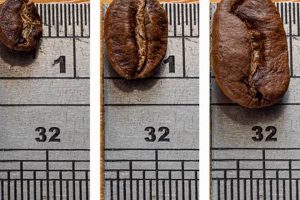
Pacamara, a hybrid of Pacas and Maragogipe, is characterized by its unusually large bean size and distinctive flavor notes. Its cup profile often exhibits a balance of sweetness, acidity, and body, with notes of chocolate, fruit, and spice. The large bean size, while not directly correlated with quality, often appeals to consumers and contributes to the varietal’s perceived value. The unique flavor characteristics, combined with the relatively lower yields compared to other varietals, contribute to Pacamara’s presence among high-value coffee beans.
- Bourbon’s Sweetness and Body
Bourbon, an Arabica varietal originating from le Bourbon (now Runion), is known for its sweetness, balanced acidity, and full body. It is a parent varietal to many other commercially grown types. While not consistently commanding the highest prices, exceptional Bourbon lots, particularly those grown at high altitudes and processed meticulously, can achieve premium pricing. Its widespread cultivation allows for a diverse range of flavor expressions, and selectively cultivated and processed Bourbon beans can exhibit remarkable cup qualities.
- Typica’s Historical Significance and Refined Qualities
Typica, one of the oldest and most significant Arabica varietals, has historically been cultivated across the globe. While it is now often overshadowed by newer, more disease-resistant varietals, exceptional Typica lots can still command high prices due to their refined qualities and historical significance. Typica beans are known for their clean acidity, balanced sweetness, and delicate floral aromas. Their historical importance and ability to produce exceptional cup quality in specific regions contribute to their enduring appeal among coffee connoisseurs.
The genetic makeup of a coffee bean, embodied in its varietal, directly dictates its potential for expressing desirable flavor characteristics. Certain varietals, due to their inherent qualities, cultivation challenges, or historical significance, are more likely to produce exceptional cups and therefore command premium prices within the global coffee market. The interplay between varietal, terroir, and processing methods ultimately determines the final cup quality and its associated economic value.
5. Flavor
Flavor serves as a primary determinant in establishing the value of coffee beans, particularly in the realm of the world’s most expensive varieties. The inherent characteristics of a coffee bean, cultivated through specific environmental conditions and processing techniques, ultimately manifest as a complex and desirable flavor profile. This sensory experience directly dictates consumer demand and, consequently, the price point. Cause and effect are readily apparent; beans exhibiting nuanced and exceptional flavor attributes command higher prices due to increased desirability.
The importance of flavor cannot be overstated as a defining component. For instance, Geisha beans from Panama are esteemed for their floral aromas, bright acidity, and tea-like body, resulting in a sensory experience highly sought after by coffee connoisseurs. Similarly, beans processed using unique fermentation methods can exhibit unconventional flavor notes, such as tropical fruits or wine-like characteristics, further amplifying their appeal and value. In both cases, the flavor experience, a direct result of origin, processing, and varietal, acts as a critical driver of consumer preference and subsequent market price.
In summary, the connection between flavor and value within the world’s most expensive coffee beans is undeniable. Flavor acts as the ultimate arbiter, reflecting the culmination of environmental factors, meticulous processing, and genetic potential. Understanding this relationship enables informed consumption and provides valuable insights into the factors driving premium pricing within the specialty coffee market. While challenges remain in quantifying and replicating exceptional flavor experiences, its fundamental role in defining value remains paramount.
6. Altitude

Elevated altitudes exert a significant influence on the quality and subsequent valuation of coffee beans. The cooler temperatures, increased precipitation, and greater diurnal temperature variations characteristic of high-altitude environments contribute to slower bean maturation. This prolonged development period allows for the accumulation of complex sugars and acids within the bean, resulting in more nuanced and desirable flavor profiles. Consequently, coffee beans cultivated at higher elevations often command premium prices due to their enhanced flavor complexity and aromatic intensity. Cause and effect is clear: altitude is a key factor affecting coffee’s flavor, which then drives market price.
The impact of altitude is evident in regions such as the Andes Mountains in South America and the highlands of Central America and East Africa. In these regions, coffee farms situated at elevations exceeding 1,500 meters above sea level are renowned for producing exceptional beans. For example, certain Geisha varietals from Panama, grown at altitudes above 1,800 meters, exemplify the influence of altitude on flavor. These beans exhibit delicate floral aromas, bright acidity, and a tea-like body, attributes directly attributed to the slow maturation process facilitated by the cooler temperatures and unique microclimates. The practical significance of understanding this connection lies in the ability to identify regions and farms with the potential to produce high-value coffee beans. Furthermore, it guides cultivation practices aimed at optimizing bean quality within high-altitude environments.
In conclusion, altitude serves as a critical determinant of coffee bean quality and value. The environmental conditions prevalent at higher elevations contribute to the development of complex flavor profiles, driving demand and elevating prices. While challenges remain in mitigating the risks associated with high-altitude farming, the potential rewards, in terms of bean quality and market value, remain substantial. The understanding of this connection links directly to the broader theme of terroir, emphasizing the profound influence of environmental factors on the inherent characteristics of agricultural products.
7. Demand

Heightened consumer desire significantly impacts the pricing structure of exceptional coffee beans. Increased demand, driven by factors such as rising affluence, heightened awareness of specialty coffee, and the pursuit of unique sensory experiences, directly contributes to the elevated cost of select varieties. When demand surpasses supply, the price necessarily increases, reflecting the principles of market economics. Cause and effect are clearly demonstrable; elevated demand provides the impetus for increased pricing, solidifying the connection between the two.
The importance of demand as a component of the cost of exceptionally priced coffee beans cannot be overstated. Certain rare or uniquely processed beans, such as Kopi Luwak or specific Geisha varieties, command significantly higher prices due to their limited availability and the intense consumer interest surrounding their unique qualities. The practical significance of understanding this dynamic allows for more informed purchasing decisions and a clearer appreciation of the factors contributing to the premium pricing. Furthermore, it informs strategic decisions for coffee producers aiming to cultivate and market high-value beans, emphasizing the critical need to understand and cater to consumer preferences.
In summary, demand functions as a critical lever in determining the price of exclusive coffee beans. Rising consumer interest, fueled by various socioeconomic and cultural factors, drives the elevated costs associated with rare and exceptional varieties. A clear understanding of this dynamic enables informed consumer choices and strategic decision-making for coffee producers. While challenges remain in accurately forecasting and responding to shifting consumer preferences, the fundamental role of demand in shaping the coffee market landscape remains irrefutable, underscoring its essential contribution to the pricing of the world’s most expensive coffee beans.
Frequently Asked Questions
The following addresses common inquiries surrounding the high costs associated with select coffee bean varieties, offering insights into the factors contributing to their exceptional value.
Question 1: What are the primary factors that determine the price of these exceptional coffee beans?
The price is influenced by a confluence of factors, including rarity, origin, processing methods, varietal, flavor profile, altitude of cultivation, and overall market demand. Limited availability and specialized cultivation techniques contribute significantly to the elevated costs.
Question 2: Is the price justified, or is it primarily marketing hype?
While marketing undoubtedly plays a role, the price is generally justified by the tangible factors outlined above. The meticulous cultivation, specialized processing, and unique flavor profiles distinguish these beans from commodity-grade coffee. The cost reflects the inherent quality and scarcity.
Question 3: Are there ethical concerns associated with the production of such expensive coffee beans?
Ethical concerns may arise, particularly regarding labor practices and environmental sustainability. Consumers should seek certifications such as Fair Trade or Rainforest Alliance to ensure ethical sourcing. Transparency and traceability within the supply chain are crucial.
Question 4: Can the average consumer discern a significant difference in taste compared to more affordable options?
The ability to discern a significant difference in taste is subjective and depends on individual palate sensitivity and experience. While the nuanced flavor profiles are often appreciated by experienced coffee drinkers, the difference may be less pronounced for casual consumers.
Question 5: Are there specific regions known for producing these high-value coffee beans?
Yes, specific regions such as Panama, Jamaica, and Indonesia are renowned for producing exceptional coffee beans. These regions often possess unique microclimates and soil conditions that contribute to the beans’ distinctive characteristics.
Question 6: How does animal digestion (e.g., Kopi Luwak) affect the coffee beans and their price?
Animal digestion alters the bean’s composition through enzymatic processes, resulting in a unique flavor profile. The labor-intensive and controversial nature of this process, coupled with the perceived novelty, contributes to the elevated price. However, ethical concerns regarding animal welfare should be considered.
In conclusion, the high prices associated with select coffee beans reflect a complex interplay of factors beyond mere marketing. While individual experiences may vary, the inherent quality, rarity, and specialized production techniques contribute to their exceptional value. Responsible consumption necessitates consideration of ethical sourcing and informed decision-making.
The subsequent section will explore the future trends influencing the market for high-end coffee beans.
Concluding Remarks
This exploration has illuminated the multifaceted factors that contribute to the valuation of the most expensive coffee beans in the world. From the influence of geographic origin and specialized processing techniques to the impact of varietal selection and consumer demand, the cost of these beans represents a confluence of variables beyond mere commodity pricing. Rarity, driven by limited production or unique cultivation environments, consistently emerges as a primary driver. Ethical considerations regarding labor practices and environmental sustainability remain paramount.
The pursuit of these exceptional beans underscores a broader trend towards discerning consumption and appreciation for artisanal products. As the global market evolves, a continued emphasis on transparency, traceability, and sustainable sourcing practices will be crucial to maintaining both the integrity of the industry and the value proposition for consumers. Further research and innovation in cultivation and processing methods hold the potential to unlock even greater nuances in flavor and aroma, ensuring the enduring allure of these highly prized commodities.