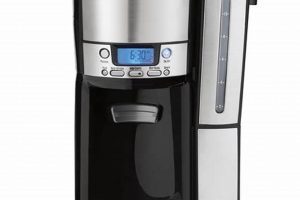
Legacy Krups brewing appliances represent a period of robust engineering and design predating the incorporation of advanced digital controls and sensor technology. These units are characterized by simpler mechanical systems, often relying on durable heating elements, thermostats, and gravity-fed water delivery. An example includes models produced throughout the 1980s and 1990s, frequently identified by their brushed stainless steel housings and uncomplicated user interfaces.
The significance of examining these earlier generation devices lies in their longevity and repairability. Unlike contemporary machines with integrated circuit boards and proprietary components, these possess a relative ease of maintenance. Owners often cite their dependable performance over decades, resisting obsolescence commonly encountered with newer, electronically dependent products. Their historical relevance also provides a glimpse into the evolution of home coffee brewing technology, showcasing a transition from manual processes to automated convenience.
The subsequent discussion focuses on identifying common malfunctions in these vintage units, exploring available replacement parts and repair strategies, and comparing their brewing capabilities with modern counterparts. An examination of user experiences and available online resources will further enhance understanding of their continued value and place within the landscape of coffee preparation.
Maintenance and Optimization Strategies
The following guidelines address methods to ensure optimal operation and longevity for these brewing appliances. Consistent adherence to these recommendations can mitigate common issues and prolong the service life of the equipment.
Tip 1: Descale Regularly: Mineral buildup from water is a primary cause of malfunction. Utilize a descaling solution every one to three months, depending on water hardness. Follow the manufacturer’s instructions for the descaling agent. Ensure complete rinsing after the descaling process to remove residual chemicals.
Tip 2: Clean Components Thoroughly: Periodically disassemble and clean removable parts, including the filter basket, carafe, and water reservoir. Use warm, soapy water and a non-abrasive brush. Rinse thoroughly to prevent taste contamination.
Tip 3: Inspect Heating Element: Examine the heating element for corrosion or mineral deposits. Gently clean with a soft cloth. Ensure the element is fully submerged during operation to prevent burnout. If excessive corrosion is present, replacement may be necessary.
Tip 4: Replace Filter Basket: Over time, the filter basket may become clogged or damaged. Replacing the basket ensures proper water flow and prevents grounds from entering the brewed coffee. Use a filter basket specifically designed for the model.
Tip 5: Check Electrical Cord and Connections: Inspect the power cord for fraying or damage. Ensure the cord is securely connected to the appliance and the electrical outlet. Damaged cords pose a safety hazard and should be replaced immediately.
Tip 6: Prime Before Each Use: If the unit has been idle for an extended period, prime the system by running a cycle with water only. This helps to remove any stale water and ensure optimal brewing temperature.
Implementing these strategies can contribute to the continued functionality and performance. Regular maintenance reduces the risk of component failure and ensures consistent coffee quality.
The subsequent section will address troubleshooting common problems encountered with these devices.
1. Durability

Durability represents a core attribute frequently associated with legacy Krups coffee preparation devices. This characteristic, often cited by long-term owners, reflects the design and construction methodologies employed during their manufacturing era. It significantly contributes to their continued operation despite the availability of newer, technologically advanced alternatives.
- Robust Heating Elements
The heating elements found in these older units typically feature a simpler, more robust construction compared to those in contemporary machines. These elements often consist of thick-gauge metal alloys designed to withstand repeated thermal cycling. Their failure rate is comparatively low, contributing substantially to the appliance’s overall longevity. Examples include incoloy sheathed elements found in models manufactured prior to 2000, which demonstrate superior resistance to corrosion and burnout.
- Mechanical Timer Systems
The reliance on mechanical timers, as opposed to electronic controllers, contributes significantly to the robustness of these models. Mechanical timers are less susceptible to electrical surges and component degradation that frequently plague electronic counterparts. Their straightforward design facilitates easier repair and replacement, further extending the operational lifespan of the device. Typical examples involve spring-wound timers found in early models, renowned for their reliability and ease of adjustment.
- Simple Internal Wiring
The internal wiring in these appliances is generally simpler and less prone to failure compared to modern designs. Older units typically utilize thicker gauge wires and fewer connections, reducing the likelihood of shorts or open circuits. This straightforward configuration simplifies troubleshooting and repair. Common examples include point-to-point wiring layouts, readily accessible for inspection and maintenance.
- Sturdy Housing Materials
The use of durable housing materials, such as stainless steel or high-impact plastics, contributes to the appliance’s ability to withstand physical wear and tear. These materials resist cracking, chipping, and corrosion, protecting internal components from damage. Models manufactured with brushed stainless steel exteriors provide a characteristic example of this enduring construction.
The collective effect of these factorsrobust heating elements, mechanical timer systems, simple wiring, and durable materialsunderlines the inherent durability associated with legacy Krups brewing appliances. This attribute, distinct from many modern appliances, provides a compelling reason for their continued utilization and appreciation.
2. Simplicity
The operational simplicity inherent in legacy Krups coffee preparation devices is a defining characteristic contributing to their enduring appeal. This facet stems from a design philosophy prioritizing functionality over complexity, resulting in machines with intuitive controls and straightforward internal mechanisms. A direct consequence of this simplified approach is a reduced learning curve for users and enhanced ease of maintenance. These units typically feature a single on/off switch and a basic timer, minimizing the potential for user error and streamlining the brewing process. Older models lack the programmable functions and digital displays found in contemporary appliances, reflecting a focus on essential coffee-making elements.
Simplicity’s importance extends to repairability. The absence of intricate electronic components simplifies troubleshooting and part replacement. Many malfunctions can be diagnosed and rectified with basic tools and a moderate understanding of mechanical systems. This contrasts sharply with modern appliances requiring specialized diagnostic equipment and expert technicians. For example, a malfunctioning thermostat in an older Krups model can often be replaced by a user with minimal experience, whereas a faulty circuit board in a newer machine necessitates professional intervention. This ease of repair contributes to the extended lifespan of the appliance.
In conclusion, the operational and mechanical simplicity of these vintage Krups coffee makers is a critical factor in their continued usability. This design choice not only simplifies the brewing process for users but also enhances the machine’s maintainability and longevity. While lacking the features of modern alternatives, the simplicity of these legacy appliances represents a significant advantage in terms of ease of use and repair, ensuring their relevance in a market increasingly dominated by complex, technologically driven products.
3. Repairability
Repairability is a critical attribute when considering the enduring utility of legacy Krups coffee preparation devices. The design and construction of older models, characterized by simpler mechanical and electrical systems, inherently facilitate maintenance and restoration activities.
- Availability of Replacement Parts
A key element contributing to repairability is the accessibility of replacement components. While original manufacturer parts may become scarce, compatible substitutes are often available through online marketplaces, appliance repair shops, and specialized parts suppliers. Examples include heating elements, thermostats, and switches, readily sourced from third-party vendors. This accessibility allows owners to address malfunctions without requiring complete unit replacement.
- Simplified Diagnostic Procedures
The relatively uncomplicated design of these older units simplifies the diagnostic process. Malfunctions are frequently traceable to individual components, such as a failed heating element or a malfunctioning timer. The absence of complex electronic control systems reduces the number of potential failure points, enabling technicians or informed owners to isolate and address problems efficiently. A multimeter and basic hand tools are often sufficient for identifying the source of a malfunction.
- User-Serviceable Design
Many legacy models feature a design that allows for user intervention in maintenance and repair. Components are typically accessible with minimal disassembly, and service manuals often provide detailed instructions for common repairs. This contrasts sharply with modern appliances, where proprietary designs and sealed components often necessitate professional service. The presence of readily removable panels and accessible wiring connections enhances the feasibility of user-performed repairs.
- Community Support and Knowledge Sharing
A community of enthusiasts and repair professionals often exists around these older appliances. Online forums and resource websites provide valuable information on troubleshooting, repair techniques, and parts sourcing. This collective knowledge base empowers owners to address issues independently, leveraging the experience of others. Shared diagrams, repair guides, and video tutorials contribute to the accessibility of repair information.
The combination of readily available parts, simplified diagnostics, user-serviceable designs, and robust community support collectively underpins the high degree of repairability associated with legacy Krups coffee preparation devices. This attribute, coupled with their inherent durability, contributes significantly to their continued functionality and appeal in an era of increasingly disposable consumer electronics.
4. Component Sourcing

The sustained functionality of Krups coffee maker older models is intrinsically linked to the feasibility of component sourcing. The availability of replacement parts directly dictates the lifespan and maintainability of these appliances, given the eventual wear and tear experienced by various components. Successful component sourcing ensures the continued operation of these legacy devices, often surpassing that of newer, more technologically advanced models.
- Original Equipment Manufacturer (OEM) Parts
The pursuit of original equipment manufacturer parts represents the most direct approach to component sourcing. However, the limited production runs and subsequent discontinuation of many older models render these parts increasingly scarce. Inventory held by authorized service centers or acquired through estate sales and liquidations constitute primary sources. The identification of OEM parts ensures optimal fit and performance, although cost and availability are significant constraints.
- Aftermarket Components
The aftermarket sector provides an alternative avenue for component sourcing. Aftermarket components are manufactured by companies other than the original manufacturer, often adhering to similar specifications. These parts offer a cost-effective solution when OEM components are unavailable. However, variations in quality and performance may exist. Careful vetting of aftermarket suppliers and thorough product reviews are essential to ensure compatibility and reliability.
- Salvaged Components
Salvaging components from defunct or irreparable units presents another viable option. Individual components, such as switches, wiring, or housing elements, can be extracted from donor machines and repurposed in operational units. This approach promotes sustainability and resourcefulness, extending the lifespan of functional appliances by utilizing components that would otherwise be discarded. The feasibility of salvaging depends on the availability of donor units and the expertise required for disassembly and component extraction.
- Universal and Adaptable Parts
Certain components, such as heating elements or thermostats, may be replaced with universal parts or components adaptable to the specific appliance. Universal parts offer standardized dimensions and functionalities, allowing for broader compatibility. Adaptable parts may require minor modifications to ensure proper fit and operation. The successful integration of universal or adaptable parts requires careful measurement, precise installation, and a thorough understanding of the electrical and mechanical specifications of the appliance.
The confluence of these sourcing methodsOEM parts, aftermarket alternatives, salvaged components, and adaptable partsenables the preservation and continued use of Krups coffee maker older models. The ability to secure necessary components mitigates obsolescence and underscores the enduring value of these appliances in the context of sustainable consumption and appliance longevity. The pursuit of these avenues requires diligence and informed decision-making, ensuring the continued functionality and reliability of these legacy devices.
5. Brewing Consistency
Brewing consistency represents a critical performance metric for all coffee preparation devices, including Krups coffee maker older models. Achieving consistent results necessitates a stable brewing temperature, regulated water flow, and appropriate contact time between water and coffee grounds. Variations in these parameters directly impact the extraction process, influencing the flavor, aroma, and overall quality of the brewed coffee.
- Thermostat Reliability
The thermostat plays a pivotal role in maintaining a stable brewing temperature. Legacy Krups models often utilize bimetallic strip thermostats, which, while robust, can exhibit drift over extended periods. This drift leads to temperature fluctuations, affecting extraction uniformity. Regular calibration or replacement of the thermostat is essential to ensure consistent brewing temperatures and mitigate variations in coffee strength and flavor.
- Water Distribution System
The water distribution system ensures uniform saturation of the coffee grounds. Older models typically employ a showerhead design, distributing water over the grounds in a dispersed pattern. Clogging or mineral buildup within the showerhead can lead to uneven water distribution, resulting in under-extraction in some areas and over-extraction in others. Periodic cleaning and descaling of the water distribution system are crucial for maintaining consistent saturation and brewing uniformity.
- Brew Time Regulation
The brew time, or contact time between water and coffee grounds, directly influences the extraction process. Many older Krups models rely on a simple on/off switch, lacking precise brew time control. This absence of regulation can lead to inconsistencies in extraction, particularly when brewing smaller batches or using different coffee grind sizes. Careful monitoring and manual intervention are necessary to optimize brew time and achieve consistent results.
- Water Quality Impact
The quality of water used for brewing exerts a notable influence on the consistency of the final product. Impurities or mineral content present in the water can interact with the coffee grounds, altering the flavor profile and potentially inhibiting proper extraction. Employing filtered or purified water minimizes these effects, promoting greater brewing consistency and ensuring that the inherent characteristics of the coffee beans are accurately conveyed.
Achieving brewing consistency with Krups coffee maker older models necessitates a proactive approach to maintenance and a thorough understanding of the factors influencing the brewing process. While these appliances may lack the advanced control features of modern machines, careful attention to thermostat reliability, water distribution, brew time regulation, and water quality can yield consistently satisfying results. The inherent simplicity of these models, when combined with informed operation, allows for the creation of high-quality coffee that rivals that produced by more complex brewing systems.
6. Aesthetic Value
The aesthetic value inherent in legacy Krups coffee preparation devices constitutes a significant factor in their sustained appeal and continued presence within modern kitchens. These appliances frequently evoke a sense of nostalgia, representing a design aesthetic that contrasts sharply with the sleek, minimalist styles prevalent in contemporary appliances. The visual characteristics of these models, often characterized by brushed stainless steel, rounded forms, and simplified control panels, contribute to a distinct visual identity. This aesthetic resonates with individuals who appreciate vintage design, mid-century modern aesthetics, or seek to incorporate elements of retro style into their living spaces.
The importance of aesthetic value as a component of these older Krups models extends beyond mere visual appeal. These appliances serve as functional artifacts, reflecting the design sensibilities of their respective eras. For instance, models produced in the 1970s and 1980s often embody the “form follows function” principle, emphasizing practical utility and straightforward operation. Their unadorned designs and durable materials communicate a sense of reliability and longevity. A Krups coffee maker, prominently displayed in a kitchen, becomes more than just an appliance; it serves as a conversation piece, reflecting the owner’s appreciation for design history and their deliberate choice to embrace a specific aesthetic.
In conclusion, the aesthetic value of legacy Krups coffee preparation devices represents a tangible asset, contributing to their enduring desirability. The visual characteristics of these appliances evoke nostalgia, embody specific design principles, and provide a counterpoint to the prevailing trends in modern appliance design. While functional performance remains paramount, the aesthetic dimension enhances the ownership experience, solidifying the place of these vintage models within the broader landscape of kitchen dcor and design appreciation.
Frequently Asked Questions
The following questions address common inquiries regarding the maintenance, operation, and value of Krups coffee maker older models. These answers aim to provide clear and concise information based on established practices and expert knowledge.
Question 1: How frequently should a legacy Krups coffee maker be descaled?
Descaling frequency depends on water hardness. In areas with hard water, descaling every one to two months is recommended. Soft water areas may require descaling every three to four months. Adherence to a regular descaling schedule prevents mineral buildup and ensures optimal performance.
Question 2: Where can replacement parts be sourced for discontinued Krups coffee maker models?
Replacement parts can be obtained from online marketplaces, appliance repair shops, and specialized parts suppliers. Aftermarket components and salvaged parts from defunct units offer alternative sourcing options when original equipment manufacturer parts are unavailable.
Question 3: What type of descaling solution is recommended for legacy Krups appliances?
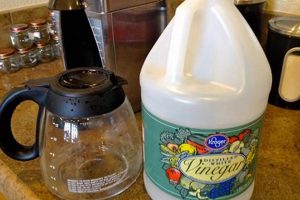
A commercially available descaling solution specifically formulated for coffee makers is recommended. Vinegar solutions may also be used, but complete rinsing is essential to eliminate residual odors and flavors.
Question 4: How does the brewing temperature of older Krups models compare to that of modern coffee makers?
Brewing temperatures in older models may fluctuate due to thermostat variability. Modern coffee makers often incorporate more precise temperature control systems. Regular thermostat calibration or replacement may be necessary to maintain optimal brewing temperature in legacy units.
Question 5: What are the common indicators of a failing heating element in a vintage Krups coffee maker?
Common indicators include prolonged brewing times, weak coffee, or complete failure to heat water. A multimeter can be used to test the heating element’s continuity. A reading of infinite resistance suggests a defective element requiring replacement.
Question 6: Is it safe to continue using a legacy Krups coffee maker with a damaged power cord?
No, a damaged power cord presents a significant safety hazard. Use of an appliance with a compromised power cord should be discontinued immediately. The power cord should be replaced by a qualified technician prior to further operation.
In summary, maintaining these vintage appliances requires attention to descaling, sourcing appropriate replacement parts, and addressing potential safety hazards. Proactive maintenance ensures continued functionality and mitigates the risk of component failure.
The subsequent section will address user modifications and customization options for Krups coffee maker older models.
Conclusion
The preceding analysis has explored various facets of Krups coffee maker older models, emphasizing their durability, simplicity, repairability, component sourcing, brewing consistency, and aesthetic value. These attributes contribute to the continued relevance of these appliances, despite the proliferation of more technologically advanced alternatives. The discussion underscores the importance of proactive maintenance and informed decision-making in maximizing the lifespan and functionality of these legacy devices.
The enduring presence of Krups coffee maker older models within households reflects a broader trend towards valuing sustainability and resourcefulness. Their continued utilization serves as a testament to the enduring quality of well-designed appliances and encourages responsible consumption practices. Further research into optimized brewing techniques and innovative component sourcing strategies may further enhance the viability and appeal of these vintage coffee makers in the future.
![Best 12 Cup Programmable Coffee Maker [Guide & Reviews] | The Ultimate Coffee Guide: Types, Brewing Methods & Best Beans](https://deacoffee.com/wp-content/uploads/2026/04/th-268-300x200.jpg "Best 12 Cup Programmable Coffee Maker [Guide & Reviews] The Ultimate Coffee Guide: Types, Brewing Methods & Best Beans")