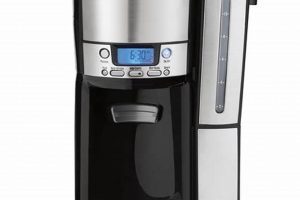
The operation of a Keurig coffee machine centers on a streamlined process: introducing water into the reservoir, inserting a compatible K-Cup pod, and initiating the brewing cycle via designated control buttons. The device then heats the water and forces it through the K-Cup, dispensing a single serving of coffee into a cup. This methodology offers a swift and convenient means of preparing individual coffee servings.
The appeal of this brewing system resides in its efficiency and simplicity. It eliminates the need to measure coffee grounds, reduces cleanup efforts, and offers a wide variety of beverage options through the diverse range of available K-Cups. The system’s initial market introduction provided a novel approach to single-cup brewing, catering to individuals valuing speed and convenience over traditional coffee-making methods.
The subsequent sections will elaborate on the specific steps involved in preparing coffee, address routine maintenance procedures, and provide troubleshooting guidance for common operational issues. This will allow for efficient and long-lasting use of the equipment.
Optimizing Keurig Single-Serve Coffee Maker Operation
The following guidelines aim to improve the performance and longevity of the Keurig single-serve brewing system. Adhering to these recommendations can minimize malfunctions and ensure consistent beverage quality.
Tip 1: Water Quality Management: Utilize filtered water to mitigate mineral buildup within the internal components. Mineral deposits can impede heating efficiency and affect the taste profile of the coffee.
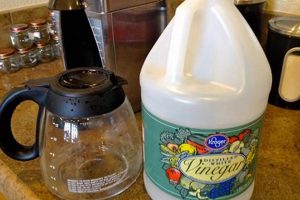
Tip 2: Regular Descaling Protocol: Perform descaling at recommended intervals, typically every three to six months, depending on water hardness. Use a commercially available descaling solution or a diluted white vinegar solution following the manufacturer’s instructions.
Tip 3: K-Cup Pod Compatibility Verification: Employ only K-Cup pods specifically designed for use with the machine. Non-compatible pods may cause damage or malfunction.
Tip 4: Proper Pod Insertion Technique: Ensure the K-Cup pod is securely seated within the pod holder before initiating the brewing cycle. Incorrect placement can result in leaks or incomplete brewing.
Tip 5: Cleaning of External Components: Regularly wipe down the exterior surfaces with a damp cloth to prevent the accumulation of dust and spills. This maintains the aesthetic appearance and prevents residue buildup.
Tip 6: Periodic Reservoir Cleaning: Clean the water reservoir with mild soap and water on a regular basis. Rinse thoroughly to remove any soap residue, which can impart an undesirable flavor to the brewed beverage.
Tip 7: Prompt Removal of Used Pods: Remove the used K-Cup pod immediately after brewing to prevent potential clogs or bacterial growth within the pod holder.
By implementing these operational refinements, users can extend the lifespan of the coffee maker, maintain optimal brewing performance, and consistently enjoy a high-quality beverage.
The subsequent section will provide a conclusion summarizing the essential operational aspects and maintenance requirements discussed.
1. Water Reservoir Filling

The process of water reservoir filling is a fundamental prerequisite for the proper operation of a Keurig single-serve coffee maker. Inadequate or incorrect filling directly impacts the brewing cycle and the quality of the resultant beverage. Therefore, understanding its nuances is crucial for successful utilization.
- Minimum Water Level
The Keurig system requires a minimum water level in the reservoir to function. Operating the machine without sufficient water can lead to overheating, pump damage, or incomplete brewing cycles. The specific minimum level is typically indicated by a marking within the reservoir. Failure to adhere to this requirement can result in a system error and necessitate a reset of the machine.
- Maximum Water Level
Conversely, overfilling the water reservoir can also create operational problems. Exceeding the maximum fill line may cause spillage, potentially damaging the machine’s internal components or surrounding surfaces. Furthermore, overfilling can interfere with the water heating process, leading to inconsistent brewing temperatures.
- Water Quality Considerations
The quality of water used in the reservoir directly affects the taste of the brewed coffee and the lifespan of the machine. Hard water, containing high mineral content, can lead to scale buildup within the internal heating elements and tubing. This scale reduces heating efficiency and can alter the flavor profile of the coffee. Using filtered water is recommended to mitigate these issues.
- Reservoir Cleanliness
Maintaining the cleanliness of the water reservoir is essential for preventing bacterial growth and ensuring the freshness of the brewed coffee. Regular cleaning with mild soap and water removes residue and contaminants that can accumulate over time. Neglecting this maintenance step can compromise the hygiene of the brewing system and affect the quality of the beverage.
The correct and conscientious filling of the water reservoir is therefore more than a simple preliminary step. It is a critical factor influencing the performance, longevity, and hygiene of the Keurig single-serve coffee maker. Neglecting the parameters outlined above can lead to a variety of operational issues and a diminished brewing experience.
2. Pod Insertion Security

The secure insertion of a compatible pod is a critical component for the effective operation of a Keurig single-serve coffee maker. Improper insertion can lead to various malfunctions and a suboptimal brewing process. The system relies on precise alignment and puncturing of the pod for water to flow through the coffee grounds correctly. If the pod is not correctly seated, the water may bypass the grounds entirely, resulting in a weak or watery beverage. Conversely, a loosely inserted pod may leak during the brewing cycle, creating a mess and potentially damaging the machine’s internal components. An example would be a situation where the pod is only partially inserted; the puncturing mechanism will not fully engage, preventing proper water flow and resulting in a weak or non-existent brew. This emphasizes that the process of inserting pod is the basic of how to use keurig single serve coffee maker.
Ensuring pod insertion security involves several key actions. These include verifying the pod is compatible with the specific Keurig model, carefully placing the pod into the holder, and confirming it is fully seated before closing the lid. Some models feature locking mechanisms or visual cues that indicate secure placement. The force applied during lid closure should be firm but not excessive, as excessive force can damage the pod holder or the puncturing mechanism. Furthermore, users should inspect the used pod after brewing to confirm it was properly punctured and that the coffee grounds were fully saturated. Any irregularities can indicate an issue with pod insertion or the machine’s puncturing mechanism.
In conclusion, secure pod insertion is not merely a perfunctory step; it’s a foundational element that directly affects the overall brewing process and the quality of the final product. Proper technique and attention to detail in this stage of the operation can prevent a range of issues, ensuring a consistent and satisfying brewing experience. Overlooking this seemingly minor aspect can compromise the functionality of the device and the quality of the resulting beverage.
3. Brew Size Selection

Brew size selection is an integral aspect of operating a Keurig single-serve coffee maker, influencing both the concentration and overall volume of the brewed beverage. The selection process allows users to tailor their coffee to individual preferences, optimizing the balance between flavor intensity and portion size. An understanding of this feature is essential for maximizing the potential of the Keurig system.
- Water Volume Calibration
The brew size selection directly controls the amount of water dispensed during the brewing cycle. Different cup sizes correspond to specific water volumes, typically ranging from 6 to 12 ounces, depending on the Keurig model. Choosing a smaller cup size concentrates the coffee flavor, while selecting a larger size results in a more diluted brew. The machine internally regulates the water flow according to the selected setting, ensuring consistent volume delivery.
- Strength Customization Implications
Selecting an appropriate brew size is crucial for achieving the desired coffee strength. Utilizing a smaller cup size with a strong coffee blend amplifies the intensity of the beverage, while using a larger cup size with a milder blend can create a more balanced flavor profile. Users can experiment with different combinations of brew size and coffee blend to discover their preferred taste.
- Impact on K-Cup Utilization
The brew size selection influences the efficiency of K-Cup utilization. Using a larger cup size with a standard K-Cup may result in a weaker beverage, as the water volume exceeds the optimal extraction capacity of the pod. Conversely, using a smaller cup size maximizes the flavor extraction from the K-Cup, providing a more robust and concentrated brew. It is imperative that users select the correct brew size. For example, If one attempts to brew a 12oz cup with a K-Cup intended for 6oz, the drink will be notably weaker.
- Energy Consumption Considerations
The brew size selection indirectly affects the energy consumption of the Keurig machine. Larger brew sizes require more water to be heated, resulting in increased energy usage per brewing cycle. Choosing smaller cup sizes can reduce energy consumption, particularly when brewing multiple cups per day. This factor becomes relevant for users seeking to minimize their environmental footprint.
The integration of brew size selection into the Keurig brewing process provides users with a degree of control over their coffee consumption. This degree of control leads to a brewing experience tailored to ones precise preferences. Mastering this feature allows for the optimization of flavor, volume, and efficiency. It demonstrates the sophistication of the Keurig single serve coffee maker.
4. Initiating Brew Cycle

The commencement of the brewing cycle represents the culminating step in utilizing a Keurig single-serve coffee maker. This action triggers the automated sequence of water heating, pod puncturing, and beverage dispensing. The successful execution of this phase is paramount to the overall functionality of the appliance.
- Power Activation and System Readiness
Prior to initiating the brew cycle, the Keurig unit requires power activation. The machine must undergo a warm-up phase to bring the internal water reservoir to the optimal brewing temperature. Failure to allow sufficient warm-up time can result in incomplete or improperly heated beverages. An illuminated indicator light, or a display notification, typically signals system readiness.
- Button Selection and Brew Size Confirmation
The initiation process typically involves selecting the desired brew size via designated control buttons. Prior to pressing the brew button, the user must confirm that the selected size corresponds to the available water level and intended cup volume. Initiating the cycle with an incorrect size setting can result in overfilling or incomplete brewing.
- Automated Sequence and Intervention Limitations
Upon pressing the brew button, the Keurig system initiates an automated sequence. This sequence comprises water heating, pod puncturing, and water dispensing. Once initiated, the automated sequence typically allows for limited intervention. Aborting the cycle mid-brew can lead to system errors or incomplete beverage dispensing.
- Safety Protocols and Potential Malfunctions
Initiating the brew cycle requires adherence to specific safety protocols. Users must ensure that the cup is properly positioned beneath the dispensing nozzle and that the area surrounding the machine is clear of obstructions. Malfunctions during the brewing cycle can result in hot water spillage, posing a potential safety hazard. Immediate termination of the power supply may be necessary in cases of significant malfunction.
The successful commencement of the brewing cycle is therefore contingent upon a sequence of preparatory actions and adherence to operational guidelines. Failure to attend to these parameters can compromise the functionality of the Keurig system and the quality of the brewed beverage. As such, understanding this final step is critical to properly knowing how to use keurig single serve coffee maker.
5. Used Pod Removal

The process of removing used pods from a Keurig single-serve coffee maker is a fundamental, yet often overlooked, aspect of its operation. Proper execution of this step directly impacts the hygiene, maintenance, and overall longevity of the appliance. This process, while seemingly simple, is crucial to understanding how to use a Keurig single-serve coffee maker effectively.
- Hygiene and Prevention of Mold Growth
Used coffee grounds retain moisture, creating an environment conducive to mold and bacterial growth. Prolonged retention of used pods within the machine encourages the proliferation of these organisms, potentially contaminating subsequent brews. Prompt removal mitigates this risk, contributing to a cleaner and more hygienic brewing environment. For example, leaving a pod in place for several days, especially in a humid environment, significantly increases the likelihood of mold development.
- Prevention of Clogging and Mechanical Issues
Over time, accumulated residue from used pods can contribute to clogging within the pod holder and puncturing mechanism. This can impede the machine’s performance and potentially lead to mechanical malfunctions. Regular removal of used pods prevents this buildup, ensuring the machine operates smoothly and efficiently. Ignoring used pod removal can result in the puncturing needles becoming obstructed, requiring manual cleaning or, in severe cases, repair.
- Maintenance of Optimal Flavor Profile
The lingering aroma of old coffee grounds within the pod holder can subtly impact the flavor of subsequent brews. While the effect may be minimal, diligent removal of used pods ensures a consistently fresh and unadulterated coffee taste. Over time, the lingering scent can permeate the machine’s internal components, creating a subtle, yet noticeable, alteration in the taste of different brews. This is particularly noticeable when switching between different coffee blends or from coffee to tea.
- Facilitating Proper Waste Disposal and Environmental Responsibility
The prompt removal of used pods allows for proper disposal of coffee grounds and the K-Cup pod itself, facilitating environmentally responsible waste management. Separating the coffee grounds for composting and recycling the plastic pod components (where possible) minimizes environmental impact. Regularly emptying the used pod receptacle promotes consistent and responsible waste handling practices.
In summary, used pod removal is not a mere afterthought in operating a Keurig. It is a critical practice that contributes to hygiene, performance, flavor consistency, and environmental responsibility. This seemingly trivial step is an integral part of how to use a Keurig single-serve coffee maker properly and effectively.
6. Regular Descaling

Regular descaling is an essential and integral component of proper Keurig single-serve coffee maker operation. The functionality of the machine depends significantly on the cleanliness of its internal components, particularly the heating element and water lines. Mineral deposits, primarily calcium and lime, accumulate over time due to the continuous heating of water. These deposits impede heating efficiency, leading to prolonged brewing times and increased energy consumption. Consequently, a failure to regularly descale negatively impacts the fundamental usability and effectiveness of the appliance. For example, if a Keurig user does not descale their machine for six months in an area with hard water, they are likely to experience significantly slower brewing times, and the dispensed coffee may be lukewarm.
The practical significance of regular descaling extends beyond mere performance enhancement. Mineral buildup can alter the taste of the brewed coffee, imparting a metallic or bitter flavor. Moreover, excessive scale accumulation can damage internal components, leading to costly repairs or premature machine failure. The descaling process involves using a descaling solution, either commercially manufactured or a diluted vinegar solution, to dissolve the mineral deposits. Following the manufacturer’s instructions precisely is crucial to avoid damaging the machine’s internal parts. Neglecting this maintenance aspect can lead to complete system failure, rendering the coffee maker unusable until professional repair is undertaken. A specific instance would be a user experiencing a complete blockage of water flow within the system, preventing any coffee from being brewed. The only solution is descaling.
In summary, regular descaling is not merely an optional maintenance task, but a critical procedure directly linked to the long-term functionality and performance of a Keurig single-serve coffee maker. It ensures efficient operation, optimal taste quality, and extends the lifespan of the machine. The challenge lies in adhering to a consistent descaling schedule, typically every three to six months, based on water hardness, and following the appropriate descaling process to avoid damaging the internal components. This adherence constitutes a fundamental understanding of how to use keurig single serve coffee maker correctly.
7. Component Cleaning

Component cleaning within the context of Keurig single-serve coffee maker operation is directly related to the appliance’s performance and longevity. Neglecting this aspect of maintenance compromises the machines functionality. The following outlines the essential elements of component cleaning and their impact on the utilization of the machine.
- Water Reservoir Sanitation
The water reservoir serves as the primary holding tank for water used in the brewing process. Mineral deposits, bacterial growth, and residual flavors can accumulate within this component. Regular cleaning with mild soap and water is essential to maintain water purity and prevent the transfer of undesirable tastes to the coffee. An example of the consequence of not cleaning this component would be observing visible mold or algae growth inside the reservoir, which directly affects the quality and safety of the brewed beverage. Failure to clean will degrade functionality.
- Pod Holder and Puncturing Mechanism Maintenance
The pod holder and puncturing mechanism are critical to the brewing process, as they facilitate the insertion and perforation of K-Cup pods. Coffee grounds and oils can accumulate within these components, leading to clogging and reduced puncturing efficiency. Regular cleaning with a small brush or pin is necessary to remove debris and ensure proper operation. A real-world example includes a scenario where a user experiences difficulty inserting pods or notices incomplete pod punctures, indicating the need for cleaning. A failure to clean will degrade functionality.
- Drip Tray and Exterior Surface Cleaning
The drip tray collects spilled coffee and excess water during the brewing cycle. Regular cleaning of the drip tray prevents the accumulation of stains and bacteria, maintaining the aesthetic appearance of the machine. Similarly, cleaning the exterior surfaces removes spills and dust. A common example is coffee staining on the drip tray, which, if left unattended, becomes difficult to remove. The user experience becomes negative due to bad aesthetics.
- Exit Needle Maintenance
The exit needle in the Keurig system dispenses the brewed coffee into the cup. This needle can become clogged with coffee grounds and oils, impacting the flow and taste of the beverage. Using a small cleaning tool, such as a paperclip or specialized Keurig cleaning tool, to regularly clear any blockages is vital. For example, a common sign of a clogged needle is a weak or sputtering coffee stream. Regular maintenance ensures proper coffee dispensing and a clean taste.
The facets outlined above illustrate the importance of component cleaning in the proper usage of a Keurig single-serve coffee maker. Consistent cleaning across all components maximizes the machine’s operational lifespan, ensures the purity of brewed beverages, and contributes to a positive user experience. Understanding these components is key to being able to use a keurig single serve coffee maker.
Frequently Asked Questions
The following addresses common inquiries regarding the operation of Keurig single-serve coffee makers. The purpose is to clarify procedures and troubleshoot potential issues, enhancing the user’s understanding and ensuring the optimal performance of the appliance.
Question 1: Why is the Keurig not brewing a full cup?
Several factors can contribute to this issue. Insufficient water in the reservoir, a clogged exit needle, or mineral buildup within the system are all possible causes. Verify the water level, clean the exit needle, and perform a descaling cycle to address these potential problems.
Question 2: How often should a Keurig be descaled?
The frequency of descaling depends on water hardness. In areas with hard water, descaling should be performed every three months. In areas with soft water, descaling every six months is generally sufficient. Regular descaling prevents mineral buildup and ensures optimal performance.
Question 3: Can regular tap water be used in the Keurig?
While tap water can be used, filtered water is recommended. Filtered water reduces the accumulation of mineral deposits within the system and improves the taste of the brewed coffee. The higher the water quality used, the better the coffee and overall function.
Question 4: What to do if the Keurig displays an “Error” message?
An “Error” message indicates a system malfunction. The specific error code provides further information. Consult the user manual or the manufacturer’s website for troubleshooting guidance. Common solutions include resetting the machine or checking the water level sensor.
Question 5: How to clean the Keurig pod holder?
Remove the pod holder from the machine. Wash it with mild soap and water, and then rinse thoroughly. Use a small brush or pin to remove coffee grounds from the puncturing needles. This ensures proper pod insertion and brewing.
Question 6: Is it possible to use refillable pods in a Keurig?
Many Keurig models are compatible with refillable pods. These pods allow the use of ground coffee instead of pre-packaged K-Cups. Ensure the refillable pod is compatible with the specific Keurig model to prevent damage or malfunction.
These FAQs provide a foundation for understanding and resolving common issues associated with Keurig operation. Adhering to these guidelines ensures consistent performance and prolongs the lifespan of the machine.
The subsequent section will present a comprehensive troubleshooting guide, addressing a broader range of potential operational problems and their respective solutions.
Keurig Single Serve Coffee Maker
The preceding examination has detailed the necessary procedures for the correct and efficient operation of a Keurig single-serve coffee maker. The information provided encompasses all critical aspects, from initial setup to routine maintenance, including water reservoir management, pod insertion protocols, brew size selection, descaling processes, and component cleaning. These elements, when executed properly, ensure optimal machine performance and beverage quality.
Achieving proficiency in the utilization of this appliance rests upon a commitment to these systematic operational guidelines. By adhering to the described methodologies, users can maximize the lifespan of the machine, maintain beverage consistency, and prevent potential operational malfunctions. The continued and conscientious application of this knowledge is critical to a satisfactory long-term brewing experience.

![Best 12 Cup Programmable Coffee Maker [Guide & Reviews] | The Ultimate Coffee Guide: Types, Brewing Methods & Best Beans](https://deacoffee.com/wp-content/uploads/2026/04/th-268-300x200.jpg "Best 12 Cup Programmable Coffee Maker [Guide & Reviews] The Ultimate Coffee Guide: Types, Brewing Methods & Best Beans")