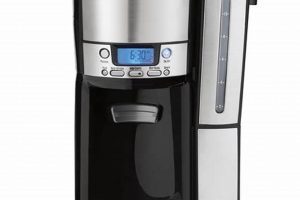
The process involves utilizing concentrated coffee extract, often produced using an espresso machine, as the foundation for various coffee beverages. A small, potent shot of this extract serves as the base ingredient, which can then be diluted or combined with other elements to create drinks tailored to specific preferences.
Employing this extraction method offers a controlled and consistent starting point for coffee preparation. The rich flavor profile of the concentrated extract allows for precise adjustments to strength and taste, enabling the creation of a wide array of coffee drinks with remarkable consistency. This approach provides a reliable foundation upon which different flavor profiles can be built, catering to diverse palates and preferences.
Subsequent sections will detail the specific techniques involved in crafting common coffee preparations using this foundational extraction method. These instructions will cover the proportions of coffee extract to other ingredients, recommended brewing methods, and suggested variations to achieve desired flavor profiles.
Tips for Superior Coffee Preparation
Achieving consistently high-quality coffee beverages through precise extraction requires careful attention to detail and adherence to established best practices. The following tips aim to enhance the overall experience and optimize the final result.
Tip 1: Water Quality Matters. The mineral composition of the water used significantly impacts the final flavor. Employ filtered water to minimize unwanted tastes and ensure optimal extraction.
Tip 2: Grind Size Consistency is Crucial. An even grind is essential for uniform extraction. Invest in a quality burr grinder to achieve consistent particle size, preventing both under-extraction and over-extraction.
Tip 3: Temperature Stability is Paramount. Maintain a consistent brewing temperature between 195F and 205F (90C and 96C) to ensure optimal flavor extraction and prevent bitterness.
Tip 4: Dose Accurately and Tamp Evenly. Weigh the coffee grounds for precise dosing and apply consistent pressure when tamping to create a uniform coffee puck, promoting even water flow.
Tip 5: Observe the Extraction Process. Monitor the flow rate and color of the coffee extract during the brewing process. A slow, even flow with a rich, dark crema indicates proper extraction.
Tip 6: Clean Equipment Regularly. Residual coffee oils and grounds can negatively impact flavor. Thoroughly clean the machine, portafilter, and baskets after each use to maintain optimal performance.
Tip 7: Pre-heat Components. Warming the portafilter and cup prior to extraction helps maintain temperature stability and prevents heat loss, leading to a more flavorful beverage.
Following these guidelines promotes consistency, enhances the flavor profile, and elevates the overall coffee preparation experience. A disciplined approach to each step ensures a reliably superior result.
The subsequent section will explore common variations in coffee beverages that can be achieved by mastering the fundamental principles outlined above.
1. Espresso Extraction

The effectiveness of espresso extraction is intrinsically linked to the quality of the final coffee beverage. It represents the foundational step in determining the overall flavor profile, body, and aromatic characteristics. An improperly executed extraction directly impacts the subsequent steps involved in crafting various coffee drinks. Suboptimal extraction can manifest as a weak, sour, or overly bitter taste, regardless of the quality of milk or other additions. Consider, for example, a latte prepared with poorly extracted concentrate. The resulting beverage will lack the inherent sweetness and balanced flavors necessary for a satisfying experience, rendering even the most expertly steamed milk ineffective in masking the underlying deficiencies.
Specific variables within the extraction process dictate the final outcome. Water temperature, grind size, tamping pressure, and machine maintenance contribute to either an optimal or deficient extraction. An excessively coarse grind, for example, results in under-extraction, characterized by a sour and weak taste due to insufficient contact time between water and coffee grounds. Conversely, an excessively fine grind can lead to over-extraction, creating a bitter and astringent flavor profile. Similarly, inadequate water temperature hinders the dissolution of desirable flavor compounds, while excessive temperature can scorch the coffee grounds, leading to undesirable burnt notes. These factors highlight the critical need for meticulous control over each variable to achieve a balanced and flavorful concentrate.
In summary, espresso extraction is not merely a preliminary step; it is the critical determinant of the ultimate quality in crafting coffee beverages. A comprehensive understanding of the extraction process, coupled with meticulous attention to detail, empowers the barista to produce a consistently superior product. Recognizing the direct cause-and-effect relationship between extraction quality and final beverage flavor allows for informed adjustments and a more refined approach to coffee preparation. Overcoming the challenges of maintaining consistency in extraction variables will contribute significantly to the development of skilled and knowledgeable baristas.
2. Water Temperature

Water temperature plays a crucial role in extracting desirable compounds during the espresso brewing process. Optimal water temperature, typically ranging from 195F to 205F (90C to 96C), facilitates the solubilization of oils, acids, sugars, and other flavor-bearing components from the coffee grounds. Deviation from this range significantly impacts the taste profile of the resulting concentrate. For instance, water that is too cool results in under-extraction, characterized by sour and acidic flavors due to the incomplete dissolution of these compounds. Conversely, excessively hot water extracts bitter compounds while potentially burning the coffee grounds, leading to an acrid and unpleasant taste. The proper temperature balance is therefore essential in achieving the sought-after nuanced and balanced flavor.
The implications of incorrect water temperature extend beyond the immediate flavor of the espresso shot. It directly affects the quality of milk-based beverages such as lattes and cappuccinos. When an under-extracted shot is combined with milk, the resulting drink lacks sufficient sweetness and body, leading to a thin and lackluster mouthfeel. Similarly, an over-extracted shot introduces bitterness that can overpower the milk’s natural sweetness, resulting in an unbalanced and unsatisfying beverage. These effects demonstrate the practical significance of understanding and controlling water temperature as a fundamental element in the overall espresso preparation process. Maintaining consistent temperature also aids in replicable and precise coffee beverage preparation.
In conclusion, maintaining the correct water temperature is not simply a minor detail but a critical factor in the overall quality and success of espresso-based beverages. Precise temperature control allows for the optimal extraction of flavorful compounds, preventing both under-extraction and over-extraction, and contributes to a balanced and enjoyable final product. Challenges in achieving consistent water temperature may arise from equipment limitations or variations in water quality, but overcoming these hurdles is essential for any coffee professional aiming to produce high-quality, consistent espresso.
3. Grind Size

Grind size is a foundational element directly influencing the quality of espresso extraction. The particle size of ground coffee determines the surface area exposed to water, thereby dictating the rate and extent of extraction. Within the context of espresso preparation, a fine grind is typically employed to provide ample surface area for the rapid extraction required by the high pressure and short brew time inherent in the process. However, the optimal grind size is not a fixed parameter; it is contingent upon factors such as the specific espresso machine, the type of coffee bean, and the desired flavor profile. A grind that is too coarse results in under-extraction, characterized by a sour and weak taste, as water flows too quickly through the grounds, failing to dissolve sufficient soluble compounds. Conversely, a grind that is too fine can lead to over-extraction, producing a bitter and astringent taste due to excessive contact time and the extraction of undesirable components.
Practical applications of this understanding are evident in the calibration of espresso machines and the adjustments made by experienced baristas. For instance, if an espresso shot consistently pulls sour, a barista might respond by adjusting the grinder to produce a finer grind, thereby increasing the surface area and promoting a more complete extraction. Conversely, if the shot is consistently bitter, a coarser grind may be used to reduce the extraction time and minimize the extraction of bitter compounds. This iterative process of adjusting the grind size based on the characteristics of the extracted espresso is essential for achieving a balanced and flavorful shot. Moreover, differences in bean density and roasting level necessitate further grind size adjustments. Denser beans or lighter roasts often require finer grinds to facilitate proper extraction, while less dense beans or darker roasts may benefit from a coarser grind to prevent over-extraction.
In summary, achieving optimal grind size is an ongoing process of evaluation and adjustment within the domain of espresso extraction. Understanding the relationship between grind size, extraction rate, and flavor profile empowers baristas to refine their technique and produce consistently high-quality espresso. Challenges in achieving consistent grind size arise from variations in grinder performance, bean characteristics, and environmental factors. Addressing these challenges requires diligence, attention to detail, and a commitment to continuous learning. Ultimately, the pursuit of the perfect grind is integral to unlocking the full potential of the espresso brewing process.
4. Tamping Pressure

Tamping pressure, the force applied to compress ground coffee within the portafilter basket, constitutes a critical variable influencing water flow and extraction uniformity in espresso preparation. Consistent application of appropriate force is essential for achieving optimal extraction and a balanced flavor profile.
- Channeling Prevention
Insufficient tamping pressure creates inconsistent density within the coffee puck, facilitating channeling. Channeling occurs when water preferentially flows through areas of least resistance, leading to under-extraction in denser regions and over-extraction in less dense regions. Consistent, firm tamping minimizes these inconsistencies, ensuring uniform water distribution and extraction.
- Extraction Rate Control
The degree of compression imparted by tamping pressure directly affects the rate at which water permeates the coffee grounds. Excessive pressure can impede water flow, potentially leading to over-extraction and a bitter taste. Conversely, inadequate pressure results in rapid water flow and under-extraction, yielding a sour or weak espresso. Optimal tamping pressure provides a balance, allowing for controlled and consistent extraction.
- Surface Area Uniformity
Even tamping contributes to a level surface on the coffee puck, ensuring consistent contact between the water and the coffee grounds. Uneven tamping creates uneven extraction, where certain areas are exposed to more water than others. A level surface achieved through proper tamping promotes uniform saturation and consistent flavor extraction across the entire puck.
- Repeatability and Consistency
Standardizing tamping pressure is essential for repeatable espresso preparation. Without a consistent tamping force, achieving similar results between shots becomes difficult. Implementing techniques such as using a calibrated tamper or employing a consistent body posture can promote reproducible pressure application, contributing to overall espresso quality.
Therefore, tamping pressure is not merely a physical action but a technique with profound consequences for espresso extraction. The proper application of pressure, resulting in a uniformly dense and level coffee puck, ensures consistent water flow, minimizes channeling, and ultimately contributes to the balanced flavor profile and consistent results expected in high-quality espresso preparation.
5. Milk Steaming

Milk steaming is an indispensable component in the creation of various coffee beverages derived from extracted espresso. The textural transformation of milk, from a liquid state to a microfoam characterized by minute, uniformly dispersed air bubbles, fundamentally alters the mouthfeel and visual presentation of drinks such as lattes, cappuccinos, and macchiatos. Without properly steamed milk, these beverages devolve into simple coffee with hot milk, lacking the nuanced sweetness, velvety texture, and aesthetic appeal that defines their quality. For example, a latte with poorly steamed milk exhibits a separation between the espresso and milk, resulting in a watery, thin consistency rather than the desired emulsified blend of flavors and textures.
The technique of milk steaming directly influences the perceived sweetness and balance of the final beverage. Well-steamed milk incorporates air, creating a slightly sweet flavor profile that complements the bitterness of the espresso. The microfoam structure also enhances the integration of milk and espresso, leading to a smoother, more harmonious taste experience. Practical application involves controlling variables such as steam wand positioning, milk temperature, and aeration duration to achieve the desired microfoam consistency. Over-steaming produces large, unstable bubbles, resulting in a dry, foamy texture, while under-steaming yields insufficient aeration and a liquid, flat texture. An improperly steamed cappuccino, for instance, will lack the characteristic layered structure and distinctive textural contrast between liquid milk, espresso, and dense foam.
In summary, milk steaming is not merely an ancillary process but an integral element in crafting specific espresso-based drinks. Mastering this technique allows for the creation of beverages that are both visually appealing and texturally satisfying, elevating the overall coffee drinking experience. Challenges in consistently achieving optimal milk steaming often stem from variations in milk fat content, equipment maintenance, and operator skill. Addressing these challenges through consistent training and rigorous quality control is paramount for producing high-quality coffee beverages.
6. Beverage Ratio
Beverage ratio, in the context of espresso-based coffee preparation, is the quantitative relationship between the volume of extracted espresso and the volume of other ingredients, such as water, milk, or flavoring syrups. The careful manipulation of this ratio is not an independent action but an integral component of how to make coffee from espresso. Precise control over beverage ratios directly affects the strength, flavor balance, and overall palatability of the final beverage. For example, a cafe americano, typically comprising espresso diluted with hot water, demands a specific ratio to achieve the desired strength and mitigate excessive bitterness. An incorrect ratio, either too much water or too little, deviates from the intended profile, resulting in a substandard beverage.
Real-world applications demonstrate the significance of beverage ratios. A latte, consisting of espresso and steamed milk, illustrates this point. A standard latte ratio typically involves one or two shots of espresso combined with a specific volume of steamed milk, aiming for a balanced flavor profile that highlights both the coffee and milk components. Altering this ratio, by using too much milk, dilutes the espresso, creating a weak and bland beverage. Conversely, using too little milk results in an overpowering coffee flavor that masks the delicate sweetness of the milk. Similar examples can be seen in the preparation of cappuccinos, macchiatos, and other espresso-based drinks, where specific ratios are employed to achieve the desired balance and characteristics.
In summary, beverage ratio is not a mere optional parameter but a fundamental aspect of how to make coffee from espresso. Precise control over this ratio is essential for achieving the intended flavor profile, strength, and balance in various espresso-based beverages. Challenges in consistently maintaining accurate beverage ratios arise from variations in espresso extraction, milk steaming techniques, and individual preferences. Addressing these challenges requires diligent attention to detail, consistent measurement practices, and a thorough understanding of how each ingredient contributes to the overall flavor profile. A proficient barista must therefore master the principles of beverage ratio to create consistently high-quality and enjoyable coffee beverages.
7. Equipment Maintenance
Equipment maintenance is not merely a peripheral consideration but a critical determinant of the quality and consistency of the coffee produced via espresso extraction. The functionality and cleanliness of the apparatus directly impact water temperature stability, pressure regulation, and the overall hygiene of the brewing process. Neglecting maintenance procedures compromises the integrity of the extracted espresso and, by extension, the quality of all derivative coffee beverages.
- Water Quality Management
Scale buildup within espresso machines, resulting from mineral deposits in water, impedes heating efficiency and alters water flow, impacting the extraction process. Descaling procedures, performed regularly, remove these deposits, ensuring consistent water temperature and flow rate. Filter replacement, another crucial aspect, prevents sediment and impurities from affecting the taste and performance. Failure to address water quality issues can result in inconsistent extraction and equipment malfunction.
- Group Head Cleaning
The group head, the point of contact between the machine and the portafilter, accumulates coffee oils and residue, which can impart undesirable flavors to subsequent extractions. Backflushing procedures, involving the use of a cleaning detergent, remove these residues, maintaining the purity of the espresso flavor. Neglecting group head maintenance leads to flavor contamination and inconsistent extraction times.
- Grinder Calibration and Cleaning
The coffee grinder is instrumental in achieving the appropriate grind size for espresso extraction. Burr alignment and calibration are essential for consistent particle size distribution. Cleaning the grinder removes accumulated coffee oils and fines, preventing clogging and ensuring accurate grinding. Improper grinder maintenance results in inconsistent extraction and suboptimal flavor.
- Steam Wand Hygiene
The steam wand, used for milk steaming, requires regular cleaning to remove milk residue, which can harbor bacteria and affect the taste of steamed milk. Purging the wand after each use and periodic cleaning with a dedicated milk frother cleaner are essential for maintaining hygiene and optimal steam pressure. Failure to maintain the steam wand results in contaminated milk and reduced frothing efficiency.
These multifaceted aspects of equipment maintenance are not isolated tasks but interrelated components of a comprehensive approach to high-quality espresso preparation. A commitment to diligent maintenance practices is essential for any establishment or individual seeking to consistently produce superior espresso and derivative coffee beverages. The absence of such commitment inevitably leads to compromised flavor, inconsistent results, and potential equipment failure, undermining the entire coffee preparation process.
Frequently Asked Questions
This section addresses common inquiries concerning the extraction method and the processes involved in producing coffee beverages starting from an espresso base.
Question 1: What constitutes “espresso” in the context of creating coffee beverages?
Espresso refers to a concentrated coffee extract produced by forcing pressurized hot water through finely-ground coffee beans. It serves as a foundational ingredient, requiring further preparation for various coffee drinks.
Question 2: Is specialized equipment required to produce coffee from espresso?
The creation of the base extract necessitates an espresso machine. Additional equipment, such as milk steamers or grinders, may be required depending on the specific beverage being prepared.
Question 3: How does the water quality affect the taste of coffee made from espresso?
The presence of minerals and impurities in water directly influences the taste. Filtered water, free from chlorine and other contaminants, is generally recommended to ensure optimal flavor extraction and minimize unwanted tastes.
Question 4: What is the ideal grind size for espresso extraction?
A fine grind is typically required to provide adequate surface area for extraction under pressure. However, the specific grind size may vary depending on the machine and bean type. Experimentation is required to determine the optimal setting.
Question 5: How should steamed milk be prepared to complement espresso-based coffee?
Steamed milk requires aeration to create microfoam, consisting of minute, uniformly distributed air bubbles. This process adds sweetness and alters the texture of the milk, enhancing the overall beverage experience.
Question 6: What are the potential consequences of neglecting proper equipment maintenance?
Failure to maintain the espresso machine, grinder, and associated equipment can lead to inconsistent extraction, flavor contamination, and premature equipment failure. Regular cleaning and descaling are essential.
This FAQ aims to clarify crucial aspects of the extraction process, addressing concerns regarding equipment, ingredients, and techniques involved in the creation of coffee beverages from this extracted form.
The subsequent section will offer more detailed insights concerning the quality of raw materials.
Conclusion
This exploration of how to make coffee from espresso has encompassed fundamental aspects ranging from precise extraction techniques to essential equipment maintenance. Key considerations included water quality, grind size consistency, tamping pressure, and the art of milk steaming. These elements, when meticulously addressed, contribute to the creation of superior coffee beverages.
The consistent application of these principles elevates the coffee preparation process from a simple task to a refined craft. Mastery of these techniques ensures the delivery of exceptional coffee experiences, solidifying the position of espresso as a versatile foundation for diverse and satisfying beverages.


![Best 12 Cup Programmable Coffee Maker [Guide & Reviews] | The Ultimate Coffee Guide: Types, Brewing Methods & Best Beans](https://deacoffee.com/wp-content/uploads/2026/04/th-268-300x200.jpg "Best 12 Cup Programmable Coffee Maker [Guide & Reviews] The Ultimate Coffee Guide: Types, Brewing Methods & Best Beans")