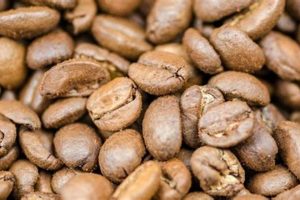
A blend offering a reduced caffeine content, it typically combines regular and decaffeinated varieties. This mixture allows consumers to enjoy the taste and experience of coffee with a lower stimulant effect. For instance, individuals sensitive to caffeine may find this option a suitable compromise, providing a gentler energy boost compared to fully caffeinated options.
The popularity stems from the desire for coffee’s flavor and social ritual without the intense jitters or sleep disruption associated with higher caffeine levels. Historically, individuals sought ways to moderate caffeine intake, leading to the development of decaffeination processes and, subsequently, blends targeting a middle ground. The advantage is a beverage experience that accommodates varying sensitivities and desired levels of alertness.
Understanding the components, processing methods, and potential health implications is key to appreciating this type of product. Further exploration into sourcing, roasting profiles, and brewing techniques will provide a more complete understanding for consumers seeking to make informed choices.
Tips for Preparation and Consumption
Optimizing the experience requires attention to several key factors. This section offers practical advice for achieving a satisfying result.
Tip 1: Bean Selection. The quality of both the caffeinated and decaffeinated components directly impacts the final flavor profile. Prioritize ethically sourced, freshly roasted options for optimal results.
Tip 2: Blend Ratio Experimentation. Adjust the proportions of regular and decaffeinated beans to suit individual caffeine tolerance and desired potency. Start with a 50/50 ratio and adjust incrementally.
Tip 3: Grind Consistency. Employ a burr grinder to achieve a consistent particle size. This ensures even extraction and prevents bitter flavors from over-extraction.
Tip 4: Water Temperature Management. Maintain a water temperature between 195-205F (90-96C) for optimal flavor extraction. Overheated water can scorch the grounds and produce a bitter taste.
Tip 5: Brewing Method Consideration. Different brewing methods, such as drip, French press, or espresso, will yield varying results. Experiment to discover the method that best complements the blend.
Tip 6: Storage Practices. Store in an airtight container away from light, heat, and moisture to preserve freshness and flavor. Oxygen and moisture degrade the quality of the beans over time.
Tip 7: Water Quality. Filtered water is recommended to remove impurities that can negatively impact the taste. Hard water or water with high chlorine content should be avoided.
By adhering to these suggestions, individuals can enhance the enjoyment and control the caffeine intake. Careful consideration of each step in the process will contribute to a superior final cup.
The following sections will address the health implications and potential benefits associated with moderate consumption.
1. Balanced caffeine intake

Balanced caffeine intake is a central consideration for individuals seeking the stimulating effects of coffee while mitigating potential adverse effects. The advent of blends containing both caffeinated and decaffeinated beans directly addresses this demand. These preparations offer a customizable approach to managing stimulant consumption.
- Mitigation of Adverse Effects
High caffeine consumption can lead to anxiety, insomnia, and elevated heart rate. Reducing the overall caffeine content through the use of these blends lessens the likelihood of experiencing these negative symptoms. For instance, an individual prone to anxiety may find that consuming a beverage made with such a mixture allows them to enjoy coffee without triggering heightened anxiety levels.
- Customized Stimulant Levels
Individuals exhibit varying sensitivities to caffeine. These blended offerings enable consumers to adjust the ratio of caffeinated to decaffeinated beans, tailoring the stimulant effect to their individual tolerance and desired level of alertness. Someone needing a mild energy boost in the afternoon might opt for a higher proportion of decaffeinated beans.
- Sustained Energy Without Jitters
A rapid influx of caffeine can result in a spike in energy followed by a crash. A more moderate caffeine dose, achieved through these bean mixtures, can provide a more gradual and sustained energy release, avoiding the jitters and subsequent energy dip associated with fully caffeinated options. This is particularly beneficial for activities requiring sustained focus and concentration.
- Maintenance of Coffee Ritual
For many, coffee consumption is an integral part of their daily routine and social interactions. By allowing for reduced caffeine intake without sacrificing the taste and aroma of coffee, these beans enable individuals to maintain their established rituals without compromising their health or well-being. This is especially important for those with medical conditions that necessitate caffeine restriction.
The ability to achieve balanced caffeine intake using these bean blends addresses a significant need in the market. It allows individuals to enjoy coffee responsibly, accommodating individual tolerances and mitigating potential negative side effects, while maintaining the sensory and social benefits associated with coffee consumption. The customizable nature of these products further enhances their appeal, catering to a wide range of preferences and needs.
2. Flavor profile consistency

Flavor profile consistency is a key attribute sought by consumers and producers alike. Achieving a predictable and repeatable taste experience in blends combining caffeinated and decaffeinated beans presents unique challenges.
- Bean Origin Variance
The inherent variability in flavor characteristics between different bean origins becomes amplified when blending caffeinated and decaffeinated varieties. Decaffeination processes can further alter the base flavor, making it difficult to maintain a consistent profile across batches. Careful selection and sourcing of beans from specific regions, along with controlled decaffeination methods, are crucial for mitigating this variance.
- Roasting Process Optimization
The roasting process exerts a significant influence on the final flavor. When working with a blend, each component bean may require a slightly different roasting profile to achieve optimal flavor development. Failing to account for these differences can result in an unbalanced or inconsistent taste. Roasters must carefully monitor and adjust roasting parameters to ensure that both the caffeinated and decaffeinated beans reach their full potential while complementing each other.
- Blend Ratio Control
Maintaining a consistent ratio of caffeinated to decaffeinated beans is essential for a stable flavor profile. Variations in the blend ratio can lead to noticeable differences in both caffeine content and taste. Automated blending systems and rigorous quality control measures are necessary to ensure that the correct proportions are consistently maintained.
- Decaffeination Method Impact
Different decaffeination methods, such as Swiss Water Process or solvent-based processes, can impart distinct flavor characteristics to the beans. The choice of decaffeination method directly affects the final flavor and consistency. Selecting a method that preserves the desirable flavors of the original bean, while minimizing unwanted off-flavors, is critical for a positive consumer experience.
The pursuit of flavor profile consistency in these products necessitates a comprehensive approach encompassing bean selection, roasting optimization, blend ratio control, and careful consideration of the decaffeination method. These factors are interlinked and require diligent management to deliver a reliable and enjoyable product.
3. Roasting blend optimization
Roasting blend optimization is a critical process in producing high-quality products. When applied to blending caffeinated and decaffeinated beans, this optimization becomes paramount to achieving a harmonious and consistent flavor profile. Careful attention to detail during roasting ensures that each bean type contributes its best characteristics to the final product.
- Differential Roasting Profiles
Caffeinated and decaffeinated beans often exhibit different responses to heat due to variations in density and moisture content resulting from the decaffeination process. Optimizing the roasting process necessitates applying distinct profiles to each bean type to achieve even development. For instance, a denser caffeinated bean might require a slightly longer roasting time compared to its decaffeinated counterpart to reach the same degree of caramelization.
- Flavor Balancing Techniques
The goal of roasting optimization is to ensure that the flavor characteristics of both bean types complement each other rather than clash. This often involves employing techniques such as adjusting the charge temperature, airflow, and development time to enhance desirable flavors and minimize undesirable ones. An example includes reducing the development time for a naturally sweet decaffeinated bean to prevent it from becoming overly bitter when combined with a chocolatey caffeinated bean.
- Equipment Calibration and Monitoring
Consistent results require precise control over the roasting environment. Regular calibration of roasting equipment, including temperature sensors and airflow controls, is essential. Furthermore, continuous monitoring of bean temperature, color, and aroma throughout the roasting process allows for real-time adjustments to maintain optimal conditions. Without this level of control, the final product may exhibit inconsistencies in flavor and aroma.
- Impact on Caffeine Content
While the primary purpose is flavor optimization, roasting also influences the final caffeine content of the product. Higher roasting temperatures and longer roasting times can slightly reduce caffeine levels. Therefore, the roasting profile must be carefully managed to balance flavor development with the desired caffeine level. A lighter roast, while preserving more caffeine, might not fully develop the desired flavors, whereas a darker roast, while reducing caffeine, could lead to an overly bitter taste.
The connection between roasting blend optimization and the production of blends involves a complex interplay of factors. Skilled roasters must carefully consider these elements to deliver a product that meets consumer expectations for both flavor and caffeine content. Through meticulous control and continuous monitoring, a consistently high-quality beverage can be achieved.
4. Consumer health considerations
The increasing awareness of health and wellness has directly influenced the demand for and development of coffee. The consumption of fully caffeinated coffee can lead to adverse effects in certain individuals, including anxiety, insomnia, and digestive issues. Consequently, blends, with reduced caffeine levels, have gained traction as a suitable alternative. Prioritizing health involves understanding individual tolerances, existing medical conditions, and potential interactions with medications.
These blends provide a practical solution for individuals who enjoy the taste and social aspects of coffee but need to limit their caffeine intake. For example, pregnant women, individuals with heart conditions, or those sensitive to stimulants may benefit from reduced-caffeine options. The availability enables them to continue enjoying coffee without experiencing the negative side effects associated with higher caffeine levels. Furthermore, its importance extends to managing daily caffeine intake to improve sleep quality and reduce overall stress levels.
In conclusion, consumer health considerations are an integral component in the production and consumption of coffee. These blends offer a balanced approach, allowing individuals to enjoy the beverage while mitigating potential health risks. The ongoing research and development in decaffeination methods and blending techniques further underscore the commitment to addressing consumer health needs.
5. Decaffeination method impact

The decaffeination method significantly influences the flavor profile and chemical composition of beans, subsequently affecting the final characteristics of blends. The choice of process has implications for both the perceived taste and the potential health benefits associated with this product.
- Solvent-Based Decaffeination and Flavor Alteration
Methods employing chemical solvents, such as methylene chloride or ethyl acetate, extract caffeine but can also remove other flavor compounds. Residual solvent traces, though within regulated safety limits, may contribute to an altered taste that some consumers find less desirable. This process may result in a less complex and potentially harsher flavor profile when incorporated into blends. For example, a blend using solvent-decaffeinated beans might lack the nuanced sweetness and acidity found in beans processed using other methods.
- Swiss Water Process and Flavor Preservation
The Swiss Water Process, a solvent-free method, relies on water and activated carbon to remove caffeine. This process tends to preserve more of the bean’s original flavor compounds compared to solvent-based methods. Consequently, blends incorporating Swiss Water Process decaffeinated beans often exhibit a more balanced and authentic taste profile. A blend utilizing this process may retain the distinct characteristics of the bean’s origin, such as fruity or floral notes, which might be muted or lost in other decaffeination methods.
- CO2 Decaffeination and Sensory Characteristics
Supercritical carbon dioxide (CO2) decaffeination utilizes pressurized CO2 to extract caffeine. This method is often regarded as more selective in removing caffeine while preserving desirable flavor components. Blends containing CO2-decaffeinated beans may exhibit a cleaner and brighter taste. This approach is often used for specialty beans where preserving the unique origin characteristics is paramount.
- Health Implications of Decaffeination Residues
While regulated, the presence of residual solvents in solvent-based decaffeination methods raises health concerns for some consumers. Although levels are typically low and considered safe by regulatory agencies, individuals with sensitivities or health conditions may prefer beans decaffeinated using solvent-free methods like the Swiss Water Process or CO2 extraction. The choice of decaffeination process becomes a significant factor for health-conscious consumers when selecting their blend.
The decaffeination method selected has a direct and demonstrable impact on the resulting product. The taste, aroma, and chemical composition, and subsequent health implications are all influenced by the process used to remove caffeine. Understanding these nuances allows consumers to make informed choices aligned with their taste preferences and health concerns.
6. Blend ratio variability

Blend ratio variability, concerning beans, is intrinsically linked to consumer preference and health considerations. The proportion of caffeinated and decaffeinated beans allows for customizable caffeine levels within a single product. This aspect differentiates it from standard, fully caffeinated or entirely decaffeinated options. The flexibility afforded by variable ratios addresses a spectrum of individual needs and tolerances. A consumer sensitive to caffeine might opt for a lower ratio of caffeinated beans, while another seeking a mild stimulant effect may prefer a more balanced composition. The ability to tailor the blend contributes significantly to the product’s appeal.
Examples highlighting the importance of blend ratio variability are prevalent in specialty shops and consumer markets. Businesses offer pre-blended options with clearly marked ratios (e.g., 25% caffeinated/75% decaffeinated) or allow customers to create bespoke blends. Medical recommendations also frequently advise patients to adjust their caffeine intake, highlighting the practical significance of variable ratios for managing conditions such as anxiety or insomnia. This adjustability enables continued enjoyment of coffee while accommodating health constraints.
In summary, blend ratio variability offers a personalized solution for coffee consumption, bridging the gap between those seeking full stimulation and those requiring complete avoidance. The challenges lie in accurately measuring and consistently replicating chosen ratios and educating consumers on the optimal blend for their specific needs. Recognizing the influence of this variability on the overall consumer experience is crucial for producers aiming to satisfy diverse market demands.
Frequently Asked Questions
The following section addresses common inquiries regarding the composition, preparation, and effects of blends.
Question 1: What defines a blend as “half caff?”
A blend designated as such typically contains approximately half the caffeine content of a standard, fully caffeinated preparation. This is achieved by combining regular and decaffeinated beans in roughly equal proportions, although the exact ratio may vary.
Question 2: How does the taste compare to regular or decaffeinated varieties?
The flavor profile is influenced by the specific beans used in the blend and the decaffeination method employed. However, it generally offers a middle ground, retaining some of the boldness and complexity of fully caffeinated options while lacking the potentially muted or altered taste sometimes associated with exclusively decaffeinated choices.
Question 3: Is it suitable for individuals sensitive to caffeine?
It can be a suitable alternative for those with mild to moderate caffeine sensitivity. The reduced caffeine content is less likely to induce symptoms such as anxiety, jitters, or insomnia compared to fully caffeinated beverages. However, individuals with severe caffeine sensitivities may still experience adverse effects and should exercise caution.
Question 4: Can it be used in all types of brewing methods?
Yes, these blends are compatible with various brewing methods, including drip, French press, pour-over, and espresso. Adjusting the grind size and brewing parameters to suit the specific blend and brewing method is recommended for optimal flavor extraction.
Question 5: Does roasting affect the caffeine content of the beans?
Roasting can slightly reduce caffeine content, with darker roasts generally containing marginally less caffeine than lighter roasts. However, the primary determinant of caffeine content remains the blend ratio and the initial caffeine level of the caffeinated beans.
Question 6: How should it be stored to maintain freshness?
Proper storage is essential to preserve flavor and aroma. The beans should be stored in an airtight container away from light, heat, and moisture. Refrigeration or freezing is generally not recommended, as condensation can damage the beans.
In summary, these blends offer a versatile option for individuals seeking to moderate their caffeine intake without sacrificing the enjoyment of coffee. Understanding the composition, preparation, and storage guidelines will contribute to a more satisfying experience.
The subsequent sections will explore the sourcing and ethical considerations related to the production of these bean blends.
Conclusion
The preceding exploration of “half caff coffee beans” has illuminated several key aspects. The blend’s utility in managing caffeine intake, the complexities involved in achieving flavor consistency, and the crucial role of the decaffeination method have been thoroughly examined. Furthermore, the importance of optimized roasting techniques and the impact of variable blend ratios on consumer preference were highlighted, alongside a consideration of general consumer health.
Given the increasing awareness of personalized nutrition and responsible consumption, understanding the nuances of “half caff coffee beans” is essential for both consumers and producers. Further research into sustainable sourcing practices and the long-term health implications of moderate consumption is warranted. The continued refinement of blending techniques will undoubtedly contribute to an enhanced and more customizable beverage experience.