This furniture piece combines a surface intended for resting beverages and other items with a joinery technique characterized by interlocking, fan-shaped projections. These projections, precisely cut to fit corresponding recesses, create an exceptionally strong and visually appealing connection between two pieces of wood. An example would be a living room centerpiece featuring a tabletop securely attached to its legs using this robust woodworking method.
The inherent strength of this construction method ensures the table’s longevity and stability, reducing the likelihood of joint failure over time. Furthermore, it adds a touch of artisanal craftsmanship, elevating the furniture’s aesthetic value. Historically, the technique signifies quality and attention to detail, often associated with skilled artisans and fine furniture making.
The following sections will delve into specific design considerations, material choices, and finishing techniques that enhance both the functional and aesthetic attributes of tables constructed utilizing this joint.
Construction & Finishing Tips
Achieving optimal results requires adherence to proven techniques and meticulous attention to detail. The following points offer guidance for producing a durable and aesthetically pleasing result.
Tip 1: Wood Selection. Employ hardwoods such as oak, maple, or cherry. These species offer the necessary strength and stability to withstand the stresses associated with this joint and daily use. Avoid softwoods, which are prone to denting and splitting.
Tip 2: Precise Layout. Accurate layout is paramount. Use a marking gauge and sharp knife to delineate the pins and tails. Deviations, even minor ones, will compromise the joint’s integrity and aesthetic appearance.
Tip 3: Hand-Cutting Techniques. Hand-cutting offers greater control, particularly for complex geometries. Practice on scrap wood to refine skills before committing to the final pieces. Employ a coping saw to remove waste material between the pins and tails.
Tip 4: Dry Fitting. Prior to glue-up, perform a dry fit to ensure perfect alignment and a tight, seamless connection. Make any necessary adjustments at this stage.
Tip 5: Glue Application. Use a high-quality wood glue, applying it evenly to all mating surfaces. Avoid excessive glue, which can weaken the joint and create a messy appearance. Clamp the assembly securely until the glue is fully cured.
Tip 6: Sanding and Finishing. After glue-up, sand the surface smooth, progressing through increasingly finer grits of sandpaper. Apply a finish that complements the wood species and protects the surface from moisture and wear. Consider options such as varnish, lacquer, or oil-based finishes.
Tip 7: Joint Reinforcement. For enhanced stability, especially with larger table dimensions, consider adding wedges or pegs to the joint. These elements provide additional mechanical locking and prevent movement over time.
Employing these methods yields a piece that stands the test of time. The combination of strength, aesthetic appeal, and heirloom quality makes it a valuable addition to any living space.
The ensuing section will address design considerations, focusing on dimensions, style, and incorporation into various interior designs.
1. Joinery strength

The structural integrity of any furniture relies heavily on the strength of its joints. In the context of a piece built using a specific interlocking method, it is not merely an aesthetic choice but a critical factor dictating the table’s longevity and ability to withstand daily use. The inherent robustness of this technique plays a crucial role in preventing joint failure and ensuring overall stability.
- Interlocking Surface Area
The defining feature of this technique is the increased surface area where wood fibers interlock. This expansive contact area dramatically enhances the glue bond’s effectiveness. In a piece intended for regular use, such as a table, this translates to superior resistance against racking forces and shear stress that would otherwise weaken or break traditional joints.
- Mechanical Interlock
Beyond adhesive bonding, the physical interlocking shape of the pins and tails provides a mechanical connection. This mechanical advantage prevents the joint from pulling apart, even under significant load or stress. For instance, if someone leans heavily on the edge of the tabletop, the interlocking geometry resists separation, maintaining the table’s structural integrity.
- Wood Grain Orientation
A well-executed joint strategically aligns the wood grain of the joining pieces. Proper grain orientation maximizes the joint’s strength by leveraging the inherent tensile strength of wood fibers. This alignment minimizes the risk of splitting or cracking along the grain, particularly under stress. This is crucial for furniture intended for heavy use.
- Resistance to Seasonal Movement
Wood expands and contracts with changes in humidity. A properly constructed joint accommodates this seasonal movement without compromising the joint’s integrity. The interlocking design allows for slight wood movement while maintaining a tight fit, preventing gaps from forming and preserving the joint’s strength over time. This is particularly important in environments with fluctuating humidity levels.
These factors collectively underscore the crucial role of joinery strength. Its capacity to withstand stress, resist seasonal movement, and leverage both adhesive and mechanical bonding makes it a cornerstone of durable furniture construction. A well-executed joint not only enhances the aesthetic appeal but also ensures that the furniture remains a functional and reliable piece for years to come. The use of this technique in its construction directly contributes to the furniture’s overall value and longevity.
2. Wood Selection

The choice of wood significantly impacts the structural integrity and aesthetic appeal of furniture employing interlocking joinery. The mechanical properties of different wood species directly influence the strength and longevity of the joint itself. Hardwoods, such as oak, maple, and cherry, offer superior resistance to shear stress and racking forces compared to softwoods like pine or fir. For example, constructing a table using oak, with its tight grain and high density, will result in a more durable and stable piece compared to one made from pine. The interlocking design of the joint leverages the inherent strength of the chosen wood, enhancing the overall structural integrity of the table.
Aesthetic considerations also dictate wood selection. Different species exhibit distinct grain patterns, colors, and textures, contributing to the overall visual character of the furniture. Cherry wood, for instance, is prized for its rich, reddish-brown hue and smooth grain, lending a sense of warmth and elegance. Maple offers a lighter, more neutral tone with subtle grain variations, suitable for contemporary designs. Walnut provides a dark, sophisticated appearance with intricate grain patterns. The interplay between wood species and finish further enhances the aesthetic appeal. A clear coat of varnish, for example, emphasizes the natural beauty of the wood grain, while a stain can alter the color and enhance specific features.
Ultimately, the wood selection process requires a careful evaluation of both structural and aesthetic factors. Choosing a wood species that balances strength, stability, and visual appeal ensures a finished product that is not only durable and functional but also aesthetically pleasing. The specific application, design style, and desired longevity should guide the selection process, resulting in a furniture piece that withstands the test of time.
3. Table dimensions

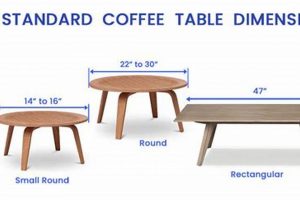
The dimensions of a table incorporating interlocking joinery directly impact its functionality and aesthetic integration within a living space. Height, width, and length determine its suitability for various activities, such as holding beverages, supporting reading materials, or serving as a focal point. Incorrect dimensions can render the table impractical or visually disproportionate to its surroundings. For example, a table that is too low may require users to stoop uncomfortably, while an excessively large table can overwhelm a smaller room. Therefore, careful consideration of dimensional parameters is essential during the design and construction phases.
The joinery itself influences dimensional constraints. The intricate interlocking components require sufficient material thickness to ensure structural integrity. Thinner stock might compromise the joint’s strength, leading to premature failure. Conversely, excessively thick stock can appear bulky and detract from the table’s aesthetic appeal. For instance, a minimalist design might necessitate thinner stock and a more delicate joint profile, while a rustic design could accommodate thicker materials and a more pronounced interlocking pattern. The interplay between the joint design and the chosen dimensions must be carefully balanced to achieve both structural soundness and visual harmony.
In conclusion, the dimensions of a table utilizing an interlocking joinery are not arbitrary. They are dictated by functional requirements, structural limitations imposed by the joint itself, and aesthetic considerations. Understanding these interdependencies is critical for creating a piece that is both practical and visually appealing. Challenges arise when attempting to reconcile conflicting requirements, such as achieving a slender profile while maintaining adequate joint strength. Careful planning, precise execution, and a thorough understanding of woodworking principles are necessary to overcome these challenges and produce a table that embodies both form and function.
4. Design Style

The selection of a specific design style significantly influences the visual characteristics and overall aesthetic impact of a table employing interlocking joinery. The joinery, while structurally sound, can be adapted to complement diverse design preferences, ranging from traditional to contemporary.
- Traditional Styles
In traditional furniture design, the joinery often serves as a prominent decorative element, showcasing the craftsmanship and attention to detail. Examples include Queen Anne or Chippendale styles, where the joints are deliberately exposed and finished to highlight their intricate patterns. The wood selection typically involves hardwoods like cherry or walnut, further emphasizing the piece’s elegance and formality.
- Rustic Styles
Rustic designs embrace a more rugged and natural aesthetic. The joints may be less refined, with visible imperfections and a focus on functionality over ornate detailing. Reclaimed wood or species like knotty pine are frequently used to enhance the rustic character. Finishes are often matte or distressed to create a sense of age and authenticity.
- Modern Styles
Modern interpretations prioritize clean lines, minimalism, and functionality. The joinery might be subtly integrated into the overall design, with emphasis on seamless connections and concealed joinery. Materials such as maple or birch are commonly used for their light tones and smooth surfaces. Finishes tend to be sleek and understated, with a focus on highlighting the natural beauty of the wood.
- Eclectic Styles
Eclectic designs combine elements from various styles, creating a unique and personalized aesthetic. The joinery can serve as a unifying element, blending traditional craftsmanship with contemporary materials or finishes. This approach allows for greater creative freedom and experimentation, resulting in furniture that reflects the individual’s taste and preferences.
The design style chosen dictates the overall character of the table and guides the selection of materials, finishes, and joinery details. Careful consideration of these factors ensures a cohesive and visually appealing piece that complements its intended environment.
5. Finish durability
The longevity and aesthetic appeal of a table constructed with interlocking joinery are significantly influenced by the durability of its finish. The finish acts as a protective barrier, shielding the wood from environmental factors and physical wear, thereby preserving the table’s structural integrity and visual appearance over time.
- Protection Against Moisture
A durable finish effectively repels water and other liquids, preventing them from penetrating the wood. Moisture ingress can lead to warping, swelling, and ultimately, joint failure. A high-quality varnish or polyurethane finish, for instance, creates a robust barrier against spills and humidity, preserving the dimensional stability of the wooden components.
- Resistance to Abrasion and Scratches
Tables are subject to daily use, exposing them to potential abrasion and scratches. A durable finish provides a hard, resilient surface that resists these forms of wear. For example, a catalyzed lacquer finish offers exceptional scratch resistance, maintaining the table’s smooth and unblemished surface despite regular contact with objects.
- UV Protection
Exposure to ultraviolet (UV) radiation from sunlight can cause fading and discoloration of the wood and finish. A finish with UV inhibitors helps to mitigate these effects, preserving the original color and tone of the table. Marine-grade varnishes, for example, are formulated with UV absorbers to protect wooden surfaces from the damaging effects of sunlight.
- Chemical Resistance
Household cleaners, solvents, and other chemicals can damage or degrade a finish. A durable finish exhibits resistance to these substances, preventing staining, etching, and other forms of chemical damage. Pre-catalyzed lacquers and conversion varnishes offer excellent chemical resistance, making them suitable for tables that are likely to come into contact with various cleaning agents.
In summary, the durability of the finish applied to a table constructed using interlocking joinery is paramount to its long-term performance and aesthetic preservation. Selecting a finish that offers adequate protection against moisture, abrasion, UV radiation, and chemical exposure ensures that the table remains a functional and visually appealing piece for years to come. The choice of finish should be carefully considered based on the intended use of the table, the environment in which it will be placed, and the desired level of protection.
6. Artisan craftsmanship
Artisan craftsmanship, in the context of a surface supported by legs and used for placing objects while seated, represents a departure from mass-produced alternatives. It embodies meticulous attention to detail, specialized skill, and a dedication to creating a unique, high-quality product.
- Hand-Cut Joinery
The hallmark of artisan craftsmanship lies in the precise hand-cutting of the interlocking joints. This process demands significant skill and experience, as each joint must be precisely fitted to ensure maximum strength and aesthetic appeal. Unlike machine-made joints, hand-cut versions exhibit subtle variations and imperfections that contribute to the furniture’s unique character. The time and effort invested in this process directly translate to the table’s structural integrity and longevity.
- Selection of Materials
Artisan woodworkers meticulously select the wood used in their creations, prioritizing quality, grain patterns, and aesthetic suitability. They often source lumber from local suppliers or salvage reclaimed wood, ensuring sustainable practices and unique material characteristics. For example, a craftsman might choose a specific piece of walnut for its exceptional figure or a reclaimed oak beam for its historical significance, enhancing the table’s value and distinctiveness.
- Custom Design and Detailing
Artisan-made tables are frequently customized to meet the specific needs and preferences of the client. This can involve adjusting dimensions, incorporating unique design elements, or applying specialized finishes. The craftsman works closely with the client to translate their vision into a tangible reality, resulting in a piece of furniture that is both functional and aesthetically personalized. This level of customization is rarely achievable with mass-produced furniture.
- Hand-Applied Finishes
The application of finishes is another area where artisan craftsmanship excels. Hand-rubbed oil finishes, for example, require multiple coats and meticulous attention to detail, resulting in a rich, lustrous surface that enhances the wood’s natural beauty. These finishes are often more durable and easier to repair than sprayed-on finishes, further contributing to the table’s longevity and value.
The integration of these facets elevates a functional item into a work of art. Tables crafted with artisan techniques represent a significant investment in quality, craftsmanship, and individuality, resulting in heirloom pieces that can be appreciated for generations. These are not merely functional items but testaments to skill, dedication, and a commitment to excellence.
Frequently Asked Questions About Furniture with Interlocking Joinery
This section addresses common inquiries regarding the construction, durability, and aesthetic properties of this type of furniture, providing clarity on its distinctive features and benefits.
Question 1: What defines the primary advantage of interlocking joinery over conventional furniture construction methods?
The principal benefit resides in the enhanced structural integrity derived from the interlocking design. This method provides a larger surface area for adhesive bonding and a mechanical interlock, resulting in superior resistance to stress and racking forces compared to simpler joints.
Question 2: Is the intricate joint construction only applicable to traditional furniture designs, or can it be integrated into modern styles?
While historically associated with traditional aesthetics, the joint can be adapted to suit modern designs. The key lies in refining the joint profile and selecting appropriate materials to achieve a clean, minimalist appearance without compromising structural integrity.
Question 3: What wood species are most suitable for furniture construction utilizing this specific joint design?
Hardwoods, such as oak, maple, cherry, and walnut, are generally preferred due to their inherent strength and stability. These species provide the necessary resistance to withstand the stresses associated with the interlocking joint and daily use.
Question 4: Does exposure to humidity and temperature fluctuations impact the long-term stability of a piece of furniture with interlocking joinery?
Like all wood products, furniture with interlocking joinery is susceptible to dimensional changes due to humidity and temperature variations. However, the interlocking design can accommodate slight wood movement while maintaining joint integrity, minimizing the risk of structural failure.
Question 5: Is maintenance more demanding for furniture incorporating this type of intricate joint compared to mass-produced alternatives?
Maintenance requirements are generally similar to those of other high-quality wood furniture. Regular dusting and occasional polishing are typically sufficient to maintain the finish and preserve the piece’s aesthetic appeal. Avoid prolonged exposure to direct sunlight and excessive moisture.
Question 6: Does the handcrafted nature of the interlocking joint significantly impact the overall cost of the finished furniture piece?
Yes, the meticulous hand-cutting and fitting of the interlocking joints require significant time and skill, which contributes to a higher production cost. However, this investment translates to superior quality, durability, and a unique aesthetic appeal that justifies the price premium for discerning consumers.
In essence, this form of construction offers a compelling combination of structural integrity, aesthetic versatility, and heirloom quality, making it a worthwhile consideration for those seeking durable and visually distinctive furniture.
The ensuing section delves into case studies of successful design and manufacturing of interlocking-jointed furniture, providing practical examples and insights.
Conclusion
The preceding exploration has illuminated various facets of furniture construction centered around an interlocking joint. The inherent strength of this technique, the importance of material selection, the interplay of dimensions and design styles, the necessity of durable finishes, and the value of artisan craftsmanship collectively define the qualities of such a piece. Each element contributes significantly to the furniture’s structural integrity, aesthetic appeal, and overall longevity.
The continued appreciation for and utilization of this construction method rests on its ability to combine functional robustness with aesthetic refinement. Further research and innovation in joinery techniques and material science may lead to even more compelling and sustainable furniture designs. The legacy of quality craftsmanship will persist as long as there is a demand for durable and aesthetically pleasing furnishings.

![Buy Best Drum Outdoor Coffee Table [Stylish & Durable] | The Ultimate Coffee Guide: Types, Brewing Methods & Best Beans](https://deacoffee.com/wp-content/uploads/2026/05/th-82-300x200.jpg "Buy Best Drum Outdoor Coffee Table [Stylish & Durable] The Ultimate Coffee Guide: Types, Brewing Methods & Best Beans")