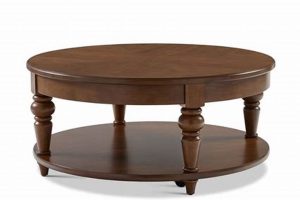
Arrangements of bound volumes, strategically selected and placed upon a central living room surface, serve as both aesthetic enhancements and intellectual statements. These curated collections provide visual texture, color variation, and opportunities to showcase individual interests or design sensibilities within a domestic setting. They are, in essence, art objects intended for functional display.
The incorporation of these items into interior design provides several benefits. They contribute to a layered and personalized atmosphere, reflecting the inhabitants’ tastes and experiences. Historically, books have represented knowledge and refinement, imbuing spaces with a sense of sophistication and culture. The strategic use of size, color, and subject matter can also serve to unify disparate elements within a room’s design, creating a cohesive and visually appealing whole.
The subsequent discussion will delve into considerations for selecting appropriate subject matter, arranging them effectively, and incorporating other decorative elements to complement the presentation. This exploration aims to provide practical guidance for achieving aesthetically pleasing and meaningful displays.
Selection and Arrangement Strategies
The following provides guidance on selecting and arranging bound volumes for display, emphasizing visual appeal and thematic coherence.
Tip 1: Subject Matter Cohesion: Prioritize volumes that align thematically with the room’s overall design or the inhabitants’ interests. A selection of art monographs, for instance, complements a contemporary living space, while gardening guides enhance a sunroom’s ambiance.
Tip 2: Color Palette Considerations: Coordinate spine colors with the room’s existing color scheme. Employing a limited palette creates visual harmony; conversely, a strategically placed contrasting color can serve as a focal point.
Tip 3: Size and Scale Variety: Incorporate volumes of varying sizes and thicknesses. This variation adds visual interest and prevents the display from appearing monotonous. Oversized volumes can anchor a stack, while smaller volumes provide layering opportunities.
Tip 4: Height and Stacking Arrangements: Employ stacked and horizontal arrangements to create dynamic displays. Vary the height of stacks to draw the eye and add visual complexity. Avoid perfectly symmetrical arrangements, opting instead for balanced asymmetry.
Tip 5: Inclusion of Decorative Objects: Interspersing the volumes with small decorative objects, such as paperweights, candles, or small sculptures, enhances the display’s visual interest and adds a personal touch. Ensure that the objects complement the books and the overall aesthetic.
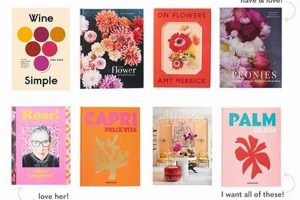
Tip 6: Consider the Cover Art: Books with visually appealing covers can be displayed facing outwards to showcase the art and add a splash of color and design to the surface.
Tip 7: Ensure Stability and Balance: Prioritize the stability of stacks to prevent them from toppling. Distribute weight evenly and utilize bookends if necessary, especially when displaying larger volumes.
Adhering to these guidelines allows for the creation of aesthetically pleasing and thematically relevant displays, enriching the visual landscape of the living space.
The subsequent section will address integration with other design elements for maximizing visual impact.
1. Subject Matter

The selection of a relevant subject matter is fundamental to the efficacy of bound volumes as decorative elements on a central living room surface. The subject directly influences the visual narrative and intellectual atmosphere of the space. Incongruous subject matter detracts from the intended aesthetic, creating dissonance rather than harmony. For example, displaying textbooks on advanced calculus in a room designed with minimalist elegance disrupts the intended visual language. Conversely, a curated selection of photography books showcasing mid-century modern architecture complements such a space, reinforcing its design theme.
The importance of carefully chosen subjects extends beyond mere aesthetics. It reflects the inhabitant’s personality, interests, and values. A collection of first editions by a particular author signals intellectual curiosity and literary appreciation. Books on travel and exploration suggest a sense of adventure and cosmopolitanism. The subject matter, therefore, functions as a non-verbal form of communication, shaping the visitor’s perception of the space and its occupants. Consider a room with a maritime theme; displaying volumes on nautical history or marine biology reinforces that theme, creating a cohesive and immersive experience. The absence of thoughtful subject matter diminishes the potential for creating a meaningful and engaging environment.
In conclusion, the deliberate choice of subject matter constitutes a crucial element in successfully incorporating decorative books into interior design. A failure to consider subject relevance can undermine the aesthetic impact and diminish the capacity to convey a desired atmosphere or personal narrative. Understanding this interplay is therefore essential for maximizing the potential of books as both functional objects and expressions of individual identity within a living space.
2. Color Coordination

Color coordination represents a critical element in the effective utilization of bound volumes as decorative features. The strategic alignment of spine colors with the existing or desired aesthetic of a room significantly impacts the overall visual harmony and aesthetic appeal. Neglecting this aspect can result in a discordant display, undermining the intended design.
- Spine Color Harmony with Room Palette
The careful selection of books with spines that complement the existing color scheme of the room fosters visual coherence. A room dominated by neutral tones benefits from books with spines in shades of beige, gray, or white. Conversely, a room with vibrant hues can accommodate books with bolder, more saturated spine colors. This creates a unified and aesthetically pleasing composition.
- Strategic Use of Contrasting Colors
While harmony is paramount, the deliberate introduction of contrasting colors can create focal points and inject visual interest. A stack of predominantly blue books, for example, can be punctuated by a single volume with a vibrant red spine, drawing the eye and adding a dynamic element to the display. This technique must be employed judiciously to avoid overwhelming the overall design.
- Color as a Unifying Element
In situations where books vary significantly in subject matter or size, color can serve as a unifying element. Grouping volumes with similar spine colors, regardless of content, creates a sense of visual order and cohesion. This approach is particularly effective when dealing with eclectic collections where thematic consistency is lacking.
- Consideration of Material and Texture
The impact of color extends beyond the hue itself. The material and texture of the book’s spine also contribute to the overall aesthetic. Leather-bound volumes, for example, possess a different visual weight and character than paperbacks. Coordinating not only the color but also the texture and material of the spines enhances the sophistication and visual depth of the display.
The principles of color coordination, therefore, are essential for maximizing the aesthetic potential of bound volumes as decorative objects. A thoughtful approach to color ensures a harmonious, visually appealing, and integrated display that complements the overall design of the space.
3. Size Variation

The strategic incorporation of volumes exhibiting size variation represents a key component of effective arrangement, contributing significantly to visual interest and dynamic composition. A uniform stack, devoid of dimensional differences, lacks visual appeal and fails to engage the observer. The intentional juxtaposition of varying sizes introduces a sense of depth and complexity, elevating the arrangement from a mere collection of objects to a curated display.
The practical application of this principle manifests in several ways. Oversized books can serve as foundational anchors, lending stability and visual weight to the arrangement. Smaller volumes, conversely, can be layered atop these anchors, creating tiered structures that draw the eye upward. This approach not only adds visual interest but also provides opportunities to introduce decorative objects, such as paperweights or small sculptures, further enhancing the aesthetic. An example of this would be a large format art book at the base, topped by a standard-sized novel and then a petite volume of poetry, interspersed with a carefully chosen objet d’art. Ignoring the aspect of differing sizes can lead to bland, uninspired arrangements, failing to capitalize on the inherent visual potential of these displays.
In summary, size variation is a critical factor in achieving aesthetically pleasing and visually stimulating. The intentional manipulation of book sizes, in combination with other design principles, transforms a simple arrangement into a sophisticated display, reflecting a thoughtful and curated aesthetic. The absence of this consideration results in arrangements that lack depth, dimension, and overall visual impact.
4. Stacking Style
Stacking style, in the context of bound volumes used as decorative objects on a central living room surface, directly influences the visual impact and functionality of the arrangement. The method of stacking dictates the presentation’s stability, accessibility, and its integration with other design elements. Two primary approaches exist: vertical stacking and horizontal arrangement. Vertical stacks, while space-efficient, can appear monolithic if not carefully considered. The height of the stack should be proportional to the surface area and the surrounding furniture to avoid an imbalance. Horizontal arrangements, conversely, offer a wider visual spread, allowing individual titles or cover designs to be more readily visible. A combination of both techniques often yields the most dynamic and engaging display. For instance, a low horizontal stack might be punctuated by a taller vertical stack at one end, creating a focal point and adding visual rhythm. The improper execution of stacking, such as creating unstable towers or obscuring visually appealing covers, diminishes the aesthetic value of the arrangement.
The choice of stacking style also affects the practical utility of the volumes. Horizontal arrangements provide easier access to individual books for reading or browsing, while tightly packed vertical stacks may require significant disruption to retrieve a single title. The selection process should therefore consider both aesthetic and functional requirements. An environment that prioritizes easy access might benefit from primarily horizontal arrangements with only a few vertical stacks for visual height. Furthermore, the stacking style influences the integration of other decorative elements. Small objects, such as paperweights or candles, can be placed atop horizontal stacks or interspersed between vertical stacks to add visual interest and personalization. However, excessive ornamentation can clutter the display, negating the benefits of a well-chosen stacking style. A cohesive integration requires careful consideration of scale, proportion, and the overall design theme of the space.
In summary, stacking style is not merely a matter of arranging objects; it is a fundamental design choice that impacts the visual appeal, functionality, and integration of bound volumes within a living space. Careful consideration of the relative merits of vertical and horizontal arrangements, combined with an awareness of proportionality, accessibility, and the incorporation of other decorative elements, is essential for creating a successful and aesthetically pleasing display. Failure to address these considerations results in a diminished aesthetic impact and a less functional arrangement.
5. Object Integration

Object integration, in the context of decor books on a central living room surface, refers to the strategic incorporation of non-book items within the arrangement. This practice moves beyond mere book placement, introducing supplementary decorative elements to enhance visual interest and create a more personalized aesthetic. The absence of such integration often results in a static and uninspired display, failing to fully capitalize on the potential for visual enrichment. A direct consequence of effective object integration is the creation of a more dynamic and engaging composition, drawing the eye and inviting interaction.
The importance of object integration stems from its ability to break the monotony of uniform stacks and arrangements. A solitary stack, regardless of the books’ aesthetic merits, can appear sterile without the addition of complementary objects. Examples of successful integration include the placement of a small sculpture atop a stack of art books, echoing the themes within those volumes. A vintage magnifying glass resting on a stack of historical texts adds a touch of intellectual curiosity and reinforces the subject matter. A carefully chosen candle placed amongst the books introduces a sensory element, appealing to both sight and smell. The practicality of this understanding lies in the ability to tailor the display to reflect individual tastes and the overall design of the room. A minimalist space might benefit from a single, carefully chosen object, while a more eclectic room can accommodate a wider range of items.
In summary, object integration is not merely an optional addition but a crucial component of effective decor using books on a central living room surface. By introducing carefully selected non-book items, the arrangement transcends the mundane, becoming a curated display that reflects individual personality and enhances the visual appeal of the living space. The challenge lies in achieving balance and avoiding clutter, ensuring that the objects complement the books rather than detracting from them. Successful object integration transforms a simple arrangement into a sophisticated and engaging design element.
6. Cover Display

The visual presentation of book covers is a significant aspect of their role as decorative elements on a central living room surface. When volumes are employed primarily for aesthetic purposes, the cover becomes a key design component, influencing the overall impact of the arrangement. A compelling cover can serve as a focal point, adding color, texture, and visual interest. Conversely, a visually unappealing or damaged cover can detract from the aesthetic. For instance, a collection of vintage books with striking Art Deco covers can define the style of a room, while tattered or faded covers may project an image of neglect or disarray. The deliberate selection of books with visually arresting covers, therefore, becomes crucial for maximizing their decorative potential.
The practical implications of prioritizing cover display extend to the arrangement techniques employed. Instead of simply stacking books with spines visible, showcasing covers can require the use of book stands or strategically positioning volumes facing outward. This allows the covers to act as miniature artworks, contributing to the overall visual composition of the space. Real-world examples include art galleries or design studios that utilize books with impactful covers as part of their displays, demonstrating the power of visual communication through this medium. Furthermore, cover display necessitates careful consideration of color palettes and thematic coherence. Grouping books with covers that share similar colors or design styles enhances the aesthetic unity of the arrangement.
In conclusion, cover display is an integral element when decor books are used on a central living room surface. It affects not only the visual appeal but also the ability of the arrangement to communicate a desired aesthetic or personal statement. While the content of the books remains relevant, the cover serves as the initial point of contact, shaping the viewer’s perception and contributing to the overall design of the space. Addressing the impact of cover art elevates the use of books from mere objects to curated design elements, aligning with the overarching goal of creating visually engaging and meaningful displays.
7. Surface Harmony
Surface harmony, in the context of decor books on a coffee table, refers to the cohesive aesthetic relationship between the books and the surface upon which they reside. This harmony extends beyond mere placement, encompassing considerations of material, texture, scale, and color. Achieving surface harmony transforms a simple book arrangement into an integrated design element, enhancing the overall visual appeal of the living space. The absence of such harmony, conversely, can result in a disjointed and aesthetically unpleasing display, undermining the intended decorative impact.
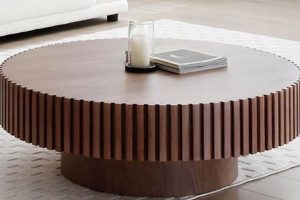
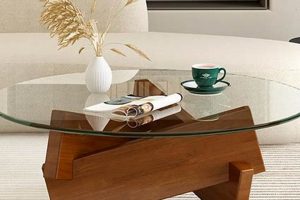
The interplay between books and surface manifests in several practical ways. A glass-topped coffee table, for example, necessitates a different approach than a solid wood surface. The transparency of glass requires careful attention to the books’ undersides; visually appealing bottoms or strategically placed decorative objects can enhance the aesthetic. A rustic wooden table, on the other hand, benefits from books with contrasting textures or colors, creating a visual counterpoint. Furthermore, the scale of the books must be proportional to the table’s dimensions. Oversized books on a small table overwhelm the space, while undersized books on a large table appear insignificant. Real-world examples include interior design magazines that showcase coffee table arrangements where the books’ colors and textures complement the table’s material, resulting in a seamless and visually appealing display.
In summary, surface harmony is a critical element in effectively utilizing decor books on a coffee table. It necessitates a deliberate consideration of the table’s material, texture, scale, and color in relation to the books themselves. The goal is to create a unified and aesthetically pleasing arrangement that enhances the overall design of the living space. The challenge lies in achieving balance and avoiding visual clashes, ensuring that the books and the surface work together to create a cohesive and engaging display. Successful surface harmony transforms a simple arrangement into a sophisticated and integral part of the room’s aesthetic.
Frequently Asked Questions Regarding Decor Books for Coffee Tables
The following addresses common inquiries and misconceptions regarding the selection and arrangement of bound volumes as decorative elements on a central living room surface.
Question 1: Is it necessary for decor books to be readable, or can they be solely for aesthetic purposes?
While the content of the books contributes to the intellectual ambiance of the space, aesthetic considerations often take precedence in decorative arrangements. The physical characteristics of the bookscolor, size, texturecan be more significant than their readability. Volumes chosen solely for their visual appeal remain a valid design choice.
Question 2: What is the optimal number of books to include in a coffee table arrangement?
There is no definitive answer. The optimal number depends on the size of the surface, the scale of the surrounding furniture, and the desired aesthetic. A minimalist approach might favor a small stack of three to five volumes, while a more maximalist design could accommodate a larger collection.
Question 3: How frequently should the arrangement of decor books be updated?
The frequency of updates depends on personal preference and evolving design sensibilities. Seasonal changes, new acquisitions, or a desire for visual variety can prompt rearrangement. A periodic refresh prevents the display from becoming stagnant.
Question 4: Are there specific genres or subject matters that are more appropriate for coffee table arrangements?
While personal taste is paramount, certain genres tend to be more popular due to their visual appeal and perceived sophistication. Art monographs, photography books, travel guides, and architectural surveys are commonly employed. However, any subject matter that aligns with the inhabitants’ interests and the room’s design can be suitable.
Question 5: How can decor books be protected from damage on a coffee table?
Protecting volumes from damage involves several strategies. Avoiding direct sunlight prevents fading. Using coasters under beverages protects against spills. Regular dusting prevents the accumulation of dirt. Employing bookends or stable stacking techniques minimizes the risk of toppling.
Question 6: Is it acceptable to use “faux” books or decorative boxes designed to resemble books?
The use of faux books or decorative boxes is a matter of personal preference. While some designers advocate for authenticity, others view these items as a practical and aesthetically acceptable alternative, particularly when seeking specific colors or sizes. However, transparency is advised; clearly labeling these items as decorative objects avoids any implication of deception.
In conclusion, the effective use of decor books on a coffee table involves a nuanced understanding of aesthetic principles, practical considerations, and personal preferences. A thoughtful approach ensures a visually appealing and intellectually stimulating addition to the living space.
The subsequent section will delve into current trends and emerging styles in coffee table book arrangements.
Conclusion
The preceding analysis has explored the multifaceted nature of “decor books for coffee table,” examining considerations for selection, arrangement, and integration with surrounding elements. Understanding thematic coherence, color coordination, size variation, stacking methods, object incorporation, cover display, and surface harmony proves essential for creating visually impactful and meaningful displays. These elements collectively contribute to a cohesive and sophisticated aesthetic.
Effective employment of “decor books for coffee table” transcends mere object placement, transforming the central living room surface into a curated expression of individual style and intellectual curiosity. Further exploration of emerging trends and innovative approaches will continue to refine the potential of these volumes as integral components of interior design, enhancing both the visual appeal and the intellectual ambiance of the living space. The continued emphasis on thoughtful selection and arrangement guarantees that they remain relevant elements in shaping the aesthetic narrative of a room.