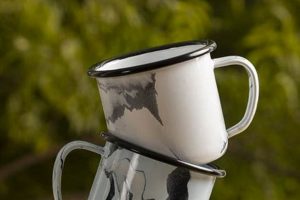
Specialized vessels designed for evaluating the nuances of brewed coffee are integral to the sensory analysis process. These receptacles, often featuring a specific shape and volume, facilitate aroma capture and consistent liquid presentation, allowing cuppers to thoroughly assess the coffee’s qualities. A common example is a ceramic or glass cup, usually wider at the top than the bottom, that holds approximately 6-8 ounces of liquid.
The implementation of standardized receptacles offers several advantages in the realm of coffee evaluation. Consistent presentation minimizes external variables, enabling accurate comparison between different coffee samples. The design often concentrates the volatile aromatic compounds, enhancing the olfactory experience, a critical component in judging a coffee’s overall profile. The use of these specialized items traces back to established practices within the coffee industry, reflecting a commitment to objective and repeatable assessment.
Considering the foundational role of these vessels in sensory evaluation, the following sections will explore the material composition, design variations, and professional standards associated with their use in the coffee industry. A comprehensive understanding of these elements is essential for anyone involved in coffee quality control, roasting, or brewing.
Optimizing Coffee Evaluation Through Proper Vessel Selection
Utilizing appropriate implements is critical for consistent and accurate coffee evaluation. Adhering to established guidelines enhances the reliability of sensory analysis and facilitates effective communication regarding coffee quality.
Tip 1: Standardize Material Composition: Employ implements crafted from inert materials, such as ceramic or glass. These materials minimize flavor interference, ensuring the coffee’s inherent characteristics remain unadulterated.
Tip 2: Maintain Consistent Volume: Utilize receptacles with a standardized volume capacity, typically ranging from 6 to 8 ounces (177 to 237 ml). Consistent volume ensures uniform concentration and temperature profiles during the evaluation process.
Tip 3: Optimize Lip Diameter: Favor vessels with a wide lip diameter. This design facilitates aroma detection and allows for easier access for slurping, a common practice in professional coffee tasting, which helps distribute the coffee across the palate.
Tip 4: Ensure Proper Hygiene: Thoroughly clean and sanitize implements between evaluations. Residual odors or flavors can significantly impact the perceived taste profile, compromising the integrity of the assessment.
Tip 5: Control Temperature Retention: Pre-heat vessels before introducing brewed coffee to maintain optimal serving temperature. A consistent temperature enhances flavor perception and ensures comparable evaluation conditions.
Tip 6: Adhere to Cupping Protocols: Follow established cupping protocols regarding vessel placement, sample identification, and evaluation timing. Consistent methodology is essential for repeatable and reliable results.
Tip 7: Implement Visual Inspection: Regularly inspect the integrity of these receptacles. Cracks or chips can alter the flow and aroma release, potentially impacting the perceived sensory attributes.
Employing standardized implements facilitates objective sensory analysis, minimizes variability, and promotes consistent communication of coffee quality. Adherence to these recommendations enhances the reliability and effectiveness of coffee evaluation.
These practices contribute significantly to the overall accuracy of coffee assessments and are fundamental to successful quality control programs.
1. Shape

The shape of receptacles used for coffee tasting directly impacts the sensory experience. A wider opening, for instance, facilitates the release of volatile aromatic compounds, enabling more effective olfactory assessment. Conversely, a narrow opening can restrict aroma diffusion, potentially masking subtle notes within the coffee. The internal curvature influences the liquid’s surface area, which affects evaporation rates and, consequently, the aroma profile presented to the cupper. An ideal shape balances aroma concentration with ease of access for slurping, a technique used to evenly distribute coffee across the palate. Consider, for example, the traditional cupping bowl; its specific geometry is designed to optimize both aroma capture and convenient tasting.
Different shapes are often employed for specific evaluation purposes. Deep, narrow cups might be used to emphasize body and mouthfeel, while wider, shallower bowls are preferred for highlighting aroma and acidity. The selection of the optimal shape often depends on the specific characteristics being evaluated and the regional preferences of the cupping panel. Baristas might choose different vessels to showcase the origin notes of a single-origin espresso versus the balanced profile of a brewed blend. Practical application involves training cuppers to recognize how vessel shape influences perceived attributes, enabling them to effectively account for this variable during the evaluation process.
In summary, the shape of receptacles represents a critical variable in coffee sensory analysis. While standardization is essential, understanding the impact of shape variations allows for informed decision-making when selecting vessels for specific evaluation objectives. Overlooking this factor can lead to inconsistencies in sensory perception and inaccurate assessments of coffee quality. Addressing this requires consistent training and awareness of how shape interacts with other parameters, such as material and volume, to deliver a holistic sensory experience.
2. Material
The selection of material directly influences the perceived flavor profile of coffee during sensory evaluation. Inert materials, such as ceramic, glass, and certain types of stainless steel, are preferred due to their minimal interaction with the coffee’s chemical compounds. Reactive materials, conversely, can impart unwanted flavors or alter the coffee’s acidity, compromising the integrity of the tasting process. The causal relationship is clear: the material’s reactivity directly affects the perceived taste. For instance, using a metallic vessel made of untreated aluminum can introduce a metallic tang, obscuring the coffee’s inherent characteristics. Thus, material selection becomes a critical component of standardized cupping practices.
Real-world examples highlight the practical significance of this understanding. Specialty coffee laboratories routinely employ ceramic cupping bowls to ensure a neutral tasting environment. These bowls are specifically chosen to minimize any contribution to the flavor profile, allowing cuppers to focus solely on the coffee’s intrinsic qualities. Furthermore, high-quality glassware, such as borosilicate glass, offers similar neutrality and allows for visual assessment of the coffee’s color and clarity. Conversely, the use of paper or plastic cups, while convenient, is generally discouraged in professional settings due to their potential to leach undesirable flavors or aromas into the coffee. The composition of the chosen material has a tangible and direct impact on the final sensory outcome.
In summary, the relationship between material and coffee tasting is foundational to accurate and reliable sensory analysis. The selection of inert materials is essential to prevent flavor contamination and ensure an objective evaluation of the coffee’s qualities. The challenge lies in consistently sourcing and maintaining receptacles made from appropriate materials, but the benefits improved accuracy and reliability in coffee assessment far outweigh the effort. This focus on material underscores the broader commitment to standardization and precision within the coffee industry, ultimately contributing to a more nuanced and informed understanding of coffee quality.
3. Volume
The volume capacity of implements directly influences the accuracy and consistency of coffee sensory analysis. Standardized volume ensures a uniform concentration of soluble compounds, facilitating reliable comparisons across different coffee samples. Discrepancies in volume can introduce variability, skewing perceived attributes and undermining the integrity of the evaluation process.
- Concentration of Solubles
A specific volume of water extracts a defined proportion of soluble solids from ground coffee. A smaller volume, relative to a fixed coffee dose, results in a more concentrated brew, potentially exaggerating body, bitterness, and acidity. Conversely, a larger volume dilutes the coffee, potentially understating these same characteristics. Utilizing a standardized volume mitigates these effects, providing a consistent baseline for sensory perception.
- Thermal Stability
The volume of liquid held within the vessel affects its thermal stability. Smaller volumes cool more rapidly, potentially altering the perceived flavor profile over the duration of the tasting. A larger volume maintains a more stable temperature, allowing for a more consistent evaluation of the coffee’s evolution as it cools. Standardized volume minimizes temperature-related variability, promoting more accurate and repeatable results.
- Airspace and Aroma Perception
The volume of headspace above the liquid’s surface impacts aroma perception. A consistent volume ensures a similar ratio of liquid to air, affecting the concentration of volatile aromatic compounds within the headspace. Varying the volume can either concentrate or dilute these compounds, influencing the intensity and complexity of the perceived aroma.
- Standardized Cupping Protocols
Established cupping protocols, such as those defined by the Specialty Coffee Association (SCA), specify precise volumes for coffee preparation and evaluation. Adherence to these protocols ensures consistency across different cupping sessions and facilitates reliable comparisons between different coffees. Standardized volume is a cornerstone of these protocols, contributing to the objective assessment of coffee quality.
The standardized volume maintains constant temperature and concentration across samples, thus minimizing variability during evaluation. Disregarding the recommended volume negatively impacts sensory experiences. Overall, the utilization of implements with consistent and appropriate volume capacities is essential for reliable, accurate, and standardized cupping evaluations within the coffee industry.
4. Insulation

The thermal properties of receptacles significantly influence the sensory experience during coffee evaluation. Insulation, or the lack thereof, directly affects the temperature profile of the coffee, which in turn alters the perception of flavor, aroma, and body. A rapid temperature decline can mask subtle nuances and skew the overall assessment. Therefore, insulation, as a component of receptacles, plays a critical role in maintaining thermal stability during the cupping process.
Consider, for example, comparative evaluations using ceramic vessels versus single-walled glass implements. The ceramic, due to its higher thermal mass and lower thermal conductivity, retains heat longer, thus preserving the coffee’s initial temperature for a more extended period. This allows for a more thorough evaluation of the coffee’s flavor development as it cools. In contrast, the glass vessel allows heat to dissipate more quickly, potentially leading to a truncated or distorted sensory experience. The choice of implements with specific thermal characteristics demonstrates a practical understanding of how insulation affects coffee tasting.
In summary, the management of heat loss is critical for accurate coffee assessment. The selection of implements with appropriate insulation properties is a deliberate choice to minimize temperature-induced variability. While specialized, insulated cupping vessels are not commonly employed, the inherent thermal properties of standard ceramic provide a degree of insulation that contributes to a more consistent and reliable sensory experience. This consideration is integral to standardized cupping protocols and ultimately enhances the objectivity of coffee evaluation.
5. Cleanliness

The cleanliness of receptacles utilized for coffee tasting exerts a direct influence on the integrity of sensory evaluation. Residual contaminants, be they particulate matter, lingering odors, or flavor remnants from previous brews, introduce unwanted variables that can significantly alter the perceived characteristics of the coffee under assessment. A seemingly insignificant residue can impart off-flavors, masking subtle nuances and compromising the objectivity of the tasting process. The relationship is causal: inadequate cleanliness leads to skewed sensory perception.
Specialty coffee cupping protocols emphasize rigorous cleaning procedures for all implements, including receptacles. Professional cupping labs employ detergents specifically formulated to remove coffee oils and other organic residues without leaving a scent. A multi-step cleaning process, often involving scrubbing, rinsing with purified water, and sometimes even sterilization, is standard practice. For instance, consider a scenario where receptacles are not properly cleaned after tasting a heavily fermented coffee. The residual lactic acid bacteria could contaminate subsequent tastings, imparting a sour or vinegary note to otherwise clean and bright coffees. This practical example underscores the importance of thorough and consistent cleaning protocols.
In summary, the rigorous maintenance of receptacles used for coffee tasting is indispensable for reliable sensory analysis. The presence of any residual contamination, however minute, can introduce confounding variables that undermine the objectivity of the evaluation process. The challenge lies in establishing and adhering to consistent cleaning protocols that effectively remove all traces of previous brews, thereby ensuring a neutral tasting environment. Recognizing and addressing this imperative is essential for any serious endeavor in coffee quality assessment, contributing to a more accurate and nuanced understanding of coffee’s sensory attributes.
6. Durability

The longevity of receptacles designed for coffee tasting is a crucial consideration for any establishment engaged in regular sensory analysis. Durability, in this context, encompasses resistance to physical damage, chemical degradation, and thermal stress, all factors directly impacting the cost-effectiveness and consistency of cupping practices.
- Material Composition and Structural Integrity
The material from which these implements are manufactured directly affects their resistance to chipping, cracking, and shattering. High-fired ceramics and tempered glass exhibit greater durability compared to less robust materials. A crack or chip, however small, can compromise the vessel’s ability to retain heat uniformly and may harbor contaminants, thus skewing sensory results. Real-world examples demonstrate the cost implications of frequent replacements due to inadequate material selection.
- Resistance to Chemical Degradation
Repeated exposure to acidic coffee and aggressive cleaning agents can degrade certain materials over time. This degradation may manifest as surface etching, discoloration, or the leaching of undesirable compounds into the coffee. Durable materials resist these chemical attacks, ensuring consistent performance throughout their lifespan. Stainless steel, for example, demonstrates excellent resistance to both acidic conditions and harsh detergents, making it a suitable option for some applications, though often less preferred than ceramic for flavor neutrality.
- Thermal Shock Resistance
Sudden temperature changes, such as transitioning from a hot brewing cycle to cold water rinsing, can induce thermal stress, leading to cracking or shattering. Implements designed for coffee tasting should possess sufficient thermal shock resistance to withstand these rapid temperature fluctuations. Borosilicate glass, known for its exceptional thermal stability, is often favored in laboratory settings where such temperature variations are common. Vessels lacking this resistance require more careful handling, increasing the risk of damage and the need for replacement.
- Design Considerations and Handling Practices
The design of a receptacle can influence its susceptibility to damage. Vessels with thin walls or fragile handles are inherently less durable than those with more robust construction. Furthermore, handling practices within the cupping environment significantly impact longevity. Proper storage, careful washing techniques, and the avoidance of rough handling all contribute to extending the lifespan of these essential implements. Training staff on appropriate handling protocols is a key component of minimizing replacement costs and ensuring the sustained availability of quality cupping equipment.
The interconnectedness of material choice, design, and handling practices underscores the importance of a holistic approach to ensuring the durability of receptacles employed for coffee sensory analysis. By prioritizing robust materials, considering design factors that promote structural integrity, and implementing careful handling protocols, establishments can minimize replacement costs, maintain consistency in cupping practices, and ultimately enhance the reliability of their quality control programs.
7. Accessibility

The concept of accessibility, in the context of receptacles utilized for coffee sensory analysis, encompasses a range of factors that influence the ease with which these implements can be obtained, utilized, and maintained within diverse cupping environments. This accessibility directly impacts the scalability and standardization of coffee evaluation practices.
- Affordability and Availability
The cost of implements and their availability in different regions significantly affects accessibility. If specialized cups are prohibitively expensive or difficult to acquire, it limits their use to well-funded laboratories or larger operations. This creates a disparity in evaluation standards, particularly in coffee-producing countries where resources may be constrained. Accessible implements, both in terms of cost and availability, promote wider adoption of standardized cupping protocols.
- Ease of Cleaning and Maintenance
The design and material composition influence the ease with which implements can be cleaned and maintained. Complex shapes or materials that are difficult to clean effectively hinder accessibility, as they require more time and resources for proper sanitation. Implements that are easily cleaned and sanitized, without specialized equipment or harsh chemicals, contribute to greater accessibility, especially in resource-limited settings.
- Physical Ergonomics and Handling
The design of receptacles, particularly their size, weight, and handle (if present), influences their usability for individuals with varying physical abilities. Implements that are too large, heavy, or unwieldy may be difficult for some individuals to handle safely and effectively. Accessible designs prioritize ergonomic considerations, ensuring that a wider range of users can participate in cupping sessions without undue strain or discomfort. A lip design that facilitates easy slurping is also a key element of physical accessibility.
- Standardization and Training
The availability of standardized implements, coupled with accessible training resources, is crucial for promoting widespread adoption of consistent cupping practices. If implements are not readily available in a standardized format, it becomes difficult to compare cupping results across different locations. Furthermore, accessible training programs, that teach cuppers how to properly use and maintain these implements, are essential for ensuring accurate and reliable evaluations. This includes instructions on cleaning protocols, proper handling techniques, and the importance of material selection.
These considerations collectively highlight the multifaceted nature of accessibility in relation to coffee tasting implements. Addressing these factors is essential for promoting inclusivity and standardization within the coffee industry, ultimately contributing to a more equitable and reliable system for assessing coffee quality across diverse contexts and geographical locations.
Frequently Asked Questions About Coffee Tasting Cups
The following questions address common inquiries and misconceptions surrounding implements designed for coffee sensory analysis. Accurate understanding of these points is crucial for effective and standardized cupping practices.
Question 1: Are specialized vessels truly necessary for coffee tasting, or can any cup suffice?
While any receptacle can technically hold coffee, specialized vessels offer distinct advantages in facilitating accurate sensory evaluation. Factors like shape, material, and volume are carefully considered to optimize aroma capture, thermal stability, and consistency across samples, all of which contribute to a more objective assessment. Utilizing standardized implements minimizes external variables, allowing cuppers to focus solely on the coffee’s inherent qualities.
Question 2: What materials are considered most suitable for crafting coffee tasting cups, and why?
Inert materials, such as ceramic, glass (particularly borosilicate), and specific grades of stainless steel, are favored due to their minimal reactivity with coffee’s chemical compounds. These materials prevent the introduction of unwanted flavors or alterations in acidity, ensuring a neutral tasting environment. Reactive materials, like certain metals or plastics, can impart undesirable flavors, compromising the integrity of the evaluation.
Question 3: How does the shape of a tasting vessel influence the perceived aroma of the coffee?
The shape significantly impacts aroma concentration and diffusion. A wider opening facilitates the release of volatile aromatic compounds, enabling more effective olfactory assessment. The internal curvature influences the liquid’s surface area, affecting evaporation rates and, consequently, the aroma profile presented to the cupper. Ideal shapes balance aroma concentration with ease of access for slurping, a technique used to evenly distribute coffee across the palate.
Question 4: What is the recommended volume capacity for a standard coffee tasting vessel?
A volume capacity of approximately 6-8 ounces (177-237 ml) is generally recommended. This standardized volume ensures a uniform concentration of soluble compounds, facilitating reliable comparisons across different coffee samples. Consistency in volume minimizes variability and promotes more objective sensory perception.
Question 5: How does the cleanliness of implements affect the perceived taste of coffee during evaluation?
Residual contaminants, including particulate matter, lingering odors, or flavor remnants, can significantly alter the perceived characteristics of the coffee. Even minute traces of previous brews can impart off-flavors, masking subtle nuances and compromising the objectivity of the tasting process. Thorough and consistent cleaning protocols are therefore essential.
Question 6: Is there a standardized design for coffee tasting cups, or are there variations?
While variations exist, a common design features a bowl-shaped cup, wider at the top than the bottom, to facilitate aroma capture and slurping. Standardized dimensions and material specifications are often outlined in established cupping protocols, such as those defined by the Specialty Coffee Association (SCA). Adhering to these standards promotes consistency and comparability across different evaluations.
The proper selection and maintenance of coffee tasting implements are vital to obtaining reliable and objective sensory assessments. Consistent adherence to established standards ensures effective evaluation of coffee quality.
The subsequent section will delve into practical applications within professional coffee quality control.
Coffee Tasting Cups
This exploration has underscored the crucial role that implements play in the reliable sensory evaluation of coffee. From material composition and shape to volume standardization and cleanliness protocols, each attribute contributes significantly to mitigating external variables and promoting accurate perception of inherent qualities. The adherence to these principles is not merely a matter of preference but a fundamental requirement for objective quality assessment.
The meticulous selection and consistent utilization of coffee tasting cups represents a commitment to rigor within the coffee industry. As the pursuit of quality continues to evolve, a persistent focus on these foundational elements remains paramount. The ongoing refinement of implements and methodologies will further enhance the accuracy and reliability of sensory analysis, thereby contributing to a more nuanced understanding and appreciation of coffee’s complexities.