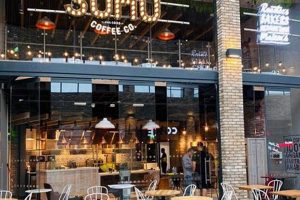
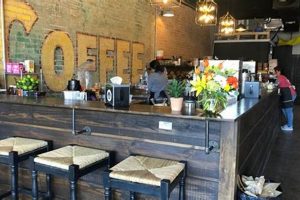
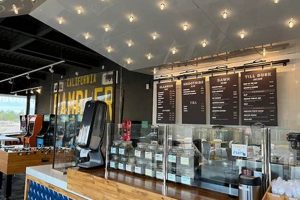
Establishments serving coffee are a prevalent feature of the Greek landscape, ranging from traditional cafes offering Greek coffee to modern specialty shops serving espresso-based beverages. These locations provide spaces for social interaction, business meetings, and individual relaxation, reflecting a deep-rooted coffee culture. For instance, one might find residents engaged in conversation over a “frappe” at a seaside cafe.
The value of these businesses extends beyond simply providing caffeine. They function as community hubs, preserving cultural traditions, and contributing to the local economy. Historically, they have served as important gathering places for discussion and debate. The prevalence of these establishments underlines their integral role in daily life.
The following sections will delve into specific aspects of the Greek coffee scene, examining the different types of coffee offered, the architectural styles of the establishments, and the variations in service encountered across different regions. A comprehensive overview of the operational aspects and cultural significance will also be provided.
Understanding the nuances of the Greek coffee environment can enhance the visitor’s experience. This section presents practical advice for those seeking to engage with the local coffee culture.
Tip 1: Familiarize Yourself with Coffee Varieties: The term “Greek coffee” refers to a specific preparation method rather than a bean type. Requesting “ellinikos” will yield this traditionally prepared beverage. Consider exploring other options such as “frappe” (iced instant coffee), “freddo espresso,” or “freddo cappuccino” (iced espresso and cappuccino, respectively).
Tip 2: Observe Local Customs: Coffee consumption is often a social activity. Be prepared to spend time conversing with companions or simply observing the local scene. Rushing the experience is generally discouraged.
Tip 3: Understand Payment Practices: While credit cards are becoming more accepted, particularly in urban areas, carrying cash remains advisable, especially in smaller establishments or more rural locales. Inquire about payment options before ordering if unsure.
Tip 4: Be Aware of Regional Variations: Coffee preparation and preferences can vary significantly across different regions of Greece. What is common in Athens may differ in Crete or the islands. Engage with locals to discover regional specialties.
Tip 5: Tipping Etiquette: Tipping is generally not mandatory but is appreciated for exceptional service. Rounding up the bill or leaving a small amount is customary.
Tip 6: Explore Alternative Coffee Options: Beyond traditional Greek coffee, many establishments now offer specialty coffee options such as single-origin espresso and pour-over methods. Inquire about the available selections.
Tip 7: Consider the Time of Day: Coffee consumption patterns differ. Greek coffee is often enjoyed in the morning or afternoon, while freddo espresso is popular throughout the day. Adjust one’s selection based on the time and personal preference.
By considering these points, visitors can more fully appreciate and integrate into the Greek coffee culture, fostering a more enriching and authentic experience.
The subsequent section will discuss the economic impact and future trends within the Greek coffee industry.
1. Tradition

The tradition surrounding coffee consumption in Greece is inextricably linked to the establishments that serve it. The preparation and consumption of Greek coffee, also known as “ellinikos”, represents a longstanding ritual, deeply embedded in the nation’s cultural fabric. These coffee shops, often referred to as “kafenia,” serve as custodians of this tradition, providing spaces where the slow, deliberate process of brewing and savoring this specific style of coffee is upheld. The custom extends beyond mere refreshment; it’s an opportunity for social connection and informal discourse. The kafenio, therefore, becomes a stage where these traditions are enacted and perpetuated, solidifying their relevance in contemporary Greek society. For example, observing elderly men engaging in animated discussions over cups of Greek coffee in a local kafenio demonstrates the enduring legacy of this practice.
The preparation of “ellinikos” itself is a critical aspect of the tradition. It involves simmering finely ground coffee in a “briki,” a small, long-handled pot, until it froths. The resulting coffee, served unfiltered with the grounds settled at the bottom of the cup, is consumed slowly, allowing ample opportunity for conversation and shared experiences. Modern coffee shops, while offering a broader range of beverages, often maintain a dedicated space and preparation method for Greek coffee, acknowledging its cultural significance. The preservation of these methods, often passed down through generations, underscores the practical importance of understanding this connection for both proprietors and patrons. The presence of traditional elements like the briki or specific seating arrangements reinforce the heritage of the kafenio within modern establishments.
In conclusion, the relationship between tradition and coffee shops in Greece is symbiotic. The kafenia and similar establishments serve as physical spaces where the rituals associated with Greek coffee are not only practiced but actively maintained. This preservation, in turn, contributes to the enduring cultural identity of Greece, providing continuity between the past and present. Challenges include adapting traditional practices to appeal to younger generations and maintaining authenticity in an increasingly globalized market. However, recognizing and respecting the underlying traditions remains crucial for the continued success and cultural relevance of coffee shops throughout Greece.
2. Frappe

The frappe, a ubiquitous iced coffee beverage, holds a significant position within the coffee culture of Greece and is a staple offering in the nation’s coffee shops. Its widespread popularity and ease of preparation have solidified its presence as a defining feature of the Greek coffee scene, reflecting a shift towards modern, adaptable coffee consumption.
- Origins and Popularization
Invented in Thessaloniki in 1957, the frappe quickly gained traction as a refreshing alternative to traditional hot coffee, particularly during the warmer months. Coffee shops across Greece embraced the beverage, contributing to its rapid dissemination and establishing it as a national favorite. This illustrates how a single invention can dramatically alter the landscape of offerings within Greek coffee businesses.
- Preparation and Customization
The frappe is typically prepared by shaking instant coffee, water, and sugar (optional) until a frothy mixture forms, which is then poured over ice. This simplicity allows for easy preparation in various coffee shop settings. Customization options, such as the addition of milk or flavored syrups, cater to diverse consumer preferences and demonstrate the adaptability of Greek coffee shops to evolving tastes.
- Economic Significance
The widespread consumption of frappe translates into considerable economic activity for Greek coffee shops. Its relatively low cost of production, coupled with consistent demand, makes it a profitable item on many menus. This economic contribution highlights the importance of the frappe not only as a cultural icon but also as a driver of revenue for these establishments.
- Cultural Impact and Tourism
The frappe has become synonymous with Greek summer and is often associated with leisure and relaxation. Tourists frequently seek out the beverage as an authentic Greek experience, further bolstering its prominence in coffee shops, especially those located in popular tourist destinations. This association reinforces the cultural identity of Greek coffee shops and their role in promoting local customs.
The frappe’s journey from accidental creation to a national beverage exemplifies its profound impact on coffee shops throughout Greece. Its accessibility, adaptability, and cultural resonance have cemented its position as a key element of the Greek coffee experience, contributing significantly to the economic viability and cultural identity of these establishments.
3. Freddo Espresso

Freddo espresso, a chilled coffee beverage, has become a prominent offering in coffee shops throughout Greece. Its rise in popularity reflects the evolving tastes of Greek coffee consumers and the adaptability of these establishments in catering to contemporary preferences.
- Preparation and Technique
Freddo espresso involves extracting a double shot of espresso directly into a metal shaker. Ice and, optionally, sugar are added before the mixture is vigorously shaken to create a cold, frothy beverage. This specific preparation method distinguishes it from other iced coffee options. The technique requires skilled baristas and specialized equipment, impacting coffee shop operations.
- Market Share and Consumer Preference
Freddo espresso holds a substantial market share in the Greek coffee market, particularly during warmer months. Its refreshing nature and strong coffee flavor appeal to a broad demographic. Coffee shops have responded by prominently featuring freddo espresso on their menus and tailoring marketing efforts to highlight its appeal. This has led to increased competition and product differentiation among establishments.
- Impact on Coffee Shop Economics
The demand for freddo espresso influences coffee shop economics through ingredient sourcing, equipment investment, and barista training. The need for high-quality espresso and efficient preparation methods requires careful management of resources. The beverage’s popularity contributes significantly to overall revenue for many coffee shops, underscoring its financial importance.
- Cultural Significance and Adaptation
While rooted in the Italian espresso tradition, freddo espresso has become a distinctly Greek adaptation, reflecting local preferences for strong coffee and iced beverages. Its prevalence in Greek coffee shops signifies a blend of international influences and local innovation. The beverage has become a symbol of modern Greek coffee culture and is often associated with social gatherings and relaxation.
The multifaceted nature of freddo espresso, encompassing preparation techniques, market dominance, economic contributions, and cultural adaptation, solidifies its relevance within the Greek coffee shop landscape. Its continuing popularity suggests its enduring influence on the sector. Furthermore, Freddo Espresso has now been adopted by different countries and becoming one of the famous drink in the world.
4. Community hubs

Greek coffee shops serve a function extending beyond mere commercial enterprise. These establishments often act as important focal points for community interaction and social cohesion, effectively functioning as community hubs. This role is deeply ingrained in Greek culture, shaping the social landscape and providing vital spaces for connection.
- Social Gathering Places
Coffee shops provide neutral ground for individuals to gather, converse, and engage in social activities. Residents frequently use these locations to meet friends, discuss current events, or simply observe the passing scene. Examples include elderly men gathering daily at a traditional kafenio to play cards and discuss local politics, or students meeting for study sessions in more modern establishments.
- Intergenerational Connections
Coffee shops facilitate interaction between different generations, fostering a sense of community continuity. Traditional kafenia often attract older clientele, while younger generations frequent more modern cafes. The presence of both groups in the same space allows for the exchange of ideas and experiences across age groups. Examples include grandparents teaching grandchildren traditional card games at a local kafenio, or young professionals engaging in conversation with elderly patrons about local history.
- Information Exchange and Local News
Coffee shops often serve as informal centers for information dissemination and local news. Patrons share updates on community events, local issues, and personal experiences. This role is particularly pronounced in smaller towns and villages, where coffee shops serve as vital conduits for communication. Examples include announcements of community gatherings posted on bulletin boards within coffee shops, or verbal exchanges of local news and gossip among patrons.
- Support Networks
Coffee shops can provide informal support networks for individuals facing personal challenges. Patrons offer emotional support, practical advice, and a sense of belonging to one another. This function is particularly important for vulnerable populations, such as elderly individuals living alone or newcomers seeking to integrate into the community. Examples include coffee shop owners offering a sympathetic ear to regulars experiencing hardship, or patrons providing assistance to those in need of transportation or other practical support.
In summary, the multifaceted role of coffee shops as community hubs in Greece underscores their significance beyond the provision of coffee. They function as social gathering places, facilitate intergenerational connections, disseminate information, and provide support networks, contributing significantly to the social fabric of Greek society. Their continued importance highlights the enduring value of these establishments as essential components of community life.
5. Economic Impact

The operation of establishments that offer coffee for sale in Greece has a measurable effect on the nation’s economy. These businesses contribute to various sectors, from agriculture and manufacturing to tourism and employment. The cultivation and processing of coffee beans, whether sourced domestically or imported, create demand within the agricultural sector and support industries involved in roasting, packaging, and distribution. Furthermore, the manufacturing and maintenance of coffee brewing equipment generate economic activity within the industrial sector. Each of these processes adds value and contributes to the gross domestic product.
The tourism sector is also significantly influenced. Establishments serving coffee are frequently patronized by tourists, who seek out these locations for refreshment and social interaction. This influx of tourists generates revenue not only for the coffee shops themselves but also for related businesses such as hotels, transportation providers, and retail outlets. The employment opportunities created by these establishments are also noteworthy. From baristas and servers to managers and support staff, the coffee shop industry provides jobs for a substantial segment of the Greek population. These jobs contribute to household income, stimulate local economies, and reduce unemployment rates. For instance, seasonal tourist destinations often experience a surge in employment during peak seasons due to the increased demand for coffee shop services.
In summary, the economic impact of establishments serving coffee in Greece is multifaceted, affecting agriculture, manufacturing, tourism, and employment. These businesses contribute to the nation’s GDP, provide employment opportunities, and support related industries. Understanding this impact is crucial for policymakers seeking to foster economic growth and for entrepreneurs looking to invest in the Greek coffee industry. However, challenges remain in the form of fluctuating commodity prices, increased competition, and evolving consumer preferences. Addressing these challenges is essential for ensuring the continued economic viability of these establishments and their positive contribution to the Greek economy.
6. Tourism
The intersection of tourism and coffee shops in Greece represents a significant driver of economic activity and cultural exchange. The influx of tourists creates a substantial demand for coffee and related products, directly impacting the revenue of these establishments. Beyond direct economic effects, coffee shops offer tourists an immersive experience of Greek culture, promoting a deeper understanding and appreciation of local customs. The presence of tourists, in turn, influences the offerings and ambiance of coffee shops, leading to a blend of traditional practices and modern adaptations. For example, a seaside cafe in Mykonos might offer both traditional Greek coffee and international espresso-based beverages to cater to a diverse clientele, reflecting the needs of both local residents and visiting tourists.
The importance of tourism as a component of coffee shops in Greece extends to various aspects of their operations. Coffee shops located in popular tourist destinations often employ multilingual staff, adapt their menus to include international options, and extend their operating hours to accommodate tourist schedules. Furthermore, these establishments may offer tourist-oriented services such as Wi-Fi access, currency exchange, and travel information. The design and decor of coffee shops in tourist areas may also reflect local architectural styles and cultural motifs, enhancing the visitor experience. For instance, a coffee shop in Santorini might feature whitewashed walls, blue accents, and caldera views, providing tourists with an iconic representation of the island’s aesthetic. This highlights the integral role coffee shops play in shaping the tourist experience and promoting Greek culture.
In conclusion, the relationship between tourism and coffee shops in Greece is mutually beneficial and economically significant. Tourism provides a vital source of revenue for these establishments, while coffee shops contribute to the overall tourist experience by offering authentic cultural encounters and convenient amenities. However, challenges include managing seasonal fluctuations in tourist demand, balancing the needs of tourists and local residents, and preserving the cultural authenticity of coffee shops in the face of increasing globalization. Addressing these challenges is essential for ensuring the sustainability of both the tourism industry and the coffee shop sector in Greece.
7. Cultural preservation
Coffee shops in Greece function as vital custodians of national culture, serving as physical and social spaces where traditions are actively maintained and transmitted across generations. This preservation is not merely passive; these establishments provide the setting for cultural practices to evolve and adapt while retaining their core values. The slow ritual of preparing and consuming Greek coffee (“ellinikos”), the sharing of meze (small dishes), and the animated discussions of politics and daily life all contribute to a rich tapestry of cultural heritage. These activities are not merely coincidental to the existence of coffee shops; they are integral to their purpose and function within Greek society. A real-life example can be found in rural villages where the local “kafenio” remains the primary meeting place for social interaction, serving as a community notice board and a repository of local history and folklore.
The role of these establishments in cultural preservation extends to the maintenance of specific culinary traditions and social customs. The preparation of Greek coffee, for example, is a skill passed down through generations, and the specific techniques and rituals associated with it are carefully observed and replicated. Similarly, the customs surrounding hospitality and social interaction are actively practiced and reinforced within the coffee shop environment. This includes the offering of complimentary treats, the sharing of stories, and the generally welcoming atmosphere that is characteristic of Greek culture. Understanding this function is crucial for appreciating the importance of coffee shops as more than just commercial enterprises; they are living museums of Greek culture. Furthermore, the rise of tourism has also led to a renewed interest in traditional coffee shop practices, as tourists seek authentic cultural experiences. This increased demand can contribute to the preservation of these traditions, but it also presents challenges in terms of maintaining authenticity and avoiding commercialization.
In conclusion, coffee shops in Greece are fundamentally linked to cultural preservation, serving as active agents in maintaining and transmitting traditions across generations. They are more than just places to drink coffee; they are vital social hubs where cultural identity is forged and reinforced. Addressing the challenges of globalization and commercialization is essential for ensuring the continued role of these establishments in safeguarding Greek cultural heritage. The understanding and appreciation of this connection are therefore of paramount importance for both local communities and visitors seeking an authentic experience of Greek culture.
Frequently Asked Questions
This section addresses common inquiries regarding establishments specializing in coffee within Greece, providing clarification on practices, customs, and offerings.
Question 1: What defines a traditional Greek coffee shop (kafenio)?
A kafenio is a traditional Greek coffee shop, typically characterized by its focus on Greek coffee (“ellinikos”), simple furnishings, and role as a community gathering place. These establishments often cater to a predominantly male clientele and serve as venues for conversation, card games, and the exchange of local news.
Question 2: How does Greek coffee (“ellinikos”) differ from other coffee preparations?
Greek coffee is prepared by simmering finely ground coffee in a “briki” (small pot) until it froths. It is served unfiltered, with the grounds settling at the bottom of the cup. This method results in a strong, thick coffee with a distinctive texture and flavor, differing substantially from filtered or espresso-based preparations.
Question 3: What is the significance of “frappe” in Greek coffee culture?
Frappe is an iced coffee drink made from instant coffee, water, and sugar, blended until frothy. Invented in Greece, it has become a staple beverage, particularly during warmer months. Its popularity signifies the adaptation of modern coffee consumption habits while remaining distinctly Greek.
Question 4: Is tipping customary in Greek coffee shops?
Tipping is not mandatory but is generally appreciated for exceptional service. Rounding up the bill or leaving a small amount (5-10%) is considered customary, particularly in establishments with table service. In self-service cafes, tipping is less common.
Question 5: Are credit cards widely accepted in Greek coffee shops?
While credit card acceptance is increasing, particularly in urban areas and larger establishments, carrying cash remains advisable, especially in smaller towns and rural locations. Confirming payment options prior to ordering is recommended.
Question 6: What factors influence the price of coffee in Greek coffee shops?
The price of coffee varies depending on factors such as location (tourist areas vs. residential neighborhoods), type of establishment (traditional kafenio vs. specialty coffee shop), and the specific beverage ordered (Greek coffee vs. espresso-based drinks). Ingredient quality and service level also contribute to price differences.
These answers offer a concise overview of common questions regarding coffee shops within Greece. Understanding these aspects enhances appreciation for the unique characteristics of this cultural phenomenon.
The following section will provide a glossary of relevant terms and phrases related to the Greek coffee experience.
Conclusion
The preceding exploration has illuminated the multifaceted role of coffee shops in Greece. These establishments extend beyond simple retail outlets; they function as cultural touchstones, economic contributors, and social hubs. The significance of Greek coffee, the rise of frappe and freddo espresso, and the impact of tourism are all defining characteristics of this landscape. The continued operation of coffee shops in Greece, therefore, represents an important aspect of national identity and economic stability.
Ongoing research into the evolving dynamics of consumer preferences and global economic forces is warranted. Understanding the complexities of this sector is essential for both preserving cultural traditions and fostering sustainable economic growth within Greece. Further examination of these trends will provide a more nuanced perspective on the future of coffee shops within the nation’s cultural and economic fabric.