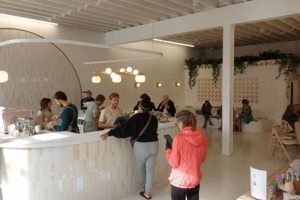
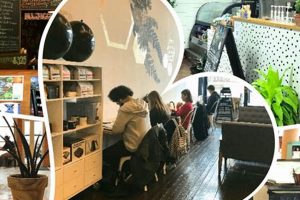
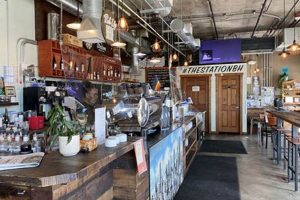
The selection of hues for a caf’s interior and exterior design is a strategic decision, influencing customer perception and overall atmosphere. This array of colors encompasses everything from wall paint and furniture upholstery to the shades present in branding elements like logos and signage. For example, a design scheme might feature warm browns and creams to evoke feelings of comfort and relaxation, or incorporate bolder, more vibrant tones to create an energetic and modern environment.
Strategic employment of these visual choices can significantly affect the success of the establishment. A well-considered scheme fosters a welcoming and memorable experience, encouraging repeat visits and positive word-of-mouth. Historically, establishments favored darker, richer colors to signal sophistication and luxury. Contemporary trends, however, often lean towards lighter, airier palettes to maximize natural light and create a sense of spaciousness. The impact extends beyond aesthetics; it directly influences mood and perceived value.
Understanding the crucial role that these chromatic choices play sets the stage for a deeper exploration into specific color combinations, their psychological effects, and practical application within diverse caf settings. Subsequent discussions will delve into how different businesses can tailor their environments to align with their brand identity and target audience through mindful use of color.
Strategic Color Selection for Cafes
Optimizing the visual appeal of a cafe requires careful consideration of the interplay of hues. The following guidelines offer a framework for developing effective color schemes that enhance the customer experience and reinforce brand identity.
Tip 1: Define Brand Identity. The chosen scheme should be consistent with the desired brand image. A modern, minimalist cafe might benefit from a palette of grays and whites, while a rustic, artisanal establishment may opt for warmer earth tones.
Tip 2: Consider the Psychological Impact. Different colors evoke different emotions. Blues and greens are generally associated with tranquility, while reds and yellows can stimulate appetite and energy. Select colors that align with the desired atmosphere.
Tip 3: Balance Warm and Cool Tones. Effective schemes often incorporate a balance of warm and cool tones to create visual interest and prevent the space from feeling sterile or overwhelming. Warm colors can be used to create a welcoming atmosphere, while cool colors can provide a sense of calm.
Tip 4: Utilize Lighting Effectively. The way colors appear is significantly influenced by lighting. Test paint samples under both natural and artificial light to ensure the desired effect is achieved.
Tip 5: Incorporate Accents Strategically. Accent colors can be used to draw attention to specific areas or features of the space. Use them sparingly to avoid overwhelming the overall design.
Tip 6: Test and Refine. Before committing to a final scheme, test samples in the actual space and solicit feedback from potential customers. This iterative process allows for adjustments and ensures that the final result is both aesthetically pleasing and effective in achieving the desired business outcomes.
By thoughtfully implementing these recommendations, business owners can craft aesthetically pleasing and effective cafe ambiences. Strategic application significantly enhances customer experience and strengthens brand recognition.
The successful implementation of a cafes visual aspects paves the way for a comprehensive approach to design, incorporating factors such as furniture selection, lighting design, and overall layout optimization to create an immersive and engaging customer experience.
1. Brand Representation
The selection of hues is inextricably linked to brand representation in the context of a coffee shop. The colors employed serve as a visual shorthand, communicating the establishment’s values, target demographic, and overall identity. A carefully curated chromatic scheme acts as a silent ambassador, influencing customer perception from the moment they encounter the establishment, either physically or digitally. For instance, a coffee shop specializing in ethically sourced, organic beans might opt for a palette of natural greens, browns, and creams to convey a sense of environmental consciousness and authenticity. Conversely, a modern, tech-forward coffee shop might embrace a high-contrast palette of black, white, and a vibrant accent color to project innovation and efficiency. These choices reflect a deliberate strategy to align the visual experience with the brand’s core message.
The importance of brand representation within the color palette cannot be overstated. A disconnect between the visual aesthetic and the brand’s purported identity can lead to confusion and a diminished customer experience. Consider a hypothetical scenario: a coffee shop advertising itself as a haven for relaxation and creativity, yet adorned with harsh, fluorescent lighting and a palette dominated by aggressive reds and oranges. The resulting cognitive dissonance could deter customers seeking the promised tranquility. Conversely, a well-aligned color scheme reinforces brand recognition and fosters a sense of loyalty. Starbucks, for example, consistently utilizes its signature green, creating a recognizable and comforting visual cue associated with its brand promise.
In conclusion, the coffee shop color palette is not merely an aesthetic consideration; it is a fundamental element of brand communication. Understanding the connection between the color scheme and the desired brand representation is crucial for creating a cohesive and impactful customer experience. The challenge lies in crafting a visual identity that accurately reflects the brand’s values, resonates with its target audience, and contributes to a memorable and positive association. This requires careful planning, a deep understanding of color psychology, and a keen awareness of current market trends.
2. Psychological Impact

The deliberate selection of a color scheme for a coffee shop has demonstrable psychological effects on its patrons. These effects are not arbitrary; colors elicit specific emotional and behavioral responses, influencing factors such as mood, appetite, and dwell time. The impact, therefore, is a crucial component of crafting a successful and inviting atmosphere. Warm colors, such as reds and yellows, can stimulate appetite and create a sense of energy, potentially encouraging faster turnover. Conversely, cooler colors, like blues and greens, tend to promote relaxation and calmness, fostering a longer stay. A poorly chosen color palette can inadvertently create a negative experience, leading to customer discomfort and decreased patronage. The cause-and-effect relationship is direct: color choices dictate emotional responses, which, in turn, affect behavior within the coffee shop environment.
Real-world examples illustrate the practical significance of this understanding. Consider the prevalent use of browns and earth tones in many established coffee chains. These colors are associated with warmth, reliability, and comfort, aligning with the desire to create a familiar and welcoming experience. Starbucks, for example, has long employed variations of brown and green, reinforcing a sense of stability and connection to nature. In contrast, a modern, minimalist coffee shop might utilize a monochromatic palette of grays and whites to convey a sense of sophistication and efficiency. This approach, while less overtly inviting, can appeal to a specific demographic seeking a clean, uncluttered environment. The key lies in aligning the color scheme with the desired psychological impact and the overall brand identity. Practical applications extend to the strategic use of accent colors to highlight specific areas or features within the coffee shop, subtly guiding customer behavior and creating visual interest.
In summary, understanding the psychological impact of color is paramount when designing a coffee shop’s interior. Color choices are not merely aesthetic decisions; they are powerful tools that can shape customer perceptions, influence behavior, and ultimately contribute to the success of the business. The challenge lies in balancing aesthetic appeal with psychological effectiveness, creating a color palette that is both visually pleasing and conducive to the desired atmosphere. By carefully considering the emotional and behavioral responses elicited by different colors, coffee shop owners and designers can create spaces that are not only beautiful but also conducive to a positive and engaging customer experience. This reinforces the brand identity and increases customer retention.
3. Lighting Interaction

The selected coffee shop color palette is significantly influenced by the intended lighting scheme, and vice versa. These elements are inextricably linked, as lighting fundamentally alters the perceived appearance of colors. Natural light, artificial light (fluorescent, incandescent, LED), and the direction and intensity of light all contribute to how a particular color is rendered within a space. A paint color appearing warm and inviting under soft incandescent light might appear cold and sterile under harsh fluorescent light. The causal relationship is clear: lighting directly affects the perceived hue, saturation, and value of any color within the environment, and the failure to acknowledge this interaction can lead to unintended aesthetic outcomes. The appropriate assessment and integration of lighting interaction within the conceptualization of a caf interior is crucial; overlooking this aspect results in a disjointed and unappealing atmosphere, negatively impacting customer experience and overall ambiance.
Practical applications include rigorous testing of chosen paint colors under different lighting conditions before final implementation. Paint samples should be evaluated under natural daylight, simulated artificial light, and in various locations within the space to account for variations in ambient light levels. Furthermore, the specified color palette should be adjusted based on the lighting strategy. For example, a coffee shop utilizing primarily warm LED lighting may opt for cooler-toned wall colors to balance the overall atmosphere and prevent an overly yellow or orange cast. Conversely, a space reliant on natural light may benefit from warmer hues to enhance the sense of comfort and invitation. The interaction between color and light extends beyond walls and surfaces to include furniture, textiles, and decorative elements. Selecting materials with appropriate reflectance and texture is critical to maximizing the impact of the chosen color palette under the planned lighting design.
In summary, the interplay between lighting and color constitutes a critical design consideration for any coffee shop. It is not sufficient to select aesthetically pleasing colors in isolation; rather, the lighting strategy must be integrated into the palette selection process to ensure a cohesive and harmonious visual experience. The challenge lies in understanding the nuances of light and color interaction and implementing a comprehensive design approach that addresses both elements concurrently. By prioritizing lighting interaction as a key component of the coffee shop color palette, owners and designers can create environments that are not only visually appealing but also optimized for customer comfort and satisfaction.
4. Space Perception
Space perception within a coffee shop environment is profoundly influenced by the selected color palette. Color choices directly impact the perceived dimensions, atmosphere, and overall sense of comfort within the space. Thoughtful application of color can expand or contract the apparent size of the room, create a sense of intimacy or openness, and contribute to the desired ambiance, affecting customer behavior and length of stay.
- Color Temperature and Spaciousness
Cool colors (blues, greens, purples) tend to recede, making spaces feel larger and more open. This is due to the way these wavelengths of light are perceived by the human eye. Conversely, warm colors (reds, oranges, yellows) advance, creating a sense of intimacy and enclosure. A small coffee shop might utilize a predominantly cool color palette to maximize the perceived space, while a larger establishment might employ warmer tones in specific areas to create cozy nooks.
- Value and Contrast
The value (lightness or darkness) and contrast of the color palette play a crucial role in defining spatial boundaries. High contrast can create a sense of activity and visual stimulation, making a space feel dynamic and energetic. Conversely, low contrast, especially with lighter values, can create a sense of calm and serenity, expanding the perceived space. A coffee shop aiming for a lively atmosphere may employ bold color combinations, while one seeking a relaxed environment might opt for muted, harmonious tones.
- Monochromatic vs. Polychromatic Schemes
Monochromatic color schemes, utilizing variations of a single hue, can create a sense of continuity and spaciousness. The limited color variation allows the eye to move smoothly throughout the space, enhancing the perception of size. Polychromatic schemes, incorporating multiple colors, can define different zones or areas within the coffee shop, visually breaking up the space and potentially making it feel smaller. The choice between these approaches depends on the desired effect and the overall architectural layout.
- Ceiling and Wall Color Relationships
The relationship between ceiling and wall colors significantly impacts the perceived height of the space. A light-colored ceiling can make a room feel taller and more airy, while a darker ceiling can lower the perceived height, creating a more intimate atmosphere. Similarly, extending the wall color onto the ceiling can blur the boundaries of the room, creating a sense of expansive continuity. A careful consideration of these relationships is essential for optimizing the spatial perception within the coffee shop.
In conclusion, the effective manipulation of space perception through color selection is a powerful tool for shaping the customer experience within a coffee shop. By understanding the psychological and visual effects of different color combinations and applying them strategically, owners and designers can create environments that are not only aesthetically pleasing but also optimized for comfort, functionality, and brand identity. The considerations for space perception as a core aspect contribute toward the success of the design.
5. Material Harmony

Material harmony, in the context of a coffee shop environment, refers to the cohesive integration of surface textures and patterns with the selected color palette. This integration extends beyond simple color matching to encompass the interplay of light, shadow, and tactile qualities, influencing customer perceptions and contributing to a unified aesthetic experience.
- Texture and Color Saturation
The perceived saturation of a color is directly affected by the texture of the material on which it is applied. Rough, matte surfaces tend to diffuse light, resulting in a more muted and less intense color rendition. Conversely, smooth, glossy surfaces reflect light, enhancing color saturation and creating a more vibrant appearance. For instance, a deep, rich brown paint will appear less saturated on a heavily textured brick wall compared to a smooth, varnished wood panel. The selection of materials must, therefore, consider how their inherent textures will interact with the chosen colors, influencing the overall visual impact.
- Pattern Integration and Color Coordination
The incorporation of patterns, whether through fabrics, wallpapers, or decorative elements, requires careful coordination with the dominant color palette. Patterns should complement, rather than compete with, the overall color scheme. A busy, multi-colored pattern in a small space with an already complex color palette can create a sense of visual clutter and discomfort. Conversely, a subtle, monochromatic pattern can add depth and interest without overwhelming the space. An example of effective pattern integration would be the use of a subtly textured, neutral-toned wallpaper in a coffee shop with a predominantly warm color palette, providing visual interest without disrupting the overall harmony.
- Material Reflectance and Ambient Light
The reflectance of different materials significantly influences the distribution of ambient light within a coffee shop, which, in turn, affects the perceived color palette. Highly reflective surfaces, such as mirrors or polished metal, can amplify light levels and create a sense of spaciousness, but can also introduce unwanted glare. Conversely, matte surfaces absorb light, creating a more subdued and intimate atmosphere. A careful balance of reflective and absorptive materials is essential for optimizing the lighting environment and ensuring that the chosen colors are rendered accurately. For example, the selection of a matte-finished countertop in a coffee shop with ample natural light can help to reduce glare and create a more comfortable working surface.
- Tactile Qualities and Color Associations
The tactile qualities of materials evoke specific emotional responses, which can be further enhanced or contradicted by the associated colors. Smooth, cool-toned materials, such as glass or polished concrete, can convey a sense of modernity and sophistication. Rough, warm-toned materials, such as exposed brick or reclaimed wood, can evoke feelings of warmth and authenticity. A coffee shop aiming for a rustic aesthetic might utilize a combination of reclaimed wood and earth-toned colors to reinforce the desired atmosphere. The effective integration of tactile qualities and color associations creates a multi-sensory experience that enhances customer engagement and strengthens the overall brand identity.
In conclusion, material harmony is not merely an aesthetic consideration, but a crucial element in creating a cohesive and impactful coffee shop design. By carefully considering the interplay of texture, pattern, reflectance, and tactile qualities with the selected color palette, owners and designers can craft environments that are not only visually appealing but also conducive to a positive and engaging customer experience. Examples are endless in the world.
Frequently Asked Questions
The following addresses common inquiries regarding the strategic application of chromatic selection in cafe design, emphasizing its impact on customer experience and brand identity.
Question 1: What constitutes a “coffee shop color palette”?
It encompasses the range of colors employed within the physical and visual branding of a coffee shop, including wall paints, furniture fabrics, logo designs, and signage. It is more than a collection of shades; it is a deliberate design choice intended to evoke specific emotions and perceptions.
Question 2: Why is chromatic selection crucial in coffee shop design?
Color choice significantly impacts customer perception, mood, and behavior. It influences factors such as perceived spaciousness, dwell time, and even appetite. A well-considered scheme can reinforce brand identity and create a memorable, inviting atmosphere.
Question 3: How does lighting affect the color palette’s appearance?
Lighting (natural and artificial) fundamentally alters the way colors are perceived. Colors will display differently under incandescent, fluorescent, and LED lighting. Testing samples under various light sources is essential to ensuring the desired visual effect.
Question 4: What role does brand identity play in color palette selection?
The selected scheme should align with the establishment’s brand identity. Modern, minimalist businesses might benefit from neutral palettes, while rustic or artisanal businesses may opt for warmer, earthier tones. Consistency between visual aesthetic and brand message is vital.
Question 5: How can color be used to influence space perception in a small coffee shop?
Cool colors (blues, greens) tend to recede, making spaces feel larger. Lighter values and monochromatic schemes can also enhance the perception of spaciousness. Strategic selection can offset the limitations of a smaller area.
Question 6: How does material texture impact color appearance?
Material texture affects color saturation. Rough, matte surfaces diffuse light, resulting in a more muted appearance, while smooth, glossy surfaces reflect light, enhancing saturation. Material selection should consider interaction with color choices.
The understanding of these color scheme variables is paramount in building the design of a successful and inviting coffee shop environment. By analyzing these elements, business owners and designers can create spaces that align with business targets and brand identification.
Considering other coffee shop design elements, like the furniture, layout, and acoustic environment, supports the overall success of the business. A holistic design approach maximizes customer satisfaction and elevates the whole business experience.
Conclusion
The preceding discussion clarifies the critical role a coffee shop color palette assumes within the broader context of establishment design. From influencing customer mood and brand recognition to impacting space perception and material harmony, the strategic deployment of color constitutes a powerful tool. The examined elementsbrand representation, psychological impact, lighting interaction, space perception, and material harmonyunderscore the multifaceted nature of this design consideration.
The enduring significance of a well-conceived color scheme necessitates its prioritization in the development and refinement of any coffee shop. Prudent owners and designers will acknowledge the tangible impact of such visual elements, committing to informed decisions that cultivate both aesthetic appeal and optimal customer experience. Continued research and thoughtful implementation remain vital to maximizing the potential of the coffee shop color palette in fostering successful and enduring establishments.