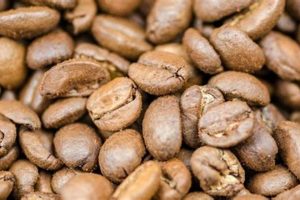
The selection represents the pinnacle of coffee cultivation, originating from Arabica plants and meticulously chosen for superior quality. These beans exhibit complex flavor profiles, often characterized by notes of fruit, chocolate, and floral aromas, accompanied by a balanced acidity. This contrasts with other varietals, which may possess a more robust, but less nuanced, taste.
Their significance lies in their ability to deliver an exceptional sensory experience. The inherent attributes of these beans contribute to a smoother, more aromatic cup, highly prized by connoisseurs and everyday consumers alike. Historically, the cultivation and trade of Arabica have shaped global economies and cultural traditions, solidifying their status as a sought-after commodity.
Understanding the factors that contribute to the quality of these beans, from the impact of growing regions and processing methods to the nuances of roasting and brewing, provides a foundation for appreciating the art and science behind crafting the perfect cup. Subsequent sections will delve into specific regions renowned for producing exceptional Arabica crops, exploring the influence of terroir, processing techniques, and best practices in coffee preparation.
Cultivating an Exceptional Coffee Experience
Achieving an elevated coffee experience requires careful consideration of several key factors. These tips provide guidance on selecting, storing, and preparing beans to maximize flavor and aroma potential.
Tip 1: Source from Reputable Origins: Seek out single-origin beans from regions known for high-quality Arabica, such as Ethiopia, Colombia, or Kenya. The specific origin often indicates distinct flavor characteristics influenced by the local terroir.
Tip 2: Prioritize Whole Bean Purchase: Opt for whole bean coffee whenever possible. Grinding immediately before brewing preserves volatile aromatic compounds, resulting in a more flavorful cup.
Tip 3: Employ Proper Storage Techniques: Store beans in an airtight, opaque container away from direct sunlight, heat, and moisture. This protects against oxidation and maintains freshness. Room temperature is suitable; refrigeration or freezing is generally discouraged due to potential condensation issues.
Tip 4: Invest in a Quality Grinder: A burr grinder provides a consistent grind size, which is crucial for even extraction and optimal flavor. Avoid blade grinders, which tend to produce inconsistent particles and generate heat, potentially damaging the coffee’s delicate flavors.
Tip 5: Utilize Filtered Water: The quality of the water significantly impacts the final taste. Use filtered water to remove impurities that can mask the beans’ inherent flavor profiles.
Tip 6: Control Water Temperature: Maintain a water temperature between 195-205F (90-96C) for optimal extraction. Water that is too hot can scorch the grounds, resulting in a bitter taste, while water that is too cool will lead to under-extraction and a sour or weak brew.
Tip 7: Experiment with Brewing Methods: Explore various brewing methods, such as pour-over, French press, or espresso, to discover which best highlights the desired flavor characteristics of the beans. Each method extracts different compounds, influencing the final cup profile.
By implementing these practices, one can significantly enhance the quality of the coffee consumed. Attention to detail, from bean selection to brewing technique, is essential for unlocking the full potential of high-quality Arabica.
The following sections will further elaborate on the diverse brewing methods and their impact on the final cup, providing a comprehensive guide to coffee preparation.
1. Altitude

Altitude plays a pivotal role in the cultivation and ultimate quality of Arabica coffee beans. The elevation at which coffee plants are grown significantly influences bean density, flavor development, and overall cup profile. Higher altitudes often correlate with more complex and nuanced flavor characteristics.
- Slower Maturation
At higher elevations, cooler temperatures and lower oxygen levels slow the maturation process of coffee cherries. This extended development period allows for the accumulation of more complex sugars and organic acids within the bean, resulting in a more intricate flavor profile. For example, beans grown above 1,800 meters often exhibit brighter acidity and more pronounced floral or fruity notes.
- Increased Bean Density
The cooler temperatures at higher altitudes contribute to increased bean density. Denser beans are generally considered to be of higher quality, as they contain a greater concentration of desirable compounds and are more resistant to damage during processing and roasting. This density directly affects the cup quality, leading to a more robust and flavorful brew.
- Reduced Pest Pressure
Higher altitudes often experience reduced pest pressure compared to lower-lying areas. The cooler climate is less conducive to the survival and reproduction of many common coffee pests and diseases. This minimizes the need for chemical interventions, promoting more sustainable farming practices and potentially contributing to a cleaner, more natural flavor profile.
- Improved Drainage and Terroir
Mountainous regions, characteristic of high-altitude coffee farms, typically possess excellent natural drainage. This prevents waterlogging of the soil, which can negatively impact root health and bean quality. Furthermore, the unique soil composition and microclimates found at different altitudes, collectively known as terroir, contribute to the distinct flavor characteristics of coffee grown in specific regions. For example, volcanic soils at high elevations can impart mineral notes to the coffee.
The combined effects of slower maturation, increased bean density, reduced pest pressure, and improved drainage contribute to the superior quality often associated with high-altitude Arabica beans. Coffee sourced from these elevated regions tends to command higher prices due to its enhanced flavor complexity and overall cup quality, reflecting the dedication and meticulous cultivation practices required to thrive in these challenging environments. Thus, elevation is a critical factor in determining the designation of Arabica beans as truly “best”.
2. Processing Method

The processing method employed after harvesting significantly impacts the flavor profile and overall quality of Arabica coffee beans. Different methods impart distinct characteristics, influencing acidity, body, sweetness, and aroma. Understanding these variations is crucial for identifying “best Arabica coffee beans” suited to individual preferences. The chosen technique directly affects the bean’s chemical composition and subsequent roasting potential. Improper processing can negate even the best growing conditions.
Common processing methods include washed, natural (dry), and honey (pulped natural). Washed processing involves removing the pulp and mucilage before drying, resulting in beans with higher acidity and a cleaner, brighter cup. For instance, many Kenyan Arabica beans undergo meticulous washed processing, contributing to their characteristic vibrant acidity and black currant notes. Conversely, natural processing allows the cherries to dry intact, imparting fruitier, heavier-bodied flavors. Ethiopian Arabica often utilizes natural processing, yielding beans with intense blueberry and strawberry notes. Honey processing, a hybrid approach, retains varying amounts of mucilage during drying, leading to a spectrum of sweetness and complexity. Costa Rican producers frequently experiment with honey processing, creating diverse flavor profiles ranging from honeyed sweetness to balanced fruit acidity.
Selecting Arabica beans based on processing method allows consumers to target specific flavor preferences. While “best” is subjective, understanding the effects of each method enables informed decisions. Furthermore, awareness of processing techniques promotes appreciation for the multifaceted nature of coffee production. Challenges related to water usage in washed processing and potential inconsistency in natural processing highlight the importance of sustainable and meticulous practices. This understanding links to the broader theme of quality coffee production, emphasizing the interplay between cultivation, processing, and consumer appreciation.
3. Roast Level

Roast level, a critical determinant of flavor, significantly influences the expression of underlying characteristics of premium Arabica beans. The application of heat triggers complex chemical reactions, transforming green coffee into the aromatic, palatable beverage base. Varying the degree of roasting alters the balance between acidity, sweetness, body, and bitterness, effectively shaping the sensory experience. A light roast preserves the origin-specific nuances of the bean, highlighting acidity and delicate floral or fruity notes. For instance, a lightly roasted Ethiopian Yirgacheffe will showcase its inherent lemony acidity and bergamot aroma. A medium roast enhances sweetness and balances acidity, developing caramel and chocolate undertones, as typically seen in Colombian Supremo. Dark roasts, conversely, diminish acidity while intensifying bitterness, body, and smoky or roasted flavors, often exemplified by Italian roasts. The selection of an appropriate roast level, therefore, directly impacts the realization of the bean’s potential.
The relationship between roast level and the inherent characteristics of the raw bean is paramount. High-quality Arabica beans, often possessing complex flavors and nuanced acidity, are typically best suited to lighter or medium roasts to preserve these attributes. Over-roasting can mask origin characteristics, resulting in a homogenous, bitter flavor profile, negating the advantages of sourcing premium beans. Conversely, lower-grade Arabica beans may benefit from darker roasts, which can minimize undesirable flavors and impart a more palatable, albeit less complex, taste. Practical application of this understanding allows roasters to optimize bean selection and roasting profiles, maximizing the potential of each batch. Furthermore, consumers benefit from awareness of roast levels to align their purchases with desired flavor preferences. A light roast may appeal to those seeking bright acidity, while a dark roast is suitable for those preferring a bold, intense flavor.
In summary, roast level represents a pivotal step in unlocking the potential of exceptional Arabica beans. The careful manipulation of heat allows for the targeted development of specific flavor characteristics, highlighting inherent nuances or masking less desirable traits. The challenge lies in achieving a roast profile that complements the bean’s origin, processing method, and intended brewing method. By understanding the interplay between these factors, roasters and consumers alike can elevate the coffee experience and fully appreciate the qualities of meticulously sourced Arabica beans.
4. Bean Density
Bean density serves as a critical indicator of overall quality within Arabica coffee classifications. It is directly related to growing conditions and processing techniques, influencing the final flavor profile and roastability of the bean. Denser beans, resulting from slower maturation processes often found at higher altitudes, exhibit a more concentrated composition of desirable compounds, including sugars, acids, and oils. This concentrated composition translates into a more complex and nuanced flavor profile in the brewed coffee. Conversely, lower density beans may indicate less favorable growing conditions or improper processing, leading to weaker flavors and potentially undesirable characteristics. For instance, a high-altitude Guatemalan Arabica is typically denser than a low-altitude Brazilian Arabica, reflecting the distinct flavor profiles associated with these regions. Therefore, bean density contributes to defining which beans are considered “best”.
The practical significance of bean density is evident throughout the coffee supply chain. Green coffee buyers often assess density as a preliminary gauge of quality before purchasing large quantities. Roasters rely on density measurements to determine optimal roasting parameters. Denser beans typically require more energy to roast evenly, while less dense beans may scorch easily. Understanding bean density is crucial for achieving consistent roast profiles and extracting the full flavor potential. For example, a roaster may adjust the roasting time and temperature for a high-density Kenyan Arabica to fully develop its complex acidity and black currant notes, while employing a different approach for a lower-density Indonesian Arabica to minimize potential bitterness. In addition, the texture of ground coffee and the extraction rate during brewing are influenced by the original density of the bean.
In conclusion, bean density represents a crucial, although often overlooked, component of Arabica coffee quality. It reflects the cumulative effects of environmental factors and processing techniques on the bean’s internal composition. While not the sole determinant of “best,” it acts as a valuable indicator for both buyers and roasters in predicting flavor potential and optimizing roasting protocols. Challenges remain in accurately measuring and consistently reporting bean density across the industry. Further research into the impact of specific growing conditions on bean density promises to refine our understanding of quality Arabica production and contribute to improved sourcing and roasting practices.
5. Origin Specificity

Origin specificity is a cornerstone in the pursuit of Arabica beans considered of superior quality. It acknowledges that geographical factors, including climate, soil composition, and altitude, impart unique characteristics to coffee beans, distinguishing them by region and even by specific estates. This understanding is critical for discerning and appreciating the nuances that differentiate exemplary beans from the commonplace.
- Terroir Influence
Terroir, the combination of environmental factors affecting a crop, profoundly shapes the flavor profile. For instance, Ethiopian Yirgacheffe, grown in volcanic soil at high altitudes, exhibits a distinct floral aroma and bright acidity. Similarly, Colombian Medellin, cultivated on steep slopes with consistent rainfall, delivers a balanced cup with notes of citrus and caramel. The terroir dictates the availability of nutrients, sunlight exposure, and water drainage, all of which influence bean development and flavor complexity.
- Cultivar Variation
Within specific origins, diverse cultivars, or cultivated varieties, contribute to the diversity of flavors. Geisha, originating from Ethiopia and now cultivated in Panama, is renowned for its jasmine-like aroma and delicate sweetness. Bourbon, a widely planted cultivar in Latin America, produces a balanced cup with a smooth body. The interaction between terroir and cultivar creates distinct flavor signatures associated with particular regions. Careful selection of cultivars appropriate for a specific origin is essential for maximizing quality potential.
- Processing Traditions
Traditional processing methods, often deeply rooted in specific regions, contribute significantly to origin-specific characteristics. Wet-processed Kenyan beans are known for their clean acidity and bright flavors, while dry-processed Ethiopian beans exhibit a fruity sweetness and heavier body. The choice of processing method interacts with the terroir and cultivar to further define the final flavor profile. These processing choices can preserve or distort the underlying attributes of quality beans.
- Regional Reputation and Certification
Certain regions have cultivated a reputation for producing exceptional Arabica coffee, often supported by quality control measures and certification programs. The Denomination of Origin (D.O.) for Colombian Coffee guarantees the geographical origin and quality standards. Similar certifications exist in other regions, providing consumers with assurance of authenticity and traceability. The reputation of a region can act as a proxy for quality, guiding consumers towards beans with desirable characteristics. This reputation is built on a history of careful cultivation and processing practices.
The interplay between terroir, cultivar, processing traditions, and regional reputation underscores the importance of origin specificity in identifying superior Arabica beans. Understanding these factors allows consumers and industry professionals to appreciate the unique qualities of coffee from different regions and to make informed decisions based on their preferences. The pursuit of the “best” Arabica coffee is, therefore, intimately linked to an appreciation of its geographical origin and the factors that contribute to its distinctiveness.
6. Aroma Complexity

Aroma complexity is a defining characteristic of superior Arabica coffee beans, distinguishing them from lesser varieties. It refers to the breadth, depth, and interplay of volatile aromatic compounds released during the brewing process, resulting in a multi-layered and nuanced sensory experience. The presence of a wide range of these compounds indicates meticulous cultivation, processing, and roasting practices, and directly contributes to the perception of high quality.
- Multiple Aromatic Layers
Exceptional Arabica beans exhibit a sequence of aromatic notes that unfold over time. Initial aromas might include bright citrus or floral tones, followed by deeper, more complex notes of chocolate, caramel, or spice. This layering effect prevents sensory fatigue and provides a constantly evolving olfactory experience. For example, a Gesha variety might initially present jasmine and bergamot aromas, evolving into honey and peach notes as it cools. This depth differentiates high-quality beans from those with simpler, more one-dimensional aromatic profiles.
- Interplay of Contrasting Aromas
The best Arabica beans often feature a harmonious balance of contrasting aromas, such as sweet and savory, or floral and earthy. This interplay creates a dynamic and stimulating olfactory experience. A well-balanced Ethiopian Yirgacheffe might combine bright lemon notes with earthy undertones, resulting in a complex and intriguing aroma. The presence of these contrasting elements prevents the aroma from being overly simplistic or cloying, contributing to its overall appeal.
- Intensity and Persistence
High-quality Arabica beans possess a robust and persistent aroma that lingers after brewing. The intensity of the aroma reflects the concentration of volatile compounds, while its persistence indicates their stability and resistance to degradation. A fleeting aroma suggests lower quality or improper storage, while a strong and enduring aroma signifies superior beans. The aroma is also persistent from hot to cool, a well made cup should express it qualities throughout its tempature span.
- Presence of Unique Aromatic Markers
Certain Arabica origins and cultivars are known for unique aromatic markers that serve as indicators of quality and authenticity. For example, the distinctive black currant aroma is characteristic of well-processed Kenyan beans, while the blueberry note is often associated with naturally processed Ethiopian beans. The presence of these unique markers can help to identify and appreciate the specific attributes of different Arabica varieties.
Aroma complexity, therefore, is not merely a desirable trait, but a key indicator of superior Arabica coffee beans. The presence of multiple aromatic layers, the interplay of contrasting aromas, intensity and persistence, and the presence of unique aromatic markers all contribute to the overall sensory experience and distinguish truly exceptional beans. Recognizing and appreciating aroma complexity allows consumers to make informed choices and fully savor the nuances of high-quality Arabica coffee.
7. Acidity Balance
Acidity balance represents a crucial attribute in defining superior Arabica coffee beans. It pertains not merely to the presence of acidic compounds, but rather to their harmonious integration with other flavor elements, such as sweetness, body, and bitterness. The perception of acidity significantly influences the overall cup quality, contributing to its vibrancy, complexity, and perceived freshness. When properly balanced, acidity enhances the inherent characteristics of the bean, complementing its origin-specific flavors. Conversely, excessive or muted acidity can detract from the sensory experience, rendering the coffee either sour and unpalatable or flat and lifeless. The interplay of organic acids, such as citric, malic, and quinic, is essential for achieving this balance.
The growing region, processing method, and roast level all exert considerable influence on acidity balance. Higher altitudes generally result in increased acidity due to slower maturation of the coffee cherries. Washed processing tends to yield beans with brighter, more pronounced acidity, while natural processing often results in a milder, more subdued acidity profile. Roast level plays a crucial role in modulating acidity; lighter roasts preserve acidity, whereas darker roasts tend to diminish it. For example, Kenyan Arabica beans, known for their high acidity, typically undergo washed processing and are roasted lightly to accentuate their inherent brightness. In contrast, Indonesian Arabica beans, which often exhibit lower acidity, may benefit from a slightly darker roast to enhance body and sweetness, thereby achieving a more harmonious balance. Failure to consider these interdependencies during the selection and roasting processes can lead to an unbalanced and less desirable cup.
In conclusion, acidity balance stands as a paramount factor in determining the quality of Arabica coffee beans. Its proper management requires a comprehensive understanding of the interplay between growing conditions, processing techniques, and roasting protocols. The pursuit of a balanced acidity profile ultimately contributes to a more nuanced, flavorful, and enjoyable coffee experience. Challenges remain in consistently achieving optimal acidity balance, requiring ongoing research and refinement of cultivation and processing practices. This ongoing pursuit links directly to the broader theme of elevating coffee quality and ensuring sustainable production.
Frequently Asked Questions
This section addresses common inquiries regarding the selection and appreciation of superior Arabica coffee beans. The goal is to provide clear, concise information to enhance understanding and informed decision-making.
Question 1: What criteria define “best” Arabica coffee beans?
The classification relies on a confluence of factors, including origin, altitude, processing method, bean density, roast level, aroma complexity, and acidity balance. Optimal combinations of these elements contribute to an exceptional sensory experience.
Question 2: How does altitude affect Arabica bean quality?
Higher altitudes typically yield denser beans with more complex flavor profiles due to slower maturation processes. Cooler temperatures and reduced oxygen levels contribute to the accumulation of desirable compounds.
Question 3: What are the primary differences between washed and natural processing methods?
Washed processing removes the pulp and mucilage before drying, resulting in beans with higher acidity and a cleaner cup. Natural processing dries the cherries intact, imparting fruitier and heavier-bodied flavors.
Question 4: How does roast level impact the flavor of Arabica coffee?
Light roasts preserve acidity and origin-specific nuances. Medium roasts enhance sweetness and balance acidity. Dark roasts diminish acidity while intensifying bitterness and body.
Question 5: Is single-origin coffee inherently superior to blends?
Not necessarily. Single-origin coffees showcase the distinct characteristics of a specific region, while blends combine beans from multiple origins to achieve a desired flavor profile. Both can be of high quality.
Question 6: How should Arabica coffee beans be stored to maintain freshness?
Store beans in an airtight, opaque container away from direct sunlight, heat, and moisture. Whole beans should be ground immediately before brewing to preserve volatile aromatic compounds.
In summary, the selection of “best” Arabica coffee beans involves a nuanced understanding of various factors that influence flavor and quality. Careful consideration of these elements allows for an enhanced coffee experience.
The following section will explore specific regional examples of exemplary Arabica cultivation and processing.
In Conclusion
The preceding exploration has illuminated the multifaceted nature of identifying truly superior Arabica coffee beans. From the influence of altitude and processing methods to the subtleties of roast level and the importance of origin specificity, numerous factors contribute to the final cup’s sensory experience. Bean density, aroma complexity, and acidity balance serve as critical indicators of quality, demanding careful consideration from both producers and consumers.
The pursuit of exemplary Arabica coffee represents an ongoing endeavor, requiring continued dedication to sustainable cultivation practices, meticulous processing techniques, and a deep appreciation for the nuances of origin. The value of these efforts lies not only in the enhanced flavor profiles achieved, but also in the preservation of coffee-growing traditions and the support of the communities that depend on them. The commitment to quality ultimately elevates the entire coffee experience, enriching both the producer and the consumer. Further exploration and experimentation remain essential to unlocking the full potential of the Arabica species.