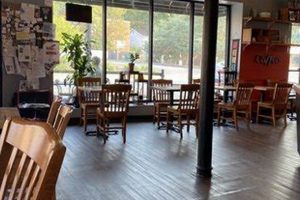
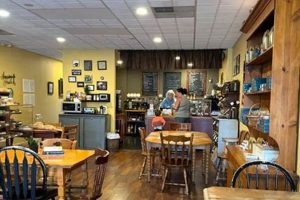
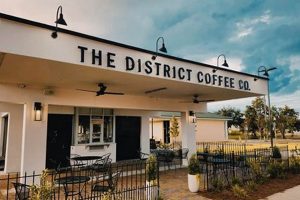
Branded goods offered for sale by coffee shops, such as mugs, apparel, and accessories, represent a tangible extension of the establishment’s identity. These items serve as both a revenue stream and a marketing tool. An example includes a reusable travel mug emblazoned with the coffee shop’s logo.
The availability of such items fosters brand loyalty, provides customers with a means of self-expression, and increases the establishment’s visibility within the community. Historically, these products were limited to simple items; however, they have evolved to include higher-quality, more diverse offerings. This evolution mirrors the increasing sophistication of the coffee industry itself.
The subsequent discussion will delve into specific categories, optimal design strategies, and effective marketing techniques related to these branded offerings. Furthermore, the financial and logistical considerations inherent in establishing a successful retail program will be explored.
Strategic Guidance for Coffee Shop Merchandise Programs
The following tips offer insights into optimizing a retail program, focusing on maximizing revenue and enhancing brand recognition through strategically chosen and marketed items.
Tip 1: Emphasize Brand Consistency: Design all items to reflect the established aesthetic of the coffee shop. Consistent use of logos, color schemes, and fonts across all offerings reinforces brand identity.
Tip 2: Prioritize Quality and Durability: Select durable, high-quality materials to ensure customer satisfaction and longevity of the branded item. Inferior goods reflect negatively on the establishment.
Tip 3: Diversify Product Selection: Offer a range of items catering to different price points and customer preferences. This includes items such as mugs, apparel, brewing equipment, and packaged coffee beans.
Tip 4: Implement Seasonal and Limited-Edition Items: Introduce new items periodically to maintain customer interest and incentivize repeat purchases. Limited-edition items create a sense of scarcity and exclusivity.
Tip 5: Integrate with Digital Marketing Efforts: Promote items through social media, email marketing, and the coffee shop’s website. Digital channels expand reach and provide convenient purchasing options.
Tip 6: Leverage In-Store Display and Placement: Strategically position items within the store to maximize visibility. Consider placement near the point of sale or in high-traffic areas.
Tip 7: Offer Bundled or Discounted Options: Create bundled packages that combine multiple items or offer discounts on purchases above a certain threshold. Bundling encourages larger purchases.
Successful retail programs enhance brand recognition, build customer loyalty, and generate incremental revenue. A strategic approach to item selection, design, and marketing is crucial for maximizing these benefits.
The following sections will explore the logistical and financial considerations involved in implementing and maintaining an effective retail program.
1. Brand Extension

The relationship between “brand extension” and offerings from a coffee shop is fundamentally one of strategic expansion. The product, such as a logo-emblazoned tumbler or a t-shirt featuring the shop’s catchphrase, extends the brand’s reach beyond the confines of its physical location and primary servicethe provision of coffee and related items. A well-executed retail line transforms the establishment from a purveyor of beverages into a lifestyle brand, permeating aspects of the customer’s daily life. This is exemplified by Starbucks, whose vast array of itemsfrom coffee beans to branded mugs and even musiccontributes significantly to its global brand recognition and valuation. Effectively, items facilitate continuous brand exposure in environments where the coffee shop itself is not physically present.
The significance of this extension lies in its ability to cultivate brand loyalty and increase revenue streams. When a customer purchases and uses a branded item, they are not only reminded of their positive experiences at the coffee shop but also implicitly endorse the brand to others. Furthermore, carefully selected and designed products can command premium prices, contributing directly to the establishment’s profitability. Consider, for example, a local coffee shop that partners with a local artist to create limited-edition coffee mugs. This collaboration not only provides a unique and desirable product but also reinforces the shop’s connection to the local community, further strengthening its brand identity.
In summary, the strategic implementation of “coffee shop merch” as a means of “brand extension” is essential for fostering long-term growth and competitive advantage. The challenge lies in maintaining brand consistency and quality across all offerings to ensure that each item positively reflects the values and image of the establishment. Effective utilization of these strategies can transform a simple coffee shop into a recognizable and enduring brand.
2. Revenue Stream

The sale of branded products presents a supplementary revenue stream for coffee shops, diversifying income beyond beverage and food sales. This additional source of income can significantly impact overall profitability and financial stability.
- Direct Sales Profitability
The most apparent financial benefit arises from the direct profit margins on items sold. Properly priced items, considering production costs and market demand, generate revenue that contributes directly to the bottom line. For example, a coffee shop selling a branded mug for $15, with a production cost of $5, realizes a $10 profit per unit.
- Increased Customer Spending
The availability of enticing offerings encourages customers to spend more during each visit. Impulse purchases, often driven by attractive displays or limited-edition items, lead to increased transaction values. A customer who initially intended only to purchase coffee may also buy a bag of branded coffee beans after seeing it prominently displayed.
- Brand Loyalty and Repeat Business
These offerings foster brand loyalty, which translates to increased repeat business and customer lifetime value. Customers who connect with the brand through the items they purchase are more likely to return and become advocates for the coffee shop. A customer who uses a branded reusable cup regularly may be more inclined to choose that coffee shop over competitors.
- Marketing and Advertising Value
Beyond direct sales, the income stream is enhanced through the marketing and advertising value that each branded product provides. Each item acts as a walking advertisement for the coffee shop, increasing brand visibility and awareness. A customer wearing a shirt with the coffee shop’s logo essentially serves as a brand ambassador.
In conclusion, the generation of revenue through coffee shop merchandise is multifaceted. It extends beyond direct profit from sales to include increased customer spending, the cultivation of brand loyalty, and the amplification of marketing efforts. A strategic approach to product selection, pricing, and promotion is essential to maximizing the financial benefits derived from this supplementary income source.
3. Customer Loyalty

The relationship between customer loyalty and offerings from a coffee shop is symbiotic, wherein the provision of thoughtfully selected and branded items strengthens the bond between the establishment and its clientele. Customer loyalty, in this context, represents a sustained preference for a particular coffee shop over its competitors, manifested through repeat visits, purchases, and positive word-of-mouth referrals. The availability of merchandise serves as a tangible expression of this loyalty and a means for customers to further align themselves with the brand. For instance, a patron who consistently frequents a local coffee shop may purchase a branded travel mug, thereby signaling their affinity for the establishment and simultaneously promoting it to others. The purchase itself becomes an act of loyalty, reinforcing the customer’s connection to the brand.
The importance of customer loyalty as a component of the success of an offering portfolio cannot be overstated. Loyal customers are not only more likely to make repeat purchases but also tend to be more forgiving of occasional service lapses and more receptive to new product offerings. In the competitive coffee shop market, where product differentiation can be challenging, a strong base of loyal customers provides a significant advantage. Consider the example of a coffee shop that implements a loyalty program where customers earn points for each purchase, redeemable for discounts on both coffee and branded items. This strategy directly incentivizes repeat visits and purchases, solidifying customer loyalty and driving sales of accompanying products.
The cultivation of customer loyalty through thoughtfully designed and marketed merchandise represents a strategic investment in the long-term sustainability of the business. By providing customers with high-quality, desirable items that reflect the values and aesthetic of the brand, coffee shops can transform ordinary transactions into meaningful experiences that foster a deeper sense of connection and commitment. The result is a stronger, more resilient customer base that contributes significantly to the overall success and growth of the business. The challenge lies in continually adapting merchandise offerings to meet evolving customer preferences and maintaining a consistent brand message across all channels.
4. Marketing Tool

Coffee shop merchandise serves as a tangible marketing tool, extending brand visibility beyond the physical confines of the establishment. These items, ranging from branded mugs and apparel to coffee beans and accessories, function as mobile advertisements, promoting the coffee shop’s identity to a wider audience. The causal relationship is direct: strategic design and distribution of offerings results in increased brand exposure. The effectiveness hinges on the item’s quality, aesthetic appeal, and relevance to the target demographic. For example, a reusable coffee cup featuring a distinct logo generates repeated brand impressions each time it is used, thereby amplifying marketing reach organically.
Consider the case of a local coffee shop partnering with a community event, offering branded t-shirts to participants. This not only increases brand visibility within a specific demographic but also fosters a sense of community association, enhancing brand perception. Moreover, the integration of an online store allows for the sale of items to customers beyond the local area, significantly expanding the marketing footprint. These methods represent practical applications, transforming common retail items into strategic marketing assets, thereby underlining the importance of viewing retail offerings as an integral component of the overall marketing strategy.
In summary, the strategic utilization of coffee shop merchandise as a marketing tool provides a cost-effective means of increasing brand awareness, fostering customer loyalty, and driving sales. The challenge lies in consistently delivering high-quality, appealing products that resonate with the target audience and reinforce the coffee shop’s brand identity. Ignoring this facet risks diminishing the potential return on investment in both retail and marketing endeavors.
5. Community Building

The strategic use of offerings from a coffee shop as a tool for “Community Building” leverages the establishment’s role as a social hub. These products, when thoughtfully conceived and executed, can extend the sense of belonging and shared identity beyond the physical space of the shop, fostering stronger connections between the business and its patrons.
- Local Artist Collaborations
Partnering with local artists to create limited-edition items fosters a sense of community support and artistic appreciation. Mugs, t-shirts, or prints featuring the work of local creators not only provide unique, desirable products but also directly benefit the artists and promote local talent. A coffee shop that commissions a local painter to design its seasonal coffee cup actively engages with the community and provides a platform for the artist’s work.
- Charitable Partnerships
A portion of the proceeds from the sale of specific offerings can be directed towards local charities or community initiatives. This allows customers to contribute to causes they care about while supporting the coffee shop. A “community blend” coffee, with a percentage of sales donated to a local food bank, encourages customers to participate in community support through their purchases.
- Branded Events and Workshops
Offerings can be integrated into community events and workshops hosted by the coffee shop. Providing branded materials at events, such as workshops on coffee brewing or latte art, enhances the experience and creates a lasting connection between attendees and the brand. A local roaster that hosts a cupping session, providing participants with branded notebooks and pens, enhances the event and promotes ongoing brand engagement.
- Sustainability Initiatives
The sale of environmentally friendly offerings, such as reusable coffee cups or tote bags, can promote sustainable practices within the community. These items encourage customers to adopt eco-conscious habits and align themselves with the coffee shop’s values. A coffee shop selling reusable straws or offering a discount to customers who bring their own cups fosters a culture of sustainability within its community.
The synergistic relationship between “coffee shop merch” and “Community Building” highlights the potential for these establishments to serve as more than just places to purchase beverages. By strategically utilizing retail offerings to support local artists, charitable causes, community events, and sustainable practices, coffee shops can strengthen their connection to the community and foster a loyal customer base that is invested in their success.
Frequently Asked Questions About Coffee Shop Merchandise
The following addresses common inquiries regarding branded products, providing clarity on their implementation and strategic value.
Question 1: What constitutes effective coffee shop merchandise?
Effective merchandise aligns with the coffee shop’s brand identity, is of high quality, and appeals to the target demographic. Items must be both functional and visually appealing, reflecting the establishment’s aesthetic.
Question 2: What are the primary benefits of offering branded items?
The principal benefits include increased brand visibility, enhanced customer loyalty, generation of supplemental revenue, and promotion of community engagement.
Question 3: How should a coffee shop determine which items to offer?
Item selection should be based on customer preferences, market trends, profitability analysis, and alignment with the brand’s core values. Regular evaluation and adjustment of product offerings are essential.
Question 4: What is the optimal pricing strategy for branded items?
Pricing should balance profitability with customer perception of value. Factors to consider include production costs, competitor pricing, and the perceived exclusivity of the item.
Question 5: How can a coffee shop effectively market its branded products?
Marketing strategies should leverage both online and offline channels, including social media, email marketing, in-store displays, and promotional events. Emphasis should be placed on highlighting the item’s quality and brand association.
Question 6: What are the logistical considerations for managing inventory?
Inventory management requires careful planning to minimize storage costs, prevent stockouts, and reduce waste. Implementation of inventory tracking systems and forecasting techniques is recommended.
Successful implementation of a retail program requires careful planning, strategic item selection, and effective marketing to maximize the benefits of increased brand awareness and revenue generation.
The subsequent section will delve into case studies of successful coffee shop retail programs, providing practical examples of effective strategies and tactics.
Conclusion
This exploration has underscored the multifaceted value inherent in branded products for coffee shops. From extending brand reach and cultivating customer loyalty to generating supplemental revenue and fostering community engagement, merchandise represents a strategic asset when properly implemented. The analysis has highlighted the critical importance of aligning product selection, design, and marketing strategies with the establishment’s overall brand identity and target demographic.
The future success of offerings within the coffee industry depends on a continued commitment to quality, innovation, and customer-centricity. Coffee shops must recognize that these items are not mere commodities but rather powerful tools for building lasting relationships and enhancing the overall customer experience. A failure to leverage the full potential of these retail programs represents a missed opportunity for growth and sustained competitive advantage in an increasingly saturated market.
![Best Coffee Shops in NC: Your Local Guide [Year] | The Ultimate Coffee Guide: Types, Brewing Methods & Best Beans](https://deacoffee.com/wp-content/uploads/2026/05/th-107-300x200.jpg "Best Coffee Shops in NC: Your Local Guide [Year] The Ultimate Coffee Guide: Types, Brewing Methods & Best Beans")