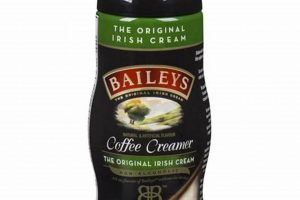
The addition of dairy and sweeteners to brewed coffee represents a common method of modifying its inherent flavor profile. This practice softens the drink’s bitterness and enhances its overall palatability for many consumers. For instance, a standard cup of black coffee can be transformed into a smoother, more accessible beverage through the introduction of these elements.
This customized preparation offers a more indulgent taste experience. Historically, these additions provided a way to make lower-quality coffee beans more palatable, effectively masking undesirable flavors. Beyond taste, the inclusion of dairy can slightly alter the coffee’s nutritional composition, adding minimal amounts of fat and carbohydrates, while sugar contributes to an increase in caloric content and provides a readily available energy source.
Further discussion will explore the nuances of ingredient ratios, alternative sweeteners, and the impact of various dairy types on the final cup. Subsequent sections will also consider the health implications and potential alternatives for individuals seeking to manage sugar or dairy intake while still enjoying a flavorful cup of coffee.
Tips for Enhancing Coffee with Dairy and Sweeteners
Optimizing the experience of modifying coffee with dairy and sweeteners involves a nuanced understanding of ingredient interaction and individual preferences. The following guidelines provide a framework for achieving a balanced and enjoyable final product.
Tip 1: Start with Quality Coffee: The base coffee significantly impacts the final result. Selecting freshly roasted, high-quality beans will provide a superior foundation, minimizing the need for excessive additives to mask unpleasant flavors.
Tip 2: Introduce Sweetener Gradually: Adding sweetener in small increments allows for precise control over the sweetness level. Over-sweetening can mask the coffee’s inherent characteristics and lead to an unbalanced flavor profile.
Tip 3: Consider Alternative Sweeteners: Exploring options such as honey, maple syrup, or sugar substitutes can provide different flavor nuances and cater to specific dietary needs or preferences. Note that each sweetener possesses a unique sweetness intensity and may require adjustments in quantity.
Tip 4: Warm Dairy Prior to Addition: Cold dairy can significantly lower the coffee’s temperature, diminishing its aromatic properties and overall enjoyment. Gently warming the dairy beforehand prevents this temperature shock and maintains the coffee’s optimal serving temperature.
Tip 5: Experiment with Dairy Types: Different dairy products, such as whole milk, skim milk, cream, or plant-based alternatives, impart distinct textures and flavors. Experimentation is encouraged to discover the ideal dairy complement for individual preferences.
Tip 6: Adjust Ratios to Personal Taste: The optimal ratio of coffee to dairy and sweetener varies based on individual preferences. Starting with a conservative approach and gradually adjusting the proportions allows for a tailored and satisfying experience.
Tip 7: Consider the Order of Addition: The order in which dairy and sweetener are added can subtly affect the final result. Experimenting with adding sweetener before or after dairy can reveal nuanced differences in flavor integration.
These guidelines facilitate a more informed and controlled approach to customizing coffee with dairy and sweeteners, ultimately leading to a more satisfying and personalized beverage experience. Careful consideration of each element contributes to a balanced and flavorful result.
The subsequent sections will delve into specific brewing techniques and regional variations, further expanding the understanding and appreciation of coffee preparation.
1. Sweetness

The perceived level of sweetness is a central determinant in the consumption and enjoyment of coffee modified with dairy and sweeteners. It directly influences the beverage’s palatability and overall acceptance by consumers.
- Source of Sweetener
The type of sweetener used significantly alters the flavor profile. Granulated sugar provides a clean, uniform sweetness, while alternatives like honey or maple syrup introduce additional flavor notes that interact with the coffee’s inherent characteristics. Artificial sweeteners, conversely, offer intense sweetness without the caloric contribution, but may also introduce distinct aftertastes.
- Concentration and Perception
The concentration of sweetener, measured by mass or volume, directly affects the intensity of the perceived sweetness. Individual perception of sweetness, however, varies based on genetic factors, dietary habits, and cultural preferences. Consequently, standardized recipes may require adjustment to accommodate individual sensitivities.
- Impact on Flavor Balance
Sweetness plays a crucial role in balancing the inherent bitterness of coffee. The addition of sweetener can temper the bitter compounds, creating a more harmonious and approachable flavor profile. However, excessive sweetness can mask desirable coffee characteristics, leading to a less complex and potentially bland beverage.
- Influence on Body and Mouthfeel
The presence of certain sweeteners, particularly those with higher viscosity like honey or syrups, can alter the body and mouthfeel of the coffee. These sweeteners contribute to a smoother, more substantial texture that enhances the overall sensory experience. This contrasts with granular sugars that dissolve completely, adding sweetness without significantly changing the mouthfeel.
The interplay between the source, concentration, and perception of sweetness, along with its impact on flavor balance and mouthfeel, defines the ultimate success of coffee modified with dairy and sweeteners. Understanding these facets allows for a more informed and controlled approach to customizing the beverage to individual preferences, optimizing enjoyment while considering dietary implications.
2. Texture

The tactile sensation, or texture, is a key component in the sensory profile of coffee when dairy and sweeteners are added. It significantly influences the perceived quality and overall enjoyment of the beverage. The addition of dairy, specifically, introduces fat and protein molecules that alter the liquid’s viscosity, creating a smoother, more substantial mouthfeel compared to black coffee. For example, the substitution of skim milk for whole milk noticeably decreases the beverage’s perceived richness and body, while the use of heavy cream results in a markedly thicker and more luxurious texture.
The type of sweetener used also plays a role in modulating the texture. Granulated sugar dissolves completely, primarily impacting sweetness without significantly altering the liquid’s physical properties. Conversely, liquid sweeteners like honey or syrups contribute to a more viscous consistency, enhancing the perceived weight and smoothness of the coffee. Furthermore, the temperature of the dairy and the coffee itself affects the texture; cold dairy added to hot coffee can create an unpleasant, watery sensation, while adequately warmed dairy integrates more seamlessly, maintaining a consistent and desirable texture. The presence of undissolved sugar granules, due to insufficient stirring, can also detract from the experience, creating a gritty texture.
In summary, texture is a critical attribute of coffee with dairy and sweeteners, influenced by the type and temperature of dairy, the choice of sweetener, and the overall preparation technique. Understanding these factors enables a more controlled approach to crafting a beverage with a desirable mouthfeel, contributing significantly to the overall sensory satisfaction. Achieving an optimal texture is essential for enhancing the perceived quality and enjoyment of the coffee.
3. Flavor Balance

Flavor balance is paramount in the preparation of coffee modified with dairy and sweeteners. The successful integration of these additions hinges on achieving a harmonious blend of bitter, sweet, and creamy notes, preventing any single element from overpowering the others.
- Coffee Bean Selection and Roast Level
The inherent bitterness of the coffee, determined by bean variety and roast level, dictates the quantity of dairy and sweetener required to achieve equilibrium. Lighter roasts exhibit higher acidity and may benefit from minimal additions, while darker roasts, characterized by intense bitterness, necessitate a more generous application of dairy and sweetener to attain a balanced profile.
- Dairy Fat Content and Type
The fat content of the chosen dairy product influences the perceived richness and mouthfeel, subsequently impacting flavor balance. Whole milk, with its higher fat content, provides a more substantial body and can effectively temper bitterness. Conversely, skim milk offers a lighter texture, requiring careful adjustment of sweetener to avoid a watery or thin sensation. Plant-based alternatives introduce unique flavor profiles that must be considered in the overall equation.
- Sweetener Intensity and Flavor Profile
The selection of sweetener, characterized by its intensity and inherent flavor, directly affects the balance of flavors. Granulated sugar offers a clean sweetness, while honey or maple syrup impart distinct flavor notes that complement or compete with the coffee’s characteristics. Artificial sweeteners introduce intense sweetness without the caloric contribution, potentially disrupting the overall balance if used excessively.
- Temperature and Ingredient Integration
Temperature plays a crucial role in flavor perception and integration. Cold dairy added to hot coffee can diminish the perceived sweetness and disrupt the flavor balance by muting the coffee’s aromatic compounds. Warming dairy prior to addition promotes seamless integration and maintains a harmonious temperature profile, enhancing the overall sensory experience.
These interconnected factors, ranging from coffee bean selection to temperature considerations, collectively determine the success of achieving flavor balance in coffee modified with dairy and sweeteners. The interplay of these elements requires careful attention to detail and a nuanced understanding of individual preferences to craft a beverage that is both enjoyable and satisfying.
4. Temperature
Temperature exerts a significant influence on the perceived flavor, texture, and overall enjoyment of coffee modified with dairy and sweeteners. Its impact extends from the initial brewing process to the final consumption, affecting the solubility of compounds, the integration of ingredients, and the resulting sensory experience.
- Brewing Temperature and Extraction
The water temperature during brewing dictates the extraction of soluble compounds from the coffee grounds. Optimal extraction, typically achieved within a specific temperature range (e.g., 195-205F or 90-96C), ensures a balanced flavor profile. Under-extraction, resulting from insufficient water temperature, yields a sour and weak brew, while over-extraction, due to excessive temperature, leads to a bitter and astringent taste. The subsequent addition of dairy and sweeteners cannot fully compensate for deficiencies in the initial extraction process.
- Dairy Temperature and Integration
The temperature of the dairy product at the point of addition significantly affects its integration with the coffee. Cold dairy lowers the overall beverage temperature, potentially diminishing the perception of desirable flavors and creating an uneven texture. Warming the dairy beforehand, without scalding, promotes seamless blending and maintains the coffee’s serving temperature, enhancing the overall sensory experience. The thermal shock caused by adding cold dairy can also curdle the milk proteins, resulting in an undesirable texture.
- Sweetener Solubility and Dissolution
The solubility of sweeteners is temperature-dependent. Granulated sugar, for instance, dissolves more readily in hot coffee than in cold. Insufficiently dissolved sugar can create a gritty texture and an uneven distribution of sweetness. Liquid sweeteners, such as honey or syrups, integrate more easily regardless of temperature, but their viscosity can be affected by temperature, influencing the overall mouthfeel.
- Serving Temperature and Aromatic Volatility
The serving temperature influences the volatility of aromatic compounds, which contribute significantly to the perceived flavor of the coffee. A hot serving temperature enhances the release of volatile aromas, allowing for a more complete sensory experience. As the coffee cools, the aromatic compounds dissipate, and the flavor profile becomes less pronounced. Therefore, maintaining an optimal serving temperature (e.g., 150-170F or 65-77C) is crucial for preserving the flavor integrity of the coffee and its added dairy and sweeteners.
The interplay of brewing temperature, dairy temperature, sweetener solubility, and serving temperature collectively determines the success of creating a balanced and enjoyable cup of coffee with dairy and sweeteners. Careful attention to these thermal considerations ensures a harmonious integration of ingredients and a maximized sensory experience, contributing to the overall appreciation of the beverage.
5. Caloric content

The caloric content of coffee significantly increases with the addition of cream and sugar, transforming a virtually calorie-free beverage into one with substantial energy value. The primary contributors to this increase are the fat content of cream and the carbohydrates present in sugar. The type and amount of cream and sugar used directly correlate with the final caloric load. For example, a standard cup of black coffee contains approximately 2 calories, while the addition of two tablespoons of heavy cream and two teaspoons of sugar can elevate this figure to upwards of 150 calories or more. This represents a considerable increase, particularly for individuals monitoring their energy intake.
The practical significance of understanding the caloric impact is particularly relevant in weight management and dietary planning. Regular consumption of coffee with cream and sugar, without accounting for the additional calories, can contribute to weight gain over time. Furthermore, individuals with conditions such as diabetes must carefully consider the sugar content to maintain stable blood glucose levels. Alternative sweeteners or low-fat dairy options may be utilized to mitigate the caloric impact while still achieving a desired taste profile. The nutritional information labels on commercially available creamers and sweeteners provide essential data for informed decision-making.
In conclusion, the caloric content of coffee is dramatically influenced by the inclusion of cream and sugar. This impact necessitates a conscious awareness, especially among individuals managing weight, blood sugar, or overall dietary intake. By understanding the specific caloric contributions of different types and quantities of dairy and sweeteners, consumers can make informed choices to align their coffee consumption with their health and wellness goals. The potential long-term effects of these additions warrant careful consideration as part of a broader dietary strategy.
6. Customization
The act of modifying coffee with dairy and sweeteners is inherently rooted in customization. Individuals rarely consume these additions in fixed, universally prescribed ratios. Rather, the quantities and types of dairy and sweeteners used are adjusted to align with personal preferences, sensory thresholds, and even cultural norms. This tailored approach transforms the consumption of coffee from a standardized act into a personalized experience. For example, a person sensitive to bitterness may opt for a higher proportion of sweetener, while another prioritizing a creamy texture may favor a greater amount of dairy. This inherent variability underscores the importance of customization as a central component of the practice.
The practical significance of understanding this customization lies in the ability to effectively cater to a diverse range of palates. Coffee shops, recognizing this demand, offer an array of dairy options (whole milk, skim milk, plant-based alternatives) and sweeteners (sugar, honey, artificial sweeteners) to accommodate individual needs. A caf lacking these options limits the consumer’s ability to achieve a desired flavor profile, potentially impacting customer satisfaction. Furthermore, customization extends beyond simple additions, encompassing the order of introduction (sweetener before dairy, or vice versa) and the temperature of the ingredients, all of which subtly influence the final product. Consider the barista who carefully froths milk to create a microfoam, enhancing the texture of the drink, or the individual who meticulously measures out a specific quantity of sugar substitute to manage caloric intake. These actions exemplify the deliberate and nuanced nature of customization.
In conclusion, the connection between the practice of modifying coffee with dairy and sweeteners and customization is intrinsic. The ability to personalize the beverage is not merely an optional add-on, but a fundamental aspect of its appeal and widespread adoption. Challenges arise in accurately predicting and accommodating individual preferences, particularly in mass production settings. However, recognizing and embracing this inherent variability is crucial for maximizing consumer satisfaction and ensuring that the practice remains a dynamic and evolving expression of individual taste.
Frequently Asked Questions
The following questions address common concerns and misconceptions regarding the consumption and preparation of coffee with dairy and sweeteners. Each response provides factual information and avoids subjective opinion.
Question 1: Is cream and sugar coffee inherently unhealthy?
The health impact is dependent on the type and quantity of cream and sugar added. Excessive consumption of added sugars contributes to weight gain, increased risk of type 2 diabetes, and cardiovascular issues. High-fat cream elevates saturated fat intake, potentially impacting cholesterol levels. Moderation and mindful selection of lower-fat dairy alternatives and sugar substitutes can mitigate these risks.
Question 2: Does the addition of cream and sugar negate the health benefits of coffee?
It does not entirely negate the benefits, but it diminishes them. Coffee contains antioxidants and may offer protection against certain diseases. The addition of high amounts of sugar and saturated fat counteracts these benefits by contributing to other health risks. Maintaining a balance is crucial.
Question 3: What are some healthier alternatives to traditional cream and sugar in coffee?
Healthier alternatives include unsweetened almond milk, oat milk, or skim milk in place of cream. For sweeteners, options like stevia, erythritol, or small amounts of honey or maple syrup offer lower caloric impact and potentially fewer adverse effects. It is essential to review the ingredient lists of these alternatives carefully.
Question 4: How does the type of coffee bean affect the need for cream and sugar?
Different coffee bean varieties and roast levels exhibit varying degrees of bitterness and acidity. Darker roasts tend to be more bitter, potentially requiring more sweetener to achieve palatability. Lighter roasts, with higher acidity, might benefit from a small amount of cream to balance the flavor profile. Experimentation is recommended to determine the optimal level of additions for each bean type.
Question 5: Can the addition of cream and sugar affect the absorption of nutrients from coffee?
Yes, certain components in dairy, such as calcium, can bind to compounds in coffee, like tannins, potentially reducing their absorption. However, the effect is generally minimal and unlikely to significantly impact overall nutrient intake. Individuals with specific dietary concerns should consult a healthcare professional.
Question 6: Are there any specific brewing methods that reduce the need for cream and sugar?
Yes. Brewing methods that minimize bitterness and acidity, such as cold brew or pour-over techniques with careful attention to water temperature and extraction time, can produce a smoother cup of coffee. This smoothness may decrease the perceived need for cream and sugar, allowing for a more unadulterated coffee experience.
In summary, the addition of cream and sugar to coffee necessitates a balanced approach. Awareness of potential health implications and informed choices regarding alternatives can mitigate risks while still allowing for a personalized and enjoyable beverage.
The subsequent sections will explore regional variations in coffee preparation and consumption habits.
Conclusion
This exploration of coffee modified with dairy and sweeteners has illuminated the complex interplay of factors that contribute to its widespread appeal. From the selection of coffee beans and the choice of dairy and sweeteners to the nuanced aspects of temperature and flavor balance, each element plays a critical role in shaping the final beverage. The discussion has underscored the importance of understanding both the sensory and nutritional implications of these additions, particularly concerning caloric intake and potential health impacts.
Continued research and consumer education remain essential for fostering a more informed and mindful approach to coffee consumption. The future of coffee preparation lies in the ability to strike a harmonious balance between sensory satisfaction and health-conscious choices. A comprehensive understanding of the elements influencing the coffee experience empowers individuals to make informed decisions and enjoy this popular beverage responsibly.