An establishment that combines the preparation and service of both traditional coffee beverages and items featuring matcha, a finely ground powder of green tea leaves, offers a unique experience. This blending of coffee culture with Japanese tea traditions results in a diverse menu catering to a broad spectrum of consumer preferences.
These locations are gaining popularity due to the health benefits associated with matcha, such as its high antioxidant content and sustained energy release compared to coffee’s caffeine rush. The combination provides a distinctive flavor profile, appealing to those seeking alternatives to standard coffee or tea offerings. Historically, coffee shops have served as social hubs, and the introduction of matcha broadens their appeal to include health-conscious individuals and those interested in exploring new culinary trends.
The availability of such hybrid businesses facilitates access to both familiar and novel beverage choices. This article will delve into specific aspects of these establishments, including menu innovations, target demographics, operational considerations, and the overall market landscape. The evolving consumer demand for specialty beverages continues to shape the industry, warranting a closer examination of this specific business model.
Operational Guidance for a Matcha-Coffee Hybrid Establishment
The following outlines critical considerations for effectively managing a business that integrates both coffee and matcha offerings, emphasizing efficiency and customer satisfaction.
Tip 1: Menu Optimization: A curated menu featuring signature coffee-matcha blends is paramount. Avoid excessive options; focus on high-quality ingredients and innovative flavor combinations. For example, a “Matcha Latte” should be available in multiple variations, such as with different milk alternatives or flavor infusions, to cater to dietary restrictions and preferences.
Tip 2: Staff Training: Comprehensive training is essential for staff to understand the nuances of both coffee brewing and matcha preparation. Baristas must be proficient in techniques such as whisking matcha to achieve a smooth consistency and understanding the impact of water temperature on the final product.
Tip 3: Sourcing Premium Ingredients: Consistent high-quality matcha and coffee beans directly influence customer perception and loyalty. Establish relationships with reputable suppliers to ensure a steady supply of fresh, sustainably sourced products. Regular quality control assessments are necessary to maintain standards.
Tip 4: Equipment Investment: Dedicated equipment for matcha preparation, separate from coffee machines, minimizes cross-contamination and ensures optimal flavor profiles. Investing in high-quality matcha whisks, sifting tools, and storage containers are critical to maintain product integrity.
Tip 5: Marketing and Branding: Emphasize the unique fusion of coffee and matcha through clear, consistent branding. Highlight the health benefits of matcha and the diverse flavor profiles available. Leverage social media platforms to showcase visually appealing beverages and promote seasonal offerings.
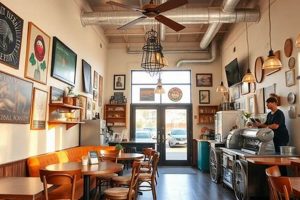
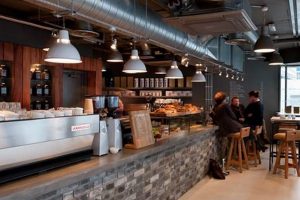
Tip 6: Ambiance and Aesthetics: The physical space should reflect the blend of Japanese and coffee shop cultures. Consider incorporating elements such as minimalist design, natural light, and calming color palettes to create a relaxing and inviting atmosphere that encourages repeat business.
Tip 7: Quality Control and Consistency: Implement rigorous quality control measures to ensure that each beverage meets established standards. Regularly evaluate customer feedback and adjust processes as needed to maintain customer satisfaction and brand reputation.
Effective implementation of these strategies fosters a thriving establishment, providing a unique offering in a competitive beverage market.
The subsequent sections will further elaborate on specific areas, providing a comprehensive understanding of key success factors.
1. Menu Fusion

Menu fusion, in the context of a matcha coffee shop, is the strategic integration of traditional coffee offerings with items featuring matcha. This represents more than simply adding matcha as an ingredient; it requires thoughtful consideration of how the two distinct flavor profiles complement and enhance each other. A poorly executed menu fusion can lead to customer dissatisfaction and a diluted brand identity. Conversely, a well-crafted fusion creates a unique selling proposition, attracting a broader customer base and fostering brand loyalty. For example, a successful menu might feature signature beverages such as a “Matcha Espresso Fusion,” combining the robust notes of espresso with the earthy undertones of matcha, or a “Matcha Cold Brew,” offering a refreshing twist on a classic coffee drink. The cause-and-effect relationship is clear: strategic menu fusion results in a diverse and appealing product line, while a lack thereof limits the shop’s potential reach and market differentiation.
The importance of menu fusion extends beyond simply offering a diverse selection. It provides an opportunity to showcase the versatility of matcha and introduce it to customers who may be unfamiliar with its flavor profile. This can be achieved through various applications, such as matcha-infused pastries, desserts, or even savory options. A real-life example is the inclusion of matcha-flavored muffins or scones alongside traditional coffee shop pastries. Furthermore, menu fusion allows for customization options, catering to a wider range of preferences and dietary needs. For instance, offering both dairy and non-dairy milk alternatives in matcha lattes or providing sugar-free matcha syrups enables customers to personalize their orders, enhancing their overall experience and encouraging repeat visits. The practical significance lies in the ability to tap into various market segments, attracting both coffee aficionados and matcha enthusiasts.
In summary, menu fusion is a critical element for a matcha coffee shop’s success. By carefully considering the compatibility of coffee and matcha, implementing creative recipes, and offering customization options, establishments can establish a unique and appealing brand. The challenges lie in achieving a balance between tradition and innovation, ensuring that the menu remains cohesive and avoids overwhelming customers. Successful menu fusion is directly linked to increased customer satisfaction, enhanced brand recognition, and ultimately, a more sustainable business model within the competitive beverage industry.
2. Quality Sourcing

Quality sourcing is a foundational element for any matcha coffee shop seeking to establish a reputable and sustainable business model. It encompasses the strategic procurement of ingredients, specifically coffee beans and matcha powder, ensuring they meet rigorous standards of quality, ethical production, and environmental responsibility. The subsequent points elucidate the specific facets of this critical component.
- Traceability and Transparency
Traceability refers to the ability to track the origin of coffee beans and matcha powder back to the farm or region where they were cultivated. Transparency involves openly sharing information about the sourcing process, including details about farming practices, processing methods, and supply chain logistics. For example, a shop might partner with a single-origin coffee farm and a matcha producer with certified organic practices, providing customers with detailed narratives about the journey of their ingredients. This fosters trust and appeals to consumers who prioritize ethical consumption.
- Sensory Evaluation and Quality Control
Sensory evaluation involves assessing the taste, aroma, and appearance of coffee beans and matcha powder to ensure they meet established quality standards. Quality control encompasses the implementation of systematic processes to monitor and maintain consistent ingredient quality throughout the supply chain. For example, a matcha coffee shop might conduct regular cupping sessions for coffee and prepare matcha using various grades to discern the optimal flavor profiles. This practice mitigates the risk of serving substandard beverages and safeguards the shop’s reputation.
- Sustainability and Ethical Practices
Sustainability entails sourcing coffee and matcha from farms that employ environmentally responsible farming practices, such as water conservation, soil management, and biodiversity preservation. Ethical practices involve ensuring fair labor conditions for farmers and workers throughout the supply chain. For instance, a shop might exclusively purchase Fair Trade certified coffee or matcha from farms that adhere to rigorous labor standards. This appeals to ethically conscious consumers and contributes to the long-term viability of the sourcing region.
- Supplier Relationships and Partnerships
Establishing strong relationships with coffee and matcha suppliers is crucial for ensuring a consistent supply of high-quality ingredients. This involves open communication, collaboration, and mutual respect. For example, a shop might enter into a long-term contract with a local coffee roaster or a Japanese matcha producer, fostering a mutually beneficial partnership. This enables the shop to secure preferential pricing, access exclusive blends, and gain valuable insights into the sourcing process.
In conclusion, quality sourcing is not merely a matter of acquiring ingredients; it represents a commitment to excellence, ethical responsibility, and sustainability. By prioritizing traceability, transparency, sensory evaluation, and strong supplier relationships, matcha coffee shops can differentiate themselves in the market, build customer loyalty, and contribute to a more equitable and environmentally conscious beverage industry.
3. Skilled Baristas

The proficient barista is central to the successful operation of any beverage establishment, and the complexity of a matcha coffee shop elevates this importance. This is due to the specific skill sets required for preparing both traditional coffee beverages and authentic matcha drinks. A poorly trained barista can negatively impact product quality, resulting in inconsistent flavor profiles and a diminished customer experience. In contrast, a highly skilled barista is capable of expertly executing a diverse menu, showcasing the unique characteristics of both coffee and matcha. For instance, the precise whisking technique needed for a smooth, frothy matcha latte differs significantly from the extraction methods used for espresso, necessitating specialized training. The direct consequence is that skilled baristas enhance product quality, customer satisfaction, and, ultimately, the reputation of the establishment. One real-life example is a shop where experienced baristas consistently produce high-quality matcha drinks, leading to repeat customers and positive word-of-mouth referrals. The practical significance lies in understanding that barista training and skill development are investments that directly translate to business success.
Further, skilled baristas contribute to menu innovation and customer education. They can experiment with different coffee and matcha pairings, creating signature beverages that set the establishment apart from competitors. For example, a barista with a deep understanding of flavor profiles might develop a “Matcha Cortado,” blending the intensity of espresso with the subtle sweetness of matcha, thereby offering a unique and appealing drink. Additionally, baristas can educate customers about the origins, preparation methods, and health benefits of matcha, fostering a deeper appreciation for the product and encouraging them to explore new options. The practical application of this skill is evident in shops that actively promote barista expertise through workshops, tastings, and personalized recommendations, leading to increased customer engagement and loyalty.
In summary, the role of skilled baristas in a matcha coffee shop transcends simple beverage preparation. Their expertise directly impacts product quality, menu innovation, customer education, and overall brand perception. The challenge lies in finding and retaining baristas who possess both the technical skills and the passion for delivering exceptional customer service. By prioritizing barista training, skill development, and creative expression, establishments can unlock the full potential of their menu and create a thriving business within the competitive beverage market.
4. Health Emphasis

The strategic integration of health-conscious messaging represents a significant element within the business model of a matcha coffee shop. This emphasis is not merely a marketing tactic but rather a core component that appeals to an evolving consumer base increasingly prioritizing health and wellness.
- Antioxidant Richness and Perceived Benefits
Matcha, a key ingredient, is recognized for its high concentration of antioxidants, particularly catechins, which are associated with various health benefits. This perceived benefit directly influences consumer choice, attracting individuals seeking beverages that offer both flavor and nutritional value. For example, a matcha latte is often positioned as a healthier alternative to traditional sugary coffee drinks. The implications extend to increased customer loyalty and a competitive advantage within the saturated beverage market.
- Lower Caffeine and Sustained Energy
Compared to coffee, matcha typically contains a lower caffeine content, providing a more sustained energy release without the jitters and crash often associated with coffee consumption. This aspect appeals to consumers seeking a gentler energy boost or those sensitive to high caffeine levels. A matcha coffee shop can capitalize on this by promoting matcha as a balanced energy alternative. This positioning enhances its appeal to individuals seeking productivity without the negative side effects.
- Menu Customization and Health-Focused Options
A health emphasis allows for strategic menu customization, featuring items with reduced sugar, dairy-free alternatives, and additional superfood ingredients. For instance, offering matcha smoothies with added spinach or kale caters to health-conscious consumers. This flexibility empowers customers to tailor their beverages to specific dietary needs and preferences, reinforcing the perception of the establishment as a health-oriented destination.
- Mindfulness and Ritualistic Preparation
The traditional preparation of matcha, involving whisking the powder into hot water, promotes a sense of mindfulness and ritual. This element appeals to individuals seeking a more contemplative and less hurried beverage experience. Promoting this ritualistic aspect can differentiate the establishment, attracting customers who value the emotional and mental benefits associated with matcha consumption. This approach elevates the offering beyond mere refreshment to an experience centered on well-being.
The culmination of these facets reinforces the strategic importance of health emphasis within the operational framework of a matcha coffee shop. By effectively communicating the health benefits of matcha and offering tailored menu options, these establishments can cultivate a loyal customer base and establish a sustainable market position.
5. Ambiance Design

Ambiance design plays a crucial role in shaping the overall customer experience within a matcha coffee shop. More than mere aesthetics, it represents a deliberate effort to create an environment that complements the dual nature of the establishment, blending the traditions of Japanese tea culture with the familiar comfort of a modern coffee shop.
- Color Palette and Lighting
The selection of colors and lighting schemes directly influences the mood and perception of the space. Natural tones, such as greens, browns, and creams, often evoke a sense of tranquility and connection to nature, aligning with matcha’s association with wellness. Soft, indirect lighting can create a calming atmosphere, contrasting with the brighter, more energetic lighting often found in conventional coffee shops. For example, a successful design might incorporate natural light through large windows and complement it with warm-toned LED fixtures. The effect is a space that is both inviting and conducive to relaxation, encouraging customers to linger and appreciate the experience.
- Spatial Arrangement and Furniture
The arrangement of furniture and the utilization of space contribute significantly to the functionality and aesthetic appeal of the shop. A thoughtful design incorporates a mix of seating options, including communal tables for socializing, individual armchairs for focused work, and tatami-style seating for a more traditional Japanese experience. Material choices, such as natural wood, bamboo, and minimalist metal accents, can reinforce the desired ambiance. A practical example involves creating distinct zones within the shop, catering to diverse customer needs and preferences. The implication is a space that is both versatile and visually cohesive, enhancing the overall customer satisfaction.
- Acoustic Environment and Sensory Elements
Acoustic considerations are often overlooked but essential for creating a comfortable and inviting atmosphere. Soft background music, such as ambient soundscapes or traditional Japanese melodies, can contribute to a sense of tranquility. The integration of natural sensory elements, such as the scent of bamboo or the sound of a small water feature, can further enhance the immersive experience. A real-world scenario might involve incorporating sound-absorbing materials, such as acoustic panels or textured fabrics, to minimize noise pollution and create a more peaceful environment. The impact is a space that appeals to multiple senses, fostering a deeper connection with the brand and encouraging customers to return.
- Visual Merchandising and Decor
The strategic placement of visual merchandising elements and decor reinforces the brand’s identity and showcases the unique offerings of the shop. This might include displaying high-quality matcha powder in traditional canisters, featuring artwork inspired by Japanese aesthetics, or incorporating elements of minimalist design. For instance, a successful design might incorporate a small display of handcrafted ceramic bowls used for preparing matcha, showcasing the artistry and tradition associated with the beverage. The result is a visually appealing space that communicates the brand’s values and creates a memorable experience for customers.
Collectively, these elements of ambiance design contribute to a cohesive and immersive experience within the matcha coffee shop. By carefully considering color palette, spatial arrangement, acoustic environment, and visual merchandising, establishments can create spaces that not only attract customers but also foster a sense of relaxation, connection, and appreciation for the unique blend of coffee and matcha culture. A thoughtfully designed ambiance becomes an integral part of the brand’s identity, influencing customer perception and contributing to long-term success.
6. Brand Differentiation

In the competitive landscape of the beverage industry, brand differentiation is paramount for a matcha coffee shop to establish a distinct identity and secure a sustainable market position. It involves creating a unique value proposition that distinguishes the establishment from its competitors and resonates with its target audience. The following outlines critical facets of brand differentiation within the context of a matcha coffee shop.
- Unique Menu Offerings
A distinctive menu is a fundamental element of brand differentiation. This extends beyond simply offering matcha alongside coffee; it necessitates the creation of signature beverages and food items that are not readily available elsewhere. For example, a shop might develop a “Matcha Tiramisu” or a “Cold Brew Matcha Affogato,” blending Italian dessert traditions with Japanese flavors. Real-life examples include establishments that have gained recognition for their inventive matcha cocktails or their use of rare, single-origin matcha varieties. The implication is that a unique menu attracts adventurous customers and fosters a sense of exclusivity.
- Emphasis on Sourcing and Sustainability
Highlighting ethical sourcing practices and sustainable operations can significantly differentiate a matcha coffee shop. This includes transparently communicating the origin of coffee beans and matcha powder, emphasizing fair trade practices, and implementing environmentally responsible business practices. For instance, a shop might partner directly with small-scale farmers in Japan to source ceremonial-grade matcha or use compostable packaging and utensils. Real-world examples include establishments that have earned certifications for their sustainability efforts or that actively support local environmental initiatives. The impact is that these practices resonate with socially conscious consumers and contribute to a positive brand image.
- Experiential Elements and Community Engagement
Creating memorable experiences and fostering a sense of community can effectively differentiate a matcha coffee shop. This might involve hosting matcha-making workshops, organizing cultural events, or partnering with local artists and musicians. For example, a shop could offer a “Matcha Tasting Flight” experience, allowing customers to sample different grades and preparations of matcha. Real-life examples include establishments that have become local gathering spots, hosting open mic nights or art exhibitions. The implication is that these experiential elements foster customer loyalty and create a strong sense of brand affiliation.
- Aesthetic and Atmospheric Uniqueness
A carefully curated aesthetic and atmospheric design can significantly contribute to brand differentiation. This involves creating a physical space that reflects the shop’s values and evokes a particular mood. For example, a shop might adopt a minimalist Japanese design aesthetic, incorporating natural materials, calming colors, and subtle lighting. Real-world examples include establishments that have become known for their Instagram-worthy interiors or their tranquil and zen-like atmosphere. The result is a space that not only attracts customers but also enhances their overall experience and reinforces the brand’s identity.
By strategically implementing these facets, a matcha coffee shop can establish a strong brand identity and differentiate itself from competitors. The successful integration of unique menu offerings, ethical sourcing, experiential elements, and aesthetic uniqueness is essential for cultivating customer loyalty and securing a sustainable market position within the competitive beverage industry. The overall effect can be a recognizable and preferred brand within the customer’s mind.
Frequently Asked Questions
The following addresses common inquiries regarding the operations, offerings, and benefits associated with establishments specializing in both coffee and matcha beverages.
Question 1: What defines a “Matcha Coffee Shop” beyond simply serving both coffee and matcha?
A defining characteristic is the intentional fusion of coffee and matcha into unique menu items, demonstrating a deep understanding of their flavor profiles and complementary characteristics. The establishment typically emphasizes the quality and origin of both ingredients, promoting a health-conscious and culturally aware brand.
Question 2: Are the health benefits of matcha retained when combined with coffee?
While coffee possesses its own set of properties, the addition of matcha still provides antioxidants and L-theanine. However, the specific impact on overall health depends on the proportions of each ingredient and individual dietary factors. Consultation with a healthcare professional is advisable for specific health concerns.
Question 3: What are the typical pricing structures in a Matcha Coffee Shop compared to a standard coffee shop?
Prices may be slightly elevated due to the higher cost of quality matcha and the specialized preparation techniques. The perceived value often justifies this difference, as the establishment offers a unique beverage experience and potentially healthier options.
Question 4: How are matcha beverages prepared to ensure optimal flavor and consistency?
Proper preparation involves whisking high-quality matcha powder with hot water to create a smooth, frothy consistency. Water temperature is critical, as excessive heat can result in a bitter taste. Skilled baristas are trained to execute this process consistently, ensuring optimal flavor and texture.
Question 5: Are there seasonal or limited-time offerings commonly found in Matcha Coffee Shops?
These establishments frequently introduce seasonal beverages, incorporating ingredients that complement the flavors of coffee and matcha. Examples include pumpkin spice matcha lattes in the autumn or fruit-infused matcha refreshers during the summer months. These offerings maintain customer interest and showcase the versatility of the menu.
Question 6: What are the sustainability considerations for a Matcha Coffee Shop, given the sourcing of specialized ingredients?
Ethical sourcing of both coffee and matcha is paramount. This includes prioritizing fair trade practices, supporting sustainable farming methods, and minimizing environmental impact throughout the supply chain. Transparency regarding sourcing practices is crucial for building trust with consumers.
Matcha coffee shops represent a growing trend in the beverage industry, catering to health-conscious consumers and those seeking unique flavor profiles. Understanding these frequently asked questions provides insight into their operations and value proposition.
The subsequent section will delve into future trends and potential growth opportunities for this emerging market segment.
Conclusion
This exploration of the matcha coffee shop business model has revealed a multifaceted operation that extends beyond a simple combination of coffee and matcha offerings. Key elements include menu fusion, quality sourcing, skilled baristas, a health emphasis, ambiance design, and brand differentiation. The successful integration of these factors is crucial for establishing a sustainable and competitive presence in the beverage industry.
The sustained growth and evolution of the matcha coffee shop concept will depend on continued innovation, a commitment to ethical sourcing, and an unwavering focus on customer experience. As consumer preferences shift and the demand for healthier, more unique beverage options increases, establishments that prioritize these principles are poised for continued success. Further market analysis and strategic adaptation are essential for navigating the evolving landscape and capitalizing on emerging opportunities.