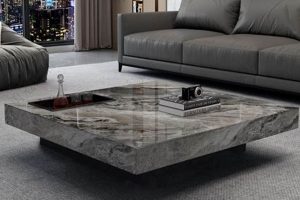
This specialized furniture piece serves a dual purpose: functioning as a standard living room furnishing while also providing a controlled environment for the preservation of cigars. It typically features a sealed compartment, often lined with Spanish cedar, and incorporates a humidification system to maintain optimal humidity levels, preventing cigars from drying out and ensuring their flavor and aroma are preserved. A glass top may be included, allowing for viewing of the contents without disturbing the internal environment.
Maintaining appropriate storage conditions is crucial for cigar quality. Fluctuations in humidity can lead to cracking, loss of oils, and diminished flavor. This type of furnishing offers a discreet and aesthetically pleasing solution for enthusiasts who wish to keep their cigars readily accessible and properly maintained within their living space. The integration of functional storage into everyday furniture reflects a desire for convenience and space-saving solutions. Historical parallels can be found in furniture designed to conceal and protect valuable items, though specialized climate control represents a relatively modern innovation.
The following sections will delve into the specific components that comprise this unique item, including the humidification systems, construction materials, and aesthetic considerations, to provide a comprehensive understanding of its design and functionality.
Tips for Selecting and Maintaining a Coffee Table Humidor
Proper selection and maintenance are paramount to ensure the longevity of cigars stored within this specialized piece of furniture. Adhering to these guidelines will contribute to preserving the quality and flavor profile of the cigar collection.
Tip 1: Size and Capacity Assessment. Evaluate cigar collection size and projected growth. Select a unit with adequate storage capacity to avoid overcrowding, which can impede airflow and humidity distribution.
Tip 2: Humidification System Evaluation. Determine the type of humidification system: passive (sponge/crystal-based) or active (electronic). Active systems offer more precise control and are recommended for larger capacities or environments with fluctuating humidity levels.
Tip 3: Construction Material Inspection. Verify that the interior lining is Spanish cedar, as this wood imparts desirable flavors to cigars and aids in humidity regulation. Ensure the exterior construction is durable and complements the existing decor.
Tip 4: Seal Integrity Verification. Inspect the seal around the lid to ensure airtight closure. A poor seal will lead to humidity loss and compromise the internal environment. A dollar bill test can be used to check the seal; if the bill pulls out easily when the lid is closed, the seal is inadequate.
Tip 5: Hygrometer Calibration. Calibrate the hygrometer upon initial setup and periodically thereafter to ensure accurate humidity readings. Salt testing kits are readily available for this purpose.
Tip 6: Consistent Humidity Maintenance. Monitor humidity levels regularly and replenish the humidification device as needed to maintain a stable environment, typically between 65-72% relative humidity.
Tip 7: Proper Cigar Placement. Arrange cigars to allow for adequate airflow. Avoid stacking them too tightly, and rotate the collection periodically to ensure even humidity distribution.
Tip 8: Routine Cleaning and Inspection. Periodically clean the interior with a soft, damp cloth (avoid harsh chemicals) and inspect for any signs of mold or mildew. Address any issues promptly to prevent damage to the cigars.
Adherence to these tips will optimize the functionality and preserve the investment in both the cigars and the storage unit itself. Consistent attention to detail is crucial for achieving optimal results.
The subsequent sections will address common issues encountered with cigar storage and offer troubleshooting guidance.
1. Capacity
In the context of cigar storage, capacity denotes the total volume available within the confines of the container, specifically, the number of cigars a coffee table humidor can accommodate while maintaining optimal environmental conditions. This feature is not merely a measure of size but a critical determinant of the unit’s effectiveness. Insufficient capacity leads to overcrowding, which hinders uniform humidity distribution and increases the risk of damage due to physical contact between cigars. Conversely, an excessively large capacity, if not properly filled, can make it more difficult to maintain stable humidity levels, potentially leading to dryness. Example: A small coffee table humidor rated for 25 cigars, if packed with 50, would likely experience inconsistent humidity, negatively affecting cigar quality.
The selection of an appropriate capacity is directly linked to the cigar enthusiast’s consumption habits and collection size. A person who infrequently smokes might opt for a smaller unit, while a collector with a diverse selection requires a larger capacity. The internal design also influences the effective capacity. Removable dividers, trays, and shelving systems allow for organization and improved airflow, maximizing the usable space within. For instance, a unit with adjustable dividers enables the user to accommodate cigars of various sizes and shapes without compromising airflow.
The correlation between capacity and the effectiveness of a coffee table humidor is undeniable. Selecting an appropriately sized unit, coupled with mindful organization, ensures that the investment in cigars is protected, and their intended flavor profiles are preserved. Overlooking this seemingly simple aspect can lead to significant degradation of the cigars, negating the purpose of the storage unit entirely. A balanced approach, considering both current needs and anticipated growth in the cigar collection, will yield the most satisfactory results.
2. Humidification
Humidification is integral to the proper function of a coffee table humidor. The maintenance of a stable and optimal humidity level within the enclosed environment is paramount to preserving the quality and intended characteristics of cigars. Without effective humidification, cigars will dry out, lose essential oils, and their flavor profiles will be irrevocably altered.
- Passive Humidification Systems
These systems typically employ a sponge, floral foam, or crystal gel saturated with distilled water or a propylene glycol solution. The saturated medium releases moisture into the enclosed space, raising the humidity level. Passive systems require regular monitoring and refilling, and their effectiveness is dependent on the ambient temperature and humidity. Example: A basic sponge-based system requires replenishing every few days in a dry climate, whereas a crystal gel system may last longer.
- Active Humidification Systems
Active systems utilize electronic components to monitor and regulate humidity levels automatically. These systems often incorporate a sensor to detect the humidity level and a small fan to circulate moisture. Active systems provide more precise control and are generally preferred for larger capacity humidors or environments with fluctuating temperatures. Example: Electronic humidifiers with digital displays allow users to set a target humidity, and the system will automatically adjust to maintain that level.
- Humidification Solutions and Maintenance
The liquid used to humidify a coffee table humidor significantly affects performance. Distilled water is the standard recommendation, minimizing mineral buildup. Propylene glycol solutions buffer humidity, inhibiting mold growth. Consistent monitoring and maintenance of the humidification system, including regular cleaning and replacement of components, are crucial. Example: Neglecting to replace a saturated sponge can lead to mold growth, contaminating the cigars.
- Impact on Cigar Quality
Inadequate humidification leads to dry, brittle cigars that burn too quickly and exhibit harsh flavors. Excessive humidification promotes mold growth and can result in spongy cigars with a musty taste. Maintaining the optimal humidity level (typically 65-72% relative humidity) ensures that cigars retain their essential oils and burn evenly, delivering the intended flavor profile. Example: Cigars stored at 50% relative humidity for an extended period will become dry and lose their aroma, whereas cigars stored at 80% relative humidity are prone to mold.
The choice and proper management of the humidification system directly impact the longevity and enjoyment of cigars stored within a coffee table humidor. A consistent and stable humidity level is indispensable for preserving their delicate balance of oils and flavors.
3. Cedar Lining

The presence of cedar lining within a storage furniture piece is not merely an aesthetic choice but a functional requirement for the preservation of cigars. Specifically, Spanish cedar ( Cedrela odorata) is favored for its unique properties that directly contribute to maintaining an optimal environment for cigar storage. The wood’s inherent aroma repels insects, preventing damage to the cigars. More importantly, it possesses hygroscopic qualities, meaning it can absorb and release moisture, helping to regulate humidity levels inside the closed unit. An unlined humidor, or one lined with an alternative material, lacks this crucial humidity buffering capacity, increasing the risk of cigar degradation. For example, a humidor lined with a non-porous material would likely experience rapid humidity fluctuations, leading to drying or mold growth on the cigars.
The aromatic oils within Spanish cedar also impart a subtle flavor to cigars over time, enhancing the smoking experience. This is a desirable characteristic for many aficionados. The cedar’s natural oils act as a barrier against mold and bacteria, further protecting the cigar collection. It is crucial to differentiate between genuine Spanish cedar and other types of cedar. Some less expensive humidors may utilize cedar veneers or other cedar varieties that do not possess the same properties, thus compromising the intended function. For instance, using Western red cedar would impart an undesirable pungent aroma, negatively affecting the cigars’ flavor.
In summary, the incorporation of genuine Spanish cedar lining is an indispensable element of a functional cigar storage unit. It serves multiple critical roles, including humidity regulation, pest control, flavor enhancement, and mold prevention. The absence of this specific lining material renders the unit significantly less effective, jeopardizing the preservation and enjoyment of the cigar collection. Thorough examination of the materials used in a humidor’s construction is therefore essential for any discerning cigar enthusiast.
4. Airtight Seal
The integrity of the airtight seal is a critical determinant of a coffee table humidor’s functionality. It directly impacts the stability of the internal environment, influencing the preservation of cigars stored within. Compromises to this seal can lead to detrimental fluctuations in humidity, negating the intended benefits of the humidor.
- Maintaining Humidity Levels
An imperfect seal allows for the exchange of air between the interior and exterior of the humidor. This exchange disrupts the humidity balance, leading to a gradual loss of moisture if the external environment is drier, or conversely, an increase in moisture if the external environment is more humid. Example: A coffee table humidor with a warped lid may struggle to maintain a consistent 70% relative humidity, requiring more frequent humidification efforts. Cigars are then exposed to fluctuating humidity levels.
- Preventing Contamination
The airtight seal acts as a barrier against external contaminants, including dust, odors, and potential pests. A compromised seal permits these elements to enter the humidor, potentially affecting the flavor and aroma of the cigars. Example: A poorly sealed humidor in a smoking room may allow ambient smoke to permeate the cigars, altering their intended taste profiles. The seal prevents any outside interference.
- Material Degradation
Over time, the materials used to create the seal can degrade due to factors such as temperature changes, pressure, and physical wear. Regular inspection and maintenance of the seal are essential to ensure its continued effectiveness. Example: Rubber gaskets, commonly used in humidor seals, may become brittle and cracked over time, requiring replacement to maintain an airtight closure.
- Impact on Humidification Systems
The efficiency of the humidification system is directly linked to the integrity of the airtight seal. A compromised seal forces the humidification system to work harder to maintain the desired humidity level, potentially shortening its lifespan and increasing the frequency of maintenance. Example: An electronic humidification system in a leaky humidor will consume more water and energy to compensate for the constant moisture loss.
In conclusion, the airtight seal represents a foundational element of a functional coffee table humidor. Its ability to maintain a stable and protected environment directly influences the longevity and quality of the cigars stored within. Regular monitoring and maintenance of the seal are essential to ensure optimal performance and prevent costly damage to the cigar collection.
5. Temperature

Temperature plays a critical role in the preservation of cigars within a storage unit. Elevated temperatures accelerate the aging process, potentially leading to a loss of essential oils and a decline in flavor. Conversely, excessively low temperatures can cause cigars to become brittle and crack. The ideal temperature range for cigar storage is typically between 65 and 70 degrees Fahrenheit (18 to 21 degrees Celsius). Deviations from this range, even within a controlled environment, can have a detrimental impact on the cigars’ quality and smoking characteristics. For instance, a storage unit consistently exposed to temperatures above 75 degrees Fahrenheit may result in the development of tobacco beetles, which can decimate an entire collection. A coffee table humidor functions to mitigate these temperature fluctuations. Proper placement, away from direct sunlight and heat sources, is essential for maintaining stable conditions. The effectiveness of the humidor’s insulation and airtight seal directly influence its ability to regulate internal temperature.
The relationship between temperature and humidity within a storage unit is also crucial. Higher temperatures increase the rate of evaporation, potentially leading to a drop in humidity levels. Conversely, lower temperatures can cause condensation, fostering the growth of mold and mildew. Monitoring both temperature and humidity is therefore imperative for maintaining optimal cigar storage conditions. Some advanced storage units incorporate electronic temperature control systems that automatically adjust to maintain the desired range. The location of the storage unit within the home significantly impacts temperature stability. Placing it in a basement, which generally experiences cooler and more consistent temperatures, can be advantageous. Conversely, placing it near a window or heating vent can lead to undesirable temperature fluctuations.
In summary, temperature management is a vital aspect of cigar preservation within a coffee table humidor. Maintaining a stable temperature within the recommended range prevents damage, preserves flavor, and mitigates the risk of pest infestation. Proper placement of the humidor, coupled with regular monitoring and, if necessary, active temperature control, ensures the longevity and enjoyment of the cigar collection. Ignoring this critical factor can lead to irreversible damage, negating the benefits of a well-constructed and properly humidified storage unit.
6. Aesthetics
The visual appeal of a cigar storage furnishing represents a significant consideration for discerning enthusiasts. This furnishing, often positioned as a central element within a living space, must seamlessly integrate with the existing decor while subtly conveying its purpose. The aesthetic design choices directly impact the perceived value of the unit and its contribution to the overall ambiance of the room.
- Material Selection and Finish
The selection of materials, such as wood species, veneers, and hardware, significantly influences the visual character of the piece. High-quality hardwoods, meticulously finished, exude sophistication and durability. The application of stains, lacquers, or polishes enhances the wood’s natural grain and protects its surface from wear. Example: A dark mahogany finish with brass hardware evokes a classic, traditional aesthetic, while a light oak finish with minimalist hardware aligns with contemporary design principles. The exterior should complement the interior to deliver full aesthetics in coffee table humidor.
- Form and Proportion
The overall shape and dimensions of the unit must be carefully considered to ensure visual harmony within the room. A well-proportioned piece will avoid overwhelming the space or appearing undersized. The height, width, and depth should align with the surrounding furniture and architectural elements. Example: A low-profile rectangular unit may be suitable for a modern minimalist setting, while a taller, more ornate piece may be appropriate for a traditional Victorian-style room. Balance in size will affect aesthetics of coffee table humidor.
- Detailing and Embellishments
Subtle details, such as decorative molding, inlay work, or hand-carved elements, can enhance the aesthetic appeal of the unit. However, excessive ornamentation can detract from its overall elegance. The key is to achieve a balance between visual interest and understated sophistication. Example: A simple beveled edge on the glass top can add a touch of refinement without overpowering the design. The embellishment will enhance beauty of coffee table humidor.
- Integration with Functionality
The aesthetic design should not compromise the unit’s functionality. The placement of hinges, latches, and ventilation openings should be discreet and visually unobtrusive. The glass top, if present, should provide a clear view of the cigars while maintaining the unit’s overall aesthetic integrity. Example: A concealed humidification system preserves the clean lines of the unit while ensuring optimal cigar storage conditions. The system should never degrade the beauty of coffee table humidor.
The aesthetic dimension of a cigar storage furnishing extends beyond mere visual appeal. It encompasses the careful consideration of materials, form, detailing, and functionality to create a cohesive and harmonious design. A well-executed aesthetic elevates the unit from a simple storage container to a refined piece of furniture that enhances the overall ambiance of the living space. When aesthetics in coffee table humidor is well, it will attract consumer to buy.
Frequently Asked Questions
This section addresses common inquiries and misconceptions regarding this specialized furniture, providing clarity on its function, maintenance, and selection criteria.
Question 1: Does a coffee table humidor adequately maintain humidity compared to dedicated humidors?
The effectiveness of a coffee table humidor in maintaining humidity is contingent upon the quality of its construction, particularly the airtight seal and the efficiency of its humidification system. Higher-quality units, properly maintained, can achieve humidity levels comparable to those of standalone humidors. However, larger fluctuations may occur due to the smaller overall volume and proximity to ambient temperature variations.
Question 2: Is Spanish cedar lining essential for a coffee table humidor?
Spanish cedar is highly recommended for the interior lining. This wood imparts desirable flavors to cigars, aids in humidity regulation, and deters pests. While alternative wood species may be used, they lack the combined benefits of Spanish cedar, potentially compromising cigar quality over time.
Question 3: What is the optimal humidity level for cigars stored in a coffee table humidor?
The generally accepted optimal humidity range is between 65% and 72% relative humidity. Maintaining humidity within this range prevents cigars from drying out, cracking, or becoming susceptible to mold growth. Regular monitoring with a calibrated hygrometer is essential.
Question 4: How often should a coffee table humidor be rehydrated?
The frequency of rehydration depends on several factors, including the size of the unit, the ambient humidity, and the type of humidification system. Regular inspection is necessary; rehydration is required when the humidity level drops below the optimal range. Active humidification systems typically require less frequent attention than passive systems.
Question 5: Can a coffee table humidor accommodate cigars of different sizes and shapes?
Most units are designed to accommodate a variety of cigar sizes and shapes. Adjustable dividers or trays can further enhance organizational flexibility. However, extremely large or oddly shaped cigars may require custom storage solutions.
Question 6: What steps should be taken to season a new coffee table humidor?
Seasoning involves gradually raising the humidity level within the unit to prepare the wood lining for long-term storage. This is typically achieved by placing a saturated sponge or bowl of distilled water inside the humidor for several days until the humidity reaches the desired level. This process prevents the wood from drawing moisture from the cigars themselves.
Proper selection, maintenance, and adherence to established guidelines are crucial for maximizing the benefits of a coffee table humidor and ensuring the longevity of a cigar collection.
The subsequent section will provide troubleshooting tips for common issues encountered with cigar storage.
Conclusion
The preceding analysis has provided a comprehensive examination of the coffee table humidor, detailing its functionality, components, and maintenance requirements. From the critical role of Spanish cedar lining and effective humidification systems to the importance of an airtight seal and temperature regulation, each aspect contributes to the preservation of cigars. The aesthetic considerations further ensure its integration into the intended living space.
Ultimately, the selection and proper upkeep of a coffee table humidor represent a commitment to preserving the quality and enjoyment of fine cigars. Prudent attention to the factors outlined herein will safeguard this investment and ensure its continued value. Prospective purchasers are encouraged to carefully evaluate their individual needs and preferences before acquiring such a unit, prioritizing quality construction and adherence to established storage principles.
![Best Rectangle Wood Coffee Table [Designs & Decor] | The Ultimate Coffee Guide: Types, Brewing Methods & Best Beans](https://deacoffee.com/wp-content/uploads/2026/05/th-46-300x200.jpg "Best Rectangle Wood Coffee Table [Designs & Decor] The Ultimate Coffee Guide: Types, Brewing Methods & Best Beans")