This item is a curated pairing, typically consisting of roasted coffee beans or ground coffee and a drinking vessel, designed to be presented as a present. These sets often cater to diverse tastes, offering different coffee origins or flavor profiles and varying mug styles, from classic ceramic to insulated travel versions. They are readily available for purchase online and in retail stores.
The popularity of giving this assemblage stems from its blend of practicality and thoughtfulness. It provides recipients with an enjoyable daily ritual and a lasting memento. The history of such pairings likely traces back to the increased accessibility of both coffee and specialized drinking containers, becoming a common gift choice reflecting personal appreciation and consideration for the recipient’s preferences.
The subsequent sections will delve into the factors to consider when selecting such presents, exploring options within roast profiles, mug materials, personalization techniques and purchasing considerations for both the giver and receiver.
Selection Guidance
The following recommendations provide insights to assist in selecting an appropriate pairing for gifting purposes.
Tip 1: Coffee Origin and Roast Level. Consider the recipient’s established coffee preferences. If known, select a single-origin coffee from a region they enjoy (e.g., Ethiopian Yirgacheffe for bright, floral notes or Sumatran Mandheling for earthy tones). When the recipient’s preferences are unknown, a medium roast blend offers broad appeal.
Tip 2: Mug Material and Insulation. Mug material impacts both aesthetics and functionality. Ceramic mugs offer a classic aesthetic and are microwave-safe. Stainless steel, particularly vacuum-insulated options, maintain beverage temperature for extended periods. Glass mugs provide visual appeal but may not retain heat as effectively.
Tip 3: Mug Size and Ergonomics. Choose a mug size appropriate for the recipient’s drinking habits. Smaller mugs (8-12 ounces) are suitable for espresso-based drinks or smaller servings, while larger mugs (14-20 ounces) accommodate larger servings. Ergonomically designed handles provide a comfortable grip.
Tip 4: Coffee Freshness and Packaging. Opt for coffee that has been recently roasted. Check the roast date on the packaging. Coffee packaged in airtight, resealable bags retains its aroma and flavor for a longer period. Consider whole bean coffee, accompanied by a grinder, to maximize freshness at the time of brewing.
Tip 5: Presentation and Customization. Presentation enhances the overall gifting experience. Consider packaging the offering in a decorative box or gift bag. Personalized mugs with initials, names, or custom designs add a personal touch.
Tip 6: Consider a Theme. Select a set where the coffee and mug complement each other. For example, a dark roast coffee and a black, minimalist mug would create a cohesive theme.
Tip 7: Brewing Method Compatibility. Ensure that the coffee grind size is appropriate for the intended brewing method (e.g., coarse grind for French press, medium grind for drip coffee makers, fine grind for espresso). This is especially important if the set is meant to be used with a specific type of coffee maker.
By carefully considering these factors, individuals can select a pairing that aligns with the recipient’s tastes and provides a delightful and practical gift. The integration of these elements should produce a highly desirable and enjoyable offering.
The concluding section will summarize the key considerations discussed in this article.
1. Brewing method compatibility

Brewing method compatibility represents a critical consideration when selecting a curated beverage offering, directly influencing the recipient’s ability to fully utilize and appreciate the gift. Selecting a coffee grind unsuitable for the intended brewing method negates the value of high-quality beans and a well-crafted mug. For example, supplying a coarse grind coffee with a set intended for espresso preparation renders the coffee unusable without an additional grinder. Conversely, providing finely ground coffee for a French press can result in a muddy and unpleasant brew. Therefore, understanding the intended brewing method is paramount to ensuring the practicality and enjoyment of the gift.
Furthermore, brewing method compatibility extends to the mug itself. While most mugs are universally applicable, certain brewing methods necessitate specific mug characteristics. Pour-over methods, for example, often benefit from a mug with a wider mouth to accommodate the pour-over device. Conversely, travel mugs included in sets designed for on-the-go consumption should possess leak-proof lids and appropriate insulation to maintain temperature. An ideal curated beverage offering considers all aspects of the coffee preparation process, ensuring a seamless transition from bean to cup.
In summary, brewing method compatibility is not merely a technical detail, but a central determinant of the gift’s overall success. Mismatched grind sizes or incompatible mug designs can render the entire offering unusable, undermining the thoughtfulness of the gesture. Prioritizing brewing method compatibility ensures the gift is not only appreciated but also practically integrated into the recipient’s daily routine, maximizing its value and lasting impact.
2. Coffee bean origin

The coffee bean’s origin plays a foundational role in defining the overall character of a curated beverage set. The geographic location, climate, and cultivation practices impart distinct flavor profiles that directly impact the sensory experience. For instance, beans sourced from Ethiopia are often characterized by their bright acidity and floral notes, while those from Sumatra frequently exhibit earthy and full-bodied qualities. The selection of coffee origin therefore becomes a critical decision point in assembling such a set, as it dictates the potential enjoyment and satisfaction derived by the recipient. Failure to consider origin can result in a mismatch between the coffee’s flavor profile and the recipient’s preferences, diminishing the perceived value of the ensemble.
The importance of origin extends beyond mere flavor characteristics. It encompasses ethical considerations related to fair trade practices and sustainable farming. A set featuring beans from a certified fair trade cooperative, for example, not only provides a distinctive taste but also supports equitable economic opportunities for coffee farmers. Similarly, beans sourced from ecologically responsible farms contribute to environmental preservation. The inclusion of such ethically sourced coffee elevates the gift beyond a simple pairing, transforming it into a statement of values. The presentation of information regarding the bean origin also informs the recipient on where it came from. This helps create an awareness in the mind of the receiver and can make them feel appreciated.
In conclusion, understanding the connection between bean origin and the curated beverage offering is paramount to creating a gift that resonates with thoughtfulness and purpose. By carefully selecting beans based on their flavor profile and ethical sourcing, givers can ensure the set provides a unique and meaningful experience. The choice reflects not only an appreciation for the recipient’s taste but also a commitment to social responsibility, ultimately enhancing the value and impact of the gift. Selecting an origin that is rare or considered top-shelf is a solid way to raise the value of your set, and will ensure enjoyment for any receiver.
3. Mug material durability

Mug material durability directly influences the long-term value and satisfaction associated with a beverage-focused gifting. The practical function of a mug subjects it to frequent use, washing, temperature fluctuations, and potential impacts. A mug constructed from fragile materials, such as low-fired earthenware, is prone to chipping, cracking, or complete breakage, thereby diminishing the perceived worth and longevity of the entire curated offering. Conversely, durable materials, such as high-fired ceramic, stoneware, or stainless steel, withstand these stressors, ensuring the mug remains a functional and aesthetically pleasing component of the set for an extended period. For example, a set including a delicate glass mug may be perceived as less valuable than one containing a robust stoneware mug, even if the included coffee is of comparable quality. An investment into a high-quality, durable mug can ensure that your offering continues to be used and that it provides value for the reciever for years to come.
The selection of mug material also impacts its suitability for various beverage types and usage scenarios. Stainless steel mugs, for instance, are favored for their ability to maintain temperature and resist corrosion, making them ideal for travel and outdoor activities. Ceramic and stoneware mugs, on the other hand, offer a classic aesthetic and are microwave-safe, catering to everyday home or office use. Therefore, matching the mug material to the intended use case enhances the practicality and appeal of the gift. Sets designed for outdoor enthusiasts might prioritize stainless steel, while those intended for home use could opt for ceramic. Durability also influences perceived quality. A heavyweight mug crafted from a robust ceramic will feel more luxurious in the hand than a thinner, more fragile ceramic mug. The inclusion of a premium mug material elevates the perception of the entire set, signalling that the giver has prioritized quality and longevity.
In summary, mug material durability constitutes a critical factor in the overall success of a curated beverage presentation. Selecting durable materials ensures the mug withstands the rigors of daily use, maintains its aesthetic appeal, and provides lasting value. Considering the intended use case and prioritizing materials accordingly enhances the practicality and perceived quality of the gift. The result is an offering that not only provides immediate enjoyment but also serves as a lasting reminder of the giver’s thoughtfulness and attention to detail.
4. Roast profile intensity

Roast profile intensity represents a fundamental element impacting the sensory experience derived from the coffee component of a curated beverage set. The degree to which coffee beans are roasted directly influences their flavor, aroma, body, and acidity. Selection of an appropriate roast profile must align with the intended recipient’s preferences and complement the accompanying mug to maximize the overall gifting experience. A mismatch between roast profile intensity and personal taste can diminish the perceived value of the entire set, rendering it less enjoyable and potentially unusable.
- Light Roast Characteristics
Lightly roasted beans retain a higher degree of their original origin characteristics, resulting in a brighter acidity and delicate flavor nuances. These roasts often exhibit floral, fruity, or herbal notes. In a curated beverage offering, a light roast pairs well with a lighter-colored mug, such as white or pastel ceramic, to accentuate the coffee’s vibrant appearance. Implications include a sophisticated, nuanced tasting experience suitable for those who appreciate subtle flavors.
- Medium Roast Characteristics
Medium roasts strike a balance between acidity and body, offering a more rounded flavor profile with notes of caramel, chocolate, or nuts. This roast level exhibits broad appeal, making it a safe choice when the recipient’s preferences are unknown. Medium roasts pair effectively with mugs of various materials and colors, providing versatility in set design. This choice offers a balanced, approachable coffee experience for a wide range of palates.
- Dark Roast Characteristics
Darkly roasted beans possess a bold, intense flavor with pronounced bitterness and smoky or roasted notes. The origin characteristics are largely overshadowed by the roasting process. Dark roasts require careful pairing with a mug that can withstand high temperatures and complement the coffee’s robust flavor. Dark-colored ceramic or insulated stainless steel mugs are often chosen to enhance the coffee’s visual appeal. Implications involve a strong, assertive coffee experience best suited for those who prefer bold and intense flavors.
- Impact on Brewing Method
The roast profile intensity influences the optimal brewing method. Light roasts often benefit from pour-over or drip methods that accentuate their delicate flavors, while dark roasts are well-suited for French press or espresso, which can extract their bold flavors. Incorporating brewing recommendations into the set enhances its overall value and provides guidance for the recipient. Considering the interplay of all components is crucial for a great offering.
In summary, roast profile intensity serves as a critical determinant of the sensory experience offered by a curated beverage offering. Careful consideration of the recipient’s preferences, the intended brewing method, and the complementary mug is essential to creating a gift that resonates with thoughtfulness and provides lasting enjoyment. Failure to account for these factors can result in a mismatched set that diminishes the perceived value and overall satisfaction.
5. Aesthetic Cohesion
Aesthetic cohesion, in the context of a curated beverage presentation, refers to the harmonious visual relationship between the coffee packaging, the mug design, and any accompanying elements. This visual unity elevates the perceived value of the set, transforming it from a collection of individual items into a carefully considered and aesthetically pleasing gift.
- Color Palette Consistency
Consistency in color palettes across all elements of the offering contributes significantly to aesthetic cohesion. A unified color scheme, whether monochromatic, complementary, or analogous, creates a sense of visual harmony. For instance, a coffee with packaging featuring earthy tones paired with a mug in similar hues establishes a cohesive aesthetic. Conversely, clashing or discordant colors can detract from the overall presentation, making the gift appear less thoughtful and curated.
- Thematic Alignment
Thematic alignment involves selecting coffee packaging and mug designs that share a common theme or style. This could include a vintage-inspired set with retro typography and a classic diner mug, or a modern minimalist set with sleek, geometric patterns. A unified theme strengthens the visual narrative of the gift, conveying a specific mood or aesthetic preference. Sets lacking thematic alignment often appear disjointed and fail to communicate a clear sense of purpose.
- Material and Texture Harmony
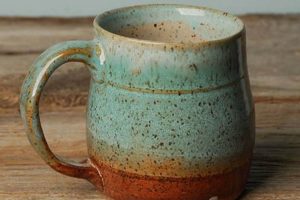
The interplay of materials and textures further enhances aesthetic cohesion. Pairing a rustic burlap coffee bag with a hand-thrown ceramic mug creates a tactile and visually interesting contrast, while a sleek stainless steel coffee canister alongside a polished metal travel mug conveys a sense of modernity and sophistication. Careful consideration of material and texture complements the overall visual design, adding depth and richness to the presentation.
- Packaging and Presentation Details
The packaging and presentation of the set contribute significantly to aesthetic cohesion. A well-designed gift box, coordinating tissue paper, and a personalized card enhance the overall visual appeal and create a memorable unboxing experience. Thoughtful presentation demonstrates attention to detail, reinforcing the impression of a carefully curated and aesthetically pleasing gift. Simple additions can add to a gift such as a small spoon or even small chocolate squares can help enhance perceived value.
The incorporation of these elements creates a synergistic effect, elevating the perceived value and appeal of the offering. Attention to detail is always a great way to show gratitude to the receiver.
6. Personalization potential
The capacity for customization is a salient feature enhancing the perceived value and sentimental significance of a curated beverage offering. The ability to tailor components to reflect individual preferences or commemorate specific events transforms a generic present into a uniquely personal expression of regard.
- Monogramming and Engraving
The addition of initials, names, or significant dates to the mug component via monogramming or engraving provides a tangible link to the recipient. This technique transforms a utilitarian item into a cherished keepsake, fostering a sense of ownership and personal connection. As an example, a mug engraved with a wedding date becomes a commemorative item for the couple, extending the set’s value beyond mere functionality.
- Custom Graphic Design
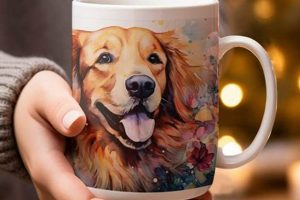
Imprinting mugs with custom graphics, ranging from personal photographs to bespoke artwork, offers a medium for expressing shared memories or inside jokes. This form of customization allows the giver to create a truly unique item, reflecting the recipient’s personality, interests, or achievements. For example, a set featuring a mug adorned with a photograph of a beloved pet resonates deeply with animal enthusiasts.
- Coffee Bean Selection and Blending
The ability to select specific coffee bean origins, roast levels, or even create custom blends caters to individual taste preferences. This level of personalization demonstrates a thoughtful understanding of the recipient’s palate, ensuring the coffee component aligns with their preferred sensory experience. Providing a hand-selected blend based on specific tastes is more special than a generic off-the-shelf offering.
- Themed Packaging and Presentation
Customizing the packaging and presentation to align with specific occasions, holidays, or personal milestones enhances the overall gifting experience. This may involve selecting themed gift boxes, incorporating personalized messages, or including small, complementary items that resonate with the recipient’s interests. A birthday-themed presentation reinforces the sense of celebration and adds to the overall value of the gift.
The integration of personalization transforms a commonplace collection of items into a meaningful and memorable gesture, strengthening the emotional connection between the giver and recipient. The inherent flexibility of customization enables the creation of a truly bespoke offering, reflecting a deep understanding and appreciation of the individual being honored.
7. Presentation elegance

Presentation elegance constitutes a critical, yet often underestimated, factor in determining the perceived value and overall impact of a curated beverage offering. The manner in which the set is presented directly influences the recipient’s initial impression, setting the stage for the subsequent sensory experience. A meticulously arranged and thoughtfully packaged ensemble elevates the gift beyond its constituent components, signaling a level of care and attention to detail that resonates deeply with the recipient. Conversely, a haphazard or poorly presented set, regardless of the quality of the coffee and mug, diminishes the overall impact and conveys a sense of indifference.
Several elements contribute to presentation elegance. The selection of a suitable container, whether a custom-designed gift box or a thoughtfully chosen basket, provides a structured framework for the offering. The arrangement of the coffee, mug, and any accompanying accessories within the container should be visually appealing and balanced, creating a sense of order and harmony. The inclusion of high-quality packaging materials, such as tissue paper, ribbons, or personalized cards, adds a tactile and visual dimension that reinforces the impression of luxury and refinement. Consider, for instance, a set featuring a single-origin Ethiopian Yirgacheffe coffee and a hand-thrown ceramic mug. If presented in a plain cardboard box with no additional embellishments, the inherent value of the contents is diminished. However, if the same set is artfully arranged in a wooden box lined with silk paper, accompanied by a handwritten note detailing the coffee’s origin and flavor profile, the perceived value increases exponentially.
In conclusion, presentation elegance serves as a potent amplifier of the inherent qualities of a curated beverage set. It transforms a functional gift into a memorable and cherished experience, reflecting the giver’s thoughtfulness and appreciation. The investment in high-quality packaging and meticulous presentation is not merely an aesthetic consideration but a strategic decision that significantly enhances the perceived value and overall impact of the offering. The way in which the offering is presented acts as a visual metaphor for the relationship between giver and receiver.
Frequently Asked Questions
The following section addresses common inquiries regarding the selection, use, and value associated with curated beverage presentations.
Question 1: What factors determine the value of a curated beverage presentation?
The perceived value is influenced by several factors, including the quality of the coffee beans, the mug material and design, the aesthetic cohesion of the set, the potential for personalization, and the elegance of the presentation.
Question 2: How should the coffee bean origin be selected for an offering?
The ideal coffee bean origin aligns with the recipient’s established taste preferences. If preferences are unknown, a medium-roast blend from a reputable region offers broad appeal. Consider ethical sourcing practices when selecting an origin.
Question 3: What mug materials are best suited for a beverage offering?
Durable materials such as high-fired ceramic, stoneware, or stainless steel are recommended. The choice of material should reflect the intended use case, with stainless steel favored for travel mugs and ceramic for home use.
Question 4: How does roast profile intensity impact the sensory experience?
Roast profile intensity dictates the coffee’s flavor, aroma, body, and acidity. Light roasts exhibit brighter acidity and nuanced flavors, while dark roasts possess a bold, intense flavor with pronounced bitterness.
Question 5: Why is aesthetic cohesion important in a beverage set?
Aesthetic cohesion, characterized by harmonious color palettes, thematic alignment, and material consistency, elevates the perceived value of the set and communicates a sense of thoughtfulness and curation.
Question 6: How can a beverage set be personalized?
Personalization options include monogramming or engraving mugs, incorporating custom graphic designs, selecting specific coffee bean origins or blends, and customizing the packaging to align with specific occasions or personal milestones.
Careful consideration of all of these factors can lead to a great set. By integrating the elements discussed above into a gifting choice, both giver and receiver can feel good about the item.
The subsequent section will offer concluding remarks summarizing the essential aspects of a coffee and mug gift set.
In Summary
The curated assembly referred to as a coffee and mug gift set represents a confluence of considerations ranging from practical functionality to aesthetic sensibility. The selection of bean origin, roast profile, mug material, and customization options each contribute to the overall perceived value and suitability for the intended recipient. Careful deliberation regarding these factors is essential to creating a presentation that resonates with thoughtfulness and appreciation.
The enduring appeal of the coffee and mug gift set lies in its capacity to provide both immediate utility and lasting enjoyment. As consumer preferences evolve and the demand for personalized experiences increases, the potential for innovation and refinement within this product category remains significant. Continued focus on quality, ethical sourcing, and aesthetic design will ensure the coffee and mug gift set retains its position as a valued and meaningful gifting option.