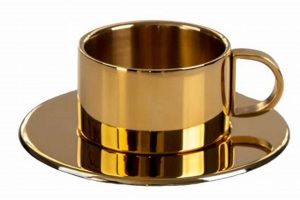
These are specialized vessels designed to hold coffee samples during the practice of coffee cupping, a systematic process for evaluating the aroma, flavor, and overall quality of brewed coffee. Typically crafted from ceramic or glass, these containers feature a specific size and shape to facilitate standardized assessment. For example, a set used in professional quality control may consist of identical bowls with a 200-250ml capacity.
Their significance lies in providing a uniform platform for sensory analysis. The consistency in material, size, and shape minimizes external variables, allowing cuppers to focus solely on the inherent characteristics of the coffee. Historically, the use of these containers has evolved alongside the formalization of coffee grading and trading practices, becoming an essential tool in ensuring quality and consistency across the coffee industry, and aiding in decisions of blends and purchasing.
The following discussion will delve into the specific materials commonly used in their construction, explore the standard dimensions and design considerations, and examine the best practices for cleaning and maintaining them to ensure accurate and consistent cupping results.
Guidelines for Optimal Usage
The following recommendations outline best practices for utilizing specific vessels in coffee quality assessment to ensure the integrity of cupping results.
Tip 1: Material Selection: Employ inert materials such as porcelain or tempered glass. Reactive materials can impart unwanted flavors, compromising the coffee’s true profile. For example, avoid using metal containers as they may introduce metallic notes.
Tip 2: Standardized Size and Shape: Utilize identically sized vessels to maintain uniformity across samples. Variations in size can affect temperature consistency and aroma concentration. A common size range is 200-250ml with a shallow, wide opening.
Tip 3: Pre-heating Considerations: Gently pre-heat the vessels with hot water before adding coffee grounds. This minimizes temperature shock and ensures consistent brewing temperatures. Discard the pre-heating water before introducing the coffee.
Tip 4: Proper Cleaning Protocols: Thoroughly clean after each cupping session with a non-fragranced detergent. Residual coffee oils can affect subsequent cupping sessions, leading to inaccurate flavor evaluations. Rinse meticulously with purified water.
Tip 5: Drying Procedures: Air-dry completely after cleaning or use a clean, lint-free cloth. Dampness can promote microbial growth and introduce off-flavors. Invert the vessels to facilitate complete drainage.
Tip 6: Storage Best Practices: Store in a clean, dry, and odor-free environment. Exposure to strong smells can permeate the material and affect future cupping sessions. A dedicated storage cabinet is recommended.
Tip 7: Temperature Control: Maintain a consistent water temperature during the brewing process. Fluctuations in water temperature can impact extraction and affect the perceived flavor profile. Use a calibrated thermometer to monitor temperature.
Adherence to these guidelines ensures a more reliable and consistent cupping experience, leading to more accurate assessments of coffee quality and facilitating informed purchasing decisions.
The subsequent sections will address advanced techniques in sensory evaluation and data analysis for comprehensive coffee assessment.
1. Material Composition
Material composition is a critical factor influencing the sensory evaluation of coffee during the cupping process. The materials used in the construction of coffee cupping bowls can directly impact the perceived aroma, flavor, and overall quality of the coffee sample. The inertness and thermal properties of the material are particularly important considerations.
- Porcelain
Porcelain is a commonly used material due to its non-reactive nature and ability to maintain a consistent temperature. Its dense structure minimizes the absorption of coffee oils and aromas, reducing the risk of carryover from previous cupping sessions. The smooth, non-porous surface of porcelain ensures that the coffee’s inherent characteristics are not influenced by the bowl itself.
- Ceramic
Similar to porcelain, ceramic offers a relatively inert surface for cupping. However, the quality of ceramic can vary, and some types may be more porous than porcelain. It’s crucial to select high-fired, vitrified ceramic to minimize absorption. Glazes used on ceramic bowls must be lead-free and food-safe to avoid potential contamination.
- Glass
Tempered glass is another acceptable option due to its inertness and transparency. It allows visual inspection of the coffee’s color and clarity, which can be a valuable component of the cupping process. However, glass may not retain heat as effectively as porcelain or ceramic, potentially affecting the consistency of temperature throughout the evaluation.
- Considerations for Reactive Materials
Materials like certain metals (e.g., aluminum, copper) should be avoided, as they can react with the coffee and impart undesirable flavors. These materials may also alter the coffee’s acidity and overall taste profile. Even seemingly inert materials may leach chemicals or odors if they are not specifically designed for food contact.
The choice of material for coffee cupping bowls is a deliberate decision with significant implications for the accuracy and reliability of sensory evaluations. Selecting inert, heat-stable materials like porcelain, high-quality ceramic, or tempered glass is essential for ensuring that the coffee’s true characteristics are accurately assessed without interference from the container itself.
2. Volume Consistency

Volume consistency within coffee cupping bowls is a fundamental aspect of standardized sensory evaluation. Variations in volume directly impact the brew ratiothe proportion of coffee grounds to waterduring the cupping process. An inconsistent brew ratio inevitably leads to inconsistencies in extraction, influencing the perceived strength, flavor balance, and overall quality of the coffee sample. For example, if one cupping bowl holds 200ml while another holds 220ml, the concentration of coffee solids will differ between the two, despite using the same weight of coffee grounds, creating biased results.
Maintaining identical volumes across all bowls eliminates a significant variable, allowing for a more accurate comparison of intrinsic coffee characteristics. This is particularly important in professional quality control, where subtle differences in flavor profiles can determine pricing, blending decisions, and roasting profiles. Coffee roasters, for instance, rely on cupping data to refine their roasting processes and ensure that each batch meets a specific quality standard. Volume inconsistencies would undermine this process, leading to flawed adjustments and potentially impacting the final product’s taste.
In conclusion, strict adherence to volume consistency in coffee cupping bowls is not merely a procedural detail but a critical element of ensuring reliable and valid sensory evaluation. Disregarding this aspect introduces a confounding factor that can obscure true flavor differences, leading to inaccurate assessments and ultimately impacting decision-making processes throughout the coffee industry. The implications extend from origin to consumer, underscoring the practical significance of standardized volume in the pursuit of quality and consistency.
3. Thermal Stability

Thermal stability in coffee cupping bowls refers to the ability of the material to maintain a consistent temperature during the brewing and evaluation process. This characteristic directly influences the extraction of soluble compounds from the coffee grounds and the preservation of volatile aromatic compounds, both of which are crucial for accurate sensory analysis.
- Impact on Extraction Rate
Materials with poor thermal stability can cause rapid temperature drops, leading to incomplete extraction of flavor compounds. This results in an under-developed flavor profile, masking the coffee’s true potential. For example, a thin glass bowl will lose heat quickly, leading to inconsistent extraction compared to a thicker ceramic bowl.
- Aroma Preservation
Maintaining consistent temperature is essential for preserving the volatile aromatic compounds that contribute to the coffee’s aroma. Rapid cooling can cause these compounds to dissipate prematurely, reducing the complexity and intensity of the aroma perceived during the cupping process. Certain materials like porcelain have better heat retention, aiding in aroma preservation.
- Consistency in Cupping Results
Variations in bowl temperature introduce unwanted variables that can skew cupping results. If one sample is evaluated at a lower temperature due to the bowl’s poor thermal properties, it may be perceived as having a different flavor profile than a sample evaluated at a higher temperature. Standardizing bowl material minimizes these temperature-related inconsistencies.
- Material Properties and Heat Retention
Different materials exhibit varying degrees of thermal stability. Porcelain and thick ceramic generally offer better heat retention compared to thin glass or certain plastics. Selecting materials with high thermal mass is crucial for maintaining a stable temperature throughout the cupping process, ensuring consistent extraction and accurate aroma evaluation.
The thermal stability of coffee cupping bowls is therefore a critical factor in ensuring the reliability and validity of sensory assessments. By minimizing temperature fluctuations, cuppers can better evaluate the inherent characteristics of the coffee without the confounding influence of inconsistent extraction or aroma loss, enabling more informed decisions regarding quality control and sourcing.
4. Shape Standardization

Shape standardization in coffee cupping bowls is a critical element influencing the consistency and accuracy of sensory evaluations. The geometry of the vessel directly affects multiple factors in the cupping process, including surface area-to-volume ratio, aroma concentration, and ease of access for evaluation. For instance, bowls with wider openings facilitate more effective olfactory assessment by maximizing the surface area from which volatile compounds can escape. A bowl that tapers inward, conversely, might concentrate aroma, but could also impede access for the cupping spoon and potentially lead to inconsistent sample distribution. Cause and effect are demonstrably linked: a change in bowl shape will predictably alter the perceived aromatic profile and impact evaluation consistency.
The uniformity of shape ensures each sample is assessed under comparable conditions, minimizing variability introduced by the equipment itself. Consider a scenario where cupping bowls of varying heights are used. The taller bowls would present a greater distance between the coffee surface and the cuppers nose, potentially diminishing the perceived intensity of the aroma. Conversely, shallower bowls might lead to an overestimation of aroma due to their proximity to the olfactory receptors. Such discrepancies can result in skewed data and inaccurate quality assessments. Real-world examples in professional cupping labs demonstrate the use of identically shaped bowls to mitigate these risks, facilitating fairer comparisons between different coffee samples. Therefore, the practical significance of shape standardization is not merely aesthetic, but directly linked to the reliability of cupping results.
In summary, shape standardization in specialized coffee tasting bowls represents a fundamental aspect of ensuring consistent sensory evaluation. Maintaining uniform geometry minimizes equipment-induced variability in aroma perception, sample accessibility, and other critical factors. Challenges may arise in procuring perfectly identical bowls, particularly for smaller operations, but the investment in standardized equipment directly supports the accuracy and reliability of cupping data. This understanding underscores the importance of even seemingly minor details in achieving objective and reproducible coffee quality assessments.
5. Cleanliness Protocol

The cleanliness protocol for coffee cupping bowls is integral to accurate and unbiased sensory evaluation. Residual coffee oils and compounds from previous cupping sessions can adhere to the bowl’s surface, subtly altering the flavor profile of subsequent samples. This contamination acts as a confounding variable, obscuring the true characteristics of the coffee being assessed. For example, persistent notes from a dark roast may negatively influence the perception of a lighter, more delicate coffee if the bowls are not thoroughly cleaned.
A stringent cleaning regimen is, therefore, not merely a matter of hygiene, but a critical component of ensuring reliable and repeatable cupping results. Recommended protocols include the use of non-fragranced detergents followed by extensive rinsing with purified water to eliminate any trace of cleaning agents. Air-drying is preferable to using cloths, which can introduce fibers or lingering odors. In professional cupping labs, dedicated dishwashers employing high-temperature cycles and specialized detergents are often utilized. Real-world incidents highlight the consequence of neglecting this aspect; misattributed flavor notes and inconsistent cupping scores have been traced back to inadequate cleaning practices, leading to inaccurate assessments and flawed decision-making in sourcing and roasting.
Challenges in maintaining a rigorous cleanliness protocol include the time and resources required, especially in high-volume cupping environments. However, the investment is justified by the improved accuracy and confidence in the resulting sensory data. Understanding the direct cause-and-effect relationship between cleanliness and cup quality underscores the importance of this often-overlooked aspect of coffee cupping. Furthermore, the practical significance extends beyond professional settings, benefiting home enthusiasts who seek to refine their palate and appreciate the nuances of different coffee origins and processing methods.
6. Odor Neutrality
Odor neutrality is paramount in specialized coffee tasting vessels to prevent external aromatic influences from compromising the sensory evaluation of coffee. The materials comprising these vessels must be inherently free of odors and resistant to absorbing or retaining scents from their environment or previous use. Any detectable odor emanating from the bowl itself introduces a confounding variable, potentially masking or distorting the coffees inherent aromatic profile. For instance, a bowl retaining faint traces of detergent fragrance will inevitably alter the perceived nuances of the coffee, leading to inaccurate assessments of its quality.
Achieving and maintaining odor neutrality requires careful material selection and rigorous cleaning protocols. Inert materials like porcelain or tempered glass are preferred, as they are less prone to absorbing odors compared to porous materials like certain plastics or unglazed ceramics. Furthermore, a dedicated cleaning process employing non-fragranced detergents and thorough rinsing with purified water is essential to eliminate any residual scents. Real-world scenarios in professional cupping labs demonstrate the impact of this concern; instances of misattributed flavor notes have been traced back to bowls that had absorbed ambient odors from storage areas or retained traces of scented cleaning products. In the absence of adequate odor control, objective sensory evaluation becomes unreliable, potentially leading to flawed decisions in coffee sourcing and quality control.
In conclusion, the commitment to odor neutrality in coffee cupping is a critical facet of ensuring reliable and reproducible sensory evaluations. Overlooking this aspect introduces an uncontrolled variable that undermines the accuracy of cup quality assessments, with practical implications ranging from product development to coffee purchasing decisions. The effort to maintain odor-free vessels is a fundamental investment in the integrity of the coffee evaluation process, providing the cupper with the best conditions to objectively assess coffee.
Frequently Asked Questions
This section addresses common inquiries regarding specialized vessels for coffee cupping, providing clarity on their proper selection, use, and maintenance to ensure consistent and reliable sensory evaluation.
Question 1: What are the key material considerations when choosing coffee cupping bowls?
The primary considerations are inertness, thermal stability, and ease of cleaning. Porcelain, tempered glass, and high-fired ceramic are preferred due to their resistance to absorbing odors or imparting flavors. Reactive materials should be avoided.
Question 2: What is the ideal volume for coffee cupping bowls, and why is it important?
A standard volume of 200-250 ml is generally recommended. Consistency in volume ensures a uniform coffee-to-water ratio during brewing, minimizing variations in extraction and flavor concentration across samples.
Question 3: How should coffee cupping bowls be cleaned to prevent contamination?
A thorough cleaning regimen is essential. Bowls should be washed with a non-fragranced detergent, rinsed extensively with purified water, and air-dried completely. Avoid using cloths, which can leave behind lint or odors.
Question 4: Why is shape standardization important in coffee cupping bowls?
Consistent shape promotes uniform aroma concentration and access for evaluation. Standardized geometry minimizes equipment-induced variability, allowing for more accurate comparisons of coffee characteristics.
Question 5: How does the thermal stability of the bowl material affect the cupping process?
Materials with good thermal stability help maintain a consistent temperature during brewing and evaluation, ensuring uniform extraction of flavor compounds and minimizing the loss of volatile aromatics.
Question 6: What is the proper storage method for coffee cupping bowls to maintain their neutrality?
Bowls should be stored in a clean, dry, and odor-free environment. Avoid exposure to strong smells or potentially contaminating substances. A dedicated storage cabinet is recommended.
Understanding these key aspects is crucial for ensuring the integrity and reliability of coffee cupping, enabling more informed decisions in quality control, sourcing, and product development.
The following section will explore advanced techniques in coffee sensory evaluation.
Conclusion
The preceding discussion has comprehensively examined coffee cupping bowls, emphasizing the critical role they play in objective sensory assessment. Material composition, volume consistency, thermal stability, shape standardization, cleanliness protocol, and odor neutrality have been explored, underscoring the necessity of precise standards to mitigate external variables and ensure the accuracy of cupping results.
The adoption of rigorous protocols related to coffee cupping bowls is essential for reliable coffee quality evaluation. This commitment to excellence ensures meaningful and consistent data that supports critical decisions across the coffee industry, from origin to cup. Continued adherence to these practices upholds the integrity of sensory analysis and contributes to advancements in coffee quality and enjoyment worldwide.