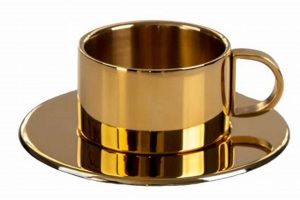
A single-serving coffee preparation implement, generally constructed of paper or a reusable material like metal mesh, is designed to hold ground coffee and allow water to filter through, producing a single serving of brewed coffee. This specific filtration method is commonly used with pour-over devices or single-cup brewing machines, providing a convenient and simple coffee-making experience. For instance, an individual may utilize this type of filter in conjunction with a pour-over stand to brew a single cup of coffee in the morning.
These filtration devices offer several advantages, including ease of use and simplified cleanup. They permit precise portion control, reducing coffee waste. The proliferation of these products has coincided with a growing demand for personalized coffee experiences and sustainable brewing practices. Historically, single-serving coffee preparation methods have been developed to streamline coffee consumption, especially in environments where efficiency and individual preference are prioritized.
The following sections will explore various aspects of these single-serving coffee preparation tools, examining material composition, design variations, optimal usage techniques, and environmental considerations associated with their disposal or reuse.
Optimizing the Use of Single-Serving Coffee Filters
The following tips are intended to enhance the performance and prolong the lifespan of these single-serving coffee preparation tools, as well as maximize the quality of the brewed beverage.
Tip 1: Pre-wetting the filter. Before adding ground coffee, saturate the filter with hot water. This process eliminates paper residue and pre-heats the brewing apparatus, resulting in a cleaner and more flavorful coffee extraction.
Tip 2: Employing the correct grind size. A medium-fine grind is generally optimal for single-serving coffee preparation. A grind that is too coarse will result in weak, under-extracted coffee, while an overly fine grind can lead to clogging and a bitter taste.
Tip 3: Precise water temperature control. Water temperature should ideally be between 195-205F (90-96C). Utilizing a thermometer or a temperature-controlled kettle ensures that the coffee is extracted at the optimal temperature for achieving the desired flavor profile.
Tip 4: Utilizing fresh, high-quality coffee beans. The quality of the beans directly impacts the final product. Freshly roasted beans, ground immediately before brewing, will consistently produce a superior cup of coffee.
Tip 5: Gradual water saturation. Pour hot water over the grounds in a slow, circular motion, ensuring all grounds are evenly saturated. This technique allows for a more uniform extraction and minimizes channeling.
Tip 6: Monitoring the brew time. The ideal brewing time typically ranges from 2-3 minutes. Over-extraction can lead to bitter flavors, while under-extraction results in sourness. Adjust grind size and water flow to achieve the target brewing time.
Tip 7: Appropriate cleaning or disposal. Disposable filters should be discarded responsibly. Reusable filters should be thoroughly cleaned after each use to prevent the build-up of oils and residues, which can negatively impact the taste of future brews.
Implementing these strategies enhances the efficiency and overall experience of single-serving coffee brewing, ensuring a more consistent and satisfying result.
The subsequent sections will delve into potential issues associated with these filtration tools and propose solutions for mitigating these challenges.
1. Material Composition

The material composition of single-serving coffee preparation implements significantly impacts brewing characteristics, flavor profiles, and environmental sustainability. Selection of appropriate material requires careful consideration of these factors.
- Paper Filters
Paper filters, typically made from bleached or unbleached paper pulp, are widely used due to their cost-effectiveness and ability to trap sediment. The paper material can absorb oils from the coffee grounds, resulting in a cleaner, less sediment-heavy cup. Bleached paper filters may impart a slight chemical taste if not pre-wetted, while unbleached filters are often preferred for their perceived neutrality. The environmental impact of disposable paper filters is a consideration, prompting interest in compostable options.
- Metal Mesh Filters
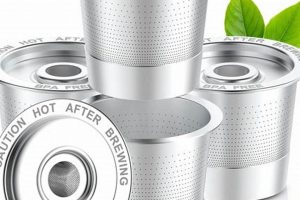
Metal mesh filters, often constructed from stainless steel, offer a reusable alternative. These filters allow more oils and fine particles to pass through, contributing to a fuller-bodied coffee with increased sediment. While metal filters eliminate the need for disposable replacements, they require thorough cleaning after each use to prevent residue buildup and maintain optimal performance. The long-term durability of metal filters reduces their overall environmental footprint compared to disposable options.
- Cloth Filters
Cloth filters, frequently made from cotton or hemp, represent another reusable option. These filters offer a balance between paper and metal, providing some sediment filtration while retaining a degree of oil permeability. Cloth filters necessitate careful cleaning and maintenance to prevent bacterial growth and flavor contamination. Proper storage and regular replacement are essential to maintain hygiene and brewing performance.
- Plastic Filters
Plastic filters, though less common, offer durability and reusability. However, concerns about potential leaching of chemicals into the coffee during brewing exist, particularly when exposed to high temperatures. The use of BPA-free plastics mitigates some of these concerns, but the overall environmental impact of plastic production and disposal remains a relevant factor.
The choice of material dictates the flavor characteristics of the brewed coffee, the level of maintenance required, and the environmental implications associated with the single-serving coffee preparation implement. Understanding these interdependencies is crucial for informed decision-making and optimizing the brewing experience.
2. Filter Shape

The geometry of the filter plays a crucial role in the efficiency and effectiveness of single-serving coffee preparation. The shape dictates water flow, grounds saturation, and ultimately, the flavor extraction from the coffee.
- Conical Filters
Conical filters, characterized by their cone-like shape, promote even saturation of the coffee grounds due to their angled design. This configuration facilitates a deeper coffee bed, leading to extended contact time between water and grounds. This shape is common in pour-over devices designed for single-cup brewing, allowing for controlled and nuanced extraction, impacting the clarity and complexity of the brew.
- Flat-Bottom Filters
Flat-bottom filters, featuring a level base, distribute water more uniformly across the coffee bed. This shape is often found in automated single-cup brewing machines, as it simplifies the manufacturing process and ensures consistent water delivery. The flat bottom promotes a more consistent extraction, resulting in a balanced and predictable flavor profile.
- Basket Filters
Basket filters, resembling a shallow bowl, are frequently used in larger batch brewers but can also be adapted for single-serving methods. Their wide, shallow design necessitates careful control of water flow to avoid uneven saturation and channeling. This shape is suitable for brewers prioritizing volume and convenience over nuanced flavor control.
- Pod-Shaped Filters
Pod-shaped filters, pre-filled with ground coffee, are designed for specific single-cup brewing systems. Their molded shape ensures compatibility with the machine and simplifies the brewing process. However, the pre-determined coffee quantity and grind size limit user customization and flavor control. The shape is dictated by the brewing system’s design parameters.
The optimal filter shape for a single-serving coffee preparation tool depends on the brewing method, desired flavor profile, and user preference. Each shape presents unique advantages and disadvantages concerning water flow, saturation, and extraction efficiency, all impacting the quality and character of the final beverage.
3. Flow Rate

Flow rate, in the context of single-serving coffee preparation tools, refers to the speed at which water passes through the coffee grounds contained within the filter. This parameter directly influences extraction efficiency and the resulting flavor profile of the brewed coffee. An understanding of flow rate dynamics is critical for optimizing brewing techniques and achieving desired taste characteristics.
- Grind Size Influence on Flow Rate
The fineness of the coffee grounds significantly affects flow rate. Finer grinds create a denser coffee bed, impeding water flow and resulting in a slower rate. Conversely, coarser grinds allow water to pass through more readily, leading to a faster rate. An inappropriately fine grind may cause the filter to clog, while an overly coarse grind can lead to under-extraction and a weak, sour-tasting beverage. The relationship between grind size and flow rate must be carefully calibrated to achieve optimal extraction.
- Filter Material Impact on Flow Rate
The material composition of the filtration device influences flow rate. Paper filters, especially those made of dense paper, tend to restrict water flow more than metal mesh or cloth filters. The tighter weave of paper filters traps finer particles and oils, contributing to a cleaner cup but potentially slowing the brewing process. Metal or cloth filters allow for a faster flow rate, resulting in a fuller-bodied brew with more sediment.
- Brewing Method Dependency on Flow Rate
Different brewing methods necessitate specific flow rate considerations. Pour-over techniques require a controlled and consistent flow rate to ensure even saturation and extraction. Automated single-cup brewing machines are engineered to deliver a pre-determined flow rate, optimized for the system’s parameters. Altering the flow rate in these systems can significantly impact the final result.
- Water Temperature and Flow Rate Interaction
Water temperature indirectly influences flow rate. Hotter water generally extracts more quickly, requiring a slightly faster flow rate to prevent over-extraction. Cooler water extracts more slowly, potentially benefiting from a reduced flow rate. Precise control of both temperature and flow rate is essential for maximizing the flavor potential of the coffee grounds.
Ultimately, the control of flow rate during single-serving coffee preparation allows for precise manipulation of the extraction process, resulting in a tailored and optimized brewing experience. Consideration of grind size, filter material, brewing method, and water temperature is essential for achieving the desired flow rate and a consistently high-quality cup of coffee.
4. Grind Compatibility

Grind compatibility is a critical factor in the effective use of a single-serving coffee preparation tool. The particle size of the ground coffee must be appropriate for the specific filtration device to ensure optimal extraction and prevent issues such as clogging or under-extraction. An inappropriate grind size can compromise the brewing process, leading to a substandard beverage. The selection of a single-serving coffee filter must, therefore, align with the intended grind setting to facilitate proper brewing mechanics.
For example, a fine grind, typically employed for espresso preparation, is often unsuitable for single-serving paper filtration methods. The dense concentration of fine particles can restrict water flow, resulting in a slow drip or complete blockage. Conversely, a coarse grind, commonly used in French press brewing, is too large for single-serving pour-over devices. The increased space between particles permits water to flow through too rapidly, leading to under-extraction and a weak, sour taste. Therefore, a medium-fine grind is often recommended for single-serving applications using paper filters. In metal mesh filters, a medium grind generally proves to be effective, although some experimentation may be required depending on the mesh density.
In summary, understanding the interplay between grind size and filter type is paramount for achieving a well-extracted, flavorful cup of coffee using single-serving preparation methods. Careful consideration of grind compatibility is essential for consistent brewing performance and maximizing the potential of the coffee beans. The pursuit of an optimal grind size represents a fundamental aspect of single-cup coffee brewing, enhancing both the experience and the final product.
5. Ease of Disposal
The convenience factor inherent in single-serving coffee preparation methods is inextricably linked to the ease of disposal of the filtration implement. This characteristic is a key driver of adoption, particularly in environments where efficiency and minimal cleanup are prioritized. The disposable nature of many single-cup coffee filters, often made from paper, allows for swift removal and disposal of spent coffee grounds and the filter itself, streamlining the post-brewing process.
The material composition of the filter directly impacts its disposability. Paper filters are generally biodegradable and, in some cases, compostable, aligning with increasing environmental consciousness. Conversely, reusable metal mesh filters require cleaning after each use, demanding additional time and resources. The absence of a straightforward disposal method for metal filters can represent a practical disadvantage for individuals prioritizing convenience. Pod-based systems, which encapsulate both coffee grounds and the filter within a single-use container, present unique disposal challenges due to the potential for mixed material composition.
In conclusion, the ease of disposal is a significant component of the appeal of single-serving coffee filters. While paper filters offer straightforward disposal, reusable options necessitate cleaning, and pod-based systems present complexities regarding material separation. As consumer preferences evolve, manufacturers will continue to innovate in both filter materials and designs to enhance the convenience and sustainability of single-serving coffee preparation tools.
6. Brewing Method
The selected brewing method exerts a substantial influence on the type of single-serving coffee filter employed. The specific interaction between water, ground coffee, and filtration material is determined by the brewing method, thereby dictating the filter’s physical and chemical properties. Different brewing methods necessitate different filter characteristics to ensure optimal extraction and filtration. For instance, a pour-over brewing technique, often utilizing a conical filter, relies on gravity and manual control of water flow. In this instance, the filter must effectively regulate the flow of water while capturing fine sediment, facilitating a clean and balanced brew. The brewing method directly causes the selection of single-cup coffee filter.
Conversely, immersion-based methods, such as the French press, are incompatible with single-use paper filters due to the extended contact time between coffee grounds and water. The French press relies on a metal mesh filter to separate the grounds from the brewed coffee after a period of immersion. The filter does not perform filtration during the brewing process. Single-cup coffee filter, as a key component, determines the flow rate of water and grind compatibility to control flavor, aroma, and overall quality of coffee.
In summary, the brewing method fundamentally determines the specifications of the single-serving coffee filter. This relationship necessitates careful consideration of the intended brewing technique when selecting a filter to ensure compatibility and optimal results. The successful integration of filter and brewing method is paramount for achieving the desired flavor profile and overall coffee quality.
7. Filter Size
Filter size is a crucial determinant in the efficacy and practicality of a single-serving coffee preparation device. The dimensions of the filtration element directly impact the volume of coffee brewed, the concentration of the resulting beverage, and the overall usability of the single-cup system. The size should align with the desired single-serving capacity and the intended brewing method to ensure optimal performance.
- Brewing Capacity and Filter Volume
The internal volume of the filter dictates the amount of ground coffee that can be accommodated. A larger filter can hold more coffee grounds, potentially yielding a stronger, more concentrated brew. Conversely, a smaller filter restricts the amount of coffee used, resulting in a milder beverage. For example, a small, cone-shaped filter might be suitable for brewing a 6-ounce cup of coffee, while a larger, flat-bottomed filter could accommodate enough coffee for a 12-ounce serving. Proper matching is important to prevent overflow, grounds in the coffee, or weak brew.
- Extraction Efficiency and Filter Surface Area
The surface area of the filter influences the extraction process. A larger surface area allows for greater contact between the water and the coffee grounds, potentially leading to a more complete extraction. However, excessive surface area can also result in over-extraction, producing a bitter taste. Conversely, a smaller surface area may limit extraction, leading to a sour or weak brew. The filter surface area should be optimized to the intended brewing time and water temperature.
- Device Compatibility and Form Factor
The physical dimensions of the filter must correspond to the design of the single-cup brewing apparatus. A filter that is too large may not fit properly within the device, while a filter that is too small may not be adequately supported. The form factor, including the shape and dimensions, must be compatible with the brewing system’s specifications to ensure proper functionality. This is particularly relevant for proprietary brewing systems that use custom-designed filters. Device and coffee filter size should be paired.
These factors highlight the critical role of filter size in achieving a consistently high-quality single-cup coffee experience. An informed selection of filter size, based on desired volume, strength, and compatibility with the brewing system, is essential for maximizing the potential of single-serving coffee preparation methods.
Frequently Asked Questions
This section addresses common inquiries and provides clarity regarding single-serving coffee filters, their use, and related considerations.
Question 1: What materials are commonly used in the construction of these single-serving coffee filters?
Single-serving coffee filters are typically manufactured from paper, metal mesh (usually stainless steel), cloth (often cotton or hemp), or, less frequently, plastic. Each material presents distinct advantages and disadvantages regarding flavor neutrality, filtration efficacy, and environmental impact.
Question 2: Is pre-wetting the filter necessary prior to brewing?
Pre-wetting the filter, especially paper filters, is highly recommended. This practice removes potential paper residue, pre-heats the brewing apparatus, and can contribute to a cleaner, more refined flavor profile in the final beverage.
Question 3: What grind size is most suitable for single-serving coffee filter preparation?
A medium-fine grind is generally optimal. The selected grind size should balance the need for adequate extraction with the prevention of clogging. Finer grinds restrict water flow, while coarser grinds promote under-extraction. Experimentation may be needed to fine-tune according to your specific brewing system.
Question 4: How does the shape of a single-serving filter affect the brewing process?
The filter’s shape influences water flow and grounds saturation. Conical filters promote even saturation, while flat-bottom filters distribute water more uniformly. Basket filters may require careful water flow control to avoid channeling. Each shape has its characteristics on extraction.
Question 5: What are the environmental considerations associated with disposable single-serving coffee filters?
Disposable paper filters contribute to waste. Opting for compostable paper filters or reusable metal or cloth filters reduces environmental impact. Proper disposal or cleaning procedures are essential to minimize the environmental footprint.
Question 6: How often should reusable single-serving coffee filters be cleaned?
Reusable filters should be thoroughly cleaned after each use to prevent the build-up of oils and residue. Regular cleaning maintains optimal performance and avoids flavor contamination in subsequent brews. Depending on the filter material, descaling may be required.
These FAQs provide essential insight into the efficient and responsible use of single-serving coffee filters. Attention to these details ensures a consistently high-quality coffee brewing experience.
The subsequent section explores potential brewing issues and troubleshooting techniques.
Conclusion
This exploration has examined the multifaceted aspects of the one cup coffee filter, encompassing material composition, shape variations, flow rate considerations, grind compatibility, disposal methods, brewing method dependencies, and size implications. Understanding these factors is paramount for optimizing the single-serving coffee preparation process and achieving a consistently high-quality result. The selection of an appropriate implement, paired with diligent brewing techniques, yields a more satisfying and nuanced coffee experience.
The ongoing evolution of brewing technologies and sustainable practices suggests a future focus on environmentally conscious materials and innovative filter designs. Continued research and consumer awareness are essential for maximizing the potential of single-serving coffee preparation, both in terms of brewing quality and environmental responsibility.