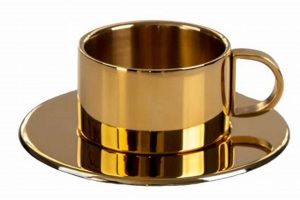
Insulated drinkware, specifically designed to maintain beverage temperature, frequently incorporates individualized designs or branding. These items typically feature an inner and outer layer with an air gap, or vacuum, to minimize heat transfer. An example would be a travel mug adorned with a company logo, offering thermal insulation for coffee.
Such specialized containers offer benefits ranging from prolonged temperature retention to brand visibility. The insulated construction keeps beverages hot or cold for extended periods, enhancing user experience. Furthermore, personalized decoration transforms a practical item into a promotional tool, strengthening brand recognition through daily use.
The remainder of this discussion will explore design considerations, manufacturing processes, imprinting techniques, and material choices inherent in the creation of these specialized and thermally efficient vessels.
Optimizing Custom Insulated Drinkware Design and Procurement
The following guidelines offer insights into maximizing the effectiveness and value associated with custom insulated drinkware.
Tip 1: Material Selection: Prioritize food-grade stainless steel for its durability, thermal properties, and resistance to leaching. For transparent options, consider Tritan copolyester, ensuring it is BPA-free. Avoid materials with questionable safety certifications.
Tip 2: Insulation Performance: Evaluate the temperature retention specifications provided by the manufacturer. Vacuum insulation offers superior performance compared to air-filled double-walled designs. Request independent testing data where available.
Tip 3: Imprint Durability: Select imprint methods based on intended use and expected handling. Laser engraving provides the most permanent marking, while multi-color screen printing offers visual complexity. Request sample testing to assess resistance to scratching and fading.
Tip 4: Lid Design: Prioritize spill-resistant lid mechanisms with secure closures. Consider the ease of cleaning and potential for disassembly. Investigate the availability of replacement parts to extend the product’s lifespan.
Tip 5: Size and Ergonomics: Determine the optimal volume based on target beverage types and user preferences. Evaluate the cup’s shape and dimensions for comfortable handling. Consider features such as non-slip grips.
Tip 6: Minimum Order Quantities: Understand the supplier’s minimum order requirements and assess inventory management implications. Balance economies of scale with potential storage costs and obsolescence risks.
Tip 7: Supplier Vetting: Conduct thorough due diligence on potential suppliers, examining their certifications, manufacturing processes, and quality control procedures. Request references and conduct site visits if feasible.
Adhering to these recommendations enhances the likelihood of securing high-quality, functional, and visually appealing insulated drinkware that aligns with specified needs and budgetary constraints.
The subsequent section will address specific applications and use cases for custom insulated drinkware across various industries.
1. Material Integrity
Material integrity represents a cornerstone of quality and safety in the manufacture of specialized, thermally insulated vessels. The selection and performance of constituent materials directly impact product lifespan, user safety, and thermal efficiency. Compromised material integrity can lead to premature failure, leaching of undesirable substances, or diminished insulation capabilities.
- Stainless Steel Grade
The specific grade of stainless steel employed, typically 304 or 316, dictates corrosion resistance and weldability. Lower grades may exhibit pitting or rust, especially when exposed to acidic beverages or harsh cleaning agents. The choice of grade directly affects the product’s longevity and suitability for repeated use.
- Inner Lining Composition
If present, the inner lining material, often plastic or ceramic, must be food-grade and free from harmful chemicals like BPA or phthalates. Migration of these substances into the beverage can pose health risks. Certification from recognized regulatory bodies, such as the FDA or EFSA, is paramount.
- Vacuum Seal Integrity
In vacuum-insulated designs, the integrity of the vacuum seal is crucial for maintaining thermal performance. Breaches in the seal negate the insulating effect, rendering the product ineffective. Manufacturing processes must ensure a hermetic seal to prevent air leakage over time.
- Welding Quality
For stainless steel constructions, the quality of the welds joining the inner and outer walls is critical. Poorly executed welds can create stress points prone to cracking or corrosion. Ultrasonic or radiographic inspection can detect subsurface defects.
These facets of material integrity collectively determine the overall performance and safety profile of insulated drinkware. Careful attention to material selection, manufacturing processes, and quality control is essential to ensure that these items meet stringent performance and safety requirements, maximizing user satisfaction and minimizing potential risks. For example, a high-end custom cup might prioritize 316 stainless steel and rigorous weld inspection, while a budget option could use 304 stainless steel with standard welding procedures, reflecting a trade-off between cost and long-term durability.
2. Thermal Performance

Thermal performance is a critical functional attribute of insulated beverage containers. The efficacy with which these vessels maintain a beverage’s temperature, whether hot or cold, directly influences user satisfaction and the perceived value of the product. The double-walled construction, often incorporating a vacuum or insulating material between the layers, is specifically engineered to minimize heat transfer through conduction, convection, and radiation. For example, a well-designed, insulated coffee cup prevents rapid cooling of hot coffee on a cold day, thereby preserving the intended drinking experience for an extended duration.
The practical significance of thermal performance extends beyond mere user convenience. In commercial settings, such as coffee shops or catering services, insulated cups reduce the need for frequent reheating or recooling of beverages, minimizing energy consumption and associated costs. Furthermore, the ability to maintain consistent temperature contributes to beverage quality, preventing the degradation of flavors and aromas. A cold brew coffee, for instance, will remain palatable longer if kept at a consistently low temperature, preventing bitterness or dilution from melting ice.
Understanding thermal performance characteristics is essential for manufacturers and consumers alike. Manufacturers must adhere to rigorous testing protocols to quantify insulation capabilities and ensure product claims are accurate. Consumers can use this data to make informed purchasing decisions, selecting cups that align with their specific needs and expectations. Ultimately, the effective management of heat transfer within insulated drinkware is paramount to delivering a product that meets the demands of its intended application, offering both functional and economic advantages.
3. Imprint Longevity

Imprint longevity represents a crucial factor in the overall value proposition of specialized, thermally insulated drinkware. The durability of a printed logo, design, or message on a “custom double wall coffee cup” directly impacts brand visibility and the perceived quality of the item. Fading, chipping, or peeling imprints diminish the aesthetic appeal of the cup and erode the marketing investment associated with its creation. For example, a company distributing promotional coffee cups featuring its logo expects the imprint to withstand daily use and washing cycles for an extended period; a short-lived imprint negates the intended advertising effect and creates a negative impression of the brand.
Various printing techniques offer differing levels of durability. Screen printing, while cost-effective for large-volume orders, may be susceptible to wear and tear over time. Laser engraving, conversely, creates a permanent mark that is resistant to scratching and fading, but may be limited in color options. Sublimation printing, often used on polyester-coated surfaces, offers vibrant, full-color imprints with good durability. The selection of an appropriate printing method must therefore consider the intended use of the cup, the budget constraints, and the desired level of imprint resistance. A business targeting high-end clients, for instance, may opt for laser engraving to ensure a premium aesthetic and lasting impression, even at a higher initial cost.
In summary, the relationship between “imprint longevity” and “custom double wall coffee cups” is paramount to achieving the desired marketing and branding outcomes. Factors such as printing technique, material compatibility, and quality control processes all contribute to the final result. Ensuring the longevity of the imprint safeguards the investment in customized drinkware and maximizes the long-term impact of the promotional message. Challenges remain in balancing cost-effectiveness with durability, but careful consideration of these factors leads to superior product outcomes.
4. Structural Robustness
Structural robustness, concerning specialized, thermally insulated drinkware, directly dictates product lifespan, user safety, and overall suitability for intended applications. The ability of a “custom double wall coffee cup” to withstand mechanical stress, thermal cycling, and chemical exposure determines its durability and long-term usability. Inadequate structural integrity can lead to premature failure, posing potential safety hazards and diminishing user satisfaction.
- Impact Resistance
Impact resistance refers to the capacity of the cup to withstand sudden forces without cracking or shattering. A cup with poor impact resistance may fail when dropped, rendering it unusable and potentially causing injury. Material selection, wall thickness, and design features all influence this property. For instance, stainless steel generally offers superior impact resistance compared to glass or thin plastics. The consequences of failure range from inconvenient spills to potential laceration injuries.
- Thermal Stress Resistance
Thermal stress resistance denotes the ability of the cup to withstand rapid temperature changes without deformation or cracking. Sudden transitions from hot to cold, such as filling a cold cup with boiling water, can induce stress within the material. High-quality cups are designed to accommodate these fluctuations without compromising structural integrity. Failure due to thermal stress can result in leaks or complete structural failure, presenting a burn risk.
- Seal Integrity Under Pressure
Seal integrity under pressure pertains to the ability of the lid and any seals to maintain a leak-proof barrier when subjected to internal pressure, such as that caused by hot liquids or carbonated beverages. Defective seals can lead to spills and potentially hazardous leaks. This property is influenced by the design of the sealing mechanism, the materials used, and the precision of manufacturing. A compromised seal undermines the intended functionality of the cup and increases the risk of accidents.
- Material Fatigue Resistance
Material fatigue resistance reflects the ability of the cup to withstand repeated stress cycles without failure. Over time, repeated washing, filling, and temperature changes can induce fatigue in the material, leading to cracks or weakening. The type of material, its processing, and the design of the cup all impact its fatigue resistance. Cups with poor fatigue resistance may exhibit premature wear and tear, shortening their lifespan and reducing user satisfaction.
These facets of structural robustness collectively determine the suitability of “custom double wall coffee cups” for their intended purpose. Balancing material selection, design considerations, and manufacturing processes is critical to ensuring that these items meet performance expectations and provide a safe and reliable user experience. A robust design translates to a longer product lifespan, reduced risk of accidents, and enhanced brand reputation.
5. Compliance Standards

Compliance standards represent a non-negotiable aspect of manufacturing and distributing “custom double wall coffee cups.” These standards encompass various regulations related to food safety, material composition, and product labeling, ensuring consumer health and safety. Failure to adhere to relevant compliance standards can result in legal repercussions, product recalls, and damage to brand reputation. The connection between compliance standards and “custom double wall coffee cups” is therefore a direct cause-and-effect relationship; adhering to standards promotes safe usage, while neglecting them endangers consumers. As an example, the U.S. Food and Drug Administration (FDA) sets requirements for materials that come into contact with food, dictating which plastics and coatings are permissible in the construction of coffee cups. A manufacturer using non-compliant materials risks enforcement action from the FDA.
The practical significance of understanding compliance standards extends to all stages of the supply chain. Manufacturers must select materials and processes that meet regulatory requirements, while distributors and retailers must ensure that products they offer for sale comply with applicable laws. For instance, California Proposition 65 requires businesses to provide warnings about significant exposures to chemicals that cause cancer, birth defects, or other reproductive harm. “Custom double wall coffee cups” sold in California might require a warning label if they contain certain chemicals, even in trace amounts. Furthermore, international standards like ISO 9001 and ISO 22000 provide frameworks for quality management and food safety, which can enhance compliance efforts and demonstrate a commitment to safety. Ignoring these standards would compromise consumer well being.
In summary, compliance standards form a critical component of “custom double wall coffee cups,” influencing material selection, manufacturing processes, and product labeling. Adherence to these standards is not merely a legal obligation but also a fundamental ethical responsibility. Challenges exist in navigating the complex landscape of regulations, particularly for manufacturers operating in multiple jurisdictions. However, prioritizing compliance is essential for ensuring the safety and integrity of “custom double wall coffee cups,” protecting consumers, and maintaining brand credibility. The future success in creating the item relies on maintaining food safety compliance as it continues to evolve.
Frequently Asked Questions About Custom Double Wall Coffee Cups
The following section addresses common inquiries regarding custom double wall coffee cups, providing detailed explanations to clarify key aspects of these specialized drinkware items.
Question 1: What are the primary benefits of using custom double wall coffee cups?
The principal advantages include enhanced temperature retention, reduced condensation, and opportunities for brand promotion through customized designs.
Question 2: What materials are commonly used in the construction of custom double wall coffee cups?
Food-grade stainless steel, borosilicate glass, and BPA-free plastics are frequently employed, each offering distinct properties in terms of durability, thermal performance, and aesthetic appeal.
Question 3: How does the double wall construction contribute to temperature retention?
The air gap, or vacuum, between the inner and outer walls minimizes heat transfer through conduction, convection, and radiation, thereby prolonging the time beverages remain at their desired temperature.
Question 4: What printing methods are suitable for customizing double wall coffee cups?
Laser engraving, screen printing, and dye sublimation are common options, each offering varying degrees of durability, color fidelity, and cost-effectiveness.
Question 5: How should custom double wall coffee cups be properly cleaned and maintained?
Hand washing with mild detergent is generally recommended to preserve the integrity of the insulation and imprint. Abrasive cleaners and harsh chemicals should be avoided.
Question 6: What certifications should one look for when sourcing custom double wall coffee cups?
Certifications such as FDA approval, LFGB compliance, and BPA-free verification provide assurance that the cups meet stringent safety standards for food contact materials.
In conclusion, custom double wall coffee cups offer a practical and versatile solution for beverage consumption, combining functional benefits with customization options. Understanding these key aspects facilitates informed decision-making when selecting and utilizing these items.
The subsequent segment will delve into specific industry applications and case studies illustrating the use of custom double wall coffee cups in various business contexts.
Custom Double Wall Coffee Cups
The preceding discourse has elucidated the critical facets of custom double wall coffee cups. From material selection and thermal performance to imprint longevity, structural robustness, and compliance standards, a comprehensive overview has been provided. These factors collectively determine the suitability, safety, and efficacy of these specialized vessels. The discussion also addressed frequently asked questions, offering clarity on common concerns and practical considerations for consumers and businesses.
Continued adherence to rigorous manufacturing standards and a commitment to innovation will be paramount in shaping the future of custom double wall coffee cups. As consumer expectations evolve and environmental concerns intensify, further advancements in material science and sustainable production practices will be essential. Businesses that prioritize quality, safety, and responsible sourcing will be best positioned to capitalize on the enduring demand for these functional and customizable items.