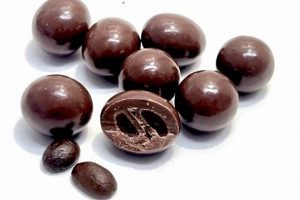
The act of consuming whole, unground coffee seeds involves direct oral processing. Individuals place the dried or roasted seeds in the mouth, breaking them down through mastication. This method delivers a more concentrated and immediate experience of the coffees inherent characteristics compared to traditional brewing methods.
Historically, direct consumption of the coffee seed provided a portable and readily available energy source. The practice offers potential benefits such as heightened alertness due to rapid caffeine absorption, and the experience of distinct flavor profiles, which can vary significantly depending on the bean’s origin and roast level. It’s important to note that this consumption method delivers a substantially higher caffeine dose than brewed coffee, and excessive consumption may produce adverse effects.
The subsequent sections will explore the nuances of this practice, including caffeine content and potential health implications, flavor profiles and bean selection, as well as the proper methods for safe and effective consumption.
Tips for Direct Coffee Seed Consumption
The following recommendations aim to provide guidance for those interested in directly consuming coffee seeds. Adherence to these suggestions may help to mitigate potential adverse effects and optimize the experience.
Tip 1: Begin with Moderation. Initiate consumption with a small quantity, typically 3-5 seeds, to assess individual tolerance to caffeine and other compounds present within the coffee seed.
Tip 2: Select High-Quality Beans. Opt for specialty-grade, ethically sourced beans to minimize exposure to pesticides and ensure a more desirable flavor profile. Consider lighter roasts initially, as they tend to exhibit higher acidity and more complex flavor nuances. Darker roasts, while less acidic, offer a more robust, smoky flavor.
Tip 3: Hydrate Adequately. Consume ample water before, during, and after the process. Coffee seeds exhibit diuretic properties; therefore, maintaining adequate hydration is essential.
Tip 4: Be Mindful of Timing. Avoid consumption close to bedtime, as the stimulant effects can disrupt sleep patterns. Consider the time of day and potential impact on daily routines.
Tip 5: Chew Thoroughly. Complete mastication is crucial for releasing flavors and facilitating caffeine absorption. Partial chewing may lead to incomplete breakdown of the seed and suboptimal results.
Tip 6: Observe the Body’s Response. Monitor for any adverse reactions, such as increased heart rate, anxiety, or digestive discomfort. Discontinue consumption if negative effects are observed.
Tip 7: Store Seeds Properly. To maintain freshness and flavor, store coffee seeds in an airtight container away from heat, light, and moisture.
Following these guidelines can assist in managing caffeine intake, improving the experience, and mitigating potential negative health consequences.
The subsequent sections will delve deeper into specific health considerations and provide additional insights for responsible and informed practices.
1. Caffeine Content Variation

Caffeine content variation is a critical aspect when considering the direct consumption of coffee seeds. Unlike brewed coffee, where extraction rates influence the final caffeine concentration, the amount ingested through seed mastication is directly proportional to the seed’s caffeine composition. This variability necessitates a thorough understanding of the factors that contribute to these differences.
- Bean Origin and Variety
Caffeine concentration varies significantly across different coffee bean varieties (e.g., Arabica vs. Robusta) and geographic origins. Robusta beans, for example, typically contain approximately twice the caffeine of Arabica beans. Environmental factors, such as altitude and climate, also play a role in the bean’s inherent caffeine levels. Therefore, selecting beans from a known origin with a predictable caffeine profile is essential for managing intake when chewing coffee seeds.
- Roast Level Influence
While the roasting process does not drastically alter the total caffeine content per bean, it does affect the perceived strength and bioavailability. Lighter roasts tend to retain more of their original caffeine composition by weight. Darker roasts, while undergoing some caffeine degradation, lose mass due to moisture evaporation, leading to a slightly higher caffeine concentration per unit weight. The perceived effect, therefore, differs based on the roast level and how the body processes the compounds. This also affects the flavour profiles and bitterness felt from the caffeine content variation.
- Bean Size and Density
Larger, denser coffee seeds tend to contain a greater absolute amount of caffeine compared to smaller, less dense seeds. Even within the same variety and roast level, variations in seed size and density can influence the total caffeine delivered upon consumption. Consistent sizing helps to deliver the predicted dosage. Careful observation of these physical properties can contribute to more accurate caffeine intake estimation.
- Individual Plant Variability
Even within the same farm or batch, individual coffee plants can exhibit slight variations in caffeine production. These subtle differences, while difficult to quantify precisely, contribute to the overall complexity of caffeine content variation. Considering these minor variabilities helps the consumer when chewing coffee beans to fully understand the potential differences they will experience.
In conclusion, careful consideration of bean origin, roast level, seed size, and the inherent variability within coffee plants is paramount for managing caffeine intake when consuming the seed directly. Understanding these factors enables individuals to make informed choices, minimize potential adverse effects, and optimize their consumption experience.
2. Flavor profile complexity

The direct consumption of coffee seeds amplifies the importance of flavor profile complexity. Unlike brewed coffee, where water acts as a medium to extract and blend various compounds, chewing the seeds delivers a concentrated and layered sensory experience. The following facets detail the inherent complexities encountered during direct seed consumption.
- Volatile Aromatic Compounds
These compounds, released upon mastication, contribute to the initial olfactory experience. Terpenes, esters, and aldehydes present in the seed create a range of aromas, from floral and fruity to earthy and spicy. The intensity and diversity of these aromatics are influenced by bean origin, processing methods, and roast level. Chewing the seeds allows a direct perception of these volatiles, unfiltered by the brewing process, delivering a more intense and often surprising aromatic profile.
- Acidity and Bitterness Balance
Acidity, primarily driven by chlorogenic acids, and bitterness, resulting from quinic acids and phenylindanes, interact to define the overall taste. The balance between these two fundamental tastes is crucial for palatability. Higher acidity can impart a bright, citrusy sensation, while increased bitterness can provide a more robust, chocolatey experience. Chewing the coffee seeds provides a concentrated burst of both, demanding a nuanced appreciation for their interplay.
- Body and Mouthfeel
The “body” refers to the tactile sensation experienced in the mouth, ranging from light and delicate to full and syrupy. Mouthfeel is influenced by the oils and polysaccharides present in the seed. Direct seed consumption results in a more pronounced textural experience due to the physical presence of the seed particles. This can range from a slightly gritty texture to a smoother, more coating sensation, significantly impacting the overall enjoyment of the consumption.
- Aftertaste and Lingering Sensations
The aftertaste, or finish, represents the lingering flavors and sensations experienced after the seed is swallowed. This can include notes of chocolate, nuts, spices, or even floral elements. The duration and quality of the aftertaste contribute significantly to the overall impression of the coffee seed’s flavor profile. Chewing coffee beans often leads to a prolonged and evolving aftertaste, as the remaining particles continue to release flavor compounds.
The multifaceted nature of flavor profile complexity, amplified by the direct consumption of coffee seeds, provides a unique sensory challenge. The volatile aromatics, acidity-bitterness balance, body and mouthfeel, and lingering aftertaste combine to create a rich and intricate flavor experience. Appreciating these elements requires mindful attention and a willingness to explore the full spectrum of flavors inherent in the coffee seed.
3. Roast level influence

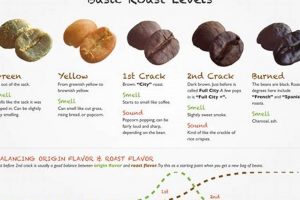
Roast level fundamentally alters the physical and chemical properties of coffee seeds, impacting their suitability and sensory experience when directly consumed. The application of heat during roasting triggers a series of complex reactions, influencing flavor compounds, caffeine content, and the seeds’ structural integrity. Lightly roasted seeds retain higher levels of acidity and chlorogenic acids, delivering a more vibrant, nuanced flavor profile. Conversely, darker roasts undergo greater caramelization and Maillard reactions, resulting in a bolder, often bitter taste dominated by pyrolytic compounds. The structural change also affects the overall chewing experience, as lighter roasts tend to be denser and harder, requiring more effort to masticate, while darker roasts are often more brittle and easier to break down.
The practical significance of understanding roast level influence lies in tailoring the consumption experience to individual preferences and tolerance. For example, an individual seeking a more stimulating effect may opt for a lighter roast, anticipating a higher concentration of caffeine. Conversely, those sensitive to caffeine or acidity might choose a darker roast to minimize these effects. The choice also affects the aftertaste; lighter roasts provide a more intense, lingering aftertaste, whereas darker roasts tend to have a more immediate and shorter impact. Some users, for instance, have reported that chewing very dark-roasted beans provides a temporary relief from bad breath due to the oils contained within.
In summary, roast level exerts a profound influence on the taste, texture, and potential physiological effects of directly consumed coffee seeds. By considering the impact of roast level, individuals can modulate the overall experience, aligning it with their desired sensory and functional outcomes. Challenges remain in accurately predicting the specific effects of different roasts, as variations in bean origin and roasting techniques introduce further complexity. However, an informed approach, guided by an understanding of these fundamental principles, is crucial for a rewarding and potentially safer practice.
4. Gastrointestinal considerations

The direct consumption of coffee seeds, bypassing the traditional brewing process, presents unique considerations for gastrointestinal health. The absence of filtration and the higher concentration of certain compounds can exert distinct effects on the digestive system.
- Gastric Acid Production
Coffee beans contain compounds that stimulate gastric acid secretion. Chewing the seeds releases these compounds directly into the oral cavity and esophagus, potentially leading to increased acidity in the stomach. For individuals prone to acid reflux, heartburn, or peptic ulcers, this increased acidity can exacerbate symptoms. Consumption should be approached with caution, and the quantity ingested should be closely monitored to avoid discomfort.
- Irritation of the Digestive Tract
The physical properties of coffee seeds, particularly their fibrous nature, can contribute to irritation of the digestive tract in some individuals. Undigested seed particles may exacerbate symptoms of conditions such as Irritable Bowel Syndrome (IBS) or diverticulitis. Thorough mastication is crucial to minimize particle size, but complete digestion may not always be achievable. The degree of roasting also impacts this, with darker roasts being somewhat easier to digest due to the breakdown of complex carbohydrates.
- Laxative Effect
Coffee, regardless of the method of consumption, can exhibit a laxative effect due to the stimulation of intestinal motility. This effect can be amplified when directly consuming coffee seeds, as the higher concentration of certain compounds stimulates the digestive system more intensely. While some individuals may find this beneficial, others may experience discomfort or diarrhea, particularly with excessive consumption.
- Potential for Nutrient Absorption Interference
Certain components found in coffee beans, such as phytates, can interfere with the absorption of certain minerals, including iron and zinc. Direct consumption of coffee seeds, particularly in large quantities, may theoretically exacerbate this interference. Individuals with pre-existing nutritional deficiencies should be particularly mindful of this potential effect and ensure adequate intake of essential minerals through other dietary sources.
The gastrointestinal effects of direct coffee seed consumption necessitate careful consideration, particularly for individuals with pre-existing digestive conditions. Moderation, thorough chewing, and awareness of individual sensitivities are essential for minimizing potential adverse effects and optimizing the overall digestive experience. Subsequent discussions will address potential mitigation strategies and further explore the complex relationship between coffee seeds and digestive health.
5. Potential health benefits

Direct coffee seed consumption presents unique avenues for potential health benefits, derived from the concentrated delivery of various bioactive compounds. The absence of filtration, inherent in traditional brewing methods, preserves a wider spectrum of these compounds, potentially amplifying their physiological effects. These benefits may include enhanced antioxidant activity, neuroprotective effects, and metabolic enhancements. These outcomes stem from the interaction of polyphenols, chlorogenic acids, and other phytochemicals present in the coffee bean.
The heightened antioxidant capacity of unbrewed coffee seeds, due to the increased bioavailability of chlorogenic acids and melanoidins, may contribute to the mitigation of oxidative stress. This reduction in oxidative stress, in turn, could mitigate the risk of chronic diseases linked to cellular damage. Furthermore, certain studies suggest that caffeine, when delivered in a controlled manner, may enhance cognitive function, improve alertness, and support physical endurance. Additionally, the direct ingestion of the oils found in coffee seeds may contribute to improved lipid profiles and anti-inflammatory processes, contingent upon the absence of adverse reactions to the digestive system.
The potential health benefits associated with direct coffee seed consumption remain a subject of ongoing research, and existing evidence is often based on preliminary findings or studies conducted on specific coffee bean varieties. Further investigation is required to fully elucidate the long-term effects and optimal consumption parameters. Despite these uncertainties, the potential for enhanced antioxidant activity, neuroprotection, and metabolic enhancement warrants further exploration.
6. Dosage control importance

Effective dosage control is paramount when engaging in the direct consumption of coffee seeds. The inherent potency of this consumption method, bypassing the dilution associated with brewing, necessitates a mindful approach to avoid adverse physiological effects and to optimize the intended benefits.
- Caffeine Overload Mitigation
Coffee seeds contain a concentrated source of caffeine, exceeding that found in typical brewed coffee preparations. Uncontrolled consumption can readily lead to caffeine overload, manifesting as anxiety, insomnia, palpitations, and gastrointestinal distress. Precise dosage control serves as a crucial safeguard, preventing the onset of these adverse effects. This is especially important with differing caffeine levels within different roast levels and origins.
- Cardiovascular System Considerations
Caffeine’s stimulant effect impacts the cardiovascular system, potentially elevating heart rate and blood pressure. Individuals with pre-existing cardiovascular conditions, such as hypertension or arrhythmias, require meticulous dosage control to minimize the risk of exacerbating these conditions. Consistent monitoring of physiological responses and consultation with healthcare professionals are advisable.
- Individual Sensitivity Variability
Individual sensitivity to caffeine varies widely based on factors such as genetics, body weight, and tolerance levels. A dosage that may be well-tolerated by one individual could elicit significant adverse effects in another. Dosage control must, therefore, be tailored to individual sensitivities, starting with minimal quantities and gradually increasing as tolerated.
- Synergistic Effects with Other Stimulants
The consumption of coffee seeds in conjunction with other stimulants, such as energy drinks or certain medications, can create synergistic effects, amplifying the risk of adverse reactions. Dosage control must account for these potential interactions, adjusting consumption levels accordingly to avoid overstimulation and potential complications.
Dosage control provides the cornerstone for a safe and potentially beneficial engagement with direct coffee seed consumption. An informed and cautious approach, characterized by mindful self-monitoring and an awareness of individual sensitivities, is essential for mitigating risks and optimizing the intended outcomes of this consumption method.
Frequently Asked Questions About Direct Coffee Seed Consumption
The following questions address common concerns and misconceptions regarding the practice of consuming coffee seeds directly. The information provided aims to offer clarity and informed perspectives on this unique consumption method.
Question 1: Is direct coffee seed consumption safe?
Direct consumption of coffee seeds carries potential risks and benefits, contingent on individual health status, dosage control, and bean selection. Excessive consumption may result in caffeine-related adverse effects. Moderation and careful consideration of underlying health conditions are paramount.
Question 2: What is the recommended daily dosage for direct coffee seed consumption?
A precise dosage recommendation cannot be universally applied due to individual variability in caffeine sensitivity. A conservative approach is advised, commencing with a small quantity (3-5 seeds) and gradually adjusting as tolerated. Exceeding 10-15 seeds per day is generally discouraged.
Question 3: What types of coffee beans are best suited for direct consumption?
Specialty-grade, ethically sourced beans are preferable to minimize exposure to pesticides and ensure optimal flavor. Lighter roasts retain higher acidity and caffeine levels, while darker roasts offer a bolder, less acidic profile. Selection should align with individual taste preferences and physiological tolerances.
Question 4: Does direct coffee seed consumption provide the same benefits as brewed coffee?
While both methods deliver caffeine and other bioactive compounds, direct consumption results in a more concentrated exposure, potentially amplifying both benefits and risks. The absence of filtration preserves a wider spectrum of compounds, but may also lead to increased gastrointestinal irritation in some individuals.
Question 5: How does roast level impact the effects of direct coffee seed consumption?
Roast level significantly influences flavor profile and caffeine availability. Lighter roasts contain a higher concentration of caffeine per seed but can be harder to chew. Darker roasts, while lower in caffeine overall, are easier to masticate and offer a bolder, often bitter taste.
Question 6: Can direct coffee seed consumption cause digestive issues?
Direct consumption can exacerbate existing digestive issues, such as acid reflux or IBS, due to the increased concentration of gastric acid stimulants and the presence of undigested seed particles. Thorough mastication and moderation are essential to mitigate potential digestive discomfort.
In conclusion, direct coffee seed consumption necessitates a mindful and informed approach, acknowledging the potential benefits and risks inherent in this unique consumption method. Dosage control, bean selection, and awareness of individual health conditions are crucial for safe and rewarding experience.
The subsequent sections will delve into more advanced strategies and address specific concerns regarding long-term effects and potential interactions with medications.
Conclusion
This exploration has detailed the practice of chewing coffee beans, addressing aspects from caffeine variation and flavor complexity to gastrointestinal considerations and potential health impacts. The information presented underscores the importance of understanding the variables influencing this unique consumption method. Effective dosage control, mindful bean selection based on roast level and origin, and awareness of individual sensitivities are critical for responsible engagement.
The decision to incorporate chewing coffee beans into a lifestyle requires careful consideration and ongoing self-assessment. While potential benefits exist, informed choices and moderation are essential. Further research is necessary to fully elucidate the long-term effects and to refine best practices for maximizing benefits while minimizing potential risks. A balanced approach, emphasizing individual well-being, remains paramount.