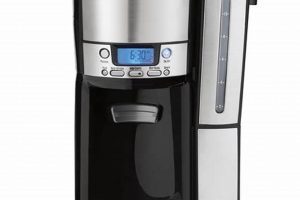
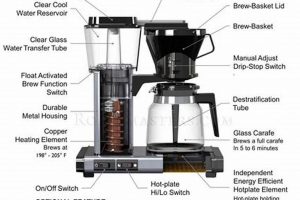
The process involves several key steps to brew a single serving of coffee using a Keurig machine. This includes filling the water reservoir, inserting a K-Cup pod, selecting the desired cup size, and initiating the brewing cycle. Each step contributes to the final outcome: a freshly brewed cup of coffee.
The popularity of single-cup brewing systems stems from their convenience and efficiency. They offer a rapid and simple solution for individuals seeking a quick caffeine fix without the need to brew an entire pot. This method minimizes waste and caters to varying preferences for coffee strength and flavor. The advent of these systems reflects a shift towards personalized and on-demand coffee consumption.
To fully understand the capabilities of a Keurig machine, it is necessary to examine the different models available, the types of K-Cups that can be used, and the machine’s maintenance requirements. The subsequent sections will detail these aspects, providing a comprehensive guide for optimal utilization.
Optimizing the Keurig Experience
The following guidelines enhance the functionality and longevity of a Keurig single-cup coffee maker, ensuring a consistently satisfying brewing process.
Tip 1: Water Quality Matters: Employ filtered water in the reservoir. Minerals present in tap water can accumulate, leading to scale buildup and impacting the taste of the coffee.
Tip 2: Regular Descaling is Crucial: Descale the machine every three to six months, depending on water hardness. Use a commercially available descaling solution or a mixture of equal parts white vinegar and water. Follow the manufacturer’s instructions for the descaling cycle.
Tip 3: K-Cup Storage Considerations: Store K-Cups in a cool, dry place. Exposure to heat and humidity can degrade the coffee grounds and affect the flavor profile.
Tip 4: Choosing the Right Cup Size: Select the appropriate cup size for the mug being used. Overfilling can lead to spills and inconsistent brewing.
Tip 5: Preheating for Optimal Temperature: Prior to brewing, run a cycle with just water to preheat the machine. This ensures the water reaches the ideal temperature for coffee extraction.
Tip 6: Clean the Exit Needle Regularly: The exit needle can become clogged with coffee grounds. Use a paperclip or a needle-cleaning tool to clear any blockages and maintain proper flow.
Tip 7: Consider Reusable K-Cup Filters: For economic and environmental reasons, reusable K-Cup filters filled with ground coffee provide an alternative to pre-packaged pods.
Adhering to these recommendations will contribute to improved coffee quality, extended machine life, and a more cost-effective brewing experience.
By implementing these practical strategies, users can maximize the advantages of their Keurig machine and consistently enjoy a well-brewed cup of coffee.
1. Reservoir Water Level

The reservoir water level directly dictates the Keurig machine’s ability to function as intended. Insufficient water prevents brewing, triggering error messages or incomplete cycles. Conversely, overfilling poses a risk of spillage and potential damage to the machine’s internal components. The water level, therefore, is a critical initial consideration in the operational sequence of using the Keurig machine.
Proper water level maintenance ensures consistent beverage volume and quality. For instance, if the user selects a 10-ounce cup but the reservoir only contains 6 ounces, the brewing process will either stop prematurely or produce a weaker, under-extracted beverage. Conversely, maintaining the water level within the indicated maximum fill line guarantees the selected cup size is accurately dispensed, resulting in the expected strength and volume. The visible markings on the reservoir serve as a practical guide to prevent both underfilling and overfilling.
Therefore, monitoring the reservoir water level before each brewing cycle is an essential step in operating a Keurig machine effectively. Consistent attention to this detail prevents malfunctions, minimizes waste, and ensures the desired cup of coffee is consistently produced. Ignoring this basic requirement can lead to operational issues, decreased beverage quality, and potentially shorten the lifespan of the appliance.
2. K-Cup Insertion
K-Cup insertion is a fundamental process in operating a Keurig single-cup coffee maker. Proper insertion ensures the machine can accurately puncture the K-Cup, allowing for optimal water flow and coffee extraction. The subsequent facets will detail the crucial aspects of this procedure.
- Orientation and Alignment
K-Cups are designed with a specific orientation. Inserting a K-Cup upside down or at an angle will prevent the machine from properly closing and may damage the puncturing needles. The rim of the K-Cup should align with the designated tracks within the K-Cup holder. For example, forcing a K-Cup into the holder without proper alignment can bend the entry needle, necessitating repair or replacement of the machine. Proper alignment guarantees the puncturing mechanism engages correctly.
- Lid Closure and Sealing
Once the K-Cup is correctly positioned, the machine’s lid must be fully closed and sealed. This action engages the puncturing needles, creating entry and exit points for the hot water. An incomplete seal can lead to water leakage and inconsistent brewing. The user should hear a distinct click or feel a firm closure to ensure the lid is properly sealed and ready for brewing. Failure to achieve a complete seal results in diluted coffee and potential machine malfunction.
- Compatibility Verification
Different Keurig models may have specific compatibility requirements for K-Cups. Some machines are designed to only accept official K-Cup brands, while others are compatible with third-party or reusable K-Cups. Attempting to insert an incompatible pod may cause the machine to jam or fail to operate. Users should consult their machine’s manual to verify which types of K-Cups are supported to avoid damage and ensure proper functionality.
- Post-Brewing Removal
After the brewing cycle is complete, the used K-Cup should be removed. Allowing the K-Cup to remain in the machine can lead to the build-up of moisture and coffee grounds, potentially clogging the puncturing needles. Moreover, used K-Cups can become breeding grounds for bacteria if left in a warm, damp environment. Prompt removal contributes to maintaining the cleanliness and hygiene of the Keurig machine. It is also important to handle the used K-Cup with caution, as it may be hot.
These aspects of K-Cup insertion are intrinsically linked to the overall process of using a Keurig coffee maker. By adhering to proper insertion techniques, users can optimize brewing performance, prevent machine damage, and maintain a consistently high-quality coffee experience.
3. Size Selection

Size selection is an essential parameter in operating a Keurig single cup coffee maker, impacting not only the volume of the final beverage but also the extraction efficiency and perceived strength. The selection of an appropriate size setting is directly related to the user’s desired coffee strength and the dimensions of the cup or mug being used.
- Volume Precision
The size selection determines the quantity of water the Keurig machine dispenses through the K-Cup. Selecting a smaller size, such as 6 ounces, results in a more concentrated brew, whereas a larger size, such as 12 ounces, dilutes the coffee, yielding a milder flavor. Discrepancies between the selected size and the mug’s capacity can result in spills or an insufficient amount of coffee. For example, if a 10-ounce mug is used with a 6-ounce size setting, the cup will not be filled completely. The accuracy of this selection ensures the correct volume is dispensed, minimizing waste and maximizing user satisfaction.
- Extraction Ratio and Strength
The volume of water used influences the extraction ratio, which dictates the strength of the coffee. A smaller volume of water passed through the K-Cup extracts a higher concentration of coffee solids, resulting in a stronger, more intense flavor. Conversely, a larger volume of water dilutes the coffee, producing a weaker, less concentrated brew. Users must consider their personal preferences for coffee strength when selecting the appropriate size. For instance, individuals who prefer a robust flavor profile might opt for the smallest available size, while those who prefer a lighter taste may choose a larger size. The relationship between water volume and extraction directly affects the coffee’s final sensory qualities.
- K-Cup Design Considerations
K-Cups are designed to optimize the brewing process for specific cup sizes. Certain K-Cups are formulated to deliver the best flavor and strength within a specific volume range. Exceeding this range may result in an under-extracted and weak brew. For example, a K-Cup designed for an 8-ounce cup may not yield satisfactory results when used with a 12-ounce setting. Referencing the K-Cup packaging or the manufacturer’s recommendations is crucial to ensure the chosen size aligns with the intended brewing parameters of the pod. This consideration maximizes the flavor potential of each individual K-Cup.
- Model-Specific Options
Different Keurig models offer varying size selection options, ranging from single fixed sizes to a wider selection of programmable volumes. Advanced models might allow users to customize the volume to a precise number of ounces, while simpler models offer a limited set of pre-defined sizes. When considering size selection as a facet of utilizing a Keurig machine, users should understand model-specific functionality. A model offering a wide variety of sizes affords greater control over the beverage’s strength, whereas a model with limited size selections simplifies the brewing process.
The appropriate selection impacts the final product. Thoughtful consideration of the intended mug size, the desired coffee strength, and the specific K-Cup being used contributes to a well-balanced beverage. The size selection is, therefore, an integral step in achieving optimal coffee quality with this brewing method.
4. Brewing Initiation

Brewing initiation, the act of starting the coffee-making process, is the point at which a Keurig machine transitions from a state of readiness to active operation. In the context of how to use a Keurig single cup coffee maker, this is a crucial step, directly affecting the subsequent flow of water, the extraction of coffee solubles from the K-Cup, and ultimately, the quality of the brewed beverage. Improper initiation, resulting from a failure to press the correct button or a system malfunction, will prevent the brewing cycle from beginning, rendering all prior steps irrelevant. For example, if the start button is not properly depressed, or if the machine’s sensors detect an incomplete setup (e.g., lid not fully closed), the machine will not initiate the brewing cycle. This failure demonstrates the cause-and-effect relationship between proper brewing initiation and successful coffee production.
The importance of brewing initiation extends beyond simply starting the machine. Modern Keurig models often offer programmable features accessible at this stage, such as brew strength settings or iced coffee options. Selecting these options during brewing initiation tailors the brewing process to the user’s specific preferences. Moreover, a smooth brewing initiation, indicating the machine is functioning correctly, provides an early indicator of a successful brew. Any unusual noises, delays, or error messages at this stage may signal underlying mechanical issues, allowing the user to preemptively address potential problems. This is relevant when the user is preparing a cup of coffee before rushing off to work, any problem with the machine means the user will be late to work.
In summary, brewing initiation is the critical link between preparation and execution within the Keurig brewing process. Understanding its importance and the potential issues that can arise at this stage enables users to efficiently troubleshoot problems and ensure a consistent, high-quality coffee experience. By attending to this step and understanding the related consequences, users can maximize the utility and longevity of their Keurig coffee maker, thus a crucial aspect of knowing how to properly use this machine.
5. Maintenance Protocols

The adherence to maintenance protocols is inextricably linked to the sustained functionality and optimal performance of any Keurig single cup coffee maker. Neglecting routine maintenance diminishes the machine’s operational efficiency, potentially leading to premature failure and compromised beverage quality. The following tenets detail essential maintenance procedures.
- Descaling Frequency and Procedure
Mineral scale accumulation, a byproduct of heating water, impairs the Keurig machine’s heating element and water flow. Regular descaling, performed every three to six months depending on water hardness, removes these deposits. The descaling procedure typically involves running a descaling solution through the brewing cycle, followed by a series of clean water rinses. Failure to descale results in reduced heating efficiency, increased brewing time, and altered coffee taste. Descaling, a core process, is crucial for optimal machine performance.
- Component Cleaning and Sanitation
Removable components, such as the water reservoir, K-Cup holder, and drip tray, require periodic cleaning to prevent the growth of bacteria and mold. These components should be washed with mild soap and water, then thoroughly rinsed and dried before reassembly. Neglecting this step results in unsanitary conditions that affect beverage quality and potentially pose health risks. Regular cleaning maintains hygienic conditions and prevents unpleasant odors.
- Needle Maintenance and Debris Removal
The entry and exit needles, responsible for puncturing the K-Cup, are prone to clogging with coffee grounds. Regular inspection and cleaning of these needles using a paperclip or specialized cleaning tool ensures proper water flow and extraction. Clogged needles impede water flow, resulting in weak or incomplete brewing cycles. Maintaining needle integrity is a fundamental maintenance requirement.
- Water Filter Replacement (if applicable)
Some Keurig models incorporate a water filter designed to remove impurities and improve water quality. These filters require periodic replacement, typically every two to three months, to maintain their effectiveness. Expired filters lose their ability to remove contaminants, negatively impacting the taste of the coffee. Adhering to the manufacturer’s recommended replacement schedule ensures optimal water quality and extends the machine’s lifespan.
The diligent execution of these maintenance protocols ensures the continued reliable operation of the Keurig machine, extending its lifespan and preserving the quality of the brewed beverages. Conversely, the neglect of these procedures contributes to a decline in performance and ultimately, the need for premature replacement, thus showing an impact on how you use a keurig coffee maker.
6. Descaling Frequency

Descaling frequency represents a critical component in understanding how to use a Keurig single cup coffee maker effectively. It is not merely a maintenance task but rather an integral step in ensuring the machine’s proper function and the quality of the brewed coffee. The frequency with which a Keurig machine requires descaling directly impacts its lifespan, performance, and the overall user experience.
- Mineral Buildup and Its Effects
Water contains minerals, such as calcium and magnesium, which precipitate and form scale deposits inside the Keurig machine’s internal components, particularly the heating element and water lines. This mineral buildup impedes the machine’s ability to heat water efficiently, leading to longer brewing times and inconsistent water temperatures. For example, a Keurig machine used with hard water that is not regularly descaled may take significantly longer to brew a cup of coffee and may produce a beverage that is lukewarm. The scale buildup also restricts water flow, potentially causing the machine to malfunction or even fail. Addressing mineral buildup is key for the optimal utilization of the machine.
- Impact on Coffee Taste and Quality
Scale deposits not only affect the machine’s performance but also alter the taste of the brewed coffee. The minerals present in the scale can impart a bitter or metallic taste to the beverage, diminishing the coffee’s intended flavor profile. A Keurig machine that is not regularly descaled may produce coffee that tastes noticeably different from a freshly descaled machine, even when using the same K-Cup. Descaling enhances the sensory attributes of the coffee.
- Determining the Appropriate Descaling Interval
The optimal descaling frequency depends on several factors, including the hardness of the water used and the frequency of Keurig usage. In regions with hard water, more frequent descaling is necessary, perhaps every three months, whereas in regions with soft water, descaling every six months may suffice. Heavy users of the Keurig machine may also require more frequent descaling than infrequent users. Users must observe signs of scale buildup, such as longer brewing times or changes in coffee taste, to determine the appropriate descaling interval. The descaling cycle ensures longevity of the machine.
- The Descaling Process and Its Benefits
The descaling process typically involves using a commercially available descaling solution or a mixture of white vinegar and water. The solution is run through the Keurig machine following the manufacturer’s instructions, dissolving the scale deposits and flushing them out of the system. Regular descaling not only restores the machine’s performance and improves coffee taste but also extends its lifespan. A properly descaled Keurig machine operates more efficiently, produces better-tasting coffee, and is less prone to breakdowns. Following the descaling process ensures a quality cup of coffee.
In summary, the frequency with which a Keurig machine is descaled is a critical consideration in how to use it effectively. Regular descaling is not merely a preventative measure but an essential step in maintaining the machine’s performance, preserving the quality of the coffee, and extending its lifespan. Understanding the factors that influence descaling frequency and adhering to a consistent descaling schedule ensures that the Keurig machine operates optimally and delivers a consistently satisfying brewing experience, thus ensuring the consumer benefits from knowing how to use a Keurig single cup coffee maker.
Frequently Asked Questions
This section addresses common inquiries regarding the operation and maintenance of Keurig single-cup coffee makers, providing concise and informative responses.
Question 1: How often should a Keurig machine undergo descaling?
The descaling frequency depends on water hardness and usage. Generally, descaling is recommended every three to six months. Areas with hard water may require more frequent descaling. Visible signs of mineral buildup, such as prolonged brewing times or altered coffee taste, also indicate the need for descaling.
Question 2: What type of water is optimal for use in a Keurig machine?
Filtered water is highly recommended. Tap water contains minerals that contribute to scale buildup, potentially affecting the machine’s performance and the coffee’s taste. Filtered water minimizes mineral deposits and improves the overall brewing experience.
Question 3: Is it permissible to use K-Cups from brands other than Keurig?
Compatibility varies by Keurig model. Some models are designed to function exclusively with official Keurig K-Cups, while others are compatible with third-party or reusable K-Cups. The machine’s manual should be consulted to verify K-Cup compatibility.
Question 4: What actions should be taken if the Keurig machine fails to initiate the brewing cycle?
Several factors can prevent brewing initiation. Verify the water reservoir is adequately filled, the K-Cup is correctly inserted, and the machine’s lid is securely closed. Also, check for any error messages or indicator lights that may signal a malfunction.
Question 5: How should the K-Cup exit needle be cleaned to prevent clogging?
The exit needle can be cleaned using a paperclip or a specialized cleaning tool. Carefully insert the tool into the needle opening to dislodge any accumulated coffee grounds. Regular cleaning prevents clogging and ensures proper water flow.
Question 6: What are the implications of selecting an incorrect cup size on a Keurig machine?
Selecting an inappropriate cup size results in either an overfilled or underfilled cup. Using a setting that is too small will not fill the intended mug, whereas using a setting that is too large will result in spills or a diluted brew.
These frequently asked questions provide a foundational understanding of effective Keurig operation and maintenance. Adhering to these guidelines ensures a consistently satisfying coffee-brewing experience.
The next section will cover common troubleshooting steps for resolving operational issues with Keurig machines.
Concluding Remarks on Using a Keurig Single Cup Coffee Maker
The preceding discussion has detailed the various facets involved in how to use a Keurig single cup coffee maker. From water reservoir management and K-Cup insertion techniques to size selection considerations, brewing initiation procedures, and essential maintenance protocols, each step is critical to achieving optimal performance and beverage quality. Furthermore, understanding descaling frequency and addressing common operational queries contributes significantly to a satisfactory user experience.
Mastering these techniques enables users to maximize the potential of this appliance and to consistently produce quality coffee. Continued adherence to best practices ensures both longevity of the device and sustained satisfaction with the brewing process. Individuals are encouraged to regularly review and implement these recommendations to ensure optimal performance of the machine and to ensure it remains a reliable part of a daily coffee routine.