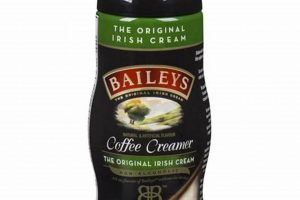
The concept involves a variation on a classic breakfast dish where the traditional milk and egg mixture used for soaking bread is enhanced with the addition of a flavored dairy product typically used to add richness and sweetness to coffee. This infusion imparts a distinct flavor profile and creamy texture to the finished product, offering a unique alternative to conventional recipes. As an illustration, vanilla-flavored liquid added to the egg mixture will yield a subtly sweet and aromatic version of the dish.
Incorporating this flavored element offers several advantages. It introduces convenience, eliminating the need for additional sweeteners or flavor extracts. It can also contribute to a richer, more decadent taste experience, enhancing the overall appeal of the breakfast or brunch item. Historically, experimentation with diverse flavorings in culinary applications has been a constant, reflecting a desire to personalize and elevate familiar recipes.
The subsequent sections will delve into specific preparation methods, flavor combinations, and potential nutritional considerations related to this culinary adaptation. Exploring variations, ingredient selection, and cooking techniques will further illuminate its possibilities and practical applications.
Preparation Tips
Optimizing results requires attention to specific details. The following guidelines offer insights for achieving superior outcomes in this culinary endeavor.
Tip 1: Bread Selection. Choose bread that is slightly stale. Stale bread absorbs the custard mixture more effectively without becoming overly soggy. Brioche or challah are excellent choices due to their rich flavor and sturdy texture.
Tip 2: Custard Consistency. Maintain a balanced ratio of eggs to liquid. Too many eggs will result in a dense, eggy texture. Too little will lead to a flat and uninteresting flavor profile. Adjust quantities based on the bread’s absorbency.
Tip 3: Soaking Time. Allow sufficient time for the bread to absorb the custard. However, avoid over-soaking, which can lead to a mushy final product. A timeframe of 15-20 seconds per side is generally adequate, but adjustments may be necessary based on the breads density.
Tip 4: Cooking Temperature. Cook over medium heat. High heat can cause the exterior to burn before the interior is fully cooked. Medium heat ensures even cooking and a golden-brown crust.
Tip 5: Butter Application. Use clarified butter or a high-smoke-point oil in the pan. This prevents the butter from burning and imparting a bitter flavor. Apply a thin, even layer to the pan before each batch.
Tip 6: Flavor Enhancements. Complement the flavor with additional spices. A dash of cinnamon, nutmeg, or cardamom can enhance the overall taste experience.
Tip 7: Serving Suggestions. Fresh fruit, maple syrup, or a dusting of powdered sugar provide complementary flavors and textures. These additions elevate the dish and enhance its visual appeal.
Adhering to these recommendations will contribute significantly to the quality and enjoyment of the dish. Proper technique and attention to detail are paramount.
The subsequent section will provide troubleshooting guidance, addressing common challenges encountered during preparation and offering potential solutions.
1. Flavor Infusion

The introduction of flavored dairy additions fundamentally alters the character of traditional breakfast preparation, imbuing it with nuanced profiles distinct from standard recipes. This infusion represents a deliberate act of culinary customization, transforming a familiar dish through carefully selected ingredients.
- Source Selection
The choice of dairy liquid significantly influences the final taste. Options range from classic vanilla to more unconventional flavors like hazelnut or caramel. Each imparts its unique aromatic and gustatory properties. A higher fat content in the selected liquid can contribute to a richer, more decadent product.
- Intensity Modulation
Concentration levels dictate the strength of the flavor. A greater proportion in the custard mixture results in a more pronounced taste. Adjusting the ratio allows for precise control, catering to individual preferences and dietary considerations.
- Synergistic Effects
Flavor interacts with other ingredients, such as spices and bread type, creating complex relationships. Cinnamon and nutmeg complement vanilla, while a robust rye bread may require a bolder, more assertive infusion to achieve balance.
- Impact on Texture
Dairy additions, depending on their composition, can impact the final texture of the cooked dish. Thicker dairy products will create a more creamy and rich finished food.
These elements collectively shape the sensory experience, transforming the familiar breakfast item into a tailored culinary creation. The strategic deployment of infused flavors elevates the simple dish from basic fare to a more complex and engaging culinary experience.
2. Custard Consistency

Custard consistency plays a crucial role in the successful execution of this dish. The custard mixture, typically composed of eggs, milk, and the coffee creamer in question, acts as the binding and flavoring agent that saturates the bread. An improperly balanced custard will directly influence the final product’s texture and taste. For instance, a custard with an insufficient egg content yields a soggy, undercooked interior, while excessive egg may result in a dense, rubbery texture. The addition of liquid impacts the overall mouthfeel and is essential in controlling moisture within the bread.
The selection and proportion of liquid are particularly significant when coffee creamer is incorporated. Creamers introduce not only flavor but also varying degrees of fat and sugar. A higher fat content tends to produce a richer, more decadent dish. Conversely, elevated sugar levels may lead to accelerated browning during cooking and a potentially overly sweet result. Consider the interplay of these elements is paramount to achieving desired taste and textural attributes. Using a thinner creamer, it may be necessary to reduce the amount of milk in the custard base. Whereas, if the creamer is a thicker consistency, more milk may need to be added.
Therefore, understanding and controlling custard consistency is not merely a matter of following a recipe; it requires an intuitive understanding of how the components interact and a willingness to adapt the recipe according to ingredient characteristics and desired outcomes. Achieving the ideal balance is fundamental to producing a product that is both palatable and texturally pleasing, ensuring the flavors and components coalesce into a cohesive whole, elevating the breakfast item beyond basic fare.
3. Bread Absorption

Bread absorption is a critical factor in the successful preparation of this recipe. The process dictates how effectively the bread soaks up the custard mixture, directly influencing the texture and overall palatability of the finished product. Insufficient absorption results in a dry, bland center, while excessive absorption leads to a soggy, undesirable consistency. The type of bread selected, its age, and the composition of the custard all contribute to this dynamic. For example, a day-old brioche, with its open crumb structure, will absorb significantly more custard than a dense, tightly-crumbed white bread. When utilizing a coffee creamer, its sugar and fat content further impact absorption rates. High sugar content may inhibit absorption initially, while the fat content can create a richer, more saturated texture upon cooking.
The impact of varying bread types is readily observable. Challah, known for its eggy richness and slightly sweet taste, readily absorbs the custard, resulting in a moist, flavorful center. In contrast, a crusty baguette requires a longer soaking time to achieve similar results. Furthermore, the consistency of the custard itself plays a crucial role. A thinner custard, with a higher liquid-to-egg ratio, will penetrate the bread more easily than a thicker, richer custard. Understanding these variables allows for precise adjustments to the soaking time, ensuring optimal saturation without compromising the bread’s structural integrity. Over-soaking, particularly with delicate breads, can lead to disintegration during cooking, rendering the final product unappealing.
In summary, managing bread absorption is paramount to achieving the desired texture. Selecting the appropriate bread type, adjusting the custard consistency based on the chosen creamer, and carefully controlling soaking time are essential steps. A thorough understanding of these interdependencies allows for consistent, high-quality results, transforming basic ingredients into a breakfast dish that offers a pleasing balance of texture and flavor. Failure to address these factors can lead to suboptimal outcomes, highlighting the practical significance of mastering this fundamental aspect of preparation.
4. Cooking Temperature
Cooking temperature serves as a critical control point in the successful preparation of this breakfast item. Precise regulation of heat is paramount to achieving the desired texture and preventing undesirable outcomes such as burning or undercooking.
- Exterior Browning and Caramelization
Optimal surface browning requires a moderate heat level. Excessive heat leads to rapid caramelization and potential burning of the sugars present in the coffee creamer and bread. Insufficient heat results in a pale, unappetizing appearance and a lack of desired textural contrast between the crispy exterior and the soft interior. For example, using a non-stick pan at medium heat will facilitate even browning. This promotes not only an attractive color but also enhances the overall flavor profile through Maillard reaction products.
- Interior Doneness
The internal temperature dictates the level of doneness in the bread. A low cooking temperature can result in a soggy, undercooked interior, as the egg custard fails to fully coagulate. Conversely, excessively high temperatures may lead to a dry, rubbery texture due to the rapid evaporation of moisture. For instance, a temperature of 325F (160C) allows the interior to cook thoroughly while preventing excessive browning. Monitoring the internal temperature, though not typically done, can ensure the bread is cooked through without being overdone.
- Pan Temperature Consistency
Maintaining a consistent pan temperature is crucial for uniform cooking. Fluctuations in temperature can cause uneven browning and variations in texture across different slices. Using a heavy-bottomed pan helps to distribute heat evenly and minimize temperature fluctuations. Regularly checking the pan temperature with an infrared thermometer ensures consistent cooking throughout the process.
- Effect of Coffee Creamer on Cooking Time
The presence of sugar and fat in coffee creamer can affect the cooking time. Higher sugar content accelerates browning, requiring a lower cooking temperature or shorter cooking time to prevent burning. The fat content, while contributing to richness, also affects heat transfer. Different creamers will interact differently with the bread and pan, adjusting cook times as necessary, and paying attention to bread color will prevent burning.
The intricate relationship between cooking temperature, ingredients, and technique highlights the importance of precise heat management. A mastery of cooking temperature is, therefore, a foundational skill in achieving consistently high-quality outcomes in this culinary application. Attention to these factors ensures a dish that is not only visually appealing but also offers a satisfying balance of textures and flavors.
5. Serving Variations
The presentation of this breakfast item is an integral component of the overall culinary experience. Modifying the accoutrements and additions to the dish allows for considerable personalization, transforming a standard recipe into a tailored gastronomic offering. Consideration of these serving variations enhances both the aesthetic appeal and the flavor profile of the final product.
- Fruit Complements
The addition of fresh or cooked fruit provides a contrasting texture and natural sweetness that balances the richness. Berries such as strawberries, blueberries, and raspberries offer a bright acidity, while sliced bananas or peaches contribute a softer, more mellow flavor. Fruit compotes, prepared with a reduction of fruit and sugar, can intensify these flavors. The choice of fruit, and its preparation, significantly impacts the perceived sweetness and complexity of the dish.
- Sweet Toppings
Beyond maple syrup, a range of sweet toppings can be employed. Honey provides a floral sweetness, while agave nectar offers a lower glycemic index alternative. Dustings of powdered sugar create a visually appealing finish. Caramel sauce adds a decadent, buttery flavor. The selection of sweetener influences the overall sweetness intensity and adds subtle flavor nuances. Additionally, chocolate syrup or a sprinkle of cocoa powder can provide a richer, more intense sweet counterpoint.
- Savory Counterpoints
Introducing savory elements creates a sophisticated flavor profile. A sprinkle of sea salt enhances the perceived sweetness through contrast. Crisped bacon or prosciutto offers a salty, umami-rich counterpoint. A dollop of mascarpone cheese provides a creamy, tangy dimension. The integration of savory components elevates the dish beyond a simple breakfast item, transforming it into a more complex and balanced culinary creation.
- Textural Elements
Variations in texture contribute significantly to the sensory experience. A sprinkle of chopped nuts, such as pecans or walnuts, provides a crunchy contrast to the soft bread. Toasted coconut flakes offer a subtle sweetness and a slightly chewy texture. Whipped cream adds a light, airy component. These textural elements prevent the dish from becoming monotonous and enhance its overall appeal.
These serving variations, when thoughtfully implemented, elevate the breakfast item from basic fare to a personalized culinary expression. The strategic selection and combination of toppings and accompaniments allow for a nuanced control over both the flavor profile and the textural experience, transforming a simple recipe into a versatile and adaptable culinary creation.
Frequently Asked Questions
The following section addresses common inquiries and potential concerns related to the preparation and consumption of this breakfast item. Information is presented in a concise and objective manner.
Question 1: Does the choice of coffee creamer flavor significantly impact the final taste?
Yes, the selected flavor profile directly influences the dish. Vanilla and hazelnut varieties impart subtle sweetness and aroma, while more unconventional options, such as salted caramel, introduce a distinct and potentially dominant flavor. Careful consideration should be given to flavor pairings to achieve desired culinary outcomes.
Question 2: Does using coffee creamer alter the cooking time or temperature requirements?
The presence of sugar and fat in the creamer can affect the cooking process. Higher sugar content promotes faster browning, necessitating a lower cooking temperature or reduced cooking time to prevent burning. The fat content contributes to richness but may require slight adjustments to achieve optimal browning and interior doneness.
Question 3: Is it possible to use sugar-free coffee creamer in the recipe?
Yes, sugar-free alternatives can be utilized. However, it is important to note that this may alter the final texture and flavor profile. Sugar contributes to browning and overall sweetness, so adjustments to other ingredients may be necessary to compensate for its absence.
Question 4: Can different types of bread be used interchangeably in the recipe?
While various bread types can be used, the choice of bread significantly impacts the final texture and absorption rate. Brioche and challah, with their rich flavor and open crumb structure, are often preferred. Denser breads, such as sourdough, may require longer soaking times to achieve optimal saturation.
Question 5: How does the fat content of the coffee creamer affect the finished product?
Higher fat content contributes to a richer, more decadent texture and can enhance the overall flavor. However, it also increases the caloric density of the dish. Individuals with dietary restrictions should consider using lower-fat or fat-free alternatives.
Question 6: Is there a way to prevent the finished dish from becoming soggy?
Preventing sogginess involves several factors. Selecting slightly stale bread, carefully controlling soaking time, and ensuring the cooking surface is sufficiently hot all contribute to a crisp exterior and a moist, not soggy, interior.
In summary, achieving optimal results hinges on understanding the interplay between ingredients, cooking techniques, and individual preferences. Careful consideration of these factors ensures a consistently high-quality culinary outcome.
The subsequent section will provide a comprehensive conclusion, summarizing key aspects and offering final recommendations.
Conclusion
The preceding discussion has examined the nuances associated with preparing a breakfast item with a specific dairy addition. The analysis underscored the critical role of ingredient selection, cooking technique, and serving variations in achieving optimal results. Specific consideration was given to the impact of sugar and fat content on browning, texture, and overall flavor profile. Bread type, custard consistency, and cooking temperature were identified as key variables requiring careful control.
Given the demonstrated complexity and potential for customization, a considered approach is advised. Further experimentation and refinement of techniques are encouraged to fully realize the potential of this culinary adaptation. Continued attention to ingredient quality and precise execution will ensure a consistent and satisfying outcome. The application of acquired knowledge will advance one’s culinary endeavors.