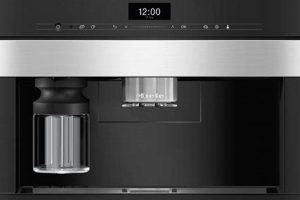
An automated beverage dispenser equipped with an integrated method for accepting financial transactions allows individuals to purchase coffee without requiring direct staff intervention. This typically involves a system that accepts various payment types, such as credit cards, mobile payments, or dedicated payment cards, and dispenses the selected coffee beverage upon successful transaction completion.
The implementation of such systems offers several advantages. Operational efficiency is enhanced through reduced labor costs and extended availability beyond standard business hours. Furthermore, such a setup can improve the customer experience by providing a convenient and rapid method for acquiring a coffee beverage. The concept evolved from simple vending machines, with technological advancements enabling more sophisticated beverage options and payment methods.
The following sections will explore specific aspects of these systems, including the various payment technologies employed, security considerations, maintenance requirements, and the impact on diverse operational environments.
Considerations for Integrating Automated Coffee Dispensing Units with Transaction Capabilities
The following offers guidance on selecting, deploying, and maintaining units that combine automated coffee dispensing with integrated payment mechanisms. Careful planning is essential for optimal performance and return on investment.
Tip 1: Assess Transaction Volume. Evaluate the anticipated number of daily transactions to determine the appropriate capacity and speed of the system. High-volume locations require robust hardware and efficient payment processing to minimize wait times.
Tip 2: Evaluate Payment Method Options. Consider the prevalent payment preferences of the target demographic. Integrate multiple payment options, including contactless cards, mobile payment apps, and potentially physical currency acceptance for broader accessibility.
Tip 3: Implement Robust Security Protocols. Prioritize security measures to protect against fraud and unauthorized access. Utilize encrypted payment gateways and secure data storage to safeguard customer financial information.
Tip 4: Ensure Regulatory Compliance. Adhere to all applicable regulations regarding payment processing and data privacy. Stay informed about evolving standards and update systems accordingly.
Tip 5: Establish a Preventative Maintenance Schedule. Develop a regular maintenance program to ensure optimal performance and minimize downtime. Regular cleaning, component inspection, and software updates are critical.
Tip 6: Provide Clear User Instructions. Offer concise and easily understandable instructions for operating the unit and completing transactions. Clear signage and intuitive interfaces enhance user experience.
Tip 7: Monitor Performance Metrics. Track key performance indicators, such as transaction volume, average transaction value, and system uptime. Analyze data to identify areas for optimization and improvement.
Tip 8: Secure Reliable Internet Connectivity. A stable internet connection is paramount for processing payment transactions, remote monitoring, and software updates. Implement redundant connectivity solutions for uninterrupted service.
Effective integration and management of automated coffee dispensing units with payment capabilities requires careful consideration of transaction volume, security protocols, maintenance requirements, and user experience. By adhering to these considerations, organizations can optimize the benefits of such systems.
The subsequent sections will delve into the operational aspects of managing these systems and strategies for maximizing their efficiency and profitability.
1. Transaction Security

Transaction security is a paramount concern in any system accepting financial transactions, and automated coffee dispensing units with integrated payment capabilities are no exception. Compromised transaction security can lead to financial losses, reputational damage, and erosion of customer trust. Therefore, implementing robust security measures is crucial for the reliable operation of these systems.
- Data Encryption
Data encryption involves converting sensitive information, such as credit card numbers, into an unreadable format during transmission and storage. This prevents unauthorized access to financial data if the system is compromised. Strong encryption algorithms, such as AES-256, should be employed to protect data at all points in the transaction process. For example, when a customer inserts a card, the card reader encrypts the data before sending it to the payment processor. Failing to implement effective data encryption exposes customer financial information to potential theft.
- Payment Card Industry (PCI) Compliance
PCI compliance refers to adherence to the Payment Card Industry Data Security Standard (PCI DSS), a set of security standards designed to protect cardholder data. Compliance requires implementing a range of security controls, including firewalls, intrusion detection systems, and regular security audits. An illustration involves regularly scanning the system for vulnerabilities and patching any security flaws. Non-compliance can result in significant fines and the inability to process credit card payments.
- Fraud Prevention Measures
Fraud prevention measures encompass a variety of techniques used to detect and prevent fraudulent transactions. This can include address verification, card verification value (CVV) checks, and transaction monitoring for suspicious activity. A practical example is flagging transactions originating from unusual geographic locations or exceeding predetermined spending limits. A lack of adequate fraud prevention measures increases the risk of accepting fraudulent payments, resulting in financial losses for the operator.
- Physical Security
Physical security involves protecting the dispensing unit from physical tampering and theft. This can include secure mounting, tamper-evident seals, and video surveillance. For example, installing a camera to monitor the unit and deter potential vandals or thieves. Neglecting physical security can lead to unauthorized access to the system and the theft of cash or payment card data.
These facets of transaction security are integral to maintaining the integrity and trustworthiness of automated coffee dispensing units with integrated payment systems. A comprehensive approach to security, encompassing data encryption, PCI compliance, fraud prevention, and physical security, is essential for mitigating risks and ensuring a secure payment environment.
2. Payment Integration

Successful deployment of automated coffee dispensing solutions hinges on seamless payment integration. The chosen payment methods, processing infrastructure, and security protocols directly affect user experience, operational efficiency, and overall profitability.
- Contactless Payment Technologies
Near-field communication (NFC) and other contactless technologies enable swift transactions via cards or mobile devices. This facilitates quicker service and reduces physical contact, improving customer convenience. An example is accepting Apple Pay or Google Pay, which streamlines the purchase process. Inadequate contactless payment support may deter customers who prioritize speed and ease of use.
- Payment Gateway Selection
The payment gateway acts as the intermediary between the coffee dispensing unit and the financial institution, securely processing transactions. Factors to consider include transaction fees, supported payment types, and integration compatibility. An illustration is choosing a gateway that offers competitive rates for micro-transactions. A poorly chosen payment gateway can result in higher processing costs or integration difficulties.
- Cashless Payment Options
Enabling cashless payment through systems like credit/debit cards, QR codes, or mobile wallets eliminates the need for physical currency. This reduces the risk of theft and simplifies reconciliation processes. An example is integrating a QR code payment system linked to a mobile banking app. A lack of cashless options can limit accessibility for customers who prefer digital payment methods.
- Loyalty Programs and Integration
Integration with loyalty programs incentivizes repeat business and allows for personalized offers. This can involve linking payment methods to loyalty accounts for automatic point accrual or discounts. An illustration is offering a free coffee after a certain number of purchases made through the integrated payment system. Failure to integrate loyalty programs can result in missed opportunities to build customer loyalty and increase sales.
The facets of payment integration described above directly influence the performance and customer appeal of the automated coffee dispensing unit. A well-designed and secure payment system enhances the overall user experience, while a poorly implemented one can lead to frustration and lost revenue. Proper planning and careful selection of payment technologies are, therefore, essential for maximizing the benefits of these systems.
3. Operational Efficiency

Operational efficiency, as it pertains to automated coffee dispensing units with integrated payment systems, is a critical factor in determining profitability and overall return on investment. The degree to which these systems can streamline operations, reduce labor costs, and minimize downtime directly impacts their economic viability.
- Reduced Labor Costs
Automated systems significantly decrease the need for dedicated personnel to prepare and serve coffee. This allows businesses to reallocate staff to other tasks or reduce overall labor expenses. For example, a convenience store implementing such a system can free up an employee previously assigned to coffee preparation to focus on customer service or inventory management. Without automation, businesses bear the ongoing cost of staffing a dedicated coffee station. The reduction of labor costs is one of the most tangible benefits. The reduction of labor is the most tangible benefits, and the implementation of this system is one of the best way to address it.
- Extended Availability
Automated systems can operate 24/7, providing coffee service outside of traditional business hours. This caters to customers seeking coffee at any time and increases potential revenue streams. An example would be a hospital or transportation hub where round-the-clock access to beverages is essential. Traditional coffee service is often limited by staffing schedules. The extended availability can be a major contributor to profit in such a business.
- Remote Monitoring and Management
Modern systems offer remote monitoring capabilities, allowing operators to track sales, inventory levels, and system performance from a central location. This facilitates proactive maintenance and timely restocking, minimizing downtime. A practical example is an operator receiving an alert when a coffee bean hopper is running low, enabling them to replenish it before the system runs out of coffee. Without remote monitoring, issues may go unnoticed, leading to service disruptions and lost revenue.
- Standardized Beverage Preparation
Automated systems ensure consistent beverage quality, eliminating variations in taste and preparation that can occur with manual processes. This improves customer satisfaction and reduces waste due to poorly prepared drinks. For instance, each cup of cappuccino will have the same ratio of coffee to milk, regardless of who is operating the machine. Inconsistent beverage quality can negatively impact customer loyalty and brand reputation.
The elements of operational efficiency outlined above demonstrate how automated coffee dispensing units with integrated payment systems can offer significant advantages over traditional coffee service models. By optimizing labor costs, extending availability, enabling remote management, and ensuring consistent product quality, these systems contribute to increased profitability and enhanced customer satisfaction.
4. Maintenance Requirements

Consistent upkeep is paramount for the sustained functionality and reliability of automated coffee dispensing units incorporating payment mechanisms. These systems, by their nature, integrate both mechanical brewing components and electronic transaction processing elements, necessitating a multifaceted approach to maintenance.
- Cleaning and Sanitation Protocols
Regular cleaning is essential to prevent the buildup of coffee residue, milk solids, and other contaminants that can affect beverage quality and system performance. Scheduled cleaning cycles, descaling procedures, and sanitization protocols must be implemented to maintain hygiene and prevent bacterial growth. For example, daily cleaning of milk frothers and weekly descaling of the brewing unit are necessary. Neglecting these protocols results in compromised beverage quality, potential health hazards, and accelerated component degradation.
- Component Inspection and Replacement
Periodic inspection of critical mechanical and electronic components is crucial to identify signs of wear and tear, impending failure, or compromised performance. Key components such as pumps, heating elements, grinders, and payment terminals should be regularly checked and replaced as needed. An illustration involves replacing worn grinder burrs to maintain consistent coffee particle size. Failure to conduct timely component inspections leads to unexpected system downtime and costly repairs.
- Payment System Software Updates
Payment system software requires regular updates to address security vulnerabilities, ensure compliance with evolving payment card industry standards, and maintain compatibility with new payment technologies. These updates often include security patches, feature enhancements, and bug fixes. An illustration involves updating the payment terminal software to support new contactless payment protocols. Neglecting software updates leaves the system vulnerable to security breaches and payment processing errors.
- Preventive Maintenance Schedules
The establishment of a structured preventive maintenance schedule is critical for maximizing system uptime and minimizing the risk of unexpected breakdowns. This schedule should outline specific maintenance tasks, their frequency, and the responsible personnel. For example, lubrication of moving parts, inspection of electrical connections, and calibration of sensors should be included in the maintenance schedule. The lack of a comprehensive preventative maintenance plan leads to reactive repairs, increased downtime, and a shortened system lifespan.
Effective management of maintenance requirements is crucial for maximizing the operational lifespan and profitability of automated coffee dispensing units with integrated payment capabilities. Adherence to cleaning protocols, proactive component inspection, timely software updates, and the implementation of a structured preventive maintenance schedule contribute to enhanced system reliability, reduced downtime, and improved customer satisfaction.
5. User Experience
User experience constitutes a critical determinant in the successful deployment and adoption of automated coffee dispensing systems equipped with integrated payment functionalities. A positive user experience fosters customer satisfaction, encourages repeat usage, and ultimately contributes to the profitability of the operation. Conversely, a poorly designed or implemented system can lead to frustration, abandonment, and negative perceptions of the establishment.
- Interface Intuitiveness
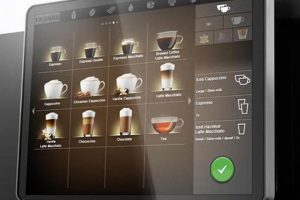
The system interface must be intuitive and easy to navigate, enabling users to quickly select their desired beverage and complete the payment process without confusion or delays. Clear instructions, logical menu layouts, and responsive touchscreens are essential. An example involves a touchscreen display that guides users through the selection process with simple graphics and concise text. A convoluted interface requiring multiple steps or ambiguous instructions can discourage users and lead to abandoned transactions.
- Payment Process Efficiency
The payment process must be streamlined and efficient, minimizing the time required to complete a transaction. Support for various payment methods, including contactless cards, mobile payments, and potentially cash, is crucial for accommodating diverse user preferences. An illustration is a system that allows users to quickly scan their mobile wallet and confirm the payment with a single tap. A lengthy or cumbersome payment process, particularly during peak hours, can result in long queues and customer dissatisfaction.
- System Reliability and Speed
The system must be reliable and operate quickly, dispensing beverages promptly and processing payments without errors. Frequent system crashes, slow response times, or payment processing failures can severely undermine user confidence. A practical example is a system that dispenses a freshly brewed coffee in under a minute with a guaranteed successful payment transaction. Unreliable systems lead to user frustration and a reluctance to use the machine again.
- Accessibility Considerations
The system must be accessible to users with disabilities, adhering to accessibility guidelines and regulations. This includes providing alternative input methods, such as voice control or tactile buttons, and ensuring that the interface is compatible with screen readers. An example is a system with adjustable height settings and audio cues to assist visually impaired users. Failure to address accessibility considerations can exclude a significant portion of the population and violate accessibility standards.
These facets of user experience collectively contribute to the overall perception and success of automated coffee dispensing systems with integrated payment solutions. A focus on intuitiveness, efficiency, reliability, and accessibility is essential for creating a positive and engaging user experience that encourages adoption and fosters customer loyalty.
6. Data Analytics

The integration of data analytics into coffee dispensing units equipped with payment systems provides operators with insights essential for optimizing operations, enhancing customer satisfaction, and maximizing profitability. The data generated by these systems, encompassing sales transactions, beverage preferences, and system performance metrics, offers a granular view of consumer behavior and operational efficiency.
- Sales Trend Analysis
Analysis of sales data reveals patterns in beverage popularity, purchase times, and payment method preferences. For example, identifying a peak demand for lattes during morning commute hours allows for optimized inventory management and staffing. The ability to discern these trends enables informed decisions regarding product offerings, pricing strategies, and promotional campaigns, ultimately driving revenue growth.
- Inventory Management Optimization
Data analytics facilitates precise inventory management by tracking consumption rates and predicting future demand. Monitoring coffee bean levels, milk usage, and cup inventory enables operators to minimize waste and ensure adequate stock levels. An instance is the system alerting the operator when the supply of a particular coffee bean is nearing depletion, preventing stockouts and lost sales opportunities. Efficient inventory management reduces holding costs, minimizes spoilage, and ensures product availability.
- Customer Preference Identification
The analysis of transaction data provides insights into customer preferences, including preferred beverage types, customization options, and payment methods. Identifying that a specific demographic consistently opts for non-dairy milk alternatives allows for targeted marketing and promotional efforts. Understanding customer preferences enables the operator to personalize offerings, enhance customer loyalty, and increase sales.
- Predictive Maintenance and Downtime Reduction
Data analysis facilitates predictive maintenance by monitoring system performance metrics, such as brewing time, pump pressure, and component temperature. Identifying anomalies or deviations from normal operating parameters enables proactive maintenance and prevents unexpected breakdowns. As an illustration, a system may detect increased brewing time, indicating a potential issue with the grinder, prompting preventative maintenance to avoid equipment failure and service disruption. Reducing downtime is essential for maximizing revenue and customer satisfaction.
The application of data analytics to coffee dispensing units with integrated payment systems transcends simple sales tracking. It provides a comprehensive framework for optimizing every facet of the operation, from inventory management and product offerings to customer engagement and system maintenance. The insights derived from data analytics empower operators to make informed decisions, enhance efficiency, and deliver a superior customer experience.
Frequently Asked Questions
The following addresses common inquiries regarding automated coffee dispensing units equipped with integrated payment systems. Information presented aims to clarify operational aspects, technological considerations, and overall benefits.
Question 1: What security measures are implemented to safeguard financial transactions?
These systems employ robust security protocols, including end-to-end encryption, adherence to PCI DSS compliance standards, and fraud prevention mechanisms. Physical security measures, such as tamper-evident enclosures and surveillance systems, are also incorporated to protect against unauthorized access.
Question 2: What types of payment methods are typically supported?
Modern systems accommodate a wide range of payment options, encompassing contactless credit and debit cards, mobile payment platforms (e.g., Apple Pay, Google Pay), QR code-based payments, and, in some cases, physical currency acceptance.
Question 3: What is the typical maintenance schedule for such systems?
Maintenance schedules vary depending on system usage and environmental factors. However, a general schedule involves daily cleaning of brewing components, weekly descaling procedures, monthly inspection of mechanical parts, and periodic software updates for the payment processing system.
Question 4: How is beverage quality ensured in automated dispensing systems?
Consistent beverage quality is achieved through precise calibration of brewing parameters, automated dispensing of ingredients, and regular cleaning of components. Some systems also incorporate quality control sensors to monitor beverage characteristics and make adjustments as needed.
Question 5: What data analytics capabilities are offered by these systems?
Many systems provide data analytics dashboards that track sales trends, inventory levels, customer preferences, and system performance metrics. This data enables operators to optimize product offerings, streamline inventory management, and identify potential maintenance needs.
Question 6: How does remote monitoring contribute to operational efficiency?
Remote monitoring allows operators to track system status, receive alerts regarding low inventory or equipment malfunctions, and remotely adjust system parameters. This proactive approach minimizes downtime, reduces the need for on-site inspections, and improves overall operational efficiency.
The information above provides a concise overview of key considerations regarding automated coffee dispensing units with integrated payment systems. Understanding these aspects enables informed decision-making and optimized utilization of the technology.
The following sections will examine emerging trends and future developments in the realm of automated beverage dispensing.
Conclusion
This exploration of the coffee machine with payment system has illuminated the multifaceted aspects of these automated solutions. From transaction security and payment integration to operational efficiency, maintenance requirements, user experience, and data analytics, each facet contributes to the overall effectiveness and value proposition of these systems. Careful consideration of these elements is crucial for successful implementation and long-term performance.
The continued evolution of technology promises further advancements in automated beverage dispensing. Ongoing assessment of emerging trends and adaptation to evolving consumer preferences are essential to maximize the potential of the coffee machine with payment system. Organizations are encouraged to conduct thorough needs assessments and carefully evaluate available options to ensure that the chosen solution aligns with their specific requirements and operational objectives.
![Best Vintage: Retro Style Coffee Machine [Guide] | The Ultimate Coffee Guide: Types, Brewing Methods & Best Beans](https://deacoffee.com/wp-content/uploads/2026/02/th-157-300x200.jpg "Best Vintage: Retro Style Coffee Machine [Guide] The Ultimate Coffee Guide: Types, Brewing Methods & Best Beans")
![Why Miele Built-In Coffee Machine is Best? [Year] | The Ultimate Coffee Guide: Types, Brewing Methods & Best Beans](https://deacoffee.com/wp-content/uploads/2026/02/th-114-300x200.jpg "Why Miele Built-In Coffee Machine is Best? [Year] The Ultimate Coffee Guide: Types, Brewing Methods & Best Beans")