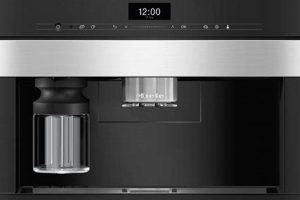
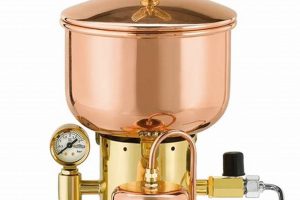
Brewing tea using equipment primarily designed for coffee preparation is a practice with varied outcomes. While seemingly convenient, employing such devices to produce the beverage can result in flavor alterations. The residue and oils inherent in coffee beans often impart unwanted tastes to the brewed infusion. Additionally, temperature control, vital for optimal tea extraction, is not always precisely calibrated in coffee machines, potentially leading to under- or over-extraction of tea leaves.
The appeal of this method lies in its simplicity and speed, particularly for those already owning a coffee maker. Individuals may find it a suitable solution for quickly preparing a single cup. Historically, alternative methods of tea preparation, such as kettles and teapots, have been favored due to their capacity to deliver a cleaner, more nuanced taste profile. The absence of coffee residue and the ability to precisely regulate water temperature contribute to a superior end product.
The following sections will delve into the specific challenges and best practices associated with utilizing these multi-purpose appliances. Furthermore, it will explore alternative techniques for achieving optimal tea quality and examine the long-term maintenance considerations when both coffee and tea are processed in the same device. Strategies for mitigating flavor contamination and ensuring equipment longevity will also be addressed.
Optimizing Tea Preparation with Coffee Machines
Achieving satisfactory results when preparing tea with devices designed for coffee requires specific techniques and a commitment to cleanliness. Addressing potential issues such as flavor contamination and temperature control is crucial for a palatable beverage.
Tip 1: Thoroughly Clean the Machine: Before each use, meticulously clean the coffee maker to remove any residual coffee oils or grounds. Utilize a dedicated cleaning solution designed for coffee machines and rinse thoroughly multiple times with fresh water. Neglecting this step will invariably result in a compromised tea flavor profile.
Tip 2: Employ Filter Bags or Tea Balls: Avoid directly placing loose-leaf tea into the machine’s filter basket. Instead, use disposable tea bags or reusable tea balls. This prevents tea leaves from clogging the machine and simplifies the cleaning process. Choose a filter bag size appropriate for the desired brew strength and water volume.
Tip 3: Utilize Filtered Water: The quality of the water significantly impacts the final taste. Employ filtered water to minimize the presence of minerals and impurities that can interfere with the tea’s natural flavors. Consider using a water filter pitcher or a water filtration system connected to the water supply.
Tip 4: Monitor Water Temperature: While many coffee machines lack precise temperature control, selecting a lower temperature setting, if available, is recommended. Optimal tea brewing temperatures vary by tea type; generally, green and white teas benefit from lower temperatures (around 170-185F), while black and herbal teas require higher temperatures (around 200-212F). Experiment to find the ideal setting for the desired tea.
Tip 5: Shorten Brew Time: Unlike coffee, prolonged brewing of tea can lead to bitterness. Monitor the brewing process and stop it manually once the desired strength is achieved. A shorter brewing time is generally preferable to over-extraction, particularly for delicate tea varieties.
Tip 6: Dedicate a Machine Solely to Tea: If frequent tea consumption is anticipated, consider designating a separate coffee machine specifically for brewing tea. This eliminates the risk of cross-contamination from coffee and simplifies the cleaning process. A basic, inexpensive model is often sufficient for this purpose.
By implementing these tips, the drawbacks associated with utilizing a coffee machine for tea preparation can be significantly minimized. Focus on cleanliness, temperature control, and appropriate brewing techniques to achieve a more enjoyable and flavorful tea experience.
The subsequent sections will further explore specialized tea-making equipment and address troubleshooting common issues encountered when adapting coffee machines for tea brewing.
1. Flavor contamination risk

The introduction of tea brewing into a device primarily intended for coffee creates a potential avenue for flavor contamination. Coffee oils and residue, inherently present in coffee machines, can transfer to the tea infusion, altering its intended taste profile and reducing its quality. This risk necessitates careful consideration and preventative measures.
- Porous Material Absorption
Components within coffee machines, particularly plastic reservoirs and rubber tubing, can absorb and retain coffee oils over time. These materials release the absorbed oils during subsequent tea brewing, leading to subtle yet noticeable flavor alterations. Repeated use further exacerbates this absorption process.
- Residual Grounds and Oil Accumulation
Even with regular cleaning, minute coffee grounds and oil deposits can accumulate in the machine’s internal mechanisms, such as the brewing chamber and dispensing nozzle. These remnants directly contaminate the tea during the brewing process, imparting a distinct coffee flavor.
- Cleaning Agent Interference
Aggressive cleaning agents, utilized to remove stubborn coffee residue, can themselves leave residual tastes if not thoroughly rinsed. These cleaning agent flavors, coupled with lingering coffee notes, can negatively impact the tea’s delicate flavor profile.
- Filter Basket Retention
The filter basket, designed for coffee grounds, often retains coffee particles within its mesh or porous structure. These particles, even after cleaning, can leach into the tea during the brewing process, creating a noticeable flavor contamination.
Minimizing the “Flavor contamination risk” requires rigorous cleaning protocols and, ideally, the use of dedicated equipment. The extent of flavor transfer depends on the frequency of coffee use, the machine’s material composition, and the thoroughness of cleaning practices. While complete elimination of flavor contamination may be challenging, implementing careful cleaning and preventative techniques can improve the quality of “coffee machine tea”.
2. Temperature inconsistency

Temperature inconsistency represents a significant challenge when adapting coffee machines for tea brewing. Unlike dedicated tea kettles or temperature-controlled water heaters, coffee machines often lack the precision required for optimal tea extraction. The water temperature may fluctuate during the brewing cycle, or the machine may operate at a temperature consistently outside the ideal range for specific tea varieties. This imprecision directly affects the quality of the resultant beverage, potentially leading to under-extraction, resulting in a weak and flavorless tea, or over-extraction, which can produce a bitter and astringent taste. For instance, green teas, which require lower temperatures (approximately 170-185F), are particularly susceptible to over-extraction in coffee machines that consistently operate at higher temperatures. Similarly, black teas, optimally brewed around 200-212F, may be under-extracted if the machine fails to reach a sufficiently high temperature.
The impact of “Temperature inconsistency” extends beyond the immediate taste. Precise temperature control is crucial for releasing the desired aroma compounds and beneficial antioxidants from tea leaves. Erratic temperature ranges can inhibit the release of these components, diminishing the overall sensory experience and potentially reducing the health benefits associated with tea consumption. Practical implications include consumer dissatisfaction and the inefficient utilization of tea leaves. Individuals may be compelled to discard poorly brewed batches, leading to wastage and increased expenses. The absence of consistent temperature control also complicates the standardization of brewing procedures, making it difficult to replicate desirable results consistently.
In conclusion, “Temperature inconsistency” is a critical factor impacting the quality and consistency of “coffee machine tea”. The lack of precise temperature regulation inherent in many coffee machines can lead to sub-optimal extraction, affecting flavor, aroma, and potential health benefits. Addressing this inconsistency through careful monitoring, machine modifications (where possible), or a preference for dedicated tea-making equipment is essential for achieving satisfactory tea brewing results. The understanding of this limitation encourages a more informed approach to tea preparation when utilizing multi-purpose appliances.
3. Machine cleaning frequency

The frequency with which a coffee machine is cleaned directly correlates with the quality and taste of tea prepared within the same device. Insufficient cleaning intervals allow coffee oils, grounds, and mineral deposits to accumulate, leading to flavor contamination and potential equipment malfunction. This accumulation affects the taste of “coffee machine tea,” imparting a coffee flavor or a generally stale and unpleasant taste profile. Neglecting regular cleaning also creates an environment conducive to bacterial growth, posing a potential health risk. For example, calcium buildup in the water reservoir reduces heating efficiency, increasing brewing time and potentially altering the taste of the tea. A machine used daily for both coffee and tea should ideally undergo a thorough cleaning process, including descaling, at least once per month, or more frequently depending on water hardness and usage volume.
Adhering to a strict cleaning schedule involves more than just rinsing components with water. Specialized cleaning solutions designed to dissolve coffee oils and mineral deposits are essential. These solutions should be used according to the manufacturer’s instructions, followed by thorough rinsing to prevent residue from affecting subsequent brews. Failure to properly rinse can result in a chemical taste contaminating the tea. Furthermore, components such as the filter basket and carafe require diligent scrubbing to remove stubborn stains and residue. Consider, for instance, the steam wand present in some coffee machines; if not cleaned regularly, milk residue can accumulate and affect the taste of both coffee and tea.
In summary, maintaining a high “Machine cleaning frequency” is paramount when preparing “coffee machine tea”. Regular cleaning not only prevents flavor contamination and ensures a more palatable beverage, but also prolongs the lifespan of the equipment. Addressing cleaning needs proactively protects consumers from unwanted tastes, potential health hazards, and costly repairs, reinforcing the importance of integrating a diligent cleaning protocol into routine tea preparation practices.
4. Leaf particle management
Effective leaf particle management is crucial when using coffee machines to brew tea. The design of these appliances, optimized for coffee grounds, presents specific challenges related to tea leaf containment and filtration, significantly impacting the quality and clarity of the resulting infusion.
- Clogging and Machine Functionality
Fine tea particles, particularly from broken or fannings-grade leaves, can readily pass through the larger filter openings typical of coffee machines. This can lead to clogging of the machine’s internal components, disrupting water flow and potentially causing malfunctions. Repair expenses can be avoided by selecting tea types appropriate for a coffee machine’s filter or using additional filter.
- Sediment in Brewed Tea
Even when clogging is avoided, tea leaves that escape filtration result in sediment within the brewed tea. This sediment detracts from the drinking experience, creating a gritty texture and impacting the tea’s visual appeal. Consuming such infusions may be unappealing to users accustomed to clear tea.
- Flavor Over-Extraction
The prolonged contact between fine tea particles and hot water within the coffee machine’s brewing chamber can lead to over-extraction. Over-extraction releases undesirable tannins and bitter compounds, negatively impacting the tea’s flavor profile. An optimal process is to manage leaf extraction and flavor.
- Filter Bag and Infuser Selection
Employing tea bags or reusable tea infusers becomes essential for effective leaf particle management when using coffee machines. These methods provide a physical barrier that prevents leaf particles from entering the machine’s internal components and contaminating the final brew. Tea bags simplify cleanup, while infusers offer an environmentally conscious option for managing waste.
In conclusion, proficient leaf particle management is indispensable for optimizing the preparation of “coffee machine tea.” Proper techniques and equipment choices, such as utilizing filter bags or infusers, mitigate clogging, minimize sediment, and prevent over-extraction, ultimately contributing to a more enjoyable and satisfactory tea-drinking experience. Managing tea leaves leads to a good process.
5. Brew strength control

Brew strength control is a critical factor in determining the final quality of tea prepared using a coffee machine. Unlike dedicated tea brewing equipment, coffee machines often lack the precision required for optimal brew strength adjustment. The primary challenge lies in regulating the water-to-tea ratio and the brewing time, both of which directly influence the concentration of dissolved solids in the finished beverage. Insufficient brew strength results in a weak, watery tea with minimal flavor and aroma, while excessive brew strength produces a bitter, astringent taste due to the over-extraction of tannins. For example, using the same water volume and brewing time for a delicate white tea as one would for a robust black tea invariably leads to unsatisfactory results; the white tea will likely be bitter, while the black tea may be too weak.
Achieving adequate brew strength control when preparing “coffee machine tea” necessitates careful consideration of several parameters. The amount of tea used per unit of water must be adjusted according to the type of tea and the desired intensity. Shorter brewing times are generally recommended to avoid over-extraction, particularly for green and white teas. Experimentation is crucial to determine the optimal combination of tea quantity and brewing time for a specific coffee machine model, as variations in water temperature and flow rate can influence the extraction process. Pre-portioned tea bags offer a degree of convenience, but may not provide the flexibility needed to fine-tune brew strength to individual preferences. The lack of real-time extraction monitoring, common in dedicated tea brewing devices, often requires manual intervention to halt the brewing process at the appropriate moment.
In conclusion, the absence of precise brew strength control mechanisms in standard coffee machines presents a significant obstacle to producing high-quality tea. While careful manipulation of tea quantity, brewing time, and water volume can partially mitigate this limitation, consistent results may be difficult to achieve without specialized equipment. A thorough understanding of the factors influencing brew strength, coupled with a willingness to experiment, is essential for optimizing the preparation of “coffee machine tea”. Understanding tea type helps determine the right brew strength.
6. Water quality importance

The quality of water employed in the brewing process significantly impacts the characteristics of the final tea product, irrespective of the brewing apparatus. When preparing tea using a coffee machine, the influence of water quality becomes even more pronounced due to the potential for existing mineral deposits and other contaminants within the machine to interact with the water and further alter the tea’s flavor profile. Water hardness, measured by the concentration of calcium and magnesium ions, directly affects tea extraction. Hard water can inhibit the proper extraction of flavor compounds, resulting in a weak and muted taste. Conversely, overly soft water may lead to an excessively acidic brew. Municipal water supplies often contain chlorine or chloramine, added as disinfectants, which can impart an unpleasant chemical taste to the tea. Even seemingly minor impurities, such as dissolved organic matter, can contribute to off-flavors and cloudiness. The use of unfiltered tap water in coffee machines over time leads to mineral buildup, which not only affects the machine’s performance but also contributes to inconsistent and degraded tea quality. The interplay between these water characteristics and any coffee residue within the machine creates a complex mixture that can substantially deviate from the intended tea flavor.
Employing filtered water mitigates many of these issues. Filtration systems, such as activated carbon filters, effectively remove chlorine, chloramine, sediment, and some dissolved organic compounds, resulting in a cleaner and more neutral-tasting water. This, in turn, allows the tea’s natural flavors to emerge more fully. In regions with particularly hard water, the use of water softeners or specialized filtration systems designed to remove calcium and magnesium ions may be necessary. Bottled water, while an alternative, is not always a guaranteed solution, as its mineral content and pH can vary significantly between brands. Regardless of the water source, regular descaling of the coffee machine is essential to remove mineral deposits that accumulate over time. Descaling solutions, typically citric acid or vinegar-based, dissolve these deposits, improving the machine’s performance and preventing them from leaching into the tea. Proper descaling, combined with the consistent use of high-quality water, provides a foundation for producing more palatable and consistent tea when using a coffee machine.
In conclusion, water quality plays a pivotal role in determining the overall quality and taste of “coffee machine tea”. The complex interplay between water characteristics, existing machine residue, and the tea leaves necessitates a proactive approach to water filtration and machine maintenance. By prioritizing water quality and implementing regular cleaning protocols, one can significantly enhance the flavor, aroma, and overall enjoyment of tea prepared using a coffee machine. The choice of water can transform basic tea to a delightful drink, especially using a coffee machine.
7. Equipment limitations
The functionality of a coffee machine, designed primarily for coffee extraction, imposes inherent limitations on the quality of tea that can be produced. These limitations stem from the machine’s design parameters, which are optimized for coffee brewing and may not align with the specific requirements of tea preparation. Understanding these restrictions is crucial for managing expectations and optimizing results when preparing “coffee machine tea”.
- Fixed Temperature Ranges
Coffee machines typically operate within a relatively narrow temperature range, optimized for coffee extraction. This range may not be suitable for all types of tea, as different tea varieties require different brewing temperatures. Green tea, for instance, benefits from lower temperatures (170-185F) to prevent bitterness, while black tea requires higher temperatures (200-212F) for optimal flavor extraction. The inability to adjust the water temperature precisely limits the user’s ability to tailor the brewing process to specific tea types, often resulting in a compromised flavor profile. A consistent temperature isn’t tailored to all teas.
- Inadequate Filtration Systems
The filtration systems in coffee machines are designed to trap relatively coarse coffee grounds. Tea leaves, particularly smaller grades like fannings or dust, can easily pass through these filters, resulting in sediment in the brewed tea. This sediment detracts from the drinking experience and can also contribute to over-extraction, as the fine particles remain in contact with the hot water for an extended period. The coffee filter will not separate all tea leaves.
- Preset Brewing Cycles
Coffee machines typically operate on preset brewing cycles, designed to deliver a specific volume of water over a defined period. These cycles may not be optimal for tea brewing, as different tea types require varying steeping times. Over-extraction, leading to bitterness, is a common issue when tea is subjected to prolonged brewing cycles designed for coffee. Therefore one must manage the cycles.
- Flavor Cross-Contamination
Even with thorough cleaning, residual coffee oils and flavors can persist within the machine, particularly in porous components like plastic reservoirs and tubing. This cross-contamination can impart an unwanted coffee flavor to the tea, masking its delicate nuances and detracting from its intended taste profile. Residual coffee can ruin tea’s delicate flavor.
These equipment-related constraints highlight the compromises inherent in using a coffee machine for tea preparation. While the convenience of a multi-purpose appliance is undeniable, achieving optimal tea quality often requires specialized equipment designed specifically for tea brewing. Understanding these “Equipment limitations” allows for informed decision-making and the implementation of strategies to mitigate their impact on the final product of “coffee machine tea”.
Frequently Asked Questions
The following questions address common concerns and clarify misconceptions regarding the preparation of tea using coffee machines.
Question 1: Is brewing tea in a coffee machine generally recommended?
The suitability of utilizing a coffee machine for tea preparation depends on individual preferences and priorities. While convenient, this method may compromise the tea’s flavor and quality compared to dedicated tea-brewing equipment. Understanding potential limitations is essential.
Question 2: How can coffee flavor contamination be minimized when brewing tea in a coffee machine?
Thorough cleaning of the machine before each use is paramount. Employing specialized coffee machine cleaning solutions and multiple rinsing cycles helps remove residual coffee oils and grounds that can alter the tea’s taste.
Question 3: What type of tea is best suited for coffee machine preparation?
Tea types that tolerate higher water temperatures, such as black tea and certain herbal infusions, may be more suitable for coffee machines due to their often-limited temperature control. Delicate teas, like green tea, are more susceptible to bitterness at elevated temperatures.
Question 4: Does the type of coffee machine (drip, pod, etc.) affect the quality of the tea produced?
Yes, the brewing mechanism and temperature control capabilities of different coffee machine types can influence the final tea product. Drip machines may be less precise than pod machines, which can offer more controlled brewing parameters.
Question 5: Can using tea bags instead of loose-leaf tea improve the results?
Tea bags can simplify the process and reduce the risk of loose tea leaves clogging the machine. However, the quality of tea within the bag remains a significant factor. Using high-quality tea bags is advised.
Question 6: What are the long-term maintenance considerations for coffee machines used to brew both coffee and tea?
Regular descaling is crucial to remove mineral deposits, regardless of whether the machine is used solely for coffee or for both coffee and tea. Additionally, inspecting and cleaning individual components, such as the filter basket and water reservoir, helps prevent flavor contamination and prolongs the machine’s lifespan.
Achieving satisfactory “coffee machine tea” depends on a commitment to cleanliness, an understanding of the machine’s limitations, and careful selection of tea types and brewing techniques. The trade-off between convenience and optimal tea quality must be considered.
The following section provides information on alternative methods for brewing tea.
Conclusion
This exploration has provided a detailed analysis of “coffee machine tea,” outlining the challenges and compromises associated with utilizing equipment designed for coffee preparation to brew tea. Factors such as flavor contamination, temperature inconsistencies, and equipment limitations have been addressed. Strategies for mitigation, including meticulous cleaning protocols, tea selection, and brewing adjustments, have been presented to improve the quality of the beverage.
Despite the potential for acceptable results, employing coffee machines for tea should be approached with awareness of the inherent limitations. The informed consumer can weigh the convenience of this method against the potential for a diminished tea experience. Ultimately, the decision rests on individual preferences and the prioritization of optimal flavor extraction. Dedicated tea-brewing methods remain the standard for achieving the most nuanced and authentic tea preparation.
![Best Vintage: Retro Style Coffee Machine [Guide] | The Ultimate Coffee Guide: Types, Brewing Methods & Best Beans](https://deacoffee.com/wp-content/uploads/2026/02/th-157-300x200.jpg "Best Vintage: Retro Style Coffee Machine [Guide] The Ultimate Coffee Guide: Types, Brewing Methods & Best Beans")
![Why Miele Built-In Coffee Machine is Best? [Year] | The Ultimate Coffee Guide: Types, Brewing Methods & Best Beans](https://deacoffee.com/wp-content/uploads/2026/02/th-114-300x200.jpg "Why Miele Built-In Coffee Machine is Best? [Year] The Ultimate Coffee Guide: Types, Brewing Methods & Best Beans")