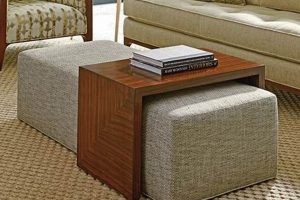
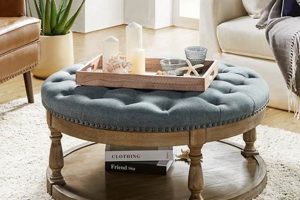
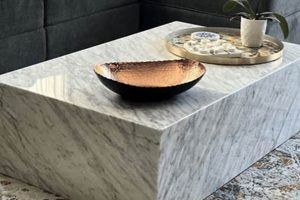
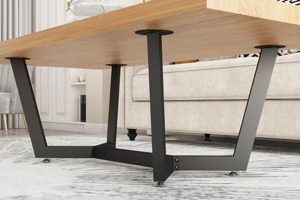
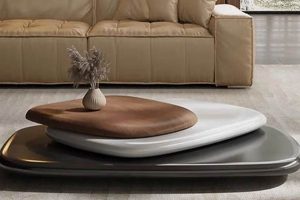
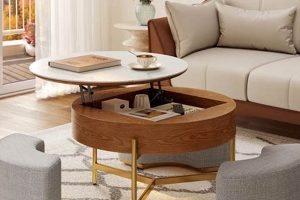
These furniture pieces are sets of two or more tables designed to fit partially or wholly beneath one another. This design provides flexible surface space in living areas, allowing for a compact arrangement when not fully in use and expanded functionality when needed. Characterized by clean lines, geometric shapes, and a focus on functionality, these tables often incorporate materials such as glass, metal, and engineered wood.
The appeal of this type of furniture lies in its space-saving capabilities and adaptability. It offers a practical solution for smaller living spaces or areas where versatility is desired. Historically, nesting tables have evolved from simpler designs to reflect contemporary aesthetics and manufacturing techniques, incorporating a wide array of styles to complement diverse interior design schemes. Their benefit extends to temporary surface needs, such as parties or gatherings, where additional space is instantly accessible.
Further exploration of this furniture category includes an examination of the various materials employed in their construction, the diverse range of styles available, and practical considerations for selecting sets that best suit individual needs and spatial constraints.
Selecting Appropriate Nesting Coffee Tables
The selection of appropriate units requires careful consideration of several factors to ensure optimal functionality and aesthetic integration within the designated space.
Tip 1: Assess Spatial Requirements: Evaluate the dimensions of the intended area to determine the maximum size of the fully expanded set and the minimum footprint when nested. This prevents overcrowding and ensures ease of movement.
Tip 2: Material Compatibility: Consider the existing furniture and dcor. Match or complement the materials used, such as metal frames with glass tops in a minimalist setting, or wooden surfaces in a more traditional environment. Avoid clashing textures or finishes.
Tip 3: Height Considerations: Ensure the height of the largest table is appropriate for the seating arrangement. Ideally, it should be level with or slightly lower than the seat cushions of sofas or chairs to facilitate convenient placement of items.
Tip 4: Structural Integrity: Inspect the construction quality. Joints should be secure, surfaces even, and the overall structure stable. This ensures longevity and prevents potential hazards.
Tip 5: Nesting Mechanism: Evaluate the smoothness and ease of the nesting process. Tables should slide in and out without excessive friction or noise. A well-designed mechanism enhances usability and prevents damage.
Tip 6: Style Cohesion: Align the table’s design with the overall style of the room. Options range from sleek, minimalist forms to more ornate, decorative pieces. Consistency in style creates a harmonious aesthetic.
Tip 7: Functionality Assessment: Determine the primary intended use. If frequent repositioning is anticipated, consider models with lightweight construction or integrated handles. If durability is paramount, prioritize robust materials and construction.
Proper selection enhances both the functional utility and the aesthetic appeal of the living space, providing adaptable surface area while complementing the existing decor.
The subsequent sections will delve into the specific materials commonly used in their manufacture, offering a more detailed analysis of their respective properties and suitability.
1. Space Optimization
Space optimization, a primary driver in contemporary interior design, directly influences the popularity and functionality of such furniture. The inherent design allows for a reduction in the furniture’s footprint when surface area requirements are minimal. This adaptability is particularly relevant in urban dwellings or smaller living spaces where maximizing available area is essential. A direct cause of utilizing this furniture is the physical constraint of limited square footage, resulting in homeowners and designers selecting these units to maintain an open and uncluttered environment.
Consider a studio apartment where a full-sized coffee table would impede movement and visually shrink the room. A set can be nested together, occupying minimal space during daily activities, yet can be expanded to accommodate guests or provide a larger surface for hobbies. The importance of this space-saving feature is further amplified by the trend toward minimalist living and the desire for multi-functional furniture pieces. The nesting capability offers an immediate solution, eliminating the need for multiple tables and consolidating surface area into a single, adaptable unit.
The correlation between space optimization and these tables is thus integral to their design and purpose. Addressing the challenges of limited square footage and promoting efficient use of available area are central to their appeal. This connection emphasizes the practical significance of understanding how furniture design can directly contribute to creating more livable and adaptable interior spaces.
2. Material Innovation
Material innovation plays a crucial role in the evolution and market appeal of modern nesting coffee tables. The selection and application of novel materials directly impact the aesthetic, functionality, and durability of these furniture pieces. This exploration examines key material advancements and their influence on design and consumer preference.
- Tempered Glass and Enhanced Safety
The utilization of tempered glass represents a significant safety enhancement. Unlike standard glass, tempered glass shatters into small, blunt fragments upon impact, reducing the risk of serious injury. This characteristic is particularly important in furniture intended for use in living areas, especially in households with children or pets. The use of tempered glass allows for sleek, transparent surfaces while prioritizing safety. Examples include glass tops with increased thickness and resistance to scratches and impact.
- Engineered Wood Composites for Sustainability
Engineered wood composites, such as MDF (Medium-Density Fiberboard) and particleboard, offer sustainable alternatives to solid wood. These materials are manufactured from recycled wood fibers and resins, reducing deforestation and minimizing environmental impact. Furthermore, engineered wood provides consistent density and stability, making it less prone to warping or cracking compared to solid wood. The application of high-quality veneers or laminates on engineered wood surfaces allows for diverse aesthetic finishes that mimic the appearance of natural wood grains, stone, or metal.
- Powder-Coated Metal Frames for Durability and Aesthetics
Powder coating is a durable and environmentally friendly finishing process for metal frames. It involves applying a dry powder coating to the metal surface and then curing it under heat to create a protective and aesthetically pleasing finish. Powder coating provides excellent resistance to scratches, corrosion, and UV damage, extending the lifespan of the furniture. This technique also allows for a wide range of color options and finishes, including matte, gloss, and textured surfaces, enhancing the design flexibility of modern nesting coffee tables. Stainless steel and aluminum are commonly powder-coated for strength and resistance to wear.
- Acrylic and Polymer Innovations for Unique Aesthetics
The introduction of acrylics and polymers has enabled designers to create innovative shapes and finishes that were previously unattainable with traditional materials. These materials can be molded into complex curves and forms, allowing for visually striking designs. Furthermore, acrylics and polymers offer a wide range of color options, from translucent to opaque, and can be finished with high-gloss or matte surfaces. Their use allows for lightweight and durable construction, expanding the design possibilities for modern nesting coffee tables.
The integration of these material innovations demonstrates a shift towards enhanced safety, sustainability, durability, and design flexibility in modern nesting coffee tables. By leveraging these advancements, manufacturers can create furniture pieces that meet the evolving needs and preferences of consumers while minimizing environmental impact and maximizing longevity.
3. Geometric Simplicity

Geometric simplicity, characterized by the use of basic shapes and minimal ornamentation, is a defining feature of contemporary design and a significant influence on modern nesting coffee tables. This design approach prioritizes clean lines, functionality, and an uncluttered aesthetic, reflecting a broader trend towards minimalist living spaces.
- Pure Shapes and Forms
The utilization of pure geometric shapes such as circles, squares, rectangles, and triangles is fundamental. These shapes are often combined to create simple yet elegant forms. Examples include a set composed of circular tables with varying diameters or rectangular tables with straight, unadorned legs. This simplicity allows the furniture to integrate seamlessly into diverse interior styles without overwhelming the space.
- Minimalist Detailing
Ornamentation is deliberately restrained in designs emphasizing geometric simplicity. Surfaces are typically smooth and untextured, with a focus on the inherent qualities of the materials used. Decorative elements, if present, are subtle and integrated into the overall structure. The absence of excessive detailing contributes to a clean and uncluttered visual appearance, aligning with minimalist design principles.
- Symmetry and Balance
Symmetry and balance are often employed to create a sense of visual harmony. Tables may be designed with symmetrical proportions or arranged in a balanced configuration when nested. This attention to symmetry enhances the overall aesthetic appeal and contributes to a sense of order within the living space. Asymmetry can also be used effectively, creating a dynamic and visually interesting composition while maintaining overall geometric coherence.
- Functional Clarity
Geometric simplicity extends beyond aesthetics to encompass functional clarity. Designs prioritize ease of use and practicality. Tables are typically designed to be easily moved, nested, and deployed as needed. The absence of unnecessary embellishments ensures that the furniture serves its primary purpose without compromising functionality. This emphasis on functional clarity aligns with the broader design ethos of prioritizing form that follows function.
The convergence of these facets pure shapes, restrained detailing, balanced composition, and functional clarity underscores the significance of geometric simplicity in shaping the aesthetic and functional characteristics of modern nesting coffee tables. This design approach not only enhances their visual appeal but also ensures their adaptability and practicality in contemporary living environments.
4. Adaptable Functionality
Adaptable functionality constitutes a defining attribute of modern nesting coffee tables, directly addressing the dynamic spatial and functional requirements of contemporary living environments. This feature enhances the utility of these furniture pieces, positioning them as versatile solutions for a variety of needs.
- Variable Surface Area
The primary manifestation of adaptable functionality lies in the capacity to modify the available surface area. When nested, the tables occupy minimal space, facilitating unimpeded movement within a room. When separated, they provide expanded surface area for serving refreshments, displaying decorative objects, or accommodating multiple users. A practical example involves a small apartment where the tables remain nested during everyday use but are extended during social gatherings to accommodate guests and refreshments. This variable surface area eliminates the need for multiple dedicated tables, consolidating functionality into a single, adaptable unit.
- Configurational Flexibility
Beyond simple nesting and un-nesting, many designs offer configurational flexibility. The individual tables can be arranged in various formations to suit specific spatial constraints or aesthetic preferences. Tables can be placed separately to serve as side tables, arranged in a linear configuration to create a longer surface, or grouped together to form a larger central surface. This adaptability is particularly valuable in irregular or multi-purpose rooms where the furniture arrangement must be adjusted to accommodate different activities. For instance, tables can be positioned around a sectional sofa to provide convenient access to beverages and reading materials from multiple seating positions.
- Multipurpose Usage
Adaptable functionality extends beyond surface area to encompass multipurpose usage. Some tables are designed with features that enable them to serve functions beyond that of a traditional coffee table. Examples include tables with lift-top mechanisms that convert them into temporary workstations or dining surfaces, or tables with integrated storage compartments for stowing remote controls, magazines, or other small items. This multipurpose functionality maximizes the utility of the furniture and reduces the need for additional specialized pieces. Consider a set with a lift-top feature that transforms one table into a comfortable surface for working on a laptop while seated on a sofa.
- Storage Efficiency
The nesting design inherently promotes storage efficiency. When not required, the smaller tables can be compactly nested within the larger table, minimizing their footprint. This feature is particularly beneficial in smaller living spaces where storage is limited. The ability to consolidate multiple tables into a single, easily stored unit contributes to a more organized and uncluttered environment. For example, the tables can be quickly nested and stored against a wall or in a corner when not in use, freeing up valuable floor space.
These diverse facets of adaptable functionality underscore the versatility of modern nesting coffee tables, positioning them as practical and space-conscious solutions for contemporary living spaces. The ability to modify surface area, configure the tables in various arrangements, utilize them for multiple purposes, and efficiently store them when not needed enhances their value and makes them an appealing choice for homeowners seeking flexible and functional furniture.
5. Aesthetic Versatility
Aesthetic versatility, concerning this furniture type, pertains to their capacity to seamlessly integrate into diverse interior design schemes. Their adaptability to various styles enhances their appeal, positioning them as functional and aesthetically flexible elements within a living space.
- Material Palette Diversity
The breadth of materials employed in their construction facilitates aesthetic adaptability. Options span from natural wood grains, which complement traditional or rustic environments, to sleek metals and glass, suitable for contemporary or minimalist settings. The selection of material directly influences the table’s visual impact, allowing it to either blend harmoniously or provide a deliberate contrast within the existing decor. For example, a set featuring a reclaimed wood top and wrought iron legs introduces warmth and texture into an eclectic living room.
- Form and Silhouette Adaptability
The form and silhouette of these tables range from angular, geometric designs to more fluid, organic shapes. This diversity allows for integration into a wide array of design aesthetics. Geometric forms align well with modern and industrial styles, while rounded or curved silhouettes often complement transitional or bohemian decors. The chosen form dictates the overall visual character of the tables and their ability to resonate with the surrounding furnishings.
- Color Spectrum Integration
The available color spectrum for these tables contributes significantly to their adaptability. Neutral tones, such as whites, grays, and blacks, provide a versatile foundation that blends effortlessly into most color schemes. Bold accent colors, conversely, can be used to inject personality and visual interest into a space. The selection of color should consider the existing palette of the room to ensure cohesion and avoid visual discord. For instance, a set in a vibrant teal hue can serve as a focal point in a neutral-toned living area.
- Stylistic Fusion Capacity
The capacity for stylistic fusion allows these tables to bridge different design sensibilities. By incorporating elements from various styles, these tables can serve as transitional pieces that connect disparate elements within a space. A set combining a mid-century modern silhouette with industrial metal accents, for example, can effectively blend these two distinct styles. This fusion capability enhances the versatility of the tables and their ability to adapt to evolving design preferences.
The interplay of material choices, form variations, color spectrum integration, and stylistic fusion empowers this furniture to transcend specific design constraints. This versatility makes them a valuable addition to diverse interior settings, providing functional surface area while harmonizing with the aesthetic character of the space. Their adaptability ensures enduring relevance and visual appeal, regardless of prevailing design trends.
6. Contemporary Style

Contemporary style, distinguished by its focus on current trends and an evolving aesthetic, significantly influences the design and appeal of modern nesting coffee tables. This connection shapes their form, materials, and overall integration into modern living spaces.
- Minimalist Aesthetic
Contemporary style often embraces minimalism, characterized by clean lines, uncluttered surfaces, and a focus on functionality. Modern nesting coffee tables reflect this aesthetic through simple geometric forms, the absence of ornate detailing, and an emphasis on practicality. Examples include sets with sleek metal frames and glass tops or those constructed from light-colored wood with minimal embellishments. This minimalist approach ensures the furniture complements a variety of interior styles without overwhelming the space.
- Emphasis on Functionality
Contemporary design prioritizes function alongside form. These tables embody this principle through their adaptable nature, providing variable surface area while occupying minimal space when nested. The design facilitates efficient use of living space, aligning with the contemporary need for multi-functional furniture. Lift-top mechanisms or integrated storage further enhance functionality, catering to the demands of modern lifestyles.
- Use of Modern Materials
The selection of materials in modern nesting coffee tables reflects contemporary preferences for durability, sustainability, and aesthetic appeal. Materials such as tempered glass, powder-coated metal, engineered wood, and innovative polymers are commonly used. These materials offer enhanced performance, environmental benefits, and design flexibility, contributing to the overall contemporary aesthetic. A table featuring a concrete top and steel legs exemplifies the contemporary use of industrial-inspired materials.
- Neutral Color Palettes
Contemporary style frequently employs neutral color palettes, including whites, grays, blacks, and natural wood tones. These colors provide a versatile backdrop that allows the furniture to integrate seamlessly into various interior schemes. Accent colors may be introduced through accessories or artwork to add visual interest without disrupting the overall harmony. A nesting set in varying shades of gray illustrates the effective use of a neutral palette to create a sophisticated and cohesive design.
The integration of these elements – minimalist aesthetic, functional emphasis, modern materials, and neutral color palettes – solidifies the connection between contemporary style and modern nesting coffee tables. By embracing these principles, such furniture serves as a versatile and aesthetically pleasing addition to contemporary living spaces, reflecting current design trends and adapting to evolving lifestyles.
Frequently Asked Questions
This section addresses common inquiries regarding modern nesting coffee tables, providing concise and informative answers to aid in informed decision-making.
Question 1: What are the primary advantages of selecting modern nesting coffee tables over traditional, single-unit coffee tables?
The primary advantage is space optimization. Nesting tables offer variable surface area, occupying minimal space when nested and expanding when needed. They provide adaptable functionality in smaller living spaces where maximizing available area is crucial.
Question 2: Are modern nesting coffee tables structurally sound and durable, or are they primarily designed for aesthetic appeal?
Modern nesting coffee tables are designed to balance structural integrity with aesthetic considerations. Quality construction involves the use of durable materials like tempered glass, powder-coated metal, and engineered wood to ensure longevity and stability. The structural soundness depends on the manufacturer’s standards and the materials employed.
Question 3: What are the common materials utilized in the construction of modern nesting coffee tables, and what are the benefits of each?
Common materials include tempered glass (enhanced safety), engineered wood (sustainability and stability), powder-coated metal (durability and aesthetics), and acrylic/polymers (unique aesthetics and lightweight construction). Each material provides specific benefits in terms of performance, appearance, and environmental impact.
Question 4: How does geometric simplicity enhance the functionality and aesthetic appeal of modern nesting coffee tables?
Geometric simplicity emphasizes clean lines, minimal ornamentation, and functional clarity. This design approach promotes a versatile aesthetic that integrates seamlessly into various interior styles while ensuring ease of use and practicality. The absence of unnecessary embellishments contributes to a clean and uncluttered visual appearance.
Question 5: What considerations should be taken into account when selecting modern nesting coffee tables to ensure compatibility with existing decor?
Consider material compatibility, style cohesion, and color spectrum integration. The tables should either match or complement the existing furniture and decor, maintaining consistency in style and color palette to create a harmonious aesthetic. Avoid clashing textures or finishes that disrupt the overall visual balance.
Question 6: Can modern nesting coffee tables effectively serve multiple purposes beyond providing surface area for beverages or decorative items?
Yes, many designs offer multipurpose usage. Some tables feature lift-top mechanisms for use as workstations or dining surfaces, while others include integrated storage compartments. This multipurpose functionality maximizes utility and reduces the need for additional specialized furniture pieces.
In summary, these tables offer a versatile and space-saving solution for contemporary living spaces. Careful consideration of design, materials, and functionality ensures the selection of tables that meet both aesthetic and practical needs.
The subsequent section will delve into case studies of successful implementation of modern nesting coffee tables in a variety of residential settings.
Conclusion
This exploration has illuminated the multifaceted attributes of modern nesting coffee tables, underscoring their significance as versatile and space-conscious furniture elements. From their space-optimizing design and innovative material composition to their geometric simplicity, adaptable functionality, aesthetic versatility, and embodiment of contemporary style, these tables offer a compelling solution for modern living environments. Their ability to seamlessly integrate into diverse interior schemes while providing variable surface area positions them as a valuable asset in both residential and commercial settings.
The ongoing evolution of design trends and material technologies suggests a continued relevance for these tables in the future. Manufacturers and designers should remain focused on incorporating sustainable practices and exploring innovative features to enhance their appeal and functionality. Understanding the design principles and practical considerations outlined herein facilitates informed decision-making, ultimately leading to the selection of modern nesting coffee tables that effectively meet individual needs and spatial requirements.