A low, horizontal surface designed for placement in a living room or seating area, often used to hold beverages, books, or decorative items, and constructed according to the principles of Shaker designemphasizing simplicity, functionality, and craftsmanshipis the subject of this article. Characterized by clean lines, minimal ornamentation, and durable construction, these pieces of furniture reflect a philosophy that values utility and understated elegance. An example would be a rectangular table crafted from solid wood with a smooth, unadorned surface and slightly tapered legs.
The appeal of furniture adhering to the aforementioned design principles lies in its versatility and timelessness. Its understated aesthetic allows it to integrate seamlessly into various interior design styles, from traditional to contemporary. The emphasis on quality materials and sturdy construction ensures longevity, making it a worthwhile investment. Historically, the design movement from which it originates stemmed from a religious community known for its dedication to hard work, honesty, and a rejection of excessive ornamentation.
Subsequent sections will delve into the key characteristics that define pieces built according to this design aesthetic, examine the different materials commonly employed in their construction, and explore the ways in which these pieces can be incorporated into diverse living spaces to enhance both their functionality and visual appeal.
Essential Considerations for Acquiring a Shaker Style Coffee Table
The following guidance is intended to assist in the informed selection and integration of furniture aligning with Shaker design principles, specifically focusing on a central table.
Tip 1: Material Selection is Paramount. Opt for solid hardwoods, such as maple, cherry, or birch. These materials are consistent with historical precedent and offer superior durability compared to veneers or engineered wood.
Tip 2: Examine Joinery Methods. Authentic construction emphasizes strong, visible joinery, often mortise-and-tenon or dovetail joints. These indicate quality craftsmanship and structural integrity.
Tip 3: Consider Table Dimensions in Relation to Room Size. Proportionality is essential. A piece too large will overwhelm the space, while one too small will appear insignificant. Measure the available area carefully before purchase.
Tip 4: Assess Surface Finish and Protection. A durable, low-sheen finish is preferable. It should protect the wood from spills and scratches while maintaining the understated aesthetic characteristic of the design movement from which it originates.
Tip 5: Scrutinize Leg Design and Stability. Legs should be tapered or gently curved, providing both visual appeal and structural support. Ensure the table stands firmly without wobbling.
Tip 6: Evaluate Storage Considerations. While minimalism is key, some models incorporate subtle drawers or shelves for discreet storage. Determine if storage is a necessity based on individual needs and spatial constraints.
Tip 7: Verify Authenticity and Provenance. Research the manufacturer or artisan. Reputable sources will often provide information about the table’s construction methods, materials, and design inspiration, lending confidence to its genuine adherence to Shaker principles.
Careful attention to these details will ensure that the selected furniture not only enhances the aesthetics of the living space but also provides years of functional service.
The ensuing section will address specific design elements and integration strategies.
1. Simple, Clean Lines

The defining characteristic of furniture designed in the Shaker style is its emphasis on simple, clean lines. This is not merely an aesthetic preference, but a fundamental principle rooted in the Shaker philosophy of honesty, utility, and a rejection of unnecessary ornamentation. In the context of a central living room table, the manifestation of this principle results in surfaces that are unadorned, edges that are smooth and often gently rounded, and legs that are typically straight or subtly tapered. The effect is a piece of furniture that possesses an inherent sense of order and tranquility, free from visual distractions.
The importance of these lines as a component of the central living room table goes beyond mere appearance. They contribute directly to the table’s functionality and versatility. The absence of intricate carvings or elaborate details makes the surface easy to clean and maintain, while the unpretentious design allows the table to integrate seamlessly into a wide range of interior decorating schemes. Consider, for example, a rectangular table made of maple wood with straight legs and a clear, natural finish. Its lack of embellishment allows it to serve as a neutral anchor in a room, complementing both modern and traditional furnishings.
Understanding the significance of simple, clean lines is crucial for accurately identifying and appreciating furniture crafted in the Shaker style. It also informs the selection process, ensuring that the chosen piece aligns with the core values of this design aesthetic. The consistent application of this principle across all aspects of the table’s constructionfrom the overall shape to the smallest detailis a hallmark of authentic Shaker design and a testament to its enduring appeal. The challenge lies in discerning genuine simplicity from mere blandness, recognizing that the true essence of the design lies in its thoughtful restraint and purposeful lack of artifice.
2. Solid Wood Construction
The utilization of solid wood in the construction of furniture adhering to Shaker design principles, specifically a central living room table, is a defining characteristic that reflects the movement’s emphasis on durability, functionality, and inherent material beauty. This choice is not merely aesthetic but also a testament to the Shaker commitment to quality and longevity.
- Enhanced Durability and Longevity
Solid wood offers significantly greater resistance to wear and tear compared to engineered wood products. A central living room table constructed from solid wood is inherently more capable of withstanding daily use, resisting dents, scratches, and warping. This inherent durability translates to an extended lifespan, aligning with the Shaker ethos of creating objects that are both functional and enduring.
- Structural Integrity and Stability
Solid wood provides superior structural stability, ensuring that the central living room table maintains its form and integrity over time. The inherent strength of solid wood allows for the creation of robust joints and connections, minimizing the risk of loosening or failure. This enhanced stability is crucial for supporting weight and preventing wobbling, contributing to the table’s overall utility and safety.
- Aesthetic Authenticity and Natural Beauty
The use of solid wood allows the natural grain patterns and textures to be prominently displayed, enhancing the aesthetic appeal of the central living room table. The inherent beauty of the wood contributes to the understated elegance that is characteristic of Shaker design. Furthermore, the variations in grain and color ensure that each piece is unique, adding a touch of individuality to the overall design.
- Repairability and Restoration Potential
Unlike furniture constructed from composite materials, solid wood tables can be readily repaired and restored. Minor scratches and dents can be sanded and refinished, preserving the table’s appearance and extending its lifespan. In more significant cases of damage, solid wood allows for the replacement of individual components, ensuring that the table can be maintained and enjoyed for generations.
These facets of solid wood construction collectively contribute to the enduring value and appeal of furniture that aligns with Shaker design principles. The choice of solid wood reflects a commitment to quality, durability, and aesthetic authenticity, resulting in a piece of furniture that is both functional and beautiful, embodying the core values of the Shaker movement.
3. Functional Design Ethos
The functional design ethos, a core tenet of Shaker philosophy, profoundly influences the conception and construction of a table intended for placement in a living room. This ethos prioritizes utility, efficiency, and purposefulness, guiding every design decision from material selection to the incorporation of features. The connection between functional design and this specific furniture type is not merely stylistic; it is integral to its very essence.
- Purpose-Driven Form
Form follows function. The shape and dimensions are dictated primarily by its intended use. Surfaces are typically flat and expansive to accommodate beverages, books, or decorative items. Height is standardized to facilitate easy access from seating. Any embellishment that does not directly contribute to the table’s utility is deliberately omitted. For example, a rectangular table with ample surface area and a height that allows easy reach from a sofa exemplifies this principle.
- Material Optimization for Utility
Material selection is driven by considerations of durability, stability, and ease of maintenance. Solid hardwoods, such as maple or cherry, are favored for their strength and resistance to wear. Finishes are chosen for their protective qualities and ease of cleaning. The goal is to ensure that the table can withstand the rigors of daily use while requiring minimal upkeep. A table constructed from solid maple with a clear, durable finish embodies this approach.
- Construction for Longevity and Stability
Construction methods prioritize structural integrity and long-term durability. Joints are typically reinforced using traditional techniques, such as mortise-and-tenon or dovetail joints, ensuring that the table remains stable and robust over time. The emphasis is on creating a piece of furniture that is built to last, reflecting the Shaker value of sustainability and resourcefulness. A table featuring mortise-and-tenon joints at the leg connections demonstrates this principle.
- Minimalism and Efficiency
The design emphasizes simplicity and efficiency, avoiding unnecessary complexity or ornamentation. Any features that are included, such as drawers or shelves, are integrated seamlessly into the overall design and serve a specific purpose. The goal is to create a piece of furniture that is both functional and aesthetically pleasing, without being cluttered or ostentatious. A table with a single, unobtrusive drawer for storing remote controls or magazines exemplifies this minimalist approach.
These facets, all stemming from the functional design ethos, demonstrate how the design of furniture for use in a living room setting is inextricably linked to its intended purpose. By prioritizing utility, durability, and simplicity, the Shaker approach ensures that these tables are not only aesthetically pleasing but also highly functional and enduring additions to any living space. This dedication to purposefulness sets them apart from furniture designed solely for aesthetic appeal.
4. Understated Elegance
The concept of understated elegance, as it pertains to the crafting of a central living room table within the Shaker tradition, represents a deliberate design philosophy that eschews overt ornamentation in favor of refined simplicity, superior craftsmanship, and inherent material beauty. This approach is not merely a stylistic choice but rather a reflection of core Shaker values that prioritize utility, honesty, and enduring quality.
- Restrained Ornamentation and Pure Forms
Understated elegance is characterized by a marked absence of extraneous decoration. Instead of intricate carvings or elaborate inlays, the focus shifts to the purity of form and the inherent beauty of the materials employed. A rectangular table constructed from cherry wood, featuring a smooth, unadorned surface and gently tapered legs, exemplifies this principle. The elegance arises not from embellishment but from the harmonious proportions and the inherent quality of the wood itself.
- Emphasis on Material Quality and Craftsmanship
The pursuit of understated elegance necessitates a commitment to superior materials and meticulous craftsmanship. Solid hardwoods, such as maple, cherry, or walnut, are chosen for their durability, stability, and inherent aesthetic appeal. Traditional joinery techniques, such as mortise-and-tenon or dovetail joints, are employed to ensure structural integrity and longevity. The resulting table is a testament to the skill and dedication of the craftsman, its elegance derived from the quality of its construction rather than superficial embellishments.
- Harmonious Integration with Diverse Interiors
The understated elegance of the table allows it to seamlessly integrate into a wide range of interior design styles, from traditional to contemporary. Its simplicity and neutrality make it a versatile addition to any living space, complementing rather than competing with other furnishings. A table placed in a minimalist apartment or a rustic farmhouse equally demonstrates its adaptability.
- Timeless Aesthetic and Enduring Appeal
Furniture designed with understated elegance transcends fleeting trends, possessing a timeless quality that ensures its continued relevance and appeal. The absence of excessive ornamentation prevents the table from becoming dated, allowing it to remain a stylish and functional addition to the living room for generations. Its enduring appeal stems from its inherent simplicity and its embodiment of enduring design principles.
The facets discussed underscore how the table, designed according to the Shaker principle, serves as a prime example of understated elegance. Through its deliberate restraint, emphasis on quality, and seamless integration capabilities, it achieves an aesthetic that is both refined and enduring. This approach distinguishes it from furniture designed primarily for ostentation, highlighting the Shaker commitment to creating objects that are both beautiful and functional.
5. Durable, Lasting Quality
The enduring appeal of furniture designed within the Shaker tradition, exemplified by a table intended for use in a living room, is inextricably linked to its durable and lasting quality. This characteristic is not coincidental but a direct consequence of the design principles, material selection, and construction techniques employed. Solid hardwoods, robust joinery, and a commitment to simplicity contribute to a table that withstands the rigors of daily use for extended periods. For instance, a table constructed from solid cherry with mortise-and-tenon joints, properly maintained, can remain functional and aesthetically pleasing for generations, representing a tangible embodiment of durable and lasting quality.
The importance of durable, lasting quality extends beyond mere longevity; it represents a commitment to resourcefulness and sustainability. A table built to last reduces the need for frequent replacements, minimizing environmental impact and promoting responsible consumption. Moreover, the inherent value associated with well-crafted, durable furniture often leads to its being passed down through families, becoming an heirloom that embodies both functional and sentimental significance. The longevity of such a table contributes to its overall value and reduces waste compared to less durable alternatives. It reflects not only on Shaker design but promotes sustainability through conscious consumer choices.
In summary, the durable and lasting quality inherent in a table designed according to the Shaker principles is a defining characteristic that contributes to its value, sustainability, and enduring appeal. The selection of solid materials, time-tested construction methods, and a commitment to simplicity converge to create a piece of furniture that is both functional and aesthetically pleasing for years to come. Understanding this connection allows consumers to make informed decisions, investing in furniture that not only meets their immediate needs but also embodies lasting quality and responsible consumption.
6. Timeless Aesthetic

The enduring appeal of furniture, particularly a table intended for placement in a living room, derives from its ability to transcend fleeting trends and maintain its aesthetic relevance across generations. This “timeless aesthetic,” often associated with pieces adhering to Shaker design principles, is a result of specific design choices and a focus on fundamental principles of form and function.
- Simplicity of Form and Design
The absence of excessive ornamentation is a key factor contributing to its timelessness. Clean lines, unadorned surfaces, and a focus on geometric shapes create a visual simplicity that avoids the pitfalls of trend-driven designs. A table featuring a rectangular top, straight legs, and minimal detailing exemplifies this approach, ensuring it does not become dated.
- Material Authenticity and Quality
The use of natural materials, such as solid hardwoods, contributes significantly to a lasting aesthetic. The inherent beauty of wood grain, coupled with the durability of the material, creates a sense of quality that transcends superficial trends. A table constructed from cherry or maple with a clear finish, showcasing the wood’s natural characteristics, embodies this principle.
- Functionality and Versatility
A design that prioritizes function tends to remain relevant for longer periods. A table designed to serve its intended purpose effectively without sacrificing aesthetic appeal is more likely to be viewed favorably over time. A table with a surface area sufficient for holding beverages, books, or decorative items, and a height appropriate for easy access, combines utility with enduring style.
- Adaptability to Diverse Interiors
A design that integrates seamlessly into a variety of interior design styles possesses inherent longevity. The neutral aesthetic allows it to complement a wide range of decorating schemes, from traditional to contemporary. A table that can function effectively in a minimalist loft or a rustic farmhouse demonstrates its adaptability and ensures its continued relevance in evolving environments.
These facets, encompassing simplicity, authenticity, functionality, and adaptability, contribute to the “timeless aesthetic” that characterizes furniture designed according to Shaker principles. The resulting tables are not merely functional objects but enduring pieces that enhance the aesthetic quality of a living space across generations, demonstrating that true elegance lies in simplicity and purpose.
Frequently Asked Questions
The following addresses common inquiries regarding design of a central table adhering to design and construction principles historically associated with the Shaker religious movement.
Question 1: What are the defining characteristics that differentiate furniture designed and built in the Shaker style from other furniture types?
Answer: The furniture is characterized by simplicity, functionality, and durability. Ornamentation is minimal, with a focus on clean lines, solid wood construction, and practical design. The furniture prioritizes utility and craftsmanship over excessive decoration.
Question 2: What types of wood are typically used in construction of furniture built in the Shaker style?
Answer: Solid hardwoods, such as maple, cherry, birch, and walnut, are commonly employed. These materials are selected for their strength, durability, and inherent aesthetic qualities. Engineered wood or veneers are generally avoided.
Question 3: How does the design philosophy of the Shaker religious movement influence the aesthetics of a piece built in the Shaker style?
Answer: The design reflects the Shaker values of simplicity, honesty, and functionality. The furniture is intended to be practical and well-made, free from unnecessary embellishments that would detract from its utility. This philosophical foundation results in an understated and elegant aesthetic.
Question 4: Is furniture built in the Shaker style suitable for contemporary interior design styles?
Answer: Furniture designed and built in the Shaker style possesses a timeless aesthetic that allows it to integrate seamlessly into various interior design styles, including contemporary settings. Its clean lines and neutral tones complement a wide range of color palettes and architectural features.
Question 5: What are some common dimensions for a table designed and built in the Shaker style?
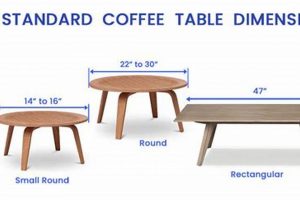
Answer: Dimensions vary depending on intended use and space constraints. However, tables are typically designed with a height of 16-18 inches and a length/width ratio that is proportional to the size of the room. The specific dimensions should be chosen to ensure both functionality and aesthetic balance.
Question 6: How should a table designed and built in the Shaker style be maintained to ensure its longevity?
Answer: Regular dusting with a soft cloth is recommended. Spills should be cleaned immediately to prevent staining or damage to the finish. Periodic application of a wood preservative or polish can help to maintain the wood’s natural luster and protect it from environmental factors.
The above FAQs offer insights into the design, materials, and maintenance of furniture constructed in the Shaker aesthetic. Understanding these aspects facilitates informed decisions regarding furniture selection and care.
The following section will further explore the integration of Shaker design into diverse living spaces.
Conclusion
The preceding sections have explored the defining characteristics of furniture adhering to Shaker design principles, with a specific focus on tables intended for central placement in a living room. This exploration has illuminated the design’s emphasis on simplicity, functionality, durable materials, and understated elegance. Understanding these elements is critical for appreciating the enduring appeal and practical value of a table designed within this tradition.
The information provided serves as a foundation for informed decision-making. Whether seeking a piece that embodies historical authenticity or simply appreciates the timeless aesthetic and craftsmanship, a well-informed selection ensures both functional utility and enduring value. Future considerations should focus on preservation of the design’s legacy and responsible sourcing of materials to maintain its integrity.

![Buy Best Drum Outdoor Coffee Table [Stylish & Durable] | The Ultimate Coffee Guide: Types, Brewing Methods & Best Beans](https://deacoffee.com/wp-content/uploads/2026/05/th-82-300x200.jpg "Buy Best Drum Outdoor Coffee Table [Stylish & Durable] The Ultimate Coffee Guide: Types, Brewing Methods & Best Beans")