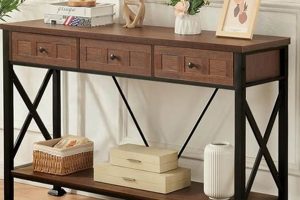
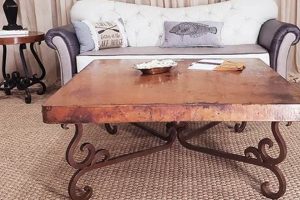
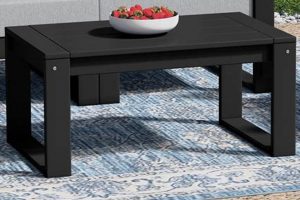
These furnishings represent a blend of industrial resilience and natural elegance, commonly featuring a framework constructed from materials such as steel, iron, or aluminum, combined with a tabletop crafted from substances like granite, marble, or slate. The resulting furniture piece serves as a functional surface and a design statement, suitable for a variety of interior styles. An example would be a brushed steel frame supporting a slab of honed black granite, providing a durable and visually striking focal point for a living room.
The appeal of such furniture lies in its robustness and aesthetic versatility. The metallic base provides structural integrity and a modern, often minimalist, visual element, while the stone surface introduces texture, color variation, and a sense of timelessness. Historically, the integration of these materials reflects a broader trend towards combining natural and manufactured elements in furniture design, offering both durability and visual interest. Benefits include resistance to wear and tear, ease of maintenance (depending on the specific stone), and the ability to complement a wide range of decorating schemes, from contemporary to rustic.
The following sections will delve into specific design considerations, material options, care and maintenance protocols, and sourcing strategies for these distinctive furniture pieces, providing a comprehensive guide for potential buyers and enthusiasts.
Tips for Selecting a Metal Stone Coffee Table
The selection of a furnishing constructed with metallic and stone elements requires careful consideration of several factors to ensure both aesthetic compatibility and long-term satisfaction. These tips offer guidance on navigating the key decision points.
Tip 1: Assess Structural Integrity. Examine the weld quality and thickness of the metal frame. Robust welding and thicker gauge metal indicate a stronger, more durable piece that will withstand regular use and weight.
Tip 2: Evaluate Stone Porosity. Different stone types exhibit varying degrees of porosity. More porous stones, such as limestone, require sealing to prevent staining from spills. Consider the maintenance requirements associated with the chosen stone.
Tip 3: Consider the Scale and Proportion. The dimensions of the furnishing should be proportional to the surrounding furniture and room size. A table that is too large or too small will disrupt the visual harmony of the space.
Tip 4: Examine Surface Finish. Inspect the finish of both the metal and the stone. Ensure that the metal finish is consistent and free from imperfections, and that the stone surface is properly polished or honed to achieve the desired aesthetic.
Tip 5: Investigate Edge Treatment. The edges of the stone tabletop can significantly impact the overall design. Options range from sharp, modern edges to softer, rounded profiles. Select an edge treatment that complements the surrounding dcor and minimizes the risk of chipping.
Tip 6: Determine Weight Capacity. Understand the maximum weight the table is designed to support. This is especially important if the furnishing will be used to display heavy objects or if it is likely to be subjected to significant weight from occupants.
Tip 7: Evaluate Stability. Ensure the table is stable and does not wobble. Uneven legs or a poorly designed frame can compromise stability and lead to potential accidents.
By carefully considering these elements, consumers can make informed decisions and select a long-lasting and visually appealing metal and stone accent piece that meets their specific needs and preferences. These considerations will contribute to the overall aesthetic and functionality of the living space.
The following sections will address specific design trends and innovative uses of these combined materials.
1. Material Durability

The inherent longevity of a “metal stone coffee table” is directly attributable to the durability of its constituent materials. The metallic framework, typically constructed from steel, iron, or aluminum, provides a robust structural foundation capable of withstanding considerable weight and resisting deformation under normal usage conditions. Similarly, the stone tabletop, often fashioned from granite, marble, or slate, exhibits exceptional resistance to scratches, heat, and staining, ensuring that the furnishing maintains its aesthetic appeal over extended periods. The selection of specific materials directly impacts the furniture’s ability to resist wear and tear. For instance, a steel frame coated with a powder-coated finish will demonstrate greater resistance to corrosion than an uncoated iron frame. Likewise, a granite surface, known for its density and non-porous nature, offers superior stain resistance compared to a more porous stone like limestone.
The correlation between material selection and durability directly influences the furniture’s long-term cost-effectiveness. While initial investment may be higher for tables utilizing premium materials, the reduced need for frequent repairs or replacements translates to significant savings over the lifespan of the item. A well-constructed table using durable components can withstand the rigors of daily use in high-traffic areas, such as living rooms or family rooms, without exhibiting signs of degradation. In contrast, a table constructed with inferior materials may require costly repairs or premature replacement due to structural failure or surface damage. Consider the example of a coffee table with a slate top and a wrought iron base; the slate resists heat from hot beverages, while the iron frame resists bending under moderate weight, contributing to the piece’s lasting condition.
In summary, material durability is a paramount consideration when evaluating the suitability of a “metal stone coffee table.” The selection of robust materials ensures structural integrity, resistance to wear and tear, and prolonged aesthetic appeal, translating to a cost-effective and long-lasting furnishing. Overlooking this aspect can lead to premature failure, increased maintenance costs, and ultimately, dissatisfaction with the product. The challenge lies in balancing durability with aesthetic preferences and budgetary constraints to arrive at an optimal choice.
2. Design Versatility

The adaptability of “metal stone coffee tables” stems from their capacity to integrate into diverse interior design schemes. This design versatility allows for seamless incorporation into various aesthetic environments, enhancing the overall appeal of the space.
- Material Combinations and Styles
The juxtaposition of metallic frames with stone surfaces allows for a broad spectrum of stylistic expressions. A sleek stainless steel base paired with a polished marble top offers a contemporary aesthetic, while a wrought iron base combined with a rustic slate top evokes a more traditional or farmhouse style. This flexibility in material pairings facilitates adaptation to various decor preferences.
- Shape and Form Factor Adaptability
The structural properties of metal and stone permit a wide range of shapes and forms. Coffee tables can be designed as rectangular, square, round, or even organically shaped pieces, each offering a distinct visual impact. This adaptability in form factor allows the table to be tailored to specific spatial requirements and aesthetic visions, fitting seamlessly into various room layouts and design themes.
- Color Palette Integration
Both metal and stone offer a diverse range of color options, either through natural variations in the stone itself or through applied finishes on the metal frame. This allows for meticulous coordination with existing color palettes within the room. A neutral-toned stone top can complement a wide range of color schemes, while a brightly colored metal frame can serve as a bold accent piece. This color versatility ensures harmonious integration into the overall design.
- Thematic Consistency and Contrast
These tables can either reinforce existing thematic elements within a space or create deliberate contrast. For example, a table with clean lines and a minimalist design can enhance a modern aesthetic, while a table with ornate detailing and a textured stone surface can introduce a touch of eclecticism into a contemporary setting. This capacity to either blend in or stand out contributes significantly to the design versatility of such furnishings.
Ultimately, the design versatility inherent in “metal stone coffee tables” makes them a compelling choice for individuals seeking a furnishing that can adapt to evolving design tastes or seamlessly integrate into existing aesthetic environments. This adaptability ensures long-term relevance and sustained visual appeal, making it a valuable addition to any living space.
3. Surface Maintenance
Surface maintenance is a critical consideration for “metal stone coffee tables,” directly impacting their longevity and aesthetic appeal. The characteristics of both the stone and metal components necessitate specific cleaning and care protocols to prevent damage and preserve their original appearance.
- Stone Type and Porosity
The type of stone used for the tabletop directly influences the required maintenance. Porous stones, such as limestone and travertine, are susceptible to staining from spills and require regular sealing to prevent penetration. Non-porous stones, like granite and slate, offer greater resistance to staining but may still benefit from periodic sealing to enhance their protective qualities. For example, a limestone tabletop requires application of a penetrating sealant every 1-2 years, while a granite tabletop may only need sealing every 3-5 years.
- Cleaning Agents and Techniques
The choice of cleaning agents is paramount to prevent damage to the stone surface. Abrasive cleaners and acidic solutions can etch or dull the finish of many natural stones. Instead, pH-neutral cleaners specifically formulated for stone surfaces should be used. Regular cleaning with a soft cloth and a mild detergent solution is typically sufficient for routine maintenance. For instance, a spill of red wine on a marble surface should be blotted immediately and cleaned with a stone-safe cleaner to prevent staining.
- Metal Finish and Corrosion Prevention
The metal frame also requires maintenance to prevent corrosion and maintain its aesthetic appeal. Depending on the metal type and finish, different cleaning and protective measures may be necessary. Stainless steel may require polishing with a specialized cleaner to remove fingerprints and water spots, while wrought iron may need periodic application of a protective coating to prevent rust. Example: A wrought iron frame exposed to humid conditions should be treated with a rust inhibitor and painted or sealed to prevent corrosion.
- Protection from Physical Damage
Preventive measures can significantly reduce the need for intensive cleaning and repair. Using coasters and placemats can protect the stone surface from scratches and spills. Avoiding the placement of heavy or sharp objects directly on the tabletop can also minimize the risk of damage. Example: placing a heavy vase directly on a marble surface without a protective pad could cause scratches or chips.
Proper surface maintenance is essential for preserving the beauty and longevity of “metal stone coffee tables.” By understanding the specific needs of the stone and metal components and implementing appropriate cleaning and protective measures, owners can ensure that these furnishings remain visually appealing and structurally sound for years to come. Neglecting maintenance can lead to irreversible damage and diminished value.
4. Structural Integrity
The long-term functionality and safety of any “metal stone coffee table” are directly dependent on its structural integrity. This characteristic encompasses the ability of the table to withstand applied loads, resist deformation, and maintain stability under various environmental conditions. The following aspects highlight the key elements contributing to the overall structural soundness of these furnishings.
- Frame Material and Construction
The composition and construction of the metallic frame form the foundation of the table’s structural integrity. High-strength materials such as steel or wrought iron, combined with robust welding or fastening techniques, ensure the frame can support the weight of the stone tabletop and any additional objects placed upon it. For example, a table with a poorly welded frame constructed from thin-gauge steel is susceptible to bending or collapsing under heavy loads, while a table with a reinforced steel frame can withstand significant weight without deformation. The choice of frame material and construction method is therefore paramount in determining the table’s load-bearing capacity and resistance to stress.
- Stone Support System
The method by which the stone tabletop is attached to the metal frame significantly impacts structural integrity. A well-designed support system distributes the weight of the stone evenly across the frame, preventing localized stress concentrations that could lead to cracking or failure. Options include full perimeter support, cross-bracing, or adhesive bonding, each offering varying degrees of stability. Consider a table where the stone top is only attached at a few points without adequate bracing; this design is prone to cracking around the attachment points due to uneven weight distribution. A table with a full perimeter support, however, provides a more stable and robust connection.
- Joint Stability and Load Distribution
The points where the metal frame components connect are critical areas for maintaining structural integrity. Weak or poorly constructed joints can compromise the overall stability of the table, leading to wobbling or eventual collapse. Secure and well-engineered joints, such as those achieved through proper welding or the use of robust fasteners, ensure that loads are distributed evenly throughout the frame. For example, a table with loose or wobbly leg joints will be unstable and unsafe, while a table with tightly secured joints will remain stable and level even under stress.
- Material Compatibility and Expansion Rates
The different expansion rates of metal and stone materials due to temperature fluctuations must be considered in the design to prevent stress-induced cracking or separation. Designs that allow for slight movement between the stone and metal components can accommodate these differential expansion rates. For instance, if a stone top is rigidly fixed to a metal frame without any allowance for expansion, changes in temperature could create significant stress, eventually leading to cracks in the stone or deformation of the metal. A design using flexible fasteners or expansion joints can mitigate this risk.
These facets underscore that the structural integrity of a “metal stone coffee table” is not merely a desirable attribute but a fundamental requirement for its safe and functional operation. Careful attention to frame construction, stone support, joint stability, and material compatibility is essential to ensure that the table can withstand the rigors of daily use and maintain its structural soundness over time. A well-engineered and structurally sound table will provide years of reliable service, while a poorly designed one poses a risk of failure and potential injury.
5. Weight Capacity
The weight capacity of a “metal stone coffee table” is a critical performance characteristic that dictates its functional suitability and safety. This parameter defines the maximum load the table can bear without experiencing structural compromise, ensuring that it can accommodate intended uses and prevent potential hazards. Understanding the factors influencing weight capacity is essential for informed purchasing and responsible utilization.
- Frame Material and Design
The composition and architecture of the metallic frame are primary determinants of weight-bearing capability. High-strength materials, such as steel or cast iron, arranged in a structurally sound configuration, can support significantly greater loads. For instance, a table featuring a welded steel frame with reinforced joints possesses a higher weight capacity than a table with a lightweight aluminum frame connected by screws. Insufficient frame strength can lead to bending, deformation, or even catastrophic failure under excessive weight.
- Stone Type and Thickness
The material properties of the stone tabletop, particularly its density and thickness, contribute substantially to overall weight capacity. Thicker slabs of dense stone, such as granite or quartzite, can withstand greater loads without cracking or fracturing compared to thinner slabs of more porous materials like marble or limestone. For example, a 3cm thick granite top will generally support more weight than a 2cm thick marble top of the same dimensions. The stone’s inherent strength, coupled with its thickness, directly impacts the table’s ability to bear weight safely.
- Support Structure and Load Distribution
The manner in which the stone tabletop is supported by the metal frame influences the distribution of weight and, consequently, the overall weight capacity. A well-designed support system that evenly distributes the load across the frame prevents stress concentrations that could lead to localized failures. Full perimeter support or the incorporation of cross-bracing beneath the stone can significantly increase the table’s ability to bear weight. Conversely, inadequate support can result in point loading, where the stone is stressed beyond its capacity at specific locations.
- Joinery and Fasteners
The quality and strength of the joinery connecting the frame components, as well as the fasteners securing the stone to the frame, are crucial for maintaining weight-bearing integrity. Weak or poorly executed joints can compromise the entire structure, even if the individual materials possess adequate strength. Robust welds, high-tensile bolts, or strong adhesive bonds ensure that the frame acts as a cohesive unit, effectively distributing the load. Failure of joinery or fasteners can lead to instability or collapse under load.
These elementsframe material, stone type, support structure, and joinerycollectively determine the weight capacity of a “metal stone coffee table.” The careful selection and integration of these components are essential to ensure that the table can safely and reliably support its intended use. Neglecting to consider weight capacity during the selection process can lead to functional limitations, premature failure, or even potential safety hazards.
6. Aesthetic Harmony
Aesthetic harmony, in the context of a “metal stone coffee table,” refers to the pleasing and coherent visual integration of the furnishing within a designated interior space. The degree of aesthetic harmony achieved is a direct consequence of several factors, including the table’s design elements (form, color, texture), the surrounding dcor, and the observer’s subjective perception. The successful integration of metallic and stone elements into a cohesive whole is paramount. A mismatch between the table’s style and the existing environment can result in visual discord, diminishing the overall aesthetic appeal of the space. For example, a stark, minimalist coffee table with a brushed steel frame and polished concrete top might appear incongruous in a room furnished with traditional, ornate furniture.
The importance of aesthetic harmony extends beyond mere visual appeal; it influences the emotional and psychological impact of the interior space. A harmonious environment fosters a sense of calm and well-being, while a discordant environment can generate unease and visual fatigue. Consider a living room where the color palette of the metal and stone coffee table complements the surrounding upholstery, wall colors, and flooring. This creates a sense of unity and visual flow, contributing to a relaxing and inviting atmosphere. Conversely, a coffee table with clashing colors or conflicting textures can disrupt the visual balance and create a sense of visual clutter.
In conclusion, aesthetic harmony is not an optional attribute but an integral component of a successful “metal stone coffee table” design. Achieving this harmony requires careful consideration of the table’s design elements, the surrounding environment, and the desired aesthetic effect. The challenge lies in balancing individual preferences with established design principles to create a visually pleasing and emotionally resonant space. Understanding this connection ensures the table enhances, rather than detracts from, the overall aesthetic of the room.
7. Scale Appropriateness
The concept of scale appropriateness is a fundamental consideration when integrating a furniture piece featuring metallic and stone elements into an interior space. It defines the harmonious relationship between the dimensions of the table and the surrounding environment, ensuring that the object neither overwhelms nor disappears within the room.
- Room Size and Table Proportions
The dimensions of the room must inform the selection of the table’s size. A large, expansive room can accommodate a larger table without appearing cramped. Conversely, a small room requires a smaller table to maintain a sense of spaciousness. A disproportionately large table in a small room can impede movement and create a claustrophobic atmosphere. A table that is too small in a large room may appear insignificant and fail to serve as a focal point. For example, a sprawling open-plan living area might benefit from a substantial rectangular table, while a compact apartment living room would be better served by a smaller, round or oval table.
- Furniture Height and Seating Arrangements
The height of the table should be compatible with the height of the surrounding seating. A table that is too high can be uncomfortable to use while seated, while a table that is too low can be difficult to reach. Ideally, the table should be approximately the same height as the seat cushions of the surrounding sofas and chairs. This facilitates comfortable use for placing drinks, books, or other items. For example, a low-slung sectional sofa would pair well with a lower coffee table, while a higher-backed sofa would require a taller table.
- Visual Weight and Material Density
The visual weight of the table, influenced by its material composition and design, must be considered in relation to the surrounding dcor. A table constructed from heavy, dark stone and thick metal components will have a greater visual weight than a table with a lighter stone top and a slender metal frame. A room with delicate, light-colored furniture may be overwhelmed by a table with excessive visual weight. Balancing the visual weight of the table with the overall aesthetic of the room is crucial for achieving a harmonious composition. A room with primarily light colors and delicate furniture may benefit from a table with a glass top and a thin metal frame, creating a sense of lightness and airiness.
- Traffic Flow and Spatial Dynamics
The table’s size and shape should not impede the flow of traffic within the room. The table should be positioned to allow for comfortable movement around it, without obstructing pathways or creating bottlenecks. The shape of the table can also influence traffic flow. A round or oval table may be preferable in a smaller room, as it allows for easier navigation around its curved edges. A rectangular table, while offering more surface area, may be less suitable for a room with limited space. Consider a small living room where a large, square coffee table obstructs the main pathway, making it difficult to move freely. A smaller, round table would provide adequate surface area while allowing for smoother traffic flow.
The interplay of these elements dictates the success of integrating a “metal stone coffee table” into a given space. Ensuring scale appropriateness allows the furniture to enhance, rather than detract from, the room’s overall design and functionality.
Frequently Asked Questions
The following addresses common inquiries regarding furniture that integrates metallic bases with stone tabletops, offering clarity on their properties, maintenance, and suitability for various applications.
Question 1: Are stone tabletops susceptible to staining?
The susceptibility of stone tabletops to staining varies depending on the specific stone type. Porous stones, such as limestone and marble, are more prone to staining than non-porous stones like granite or slate. Sealing porous stones regularly can mitigate this risk.
Question 2: What is the typical weight capacity of metal stone coffee tables?
Weight capacity depends on frame material, stone thickness, and construction. Tables with steel frames and thick granite tops generally exhibit higher weight capacities than those with aluminum frames and thinner marble tops. Specific product specifications should be consulted for precise weight limits.
Question 3: How should metal stone coffee tables be cleaned?
Cleaning protocols depend on the materials. Stone surfaces typically require pH-neutral cleaners to prevent damage. Metal frames may require specialized cleaners to prevent rust or corrosion. Abrasive cleaners should be avoided on both surfaces.
Question 4: Are these tables suitable for outdoor use?
Suitability for outdoor use depends on the weather resistance of the materials. Certain metals, such as powder-coated steel or aluminum, are more resistant to corrosion than others. Some stones may be susceptible to damage from freeze-thaw cycles. Consult the manufacturer’s specifications regarding outdoor suitability.
Question 5: How does the weight of the tabletop affect mobility?
Stone tabletops are inherently heavy, which can limit the mobility of the table. Consideration should be given to the table’s weight when planning placement and anticipating potential relocation. Furniture sliders or assistance may be required for moving heavier tables.
Question 6: What are the common dimensions of metal stone coffee tables?
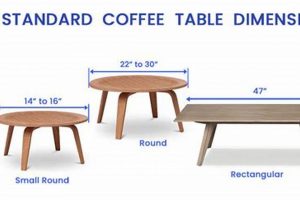
Dimensions vary widely depending on the design and intended use. Common dimensions range from 36 to 60 inches in length, 24 to 36 inches in width, and 16 to 20 inches in height. Specific product dimensions should be verified before purchase.
In summary, the characteristics and suitability of furniture incorporating metal and stone elements depend on factors such as material properties, construction methods, and maintenance practices. Careful consideration of these aspects is crucial for informed decision-making.
The subsequent section will explore design trends and innovative uses of these composite materials.
Conclusion
The preceding exploration has detailed the multifaceted considerations surrounding the selection, maintenance, and integration of the “metal stone coffee table” into diverse environments. Key aspects, including material durability, design versatility, surface maintenance, structural integrity, weight capacity, aesthetic harmony, and scale appropriateness, have been examined to provide a comprehensive understanding of this furniture type. This thorough assessment underscores the importance of aligning material selection and design choices with specific needs and environmental contexts.
Ultimately, the successful incorporation of a “metal stone coffee table” requires informed decision-making and a nuanced appreciation for the interplay of form and function. As design trends evolve and material technologies advance, a continued emphasis on responsible sourcing and mindful consumption will be essential to ensuring the longevity and aesthetic value of these furnishings within the built environment.

![Buy Best Drum Outdoor Coffee Table [Stylish & Durable] | The Ultimate Coffee Guide: Types, Brewing Methods & Best Beans](https://deacoffee.com/wp-content/uploads/2026/05/th-82-300x200.jpg "Buy Best Drum Outdoor Coffee Table [Stylish & Durable] The Ultimate Coffee Guide: Types, Brewing Methods & Best Beans")