These furnishings are defined by a fusion of modern design principles and the inherent beauty of natural materials. They serve as central focal points within living spaces, often exhibiting clean lines, minimalist silhouettes, and a sophisticated aesthetic. For example, a rectangular table featuring a honed marble top supported by a brushed stainless steel base exemplifies this category.
The appeal of such furniture pieces lies in their durability, timelessness, and ability to elevate the ambiance of an interior. Stone, as a material, offers exceptional resilience to wear and tear, ensuring longevity. Historically, stone furniture has signified luxury and permanence, and this tradition continues in updated forms that complement modern lifestyles. The incorporation of natural elements brings an organic warmth and textural contrast to interiors often dominated by synthetic materials.
This exploration will delve into the diverse types of stone employed in the crafting of these tables, the prevalent design styles observed in the market, and considerations for their integration into various interior design schemes. Factors influencing purchase decisions, such as maintenance requirements and cost implications, will also be addressed.
Considerations for Selecting Stone Tables
Choosing the appropriate stone-topped center table involves careful consideration of several factors to ensure optimal integration with the existing environment and satisfaction with the purchase.
Tip 1: Evaluate Stone Type: Different stones offer varying levels of durability and aesthetic appeal. Marble, for instance, provides a luxurious appearance but requires diligent sealing to prevent staining. Granite is more resistant to scratches and stains, making it a practical choice for high-traffic areas. Slate offers a unique textured surface and is known for its durability.
Tip 2: Assess Size and Proportion: The table’s dimensions should correspond proportionally to the size of the room and the surrounding furniture. A large, imposing table may overwhelm a small space, while a diminutive one might appear insignificant in a larger setting. Consider the table’s height relative to the seating arrangement to ensure comfortable accessibility.
Tip 3: Scrutinize Base Material: The base material complements the stone top and contributes to the overall stability of the table. Common base materials include stainless steel, wood, and metal. Ensure the base is robust enough to support the weight of the stone top. Welded joints should be secure, and finishes should be resistant to corrosion or wear.
Tip 4: Analyze Edge Profile: The edge profile affects both the aesthetic and functional aspects. A sharp, square edge offers a modern, minimalist look but may be prone to chipping. A rounded or beveled edge provides a softer aesthetic and is less susceptible to damage. Consider the edge profile in relation to safety, particularly if children are present.
Tip 5: Examine Stone Pattern and Color: Natural stone exhibits variations in pattern and color. Inspect the slab carefully to ensure the pattern aligns with the desired aesthetic. Consider how the color of the stone interacts with the existing color palette of the room. Samples should be viewed under different lighting conditions to accurately assess their appearance.
Tip 6: Plan for Maintenance: Stone surfaces require regular cleaning and occasional sealing to maintain their appearance and prevent damage. Determine the specific maintenance requirements for the selected stone type and ensure that appropriate cleaning products are used. Avoid abrasive cleaners, which can scratch or dull the surface.
These guidelines facilitate informed decisions, contributing to both the functional and aesthetic harmony of interior spaces.
The following sections will detail common pitfalls to avoid when purchasing and maintaining these types of furniture.
1. Material Durability
Material durability is a paramount consideration in the selection of contemporary stone tables. The inherent properties of the stone dictate the table’s resistance to wear, impact, and environmental factors, ultimately influencing its lifespan and aesthetic appeal.
- Scratch Resistance
Different stone types exhibit varying degrees of resistance to scratching. Granite and quartzite, for example, are significantly harder than marble and are less susceptible to surface abrasions from everyday use. The Mohs hardness scale provides a relative measure of mineral hardness; stones with a higher Mohs rating are generally more resistant to scratching. A table frequently used and exposed to potential abrasives, such as dishes or decorative objects, benefits from a more scratch-resistant stone.
- Stain Resistance
Porosity affects a stone’s susceptibility to staining from spills and liquids. Marble, being a relatively porous stone, requires sealing to prevent the absorption of liquids that can cause permanent discoloration. Granite, with its denser structure, offers greater resistance to staining, although sealing is still recommended. The choice of stone should align with the anticipated level of exposure to potential staining agents and the owner’s willingness to maintain the surface regularly.
- Impact Resistance
The ability to withstand impact without chipping or cracking is crucial for a table’s longevity. Softer stones like soapstone may be more prone to damage from sharp impacts compared to harder stones. The thickness of the stone slab also plays a role; thicker slabs generally offer greater impact resistance. The likelihood of impact and the potential severity of such incidents should inform the selection of a stone with appropriate impact resistance.
- Heat Resistance
Direct contact with hot objects can damage certain stone surfaces. Some stones, such as engineered quartz, may be susceptible to discoloration or cracking from high temperatures. Natural stones, while generally more heat-resistant, can still be affected by prolonged exposure to extreme heat. Consideration should be given to the anticipated use of the table and the potential for exposure to hot items, with appropriate precautions taken to protect the surface.
The selection of a stone with suitable durability characteristics is integral to ensuring the long-term performance and aesthetic integrity of a contemporary stone table. Balancing the desired appearance with the practical considerations of wear, staining, and impact resistance will contribute to a more satisfying and enduring purchase.
2. Design Aesthetics

Design aesthetics constitute a critical element in the selection and integration of stone tables into contemporary interior spaces. The visual characteristics of these tables, encompassing form, texture, and color, contribute significantly to the overall ambiance and stylistic coherence of a room. The aesthetic considerations extend beyond mere visual appeal to encompass the perception of quality, luxury, and sophistication.
- Form and Silhouette
The shape and outline of the table profoundly influence its visual impact. Clean, geometric forms, such as rectangles and squares, often align with minimalist and modern design schemes. Organic, freeform shapes can introduce a sense of naturalness and visual interest. The choice of form should complement the existing furniture and architectural elements to create a cohesive and harmonious environment. For example, a circular stone table can soften the angular lines of a room dominated by rectangular furniture.
- Surface Texture and Finish
The texture and finish of the stone surface contribute to its tactile and visual appeal. Polished finishes enhance the stone’s natural veining and create a sleek, reflective surface. Honed finishes offer a softer, matte appearance that can convey a sense of understated elegance. Textured surfaces, such as those found in slate or travertine, introduce a tactile element and can add depth and character to the table. The selection of surface texture should consider the desired level of formality and the overall textural composition of the room.
- Color and Veining
The color and veining patterns inherent in natural stone significantly influence its aesthetic impact. Marble, with its intricate veining and varied color palettes, can serve as a focal point within a space. Granite, with its granular texture and diverse range of colors, provides a more subtle and understated aesthetic. The choice of color and veining should complement the existing color palette and architectural style of the room. A table with bold veining can add visual drama to a neutral space, while a table with subtle coloration can blend seamlessly into a more vibrant environment.
- Edge Profile and Detailing
The treatment of the table’s edges contributes to its overall aesthetic and perceived quality. Squared edges offer a clean, modern look, while rounded or beveled edges provide a softer, more traditional aesthetic. Detailed edging, such as bullnose or ogee profiles, can add a touch of elegance and refinement. The edge profile should be consistent with the overall design style and should be executed with precision to ensure a high-quality appearance.
The careful consideration of form, texture, color, and detailing allows for the selection of stone tables that not only serve a functional purpose but also contribute significantly to the aesthetic richness and overall design coherence of contemporary living spaces.
3. Size Considerations
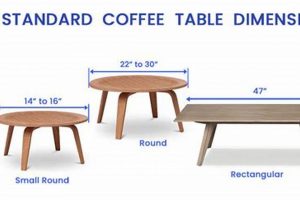
The dimensions of these stone tables are crucial to their functionality and integration within a living space. Careful consideration of size relative to room dimensions and surrounding furniture is essential for achieving a balanced and aesthetically pleasing interior.
- Table Height and Seating Arrangement
The height of the table should correspond appropriately to the height of the surrounding seating. A table that is too high can be awkward and impede conversation, while a table that is too low may be difficult to reach. Generally, the tabletop should be approximately the same height as the seat cushions or slightly lower. This allows for comfortable placement of beverages and other items. For instance, low-profile seating necessitates a lower table to maintain accessibility, while higher sofas and armchairs require a taller surface.
- Surface Area and Functionality
The table’s surface area should accommodate its intended function. A table used primarily for displaying decorative objects may require less surface area than one used for serving beverages and snacks. Insufficient surface area can lead to clutter and impede the table’s functionality. Large tables, while providing ample space, can dominate a room and reduce its perceived size. Conversely, a smaller table may appear insignificant in a larger space. Balancing surface area with the intended use and room size is paramount.
- Table Shape and Traffic Flow
The shape of the table should be considered in relation to the room’s traffic flow. Rectangular tables can be well-suited for long, narrow rooms, while circular or oval tables may be more appropriate for smaller, more intimate spaces. Sharp corners can pose a safety hazard, particularly in high-traffic areas. Ensuring sufficient clearance around the table is essential for comfortable movement and to prevent obstructions. For example, a large square table in a small room can impede traffic flow, while a round table can facilitate easier movement around its perimeter.
- Visual Weight and Proportion
The overall visual weight of a stone table, influenced by its size and material, contributes to the room’s aesthetic balance. A large, dark stone table can create a strong focal point, while a smaller, lighter-colored table may blend more seamlessly into the background. The table’s proportions should be harmonious with the surrounding furniture. Overly large or small in comparison can create a sense of imbalance. Achieving a sense of proportion requires careful consideration of the table’s size and visual weight in relation to the other elements within the room.
Integrating these size-related facets enhances the tables functionality and visual appeal, creating a balanced and comfortable environment.
4. Maintenance Needs

The longevity and aesthetic appeal of contemporary stone tables are directly contingent upon consistent and appropriate maintenance practices. Neglecting proper care can lead to irreversible damage, diminishing both the table’s visual allure and its functional lifespan. Therefore, understanding and adhering to specific maintenance protocols is essential.
- Sealing and Stain Prevention
Many natural stones, particularly marble and limestone, are porous and susceptible to staining from spilled liquids. Sealing the stone creates a protective barrier that prevents liquids from penetrating the surface. The frequency of sealing depends on the stone type and usage intensity; however, annual resealing is generally recommended. Promptly wiping up spills with a soft cloth minimizes the risk of staining. Acidic substances, such as lemon juice or vinegar, should be avoided, as they can etch the stone surface.
- Cleaning Protocols
Regular cleaning removes surface dirt and grime, preserving the stone’s appearance. A mild, pH-neutral cleaner specifically formulated for stone is recommended. Abrasive cleaners, scouring pads, and harsh chemicals should be avoided, as they can scratch or dull the surface. Cleaning should be performed with a soft cloth or sponge, followed by thorough rinsing and drying. Dusting the table regularly with a microfiber cloth prevents the buildup of dirt and debris.
- Scratch Prevention and Repair
While stone is generally durable, it can be scratched by abrasive objects. Using coasters and placemats protects the surface from scratches caused by dishes, glasses, and other items. Avoid dragging heavy objects across the tabletop. Minor scratches can sometimes be buffed out with a specialized stone polishing compound. Deeper scratches may require professional repair. Regular inspection of the surface allows for the early detection and treatment of minor scratches.
- Environmental Considerations
Exposure to extreme temperatures and humidity can damage certain types of stone. Avoid placing tables in direct sunlight, as prolonged exposure can cause discoloration. In humid environments, condensation can lead to water spots and mold growth. Ensure adequate ventilation and wipe up any moisture promptly. Understanding the specific environmental sensitivities of the chosen stone type allows for proactive measures to mitigate potential damage.
By diligently adhering to these maintenance guidelines, owners can ensure the continued beauty and functionality of contemporary stone tables, preserving their investment and enhancing their interior spaces.
5. Spatial Harmony
Spatial harmony, in the context of interior design, refers to the balanced and aesthetically pleasing arrangement of elements within a defined area. The integration of furniture, including contemporary stone tables, significantly impacts the achievement of spatial harmony. The selection and placement of such a table must consider existing architectural features, color palettes, and the function of the space to create a unified and visually appealing environment.
- Scale and Proportion
The scale of a stone table, relative to the room’s dimensions and other furniture pieces, is critical. A disproportionately large table can overwhelm a small space, disrupting visual balance. Conversely, a table that is too small may appear insignificant within a larger area. Careful consideration of the table’s dimensions ensures it complements the existing scale of the room, fostering a sense of equilibrium. An example would be selecting a smaller, round stone table for a compact living room versus a larger, rectangular design for an expansive seating area.
- Material and Texture Compatibility
The inherent qualities of stone, such as its texture and color, must harmonize with the surrounding materials. Contrasting textures can create visual interest, but excessive disparity can lead to disharmony. A polished marble table may complement a room with sleek, modern furnishings, while a rough-hewn slate table could enhance a space with a more rustic aesthetic. Compatibility also extends to color palettes, where the stone’s hues should either blend seamlessly or provide a deliberate, yet complementary, contrast.
- Form and Flow
The shape of the table influences the flow of movement within the space. Sharp corners can impede traffic, while rounded edges promote a more fluid circulation. A circular or oval table may be better suited to smaller areas, allowing for easier navigation around the furniture. Rectangular designs, while offering ample surface area, require careful placement to avoid obstructing pathways. The table’s form should facilitate comfortable and intuitive movement throughout the room.
- Visual Weight and Focal Point
A stone table can serve as a focal point, drawing the eye and anchoring the space. The visual weight of the table, determined by its size, color, and material, influences its prominence. A dark, substantial stone table will naturally command attention, while a lighter, more minimalist design may blend more subtly into the background. The strategic placement of the table can direct visual attention and create a sense of balance within the room’s composition.
In summary, the successful integration of contemporary stone tables within an interior hinges on a comprehensive understanding of spatial harmony principles. By considering scale, material compatibility, form, flow, and visual weight, it becomes possible to select and position the table in a way that elevates the overall aesthetic and functional coherence of the space. This careful consideration ensures the table not only serves its practical purpose but also enhances the room’s visual appeal and sense of balance.
Frequently Asked Questions About Contemporary Stone Coffee Tables
This section addresses common inquiries concerning these types of furnishings, providing clarity on key aspects relating to their selection, maintenance, and application within interior design.
Question 1: What distinguishes a “contemporary” stone table from other styles?
Contemporary stone tables typically feature clean lines, minimalist designs, and a focus on functionality. They often incorporate modern materials alongside natural stone, such as stainless steel or glass, and emphasize geometric forms and streamlined silhouettes.
Question 2: Which stone types are most suitable for coffee tables, considering durability?
Granite and quartzite offer excellent durability due to their high resistance to scratching and staining. Marble, while aesthetically pleasing, requires more diligent maintenance due to its porous nature. Slate provides a unique textured surface and is also known for its durability.
Question 3: How does the size of a stone table impact a room’s overall aesthetic?
A table that is too large can overwhelm a small space, while one that is too small may appear insignificant in a larger room. The table’s dimensions should be proportional to the size of the room and the surrounding furniture to achieve a balanced and harmonious aesthetic.
Question 4: What are the essential maintenance procedures for ensuring the longevity of a stone table?
Regular sealing is crucial to prevent staining, particularly for porous stones like marble. Cleaning should be performed with a mild, pH-neutral cleaner specifically designed for stone. Abrasive cleaners and harsh chemicals should be avoided. Using coasters and placemats helps prevent scratches and damage.
Question 5: How does the choice of a table’s edge profile affect its safety and aesthetic?
A sharp, square edge offers a modern aesthetic but may be prone to chipping and poses a potential safety hazard. Rounded or beveled edges provide a softer look and are less susceptible to damage, making them a safer option, especially in households with children.
Question 6: Can stone tables be used effectively in various interior design styles?
Yes, the versatility of stone allows it to complement a range of interior design styles. Sleek, minimalist designs suit contemporary spaces, while more rustic or textured stone tables can enhance traditional or bohemian interiors. The key is to select a table that aligns with the room’s overall aesthetic and functional requirements.
These answers provide foundational knowledge for informed decision-making when selecting these design pieces.
The subsequent section will elaborate on current market trends.
Conclusion
This exploration has illuminated key facets of contemporary stone coffee tables, encompassing their material composition, design aesthetics, spatial integration, and maintenance requirements. The discerning selection of these furnishings necessitates a comprehensive understanding of stone types, dimensional considerations, and compatibility with existing interior design schemes. Durability, visual appeal, and functional suitability remain paramount in the decision-making process.
The enduring appeal of stone in contemporary design underscores its inherent ability to blend timeless elegance with modern sensibilities. Further research and careful consideration of individual needs will facilitate the optimal incorporation of these tables into diverse living spaces, ensuring both aesthetic enhancement and enduring value. The information provided herein serves as a foundational resource for informed and judicious purchasing decisions.

![Buy Best Drum Outdoor Coffee Table [Stylish & Durable] | The Ultimate Coffee Guide: Types, Brewing Methods & Best Beans](https://deacoffee.com/wp-content/uploads/2026/05/th-82-300x200.jpg "Buy Best Drum Outdoor Coffee Table [Stylish & Durable] The Ultimate Coffee Guide: Types, Brewing Methods & Best Beans")