A furniture piece characterized by a natural, unfinished wood slab used as the tabletop, retaining the original edge and bark of the tree, commonly scaled for placement and use in front of seating areas. These items often feature dimensions optimized for apartment living or smaller spaces, providing a surface for drinks, books, and decorative objects.
The appeal of these designs lies in their unique aesthetic, bringing elements of nature indoors. Their inherent individuality means no two are exactly alike, contributing to a distinctive and often rustic ambiance. Historically, the utilization of raw wood edges reflects a movement towards organic design, contrasting with more manufactured and uniform furniture styles. Benefits extend to visual warmth and a connection to the natural world, promoting a sense of tranquility in a living space.
The following sections will explore variations in wood species utilized, leg styles and materials commonly employed in the construction of this furniture, considerations for appropriate sizing and placement, and maintenance requirements to ensure longevity and preserve the natural beauty of these distinctive accent pieces.
Essential Considerations
Selecting a suitable accent piece requires careful consideration of several factors to ensure aesthetic harmony and practical functionality within the designated living area.
Tip 1: Wood Species Selection: Consider wood hardness and grain patterns. Hardwoods like walnut or maple offer durability and resistance to scratches, while softwoods like pine may exhibit more pronounced grain and character. Match wood tone to existing decor.
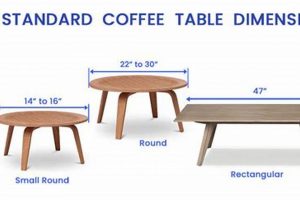
Tip 2: Size and Proportions: The tabletop should be approximately two-thirds the length of the sofa. Height should be similar to the seat height of the surrounding seating. Too large or too small will disrupt the room’s balance.
Tip 3: Leg Style and Material: Metal legs offer a modern aesthetic and structural stability. Wooden legs can complement the tabletop’s natural grain. Ensure the leg style suits the overall design of the living space.
Tip 4: Finish and Sealing: A durable finish protects the wood from moisture and stains. Consider a matte or satin finish to maintain a natural look. Reapply sealant periodically to preserve its integrity.
Tip 5: Edge Detail and Safety: Carefully inspect the edge for any sharp or protruding pieces. Smooth any rough areas to prevent injury. A natural-looking finish helps to retain the edge’s unique character.
Tip 6: Room Aesthetics: Consider the overall room style, either modern, rustic or mid-century. Choose wood, leg styles and finishes that matches the existing furniture. A contrasting finish style can create a stunning focal point.
Tip 7: Budget and Sourcing: Establish a budget before browsing. Explore local artisans, furniture stores, and online retailers. Compare prices and consider custom-made options for a truly unique piece.
Careful attention to these factors will enhance the value and aesthetic appeal of a natural-edged furniture item, ensuring it complements the living space while providing a functional surface.
The subsequent sections will address the ongoing maintenance and preservation of this distinctive item, further extending its lifespan and aesthetic value.
1. Wood Species Durability

The inherent structural integrity of various wood species dictates the long-term performance and aesthetic preservation of a natural-edged design. Selection of an appropriate wood type is paramount in ensuring the longevity and resistance to wear inherent in a functional furniture piece.
- Hardness and Resistance to Dents
Wood hardness, measured by the Janka hardness scale, directly correlates to its ability to withstand daily use. Harder woods, such as walnut or maple, are more resistant to dents and scratches, preserving the tabletop’s surface integrity over time. A lower Janka rating, as found in softer woods like pine, increases susceptibility to damage, necessitating more frequent refinishing or repair.
- Moisture Resistance and Warping
Wood species vary in their natural resistance to moisture absorption. Excessive moisture can lead to warping, cracking, or fungal growth, compromising the structural integrity of the table. Species with higher natural oil content, like teak, offer enhanced moisture resistance compared to more porous woods. Proper sealing and finishing can mitigate moisture-related issues, irrespective of the wood species.
- Resistance to Insect Infestation
Certain wood species possess natural compounds that deter insects. Cedar, for example, contains oils that repel common wood-boring insects. The utilization of insect-resistant woods minimizes the risk of structural damage and preserves the aesthetic appeal of the piece. Chemical treatments can provide additional protection, particularly for less naturally resistant species.
- Stability and Shrinkage
Wood stability refers to its ability to maintain its dimensions over time, despite changes in environmental humidity. Species with low shrinkage rates, such as mahogany, are less prone to warping or cracking. Unstable woods may require specialized construction techniques to minimize dimensional changes, such as incorporating expansion joints or using quarter-sawn lumber.
The selection of a wood species with inherent durability characteristics is a fundamental consideration in the construction of a live edge piece. While proper finishing and maintenance can enhance the longevity of any wood, the inherent properties of the material directly impact its ability to withstand the rigors of daily use and environmental factors. A judicious choice ensures a long-lasting, aesthetically pleasing addition to any living space.
2. Size Proportionality

The concept of size proportionality is paramount in the selection of a natural-edged piece, influencing both the aesthetic harmony and functional utility of the furniture within a defined space. An improperly scaled item can detract from the visual appeal of the room and impede its intended use. This section will explore key aspects of size proportionality to inform optimal selection.
- Tabletop Area Relative to Seating
The surface area should align with the seating arrangement it serves. A tabletop that is too small may prove inadequate for holding beverages, books, or decorative objects. Conversely, an excessively large surface can overwhelm the seating area, creating a sense of imbalance. Ideally, the tabletop area should provide ample space for functional items while maintaining visual harmony with the surrounding furniture.
- Height Relative to Seating Height
The height of the item should be closely aligned with the seating height of adjacent chairs or sofas. A tabletop that is significantly lower than the seating surface may prove difficult to reach, while one that is too high can feel awkward and impede conversation. As a general guideline, the tabletop height should be approximately even with the seat cushion height or slightly lower to facilitate comfortable use.
- Room Dimensions and Negative Space
The overall dimensions of the room dictate the maximum permissible size of the piece. In smaller spaces, a compact tabletop is essential to avoid overcrowding and maintain a sense of openness. Conversely, larger rooms can accommodate larger sizes, providing a focal point without sacrificing functionality. The consideration of negative space the empty areas surrounding the furniture is crucial in achieving a balanced and visually appealing composition.
- Leg Design and Visual Weight
The leg design of a natural-edged furniture item contributes significantly to its perceived visual weight. Thinner, more minimalist legs can create a sense of lightness and openness, while thicker, more substantial legs can ground the piece and convey a sense of solidity. The selection of an appropriate leg design should complement the tabletop’s dimensions and the overall style of the room. Moreover, the leg design influences the stability and weight-bearing capacity of the furniture.
In conclusion, achieving proper size proportionality requires careful consideration of tabletop area, height, room dimensions, and leg design. By adhering to these guidelines, a natural-edged furniture item can serve as a functional and aesthetically pleasing addition to any living space, enhancing its visual appeal and utility.
3. Leg Material Stability
The structural integrity of a natural-edged design is directly dependent on the stability of the leg material employed. A fundamental aspect influencing load-bearing capacity, longevity, and overall safety, inadequate leg stability compromises the intended function and aesthetic value. The effect is readily apparent: a poorly supported tabletop, particularly one retaining its natural edge and irregular mass distribution, will exhibit wobble or even catastrophic failure under normal use. For instance, substituting wrought iron legs with flimsy aluminum would demonstrably undermine the support for a heavy walnut top, resulting in instability. The proper material selection, therefore, functions as a crucial component in the design, addressing the unique challenges posed by asymmetrical weight distribution inherent in the live edge slab.
Considerations extend beyond simple material strength. The long-term performance is also tied to the material’s resistance to environmental factors, such as moisture and temperature fluctuations. Wood legs, while aesthetically congruent with the tabletop, require proper sealing and joinery to prevent warping or cracking, which would inevitably diminish stability. Steel legs, conversely, offer superior resistance to moisture but demand corrosion protection to prevent structural weakening. Real-world examples showcase the impact: a cherry tabletop with untreated maple legs will exhibit joint failure over time due to differing expansion and contraction rates, while a redwood tabletop supported by untreated steel legs in a humid environment will demonstrate rust-induced degradation. The design must holistically integrate material properties to ensure consistent support.
Ultimately, the correlation between leg material stability and the overall structural soundness highlights a crucial intersection of design and engineering. Careful material selection, combined with sound construction practices, constitutes the foundation of a functional and enduring piece. Addressing potential weaknesses arising from environmental factors and load demands ensures that the visual appeal of the live edge is not undermined by a compromised support system. The pursuit of stability in the leg material guarantees not only the physical integrity but also the long-term aesthetic value and utility of the design.
4. Finish Protection
The preservation of the natural aesthetic and structural integrity of a natural-edged accent piece necessitates a robust protective finish. This finish serves as a barrier against environmental factors and daily wear, directly influencing the furniture’s longevity and visual appeal. The effectiveness of the finish is therefore paramount in maintaining the value and usability of the item.
- Moisture Resistance and Prevention of Warping
Wood, being hygroscopic, absorbs and releases moisture from the environment. This process can lead to warping, cracking, or swelling, compromising the structural integrity of the tabletop. A protective finish, such as polyurethane or varnish, creates a barrier that minimizes moisture absorption, thereby mitigating these risks. For example, a water-based polyurethane applied in multiple coats can significantly reduce moisture penetration compared to an unfinished surface. The result is a more stable and durable tabletop.
- Scratch and Abrasion Resistance
Daily use inevitably exposes the tabletop to scratches and abrasions from objects placed upon it. A durable finish provides a protective layer that resists these forms of damage. Finishes with higher solids content and scratch-resistant additives, such as ceramic nanoparticles, offer enhanced protection. For instance, a catalyzed conversion varnish will exhibit superior resistance to scratching compared to a standard lacquer finish. This resistance preserves the aesthetic appeal of the natural wood surface.
- UV Protection and Color Retention
Exposure to ultraviolet (UV) radiation from sunlight can cause fading and discoloration of the wood over time. Finishes containing UV inhibitors help to block harmful rays, preserving the original color and tone of the wood. For example, a finish with UV absorbers can significantly reduce fading compared to a finish without such additives. This is particularly important for lighter-colored woods, which are more susceptible to UV damage.
- Resistance to Chemical Spills and Staining
Accidental spills of liquids, such as coffee, wine, or cleaning products, can cause staining and damage to the wood surface. A protective finish creates a barrier that prevents liquids from penetrating the wood fibers, allowing for easy cleanup. Finishes with high chemical resistance, such as epoxy resins, offer superior protection against staining and damage. For example, an epoxy finish will resist staining from acidic liquids better than a standard varnish finish, maintaining the aesthetic integrity of the tabletop.
These facets highlight the critical role of finish protection in preserving the beauty and structural integrity of a natural-edged accent piece. A well-chosen and properly applied finish not only enhances the aesthetic appeal of the wood but also extends its lifespan, ensuring lasting value and enjoyment. The selection of a suitable finish should, therefore, be a primary consideration in the acquisition and maintenance of this furniture form.
5. Edge Characteristics

The defining feature of a natural-edged furniture item lies in its edge characteristics, directly impacting both aesthetic appeal and structural considerations. The retention of the tree’s natural perimeter during construction necessitates a careful assessment of its inherent irregularities. Bark presence, knot formations, and grain patterns all contribute to the unique character of the piece, influencing its visual integration within a given space. For instance, a tabletop retaining significant bark requires a more rustic decor to maintain aesthetic cohesion, while a smoother, less pronounced edge lends itself to a more contemporary setting. The degree of natural deviation from a straight line determines the furniture’s perceived formality and affects its compatibility with various interior design styles. Uneven edges can present challenges in terms of surface consistency, impacting functionality; objects may not sit flush, and spills can follow unpredictable paths.
The edge also impacts the structural integrity. Areas with decayed or loosely attached bark pose a risk of detachment, requiring stabilization through epoxy resin or similar treatments. Deep fissures or cracks necessitate reinforcement to prevent propagation, potentially compromising the tabletop’s load-bearing capacity. Wood species significantly influence edge characteristics. Hardwoods, such as walnut or maple, generally exhibit tighter grain patterns and more durable edges compared to softer woods, such as pine or cedar. Consequently, a tabletop crafted from a softer wood requires more extensive stabilization efforts to ensure long-term durability. The selection of edge finishing techniques – sanding, oiling, sealing – further determines the tactile and visual qualities of the finished piece, necessitating a tailored approach based on the species and inherent edge characteristics.
The inherent characteristics of the edge dictate the furniture’s suitability for specific applications and environments. A highly irregular edge may be unsuitable for environments where a level surface is paramount, such as a workspace. Conversely, a subtle natural edge can add a touch of organic beauty to a modern interior without compromising functionality. Understanding and appropriately addressing the edge characteristics is, therefore, a critical component in the design and construction of a live-edge piece, balancing aesthetic appeal with structural integrity and practical considerations. Failure to do so may result in a visually striking but functionally compromised furniture item.
6. Room Aesthetics
The integration of a natural-edged furniture piece into a living space necessitates a careful consideration of existing room aesthetics. The style, color palette, and overall ambiance of the room dictate the suitability of this furniture, influencing its visual harmony and functional integration. A mismatch between the furniture’s inherent characteristics and the room’s existing aesthetic can disrupt the visual balance and diminish the piece’s overall appeal.
- Style Compatibility
The prevailing style of the room determines the appropriateness of a natural-edged design. Rustic or bohemian interiors readily accommodate the organic and raw aesthetic, enhancing the room’s character. Conversely, highly formal or minimalist spaces may require a more restrained design, with subtle natural edges and refined finishes, to avoid visual discord. A mismatch in style can result in a piece that appears out of place, detracting from the overall coherence of the room’s design.
- Color Palette Coordination
The color palette of the room must be considered in relation to the wood species and finish of the item. Warm-toned woods, such as walnut or cherry, complement earth-toned or neutral color schemes, creating a sense of warmth and harmony. Conversely, cooler-toned woods, such as maple or birch, may be more suitable for rooms with cooler color palettes, such as blues or grays. A contrasting color scheme can create a focal point, but it must be carefully executed to avoid visual clashes. The finish should also complement the existing color scheme, whether it’s a natural oil finish that enhances the wood’s natural tones or a stained finish that introduces a new color element.
- Scale and Proportion within the Space
The dimensions of the natural-edged item should be proportional to the size of the room and the scale of other furniture pieces. A too-large item can overwhelm a small space, creating a sense of clutter. Conversely, an item that is too small may appear insignificant and fail to make a visual impact. The item’s height should also be considered in relation to seating height, ensuring comfortable use. The proportion should be in balance with surrounding furniture for aesthetically pleasing atmosphere.
- Material and Texture Harmony
The materials and textures within the room influence the selection of the item. A room with predominantly smooth surfaces may benefit from the introduction of a rougher, more textured piece to create visual interest. Conversely, a room with many textured elements may require a smoother, more refined piece to provide visual relief. Metal legs offer a sleek, contemporary contrast to the organic wood of the tabletop, while wooden legs create a more harmonious and natural look. A contrasting material or texture, used judiciously, can create a visually dynamic and engaging space.
The successful integration hinges on a thoughtful consideration of style, color palette, scale, and material harmony. By carefully aligning these elements, the integration can enhance the overall aesthetic of the room, creating a cohesive and visually appealing living space. Failure to consider those factors may result into visual conflicts which diminish the beauty of live edge small coffee table.
7. Cost Effectiveness

The perceived value of a natural-edged piece is intrinsically linked to its cost-effectiveness, determined by the balance between acquisition price and long-term durability, aesthetic appeal, and functional utility. Initial cost often reflects the rarity and quality of the wood slab, the complexity of the finishing process, and the craftsmanship involved in construction. However, a higher initial price does not necessarily equate to superior cost-effectiveness. Considerations must extend to the furniture’s expected lifespan, resistance to damage, and potential for appreciation in value. For example, a piece crafted from reclaimed redwood might represent a more sustainable and ultimately cost-effective option than a lower-priced piece constructed from less durable wood that requires frequent repair or replacement. Moreover, the potential for a well-maintained, unique item to increase in value over time contributes to its overall cost-effectiveness.
The cost-effectiveness assessment also necessitates a comparison of mass-produced furniture items versus handcrafted, natural-edged pieces. While mass-produced furniture offers a lower upfront cost, it often lacks the unique aesthetic and durability of handcrafted items. Mass-produced items are susceptible to cheaper material and shorter lifespan. Long-term value is limited due to the furniture’s mass production and potential loss in aesthetic appeal. Choosing a handcrafted piece may provide a higher value for money.
Ultimately, assessing the cost-effectiveness of a natural-edged item requires a comprehensive evaluation of initial price, long-term durability, aesthetic value, and potential for appreciation. Prioritizing quality craftsmanship, sustainable materials, and timeless design contributes to a cost-effective investment that enhances the living space for years to come. Conversely, a focus solely on minimizing initial cost may result in a furniture piece that lacks durability and aesthetic appeal, leading to increased replacement costs and diminished long-term value.
Frequently Asked Questions
This section addresses common inquiries regarding natural-edged accent pieces, providing informative answers to assist in informed decision-making.
Question 1: What wood species are best suited for constructing a durable natural-edged item?
Hardwoods, such as walnut, maple, and oak, offer superior durability and resistance to wear compared to softwoods. The Janka hardness rating serves as a useful metric for assessing wood hardness.
Question 2: How does the thickness of the tabletop impact stability and longevity?
A thicker tabletop generally provides greater stability and resistance to warping or cracking, particularly for larger pieces. A minimum thickness of 1.5 inches is recommended for most applications.
Question 3: What are the best methods for protecting the natural edge from damage and deterioration?
Applying a penetrating epoxy resin or a durable sealant to the natural edge helps to prevent moisture absorption and insect infestation. Regular cleaning with a mild soap and water solution is also recommended.
Question 4: How can a natural-edged item be integrated into a modern or contemporary living space?
Pairing a natural-edged tabletop with sleek metal legs and a minimalist design can create a striking contrast that complements modern aesthetics. Maintaining clean lines and a neutral color palette is essential.
Question 5: What are the key considerations for selecting the appropriate size and proportions?
The dimensions should be proportional to the size of the room and the surrounding furniture. The height should be similar to the seat height of adjacent seating to facilitate comfortable use. As a guide, the tabletop length should be approximately two-thirds the length of the sofa it faces.
Question 6: What maintenance procedures are required to preserve the aesthetic appeal and structural integrity?
Regular dusting and cleaning with a non-abrasive cleaner are essential. Periodically applying a furniture polish or oil can help to maintain the wood’s natural luster. Avoid exposing the furniture to direct sunlight or extreme temperatures.
These FAQs offer fundamental insights into the considerations surrounding natural-edged furniture, providing a basis for informed purchase and care decisions.
The following section will explore case studies of successful natural-edged furniture integrations in various interior design settings.
Conclusion
This examination of the live edge small coffee table has underscored its multifaceted nature, extending beyond mere furniture to encompass elements of design, craftsmanship, and environmental consciousness. Key considerations, including wood species selection, dimensional proportionality, leg material stability, and protective finishes, dictate the item’s long-term durability, aesthetic integration, and functional suitability within various living spaces. A judicious balance of these factors contributes to a worthwhile investment.
The continued appreciation for natural materials and unique design aesthetics suggests a sustained demand for pieces that bridge the gap between nature and interior environments. Prospective buyers and enthusiasts alike are encouraged to prioritize informed decision-making to guarantee a selection that offers lasting value and elevates the ambiance of the intended space.

![Buy Best Drum Outdoor Coffee Table [Stylish & Durable] | The Ultimate Coffee Guide: Types, Brewing Methods & Best Beans](https://deacoffee.com/wp-content/uploads/2026/05/th-82-300x200.jpg "Buy Best Drum Outdoor Coffee Table [Stylish & Durable] The Ultimate Coffee Guide: Types, Brewing Methods & Best Beans")