This furniture piece incorporates a natural, unfinished edge of the wood slab into the tabletop design. This design element showcases the tree’s original form, often retaining the bark and contours created during its growth. For example, a walnut slab with its untouched outer layer integrated into a table surface exemplifies this aesthetic.
The appeal of this design lies in its inherent uniqueness and connection to the natural world. It introduces an organic, rustic element to interior spaces, contrasting with mass-produced, uniform furniture. Historically, the use of natural wood edges can be seen in traditional woodworking techniques that sought to minimize waste and celebrate the raw materials’ inherent character.
The following sections will delve into the selection criteria for suitable wood types, the crafting process, design considerations, and maintenance techniques relevant to these distinctive furniture items. This information aims to provide a comprehensive understanding of these pieces, from their creation to their long-term care.
Essential Considerations for a Live Edge Wooden Coffee Table
Selecting and maintaining a coffee table featuring a natural, unfinished edge requires careful attention to detail. These guidelines are designed to assist in choosing a piece that is both aesthetically pleasing and structurally sound.
Tip 1: Species Selection: The choice of wood significantly impacts the durability and aesthetic. Hardwoods, such as walnut, maple, or oak, offer superior resistance to wear and tear compared to softwoods like pine. Consider the Janka hardness rating of the wood to assess its suitability for everyday use.
Tip 2: Moisture Content Assessment: Ensure the wood has been properly kiln-dried to prevent warping, cracking, or movement after construction. A moisture content between 6-8% is generally recommended for interior furniture to mitigate these risks.
Tip 3: Bark Adhesion Evaluation: If the piece retains bark, inspect its adherence to the wood. Loose or flaking bark indicates potential future separation. Consider stabilizing the bark with a sealant or adhesive to enhance its longevity. Alternatively, opting for a design that excludes the bark can minimize maintenance.
Tip 4: Surface Finish Application: The surface finish protects the wood from stains, scratches, and moisture. Options include oil-based finishes, which enhance the wood’s natural grain, and polyurethane finishes, which provide a more durable, water-resistant barrier. Select a finish appropriate for the expected level of use and exposure.
Tip 5: Base Design Integration: The base must provide adequate support for the weight of the slab. Consider the dimensions and thickness of the wood when selecting a base material and design. Metal legs, wooden trestles, or geometric supports can all be viable options, provided they offer sufficient stability.
Tip 6: Crack and Void Stabilization: Naturally occurring cracks and voids can add character, but require stabilization. Epoxy resin fills are a common solution, preventing further cracking and providing a smooth, durable surface. The epoxy should be carefully color-matched or intentionally contrasted to complement the wood’s natural tones.
Tip 7: Edge Treatment Considerations: The raw edge can be left entirely natural or lightly sanded to minimize splintering. Consider the tactile experience of the edge, especially if small children are present. A clear sealant can also be applied to the edge to reduce moisture absorption and dirt accumulation.
By carefully considering these factorswood species, moisture content, bark integrity, surface finish, base support, crack stabilization, and edge treatmentindividuals can ensure the selection of a visually striking and long-lasting natural-edge coffee table. Proper assessment and attention to these details will contribute significantly to the piece’s overall value and functionality.
With these considerations addressed, the subsequent sections will focus on design aesthetics and integration into various interior styles.
1. Wood Species
The selection of wood species is a primary determinant in the character, durability, and overall value of a natural-edge coffee table. The species dictates the wood’s inherent hardness, grain pattern, color, and resistance to moisture and decay, directly influencing the table’s longevity and aesthetic appeal. For instance, using a softwood like pine for a heavily used coffee table would result in a surface more susceptible to scratches and dents, while a hardwood such as walnut or maple would offer greater resistance to daily wear.
Furthermore, the wood’s natural characteristics, which are specific to each species, are amplified in a natural-edge design. The grain patterns, knots, and color variations become prominent features, contributing to the table’s unique identity. A cherry slab, for example, will exhibit a reddish hue and distinctive grain, while a walnut slab showcases a darker, richer tone with potentially intricate figuring. This choice also has a great practical significance, as certain wood species, such as cedar, may possess natural insect-repellent properties, offering an added benefit in specific environments. The understanding of wood species is therefore crucial, allowing for a product that is both aesthetically pleasing and appropriately functional for its intended use.
In conclusion, the connection between wood species and the quality of a natural-edge coffee table is undeniable. Choosing the right wood is not merely an aesthetic decision; it is a fundamental factor that dictates the table’s durability, maintenance requirements, and long-term value. Though challenges may exist in sourcing particular species due to availability or cost, the informed selection of wood remains paramount in creating a lasting and visually striking piece of furniture.
2. Edge Integrity
Edge integrity is a critical factor influencing the aesthetic value, structural stability, and overall longevity of a natural-edge coffee table. The term refers to the condition and preservation of the natural, unfinished edge of the wood slab, encompassing aspects such as bark adhesion, the presence of voids or cracks, and the susceptibility to splintering.
- Bark Adhesion and Stability
The presence and stability of bark on the natural edge significantly influence the table’s visual appeal. Intact bark provides a rustic, organic aesthetic, while loose or deteriorating bark detracts from the piece’s quality. Securing the bark, often through the use of adhesives or sealants, is essential for long-term preservation. Failure to do so results in bark detachment, requiring repair or alteration of the table’s design.
- Void and Crack Management
Natural-edge slabs frequently contain voids, cracks, or other irregularities inherent to the wood’s growth. Addressing these imperfections is crucial for structural integrity and aesthetic coherence. Epoxy resin fills are commonly employed to stabilize cracks and voids, preventing further propagation and creating a smooth, functional surface. The choice of resin color can either blend with the wood or provide a contrasting visual element.
- Splintering and Surface Treatment
The raw edge is inherently prone to splintering, posing a potential hazard. Careful sanding and finishing are necessary to mitigate this risk. The application of a clear sealant or oil-based finish helps to smooth the edge, reducing the likelihood of splinters and enhancing the tactile experience. The treatment must balance the preservation of the natural aesthetic with the need for a safe, functional surface.
- Environmental Considerations
The exposed edge is more vulnerable to environmental factors, such as moisture and temperature fluctuations. These variations can cause the wood to expand and contract, potentially leading to cracking or warping. Proper sealing and climate control within the room are necessary to minimize these effects and preserve the edge’s integrity over time. Regular maintenance, including dusting and occasional reapplication of finish, contributes to the table’s long-term preservation.
The sustained condition of the natural edge directly influences the long-term value and enjoyment derived from a natural-edge coffee table. Addressing the various facets of edge integrity ensures that the table remains a functional and aesthetically pleasing focal point within the living space. Proper attention to these details translates to a piece that embodies both the beauty of the natural world and the craftsmanship of fine furniture making.
3. Surface Finish
The application of a surface finish to a natural-edge wooden coffee table is a critical step in preserving the wood, enhancing its aesthetic qualities, and ensuring its suitability for daily use. The finish acts as a protective barrier against moisture, scratches, and stains, while also highlighting the natural grain and color variations inherent in the wood. The selection and application of the finish directly impact the table’s long-term durability and appearance.
- Protection Against Moisture and Stains
A primary function of the surface finish is to seal the wood against moisture penetration and staining. Unsealed wood is susceptible to absorbing liquids, leading to warping, swelling, and discoloration. Finishes such as polyurethane or epoxy resin create a waterproof barrier that prevents these issues. For instance, a spilled glass of wine on an unprotected surface can permanently stain the wood, whereas a properly finished table can be easily wiped clean.
- Enhancement of Aesthetic Qualities
Surface finishes accentuate the wood’s natural grain and color, bringing out its inherent beauty. Oil-based finishes, for example, penetrate the wood fibers, deepening the color and enhancing the grain pattern. Matte finishes provide a subtle, natural look, while gloss finishes create a reflective surface that highlights the wood’s texture. The choice of finish depends on the desired aesthetic and the specific characteristics of the wood species.
- Durability and Scratch Resistance
The surface finish provides a layer of protection against scratches, abrasions, and other forms of physical damage. Harder finishes, such as polyurethane, offer greater resistance to scratching compared to softer finishes like wax. The level of durability required depends on the table’s intended use and the amount of wear and tear it is expected to endure. A table used frequently for dining or activities may benefit from a more robust finish.
- UV Protection and Color Stability
Exposure to ultraviolet (UV) light can cause the wood to fade or change color over time. Certain finishes contain UV inhibitors that help to protect the wood from these effects. This is particularly important for tables located in areas with high sun exposure. Without UV protection, a walnut table, for example, may gradually lighten and lose its rich color over time.
The selection and application of a surface finish are integral to preserving the beauty and functionality of a natural-edge coffee table. By providing protection against moisture, stains, and physical damage, while also enhancing the wood’s natural aesthetic qualities, the finish ensures that the table remains a cherished and durable piece of furniture for years to come. The choice of finish should be carefully considered based on the wood species, the intended use of the table, and the desired aesthetic outcome.
4. Base Stability
Base stability is a paramount consideration in the design and construction of a natural-edge coffee table. The natural, often irregular shape and substantial weight of a wood slab necessitates a robust and well-engineered base to ensure the table’s functionality, safety, and longevity. An inadequate base compromises the table’s stability, leading to potential hazards and detracting from its overall aesthetic.
- Weight Distribution and Support
The base must effectively distribute the weight of the wood slab to prevent stress points and potential failure. Uneven weight distribution leads to instability, particularly with larger slabs. A well-designed base considers the slab’s dimensions, thickness, and density, providing adequate support across its entire surface. For example, a large walnut slab may require a more substantial base than a smaller, lighter pine slab.
- Material Selection and Construction
The choice of base material significantly impacts the table’s stability and aesthetic. Metal bases, such as steel or iron, offer high strength and durability, providing a robust foundation for heavy slabs. Wooden bases, while aesthetically pleasing, require careful construction to ensure adequate support. Joinery techniques, such as mortise and tenon or dovetail joints, enhance the base’s structural integrity. A poorly constructed wooden base may be prone to warping or cracking under the weight of the slab.
- Footprint and Balance
The base’s footprint, or the area it occupies on the floor, directly influences the table’s stability. A wider footprint provides greater stability, reducing the risk of tipping or wobbling. The base must also be balanced relative to the slab’s center of gravity. An off-center base creates an imbalance, making the table susceptible to tipping. The footprint and balance must be carefully considered during the design phase to ensure optimal stability.
- Attachment Methods
The method of attaching the base to the wood slab is critical for maintaining stability. Secure attachment prevents the base from shifting or detaching from the slab. Common attachment methods include screws, bolts, and epoxy resin. The chosen method must be appropriate for the materials involved and capable of withstanding the stresses placed on the joint. Inadequate attachment leads to instability and potential structural failure over time.
In summary, base stability is an indispensable aspect of a natural-edge coffee table, affecting not only its functionality but also its safety and aesthetic appeal. Proper consideration of weight distribution, material selection, footprint, and attachment methods ensures a stable and durable piece of furniture. The integration of a well-engineered base complements the natural beauty of the wood slab, resulting in a coffee table that is both visually striking and structurally sound.
5. Size & Placement

The dimensions and location of a natural-edge coffee table are critical factors influencing its functionality and integration within a living space. Careful consideration of both size and placement ensures that the table serves its intended purpose without overwhelming the room or disrupting the flow of traffic.
- Room Proportions and Scale
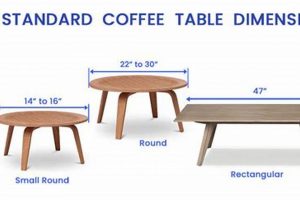
The size of the coffee table should be proportionate to the dimensions of the room. A large table in a small room can create a sense of overcrowding, while a small table in a large room may appear insignificant. The table’s length should be approximately two-thirds the length of the sofa to maintain visual harmony. For instance, a ten-foot sofa pairs well with a coffee table that is approximately six to seven feet long. Width is also important; a table that is too wide will obstruct movement, while one that is too narrow may not provide sufficient surface area.
- Traffic Flow and Accessibility
Placement must consider the flow of traffic within the room. The table should be positioned to allow for easy access to seating and pathways. A minimum of 18 inches of space should be maintained between the coffee table and the seating to allow for comfortable legroom. Avoid placing the table in areas where people frequently walk, such as directly in front of doorways. Placement that impedes traffic flow creates a cluttered and uncomfortable environment.
- Functionality and Intended Use
The table’s size and placement should align with its intended use. If the table will primarily serve as a surface for drinks and snacks, it should be positioned within easy reach of all seating areas. If it will be used for displaying decorative items or storing books, the size should be sufficient to accommodate these items without appearing cluttered. A larger table may be necessary for multipurpose use, while a smaller table suffices for limited functionality. The intended use should dictate the size and proximity to seating.
- Aesthetic Harmony and Focal Point
The coffee table can serve as a focal point within the room, drawing attention to its natural edge and unique characteristics. Placement should enhance its aesthetic appeal and integrate it harmoniously with the surrounding dcor. Consider the table’s proximity to other furniture pieces, such as rugs, lamps, and artwork. Positioning the table on a complementary rug or beneath a statement light fixture can enhance its visual impact. The table should be placed to showcase its natural beauty while contributing to the overall aesthetic of the room.
Integrating a natural-edge coffee table successfully involves a nuanced understanding of spatial dynamics and intended functionality. The table’s dimensions should complement the room’s proportions, its placement must facilitate traffic flow, and its design should enhance the room’s aesthetic. By carefully considering these factors, a natural-edge coffee table becomes a functional and visually striking addition to any living space.
6. Wood Characteristics
The intrinsic attributes of wood significantly define the aesthetic and structural properties of a natural-edge coffee table. Grain pattern, knots, color variations, and density each contribute to the piece’s unique character and durability. Understanding these characteristics informs selection and enhances appreciation of the final product.
- Grain Pattern and Figure
Grain pattern dictates the visual texture of the table’s surface. Straight grain offers a uniform appearance, while burl or curly grain patterns introduce complex, organic designs. These figures, often prized for their aesthetic appeal, may also influence structural stability. For example, highly figured wood is more prone to movement and requires careful drying and stabilization techniques.
- Knots and Inclusions
Knots, remnants of branches, are inherent features in most wood slabs. They can either be viewed as defects or celebrated as unique markings that tell the tree’s history. Structurally sound, tight knots can enhance a piece’s rustic charm. However, loose or unstable knots require stabilization with epoxy to prevent them from falling out and compromising the table’s integrity.
- Color Variations and Heartwood/Sapwood
Natural color variations arise from differences between heartwood (the inner, older wood) and sapwood (the outer, younger wood). Heartwood typically exhibits a darker, richer tone, while sapwood is lighter. These variations create visual contrast and add depth to the table’s surface. The ratio of heartwood to sapwood influences the overall aesthetic and may also impact the wood’s resistance to decay.
- Density and Hardness
Wood density determines its hardness and resistance to wear. Denser hardwoods, such as maple or walnut, offer superior durability compared to softer woods like pine. The choice of wood density should align with the intended use of the coffee table. A denser wood is preferable for a high-traffic area or a table subjected to heavy use.
These wood characteristics directly influence the design and crafting process. Skilled artisans leverage these natural attributes to create tables that are both aesthetically pleasing and structurally sound. Appreciation of these features enhances the user experience, connecting the owner to the natural origins of the piece.
Frequently Asked Questions
This section addresses common inquiries regarding the selection, care, and characteristics of coffee tables featuring a natural, unfinished edge. The information provided aims to clarify aspects relevant to prospective buyers and owners.
Question 1: What wood species are best suited for a live edge coffee table?
Hardwoods such as walnut, maple, and oak are preferred due to their durability and resistance to wear. Softwoods like pine are less suitable for high-use surfaces.
Question 2: How is the natural edge protected from damage?
A clear sealant or oil-based finish is typically applied to the edge to minimize splintering, reduce moisture absorption, and prevent dirt accumulation.
Question 3: What can be done to stabilize cracks or voids in the wood?
Epoxy resin fills are commonly used to stabilize cracks and voids, preventing further cracking and providing a smooth, durable surface.
Question 4: How do I maintain the surface finish of the table?
Regular dusting and occasional application of furniture polish or oil, as recommended by the finish manufacturer, are advised to preserve the surface’s luster and protective qualities.
Question 5: What type of base provides the best stability for a heavy wood slab?
Metal bases, particularly those constructed from steel, offer superior strength and stability for supporting heavy natural-edge slabs. Wooden bases require robust joinery for adequate support.
Question 6: How does moisture content affect the longevity of the coffee table?
Wood with high moisture content is prone to warping, cracking, and fungal growth. Properly kiln-dried wood, with a moisture content between 6-8%, is essential for long-term stability.
These inquiries provide a foundational understanding of key factors influencing the selection, care, and durability of natural-edge coffee tables. Addressing these points ensures a well-informed decision and prolonged enjoyment of the piece.
The subsequent section will discuss integrating these unique furniture pieces into various interior design styles.
Conclusion
This exploration of the “live edge wooden coffee table” has encompassed wood selection, structural integrity, finish application, and design considerations. Each element contributes to the final product’s aesthetic and functional value. A clear understanding of these factors enables informed decisions regarding selection and care, ensuring longevity.
The enduring appeal of the natural-edge design lies in its ability to integrate organic forms into modern living spaces. Further research and development in sustainable wood sourcing and innovative stabilization techniques will continue to enhance the value and environmental responsibility of this distinctive furniture piece, establishing it as a hallmark of refined interior design.

![Buy Best Drum Outdoor Coffee Table [Stylish & Durable] | The Ultimate Coffee Guide: Types, Brewing Methods & Best Beans](https://deacoffee.com/wp-content/uploads/2026/05/th-82-300x200.jpg "Buy Best Drum Outdoor Coffee Table [Stylish & Durable] The Ultimate Coffee Guide: Types, Brewing Methods & Best Beans")