The phrase denotes a piece of furniture, specifically a low-lying table suitable for placement in front of seating, constructed by an individual rather than purchased pre-made. It combines the function of a surface for placing items, like beverages or books, with the comfort and aesthetic of an upholstered footrest or casual seating option. An example is creating a cushioned surface on a repurposed wooden crate, adding legs, and covering it with fabric.
Such projects offer several advantages. Cost savings are often realized by utilizing readily available or recycled materials. Furthermore, they provide a customizable design solution, allowing for specific dimensions, fabrics, and styles to complement existing decor. Historically, self-made furnishings reflect a tradition of resourcefulness and a desire for unique home elements.
The following sections will explore various approaches to fabricating such a piece, considering materials, techniques, and design considerations for achieving a functional and aesthetically pleasing result.
Essential Fabrication Considerations
The successful creation of this type of furniture necessitates careful planning and execution. The following guidelines aim to enhance the quality and longevity of the finished product.
Tip 1: Frame Construction: Prioritize a robust structural framework. Utilize hardwoods like oak or maple for load-bearing components. Secure joints with screws and wood glue for enhanced stability.
Tip 2: Upholstery Foam Selection: Choose high-density foam with an appropriate Indentation Load Deflection (ILD) rating for comfort and durability. A higher ILD indicates firmer support. Consider at least a 4″ thickness for adequate cushioning.
Tip 3: Fabric Selection: Opt for durable upholstery-grade fabrics resistant to abrasion and staining. Consider the fabric’s weight and weave to ensure it can withstand regular use. Outdoor fabrics can offer increased water resistance.
Tip 4: Secure Fabric Attachment: Employ a heavy-duty staple gun with appropriately sized staples to firmly secure the fabric to the frame. Ensure staples are flush with the surface to prevent snagging. Maintain consistent tension during fabric application.
Tip 5: Leg Attachment Methodology: Utilize metal mounting plates and appropriately sized bolts to attach legs securely to the frame. Ensure the mounting plates are rated for the intended weight capacity. Consider angled legs for increased stability.
Tip 6: Protective Finish Application: Apply a sealant or finish to any exposed wood surfaces to protect against moisture and wear. Polyurethane or varnish provides a durable and aesthetically pleasing finish.
Tip 7: Button Tufting Considerations: If incorporating button tufting, employ a consistent pattern and ensure buttons are securely fastened with upholstery thread. Use a tufting needle and create deep, uniform indentations.
Adherence to these guidelines will contribute to a stable, aesthetically pleasing, and long-lasting piece of furniture.
The subsequent sections will delve into specific design styles and advanced techniques for elevated projects.
1. Frame Strength
The structural integrity of a self-made upholstered table hinges critically on frame strength. This parameter dictates the weight-bearing capacity and resistance to deformation under load. Insufficient frame strength leads to instability, premature wear, and potential structural failure, rendering the piece unusable or unsafe. For example, a frame constructed from thin softwood with poorly executed joints is likely to collapse under the weight of regularly placed items or when used as occasional seating. The frame serves as the foundational element, and its durability directly impacts the longevity of the entire piece.
Conversely, a robust frame, constructed from hardwood such as oak or maple and employing strong joinery techniques like mortise-and-tenon or reinforced butt joints, distributes weight effectively and resists warping or bending. This ensures the furniture maintains its shape and functionality over extended periods. Consider a large, rectangular piece intended for use in a family room; a reinforced frame is essential to support items such as books, trays, and even occasional seating by children.
Therefore, prioritizing frame strength is paramount in a build. Selecting appropriate materials and employing sound construction techniques are not merely aesthetic choices but essential requirements for a successful, durable, and safe furniture item. Neglecting this aspect compromises the entire project, regardless of the quality of the upholstery or other finishing details. The frame is the skeleton upon which the rest is built.
2. Upholstery Comfort
The degree of comfort offered by the upholstered surface is a primary determinant of the overall satisfaction derived from a homemade piece of furniture. It influences both the physical utility and the perceived value of the finished product. Adequate consideration of this parameter transforms a purely functional item into one that is inviting and aesthetically pleasing.
- Foam Density and ILD Rating
Foam density, measured in pounds per cubic foot, and Indentation Load Deflection (ILD) rating, indicating firmness, directly influence the level of support and cushioning. A high-density foam with a suitable ILD provides a balance between comfort and durability, preventing premature sagging and ensuring long-term support. For example, a high-density foam with an ILD of 35-45 would be suitable for a surface intended for both foot resting and occasional seating. Inadequate foam selection results in discomfort and rapid degradation of the upholstered surface.
- Fabric Texture and Breathability
The texture and breathability of the chosen fabric significantly impact tactile comfort and prevent overheating during prolonged use. Fabrics with a soft texture and good breathability, such as cotton blends or linen, enhance the user experience. Conversely, synthetic fabrics with poor breathability can lead to discomfort and sweating. The selection of an appropriate fabric for the top is crucial for maximizing the utility and enjoyment of the final product.
- Upholstery Layering and Padding
Strategic layering of different materials beneath the top fabric, such as batting or dacron, contributes to a softer and more luxurious feel. These layers provide additional cushioning and smooth out any imperfections in the underlying frame or foam. This layering is especially important when the project is to be tufted or have other decorative techniques applied that can create uneven surfaces. Adequate padding ensures that the underlying structure does not detract from the overall comfort of the upholstered surface.
- Edge Treatment and Seam Construction
The way edges are treated and seams are constructed affects both the aesthetic and the tactile comfort. Rolled edges, properly positioned seams that avoid direct contact with the user’s skin and welting are functional and visually appealing. Sharp edges or poorly placed seams can cause discomfort and detract from the overall user experience. Attention to detail in edge treatment and seam construction elevates the perceived quality and usability.
These components, when carefully considered and implemented, contribute to a finished item that is not only visually appealing but also provides a comfortable and inviting surface for relaxation or functional use. Prioritizing comfort alongside aesthetics elevates the overall value and utility.
3. Fabric Durability
Fabric durability is a pivotal determinant in the long-term utility and aesthetic appeal of an upholstered table made at home. The choice of fabric dictates the item’s resistance to wear, staining, and fading, directly affecting its lifespan and continued suitability for daily use.
- Abrasion Resistance
Abrasion resistance refers to the fabric’s ability to withstand surface wear from rubbing and friction. For an upholstered surface, this is critical due to regular contact with objects, feet, or clothing. Fabrics with high abrasion resistance, such as those with tight weaves or synthetic fibers, are better suited for high-traffic areas. For example, a surface covered in a loosely woven fabric will exhibit pilling and wear patterns much sooner than one covered in a tightly woven canvas or duck cloth.
- Stain Resistance
Stain resistance describes the fabric’s capacity to repel spills and resist permanent discoloration. This is particularly important for a table that serves as a surface for drinks, food, or other potentially staining items. Fabrics treated with stain-resistant finishes or those naturally resistant to staining, like some microfibers, offer enhanced protection. A light-colored surface covered in untreated cotton is significantly more susceptible to staining than one covered in a treated synthetic blend.
- Fade Resistance
Fade resistance is the fabric’s ability to maintain its color intensity when exposed to sunlight or artificial light. This factor is critical if the furniture will be positioned near windows or in brightly lit rooms. Fabrics with good fade resistance, often achieved through specialized dyeing processes or the use of inherently fade-resistant fibers, prevent premature discoloration. A surface covered in a dye-sensitive fabric will fade noticeably faster than one covered in a solution-dyed acrylic.
- Tear Strength
Tear strength refers to the fabric’s ability to resist tearing or ripping under stress. This is important for preventing damage from sharp objects or accidental punctures. Fabrics with high tear strength, such as those with reinforced weaves or thicker fibers, offer greater protection against accidental damage. A surface covered in a thin, loosely woven silk will be more prone to tearing than one covered in a durable, tightly woven canvas.
The selection of a durable fabric is an investment in the longevity and usability of a build. Careful consideration of abrasion resistance, stain resistance, fade resistance, and tear strength ensures the finished product remains aesthetically pleasing and functionally sound for an extended period, justifying the time and effort invested in its construction.
4. Leg Stability
Leg stability is a critical factor influencing the overall functionality, safety, and longevity of a self-made ottoman. Insufficient leg stability compromises the furniture’s ability to support weight, resist tipping, and maintain a level surface. Therefore, proper attention to leg design, attachment, and material selection is paramount.
- Leg Material and Dimensions
The choice of material and dimensions for the legs directly affects their load-bearing capacity and resistance to bending or buckling. Hardwoods such as oak or maple offer superior strength compared to softwoods. The leg diameter or cross-sectional area must be appropriately sized to support the weight of the furniture and any anticipated load. Undersized or weak legs will result in instability and potential collapse. For example, slender, tapered legs may be aesthetically pleasing but unsuitable for a large, heavy ottoman intended for use as a coffee table.
- Attachment Method
The method of attaching the legs to the frame is crucial for ensuring a secure and stable connection. Screws alone may be insufficient for heavy loads or repeated use. Metal mounting plates, T-nuts, or embedded bolts provide a more robust and reliable attachment. The attachment points must be properly aligned and securely fastened to prevent wobbling or detachment. A poorly attached leg can shear off under stress, rendering the furniture unusable and potentially causing injury.
- Leg Placement and Angle
The positioning and angle of the legs relative to the frame influence the furniture’s stability and resistance to tipping. Legs placed close to the corners provide greater stability than those positioned further inward. Angled legs, splayed outward, offer increased resistance to lateral forces. Improper leg placement can create a top-heavy design that is prone to tipping. Consider a design with outward angled legs for additional stability.
- Floor Surface Compatibility
The design and material of the leg feet must be compatible with the intended floor surface to prevent slippage, scratching, or damage. Rubber feet provide grip on smooth surfaces such as tile or hardwood. Felt pads protect delicate surfaces from scratches. Metal feet may damage sensitive flooring. Ignoring floor surface compatibility can result in instability and damage to both the furniture and the floor.
These considerations highlight the direct correlation between leg stability and the overall success of a homemade ottoman. A properly designed and constructed leg system ensures the furniture is not only aesthetically pleasing but also safe, durable, and functional for its intended purpose. Adequate stability contributes significantly to the overall user experience and the longevity of the piece.
5. Design Aesthetic

The design aesthetic constitutes a fundamental aspect of any upholstered furniture piece, profoundly influencing its visual appeal and its integration within a specified interior environment. In the context of a build, the aesthetic considerations transcend mere superficiality; they represent a crucial integration of form, function, and personal expression. The chosen design must harmonize with the existing decor and reflect the user’s preferences.
- Style Cohesion
Style cohesion denotes the alignment of the piece with the prevailing design language of the room. This involves selecting a form, material palette, and detailing that complement the existing furniture and architectural elements. For instance, a minimalist interior might necessitate a simple, geometric design with neutral fabrics, while a bohemian space could accommodate a more ornate, textured piece with vibrant colors. Incoherence in style creates visual dissonance and detracts from the overall aesthetic harmony.
- Material Selection and Texture
Material selection encompasses both the visual and tactile properties of the chosen components. The fabric’s color, pattern, and texture contribute significantly to the piece’s aesthetic impact. Smooth, lustrous fabrics project formality, while textured, matte materials convey a more casual feel. Wood finishes, metal accents, and leg styles further contribute to the overall aesthetic. A deliberate combination of materials creates visual interest and enhances the tactile experience.
- Form and Proportion
Form and proportion refer to the overall shape and dimensions of the object, and the relationship of its parts to each other and the surrounding space. A well-proportioned piece appears balanced and visually pleasing. The height, width, and depth must be carefully considered to ensure it does not overwhelm or underwhelm the surrounding furniture. For example, a too-large piece in a small room disrupts the spatial balance. The chosen form should also align with the intended function and aesthetic style.
- Detailing and Embellishments
Detailing and embellishments encompass the subtle design elements that enhance the visual interest and perceived quality. These may include button tufting, piping, nailhead trim, or decorative stitching. Thoughtful detailing can elevate a simple design, adding character and sophistication. However, excessive or poorly executed detailing can appear cluttered and detract from the overall aesthetic. The key is to incorporate detailing strategically to enhance, not overwhelm, the primary design.
Each of these design facets is interwoven to contribute to the final products overall aesthetics. A successful self-built item demonstrates a thoughtful consideration of style cohesion, material selection, form and proportion, and detailing, resulting in a piece that is both visually appealing and functionally integrated within its intended environment.
6. Material Costs

Material costs represent a primary consideration in the planning and execution of a self-made upholstered table, directly influencing the overall project feasibility and affordability. The selection of materials, ranging from the structural frame to the upholstery fabric, significantly impacts the total expenditure. Budget constraints often dictate design choices, prompting individuals to explore cost-effective alternatives without compromising structural integrity or aesthetic appeal. For instance, repurposing reclaimed lumber for the frame and sourcing discounted upholstery fabric can substantially reduce overall expenses. Conversely, opting for premium hardwoods and high-end fabrics will escalate costs proportionally. Therefore, a comprehensive understanding of material pricing and the ability to identify suitable substitutes is essential for effective budget management. Without carefully addressing material costs, the final price may exceed that of commercially available alternatives, negating a primary incentive for self-construction.
The interplay between desired quality and budgetary limitations necessitates a strategic approach to material sourcing. Comparison shopping across multiple suppliers, both online and offline, can reveal significant price variations. Utilizing coupons, promotional discounts, and bulk purchasing options further contributes to cost savings. The decision to prioritize certain features, such as durability or stain resistance in the upholstery fabric, necessitates a corresponding allocation of resources. For example, investing in a higher-quality, stain-resistant fabric upfront can mitigate the long-term costs associated with frequent cleaning or eventual replacement. Similarly, a robust frame constructed from durable materials reduces the likelihood of future repairs or structural failures. Practical application involves creating a detailed materials list with estimated costs and actively seeking opportunities to minimize expenses through informed purchasing decisions. Consideration for tools required also affects material costs, if new tools must be purchased versus borrowed or rented.
In summary, material costs are inextricably linked to the success and economic viability of a DIY upholstered table project. A thorough understanding of material pricing, coupled with strategic sourcing and informed decision-making, enables individuals to create custom furniture pieces that align with their budgetary constraints and design preferences. Challenges include fluctuating material prices and the potential for unforeseen expenses. Addressing these challenges requires diligent planning, proactive research, and a willingness to adapt the design based on material availability and cost considerations. Ultimately, effective management of material costs is crucial for realizing the cost-saving potential of DIY furniture construction.
7. Tool Availability
The successful fabrication of a self-assembled upholstered table is directly contingent upon the availability of appropriate tools. This factor represents a practical constraint that influences design choices, construction techniques, and the overall feasibility of the project. The absence of necessary tools can significantly impede progress, compromise quality, and potentially lead to project abandonment. For instance, attempting to construct a robust frame without access to a power drill, miter saw, or wood clamps will result in poorly executed joints and structural instability. Similarly, achieving a professional upholstery finish requires a heavy-duty staple gun and appropriate upholstery tools, which may not be readily available to all individuals. Thus, tool availability is a prerequisite for successful execution.
The correlation between tool availability and project outcome extends beyond basic functionality. The precision and efficiency offered by specialized tools often translate directly into improved quality and aesthetic appeal. A pneumatic staple gun, for example, delivers consistent staple depth and tension, resulting in a smoother and more professional-looking upholstery finish compared to manual stapling methods. Similarly, a sewing machine with upholstery capabilities facilitates the creation of intricate seam designs and custom fabric panels, enhancing the overall design aesthetic. Examples like this demonstrate how the proper tool empowers the maker and yields to better finished pieces. Consideration must also be given to safety. Having the right safety equipment, such as safety glasses and gloves, is essential when handling power tools.
In conclusion, tool availability is not merely a logistical consideration but a fundamental determinant of project success. The selection of designs and construction techniques must align with the available tools and skill levels of the individual undertaking the project. Prioritizing access to essential tools, either through purchase, rental, or borrowing, is a critical step in ensuring a satisfactory outcome. Ignoring the constraints imposed by tool availability can lead to frustration, compromised quality, and ultimately, project failure. Planning and preparation are essential for success and safety.
Frequently Asked Questions
The following questions address common concerns and considerations related to the design and construction of self-made upholstered tables.
Question 1: What is the optimal height for an ottoman intended for use as a coffee table?
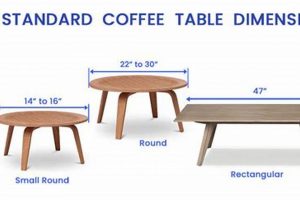
The ideal height typically ranges from 16 to 18 inches, aligning with the average height of a sofa seat. This facilitates comfortable reach and usability.
Question 2: What type of wood is most suitable for constructing a durable frame?
Hardwoods such as oak, maple, or birch offer superior strength and resistance to warping, making them ideal choices for framing.
Question 3: How can wobbling be prevented?
Wobbling can be mitigated by ensuring precise measurements, utilizing sturdy leg attachment hardware, and verifying that all legs are of equal length.
Question 4: What type of foam is recommended for comfortable upholstery?
High-density foam with an Indentation Load Deflection (ILD) rating of 30-40 provides a balance of support and cushioning for comfortable seating or foot resting.
Question 5: What fabric characteristics should be prioritized for longevity?
Durability, stain resistance, and fade resistance are paramount. Upholstery-grade fabrics with high abrasion resistance are recommended.
Question 6: Is specialized equipment necessary for successful execution?
While basic hand tools can suffice, a power drill, staple gun, and sewing machine streamline the process and enhance the quality of the finished product.
In summary, careful planning, appropriate material selection, and attention to detail are essential for creating a functional and aesthetically pleasing upholstered table.
The subsequent section will delve into advanced techniques and design variations for experienced DIY enthusiasts.
DIY Ottoman Coffee Table
This exploration has illuminated the multifaceted aspects inherent in the construction of a self-made upholstered table. From structural integrity and material selection to design aesthetics and budgetary constraints, the successful creation of such a piece necessitates careful consideration of numerous interrelated factors. Understanding frame strength, upholstery comfort, fabric durability, leg stability, and tool availability serves as the cornerstone for a functional and visually appealing result.
Ultimately, the decision to undertake such a project represents a commitment to craftsmanship and customization. The knowledge gained through this endeavor empowers individuals to create bespoke furniture tailored to their specific needs and aesthetic preferences. Continued exploration of advanced techniques and innovative design solutions will further elevate the capabilities of the discerning furniture builder.

![Buy Best Drum Outdoor Coffee Table [Stylish & Durable] | The Ultimate Coffee Guide: Types, Brewing Methods & Best Beans](https://deacoffee.com/wp-content/uploads/2026/05/th-82-300x200.jpg "Buy Best Drum Outdoor Coffee Table [Stylish & Durable] The Ultimate Coffee Guide: Types, Brewing Methods & Best Beans")